
Key Facts
- Clumping ornamental grass with burgundy to purple foliage.
- Produces airy, bottlebrush plumes that appear in warm months.
- Best grown in full sun for strongest color and best flowering.
- Drought tolerant once established and prefers well drained soil.
- Perennial in warm climates and often grown as an annual farther north.
- Can naturalize or become invasive in some warm, dry regions.
- Propagate reliably by division and less reliably by seed.
Purple Fountain Grass is a clumping ornamental grass grown for burgundy foliage and feathery plumes. Gardeners like it because it adds color and summer interest yet can naturalize in warm, dry areas so choosing where and how to plant it matters.
Identification
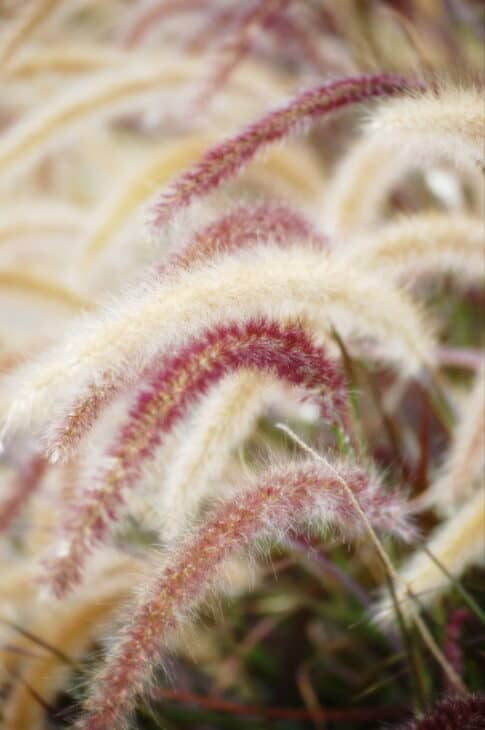
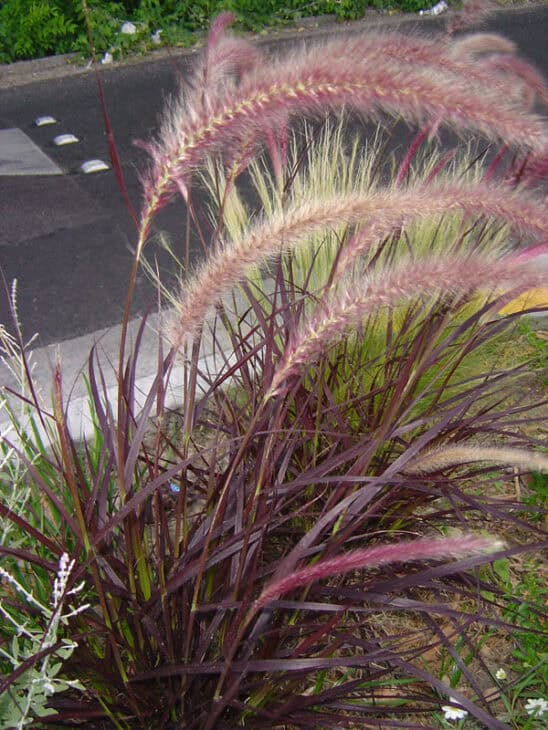
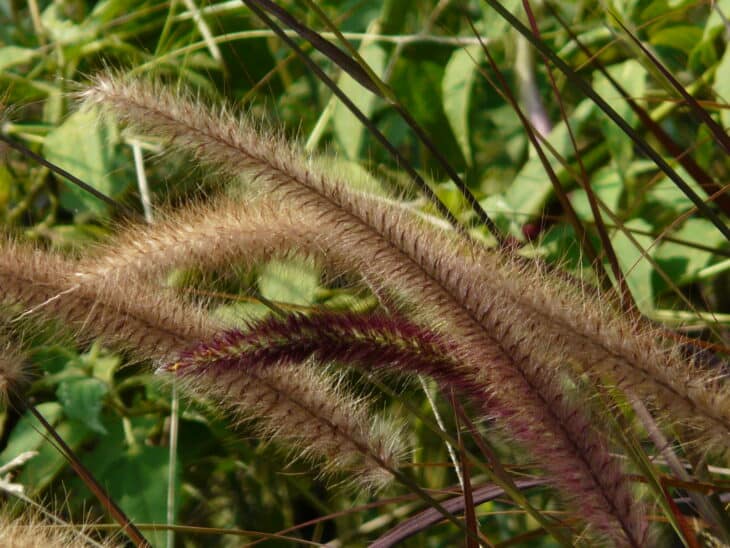
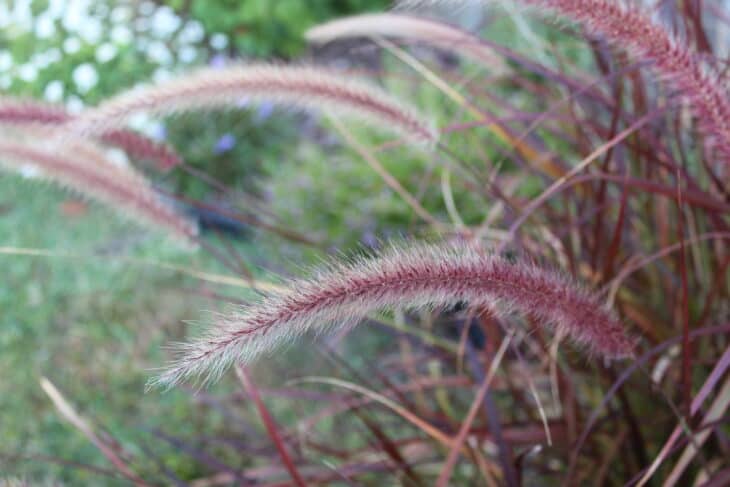
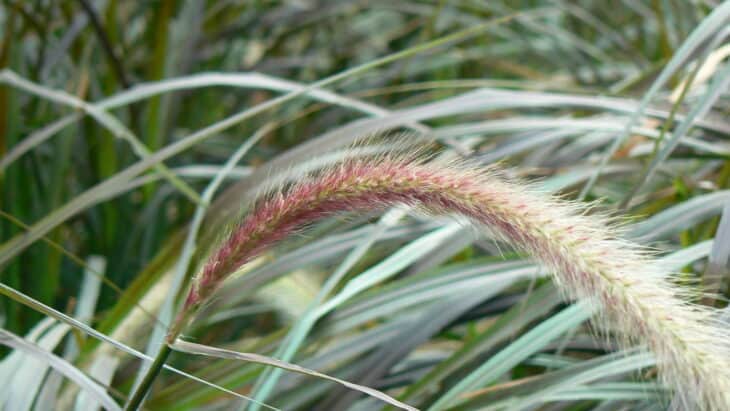
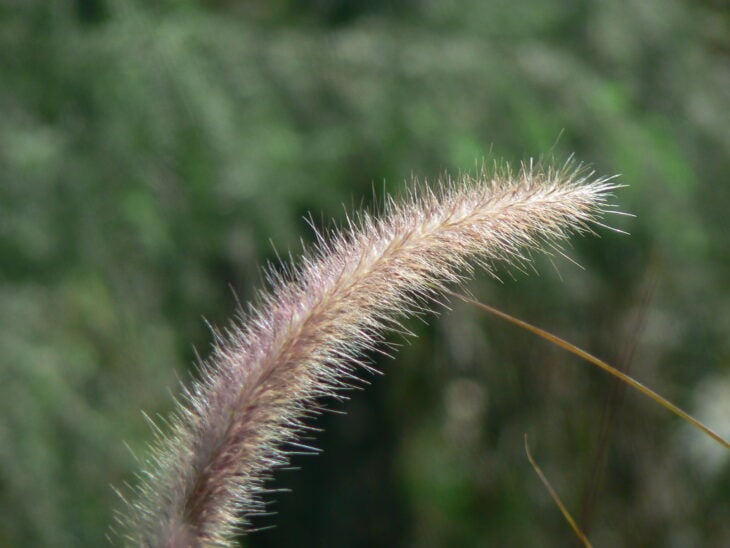
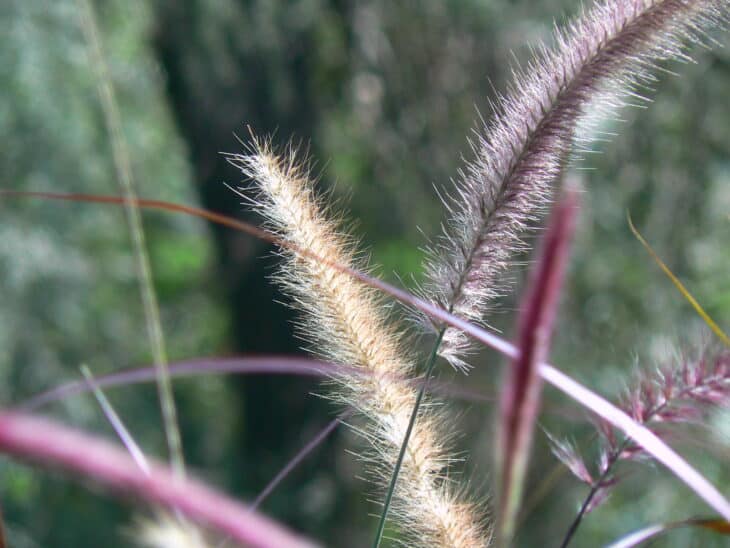
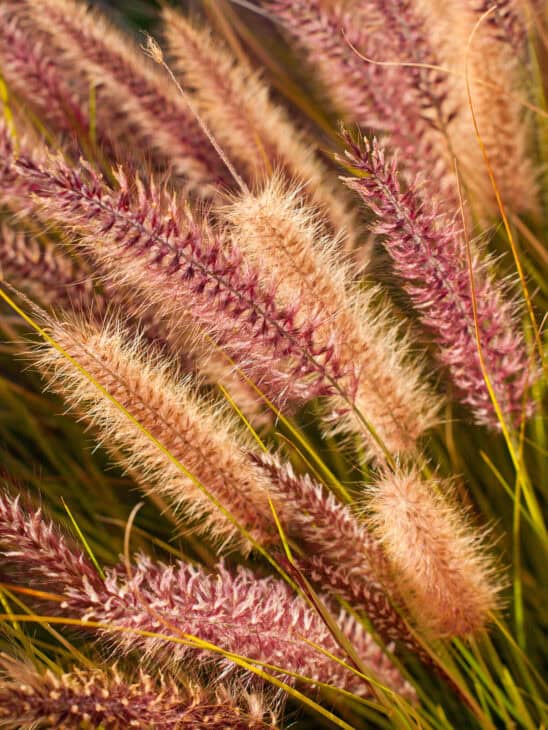
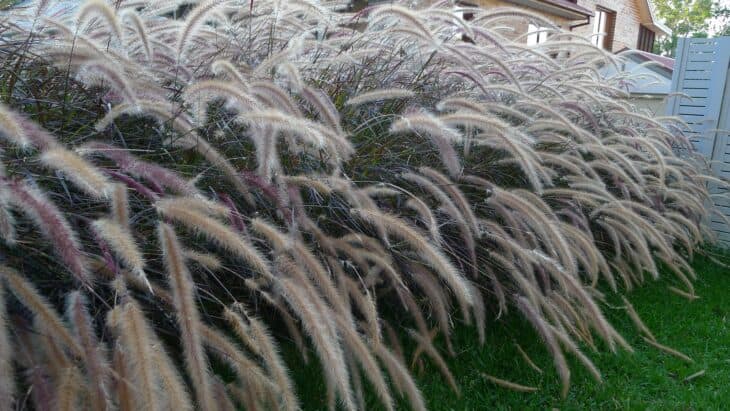
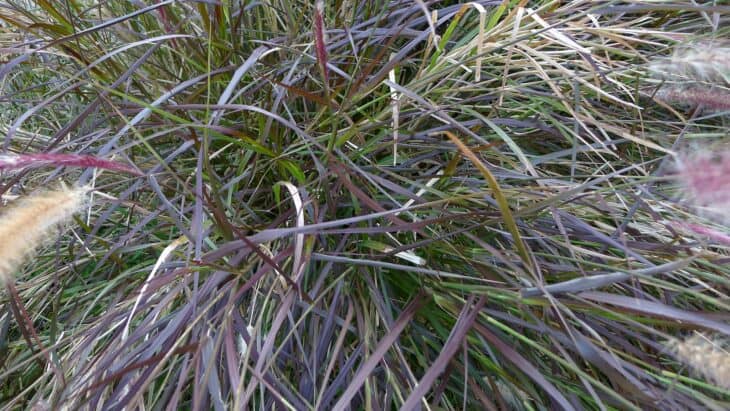
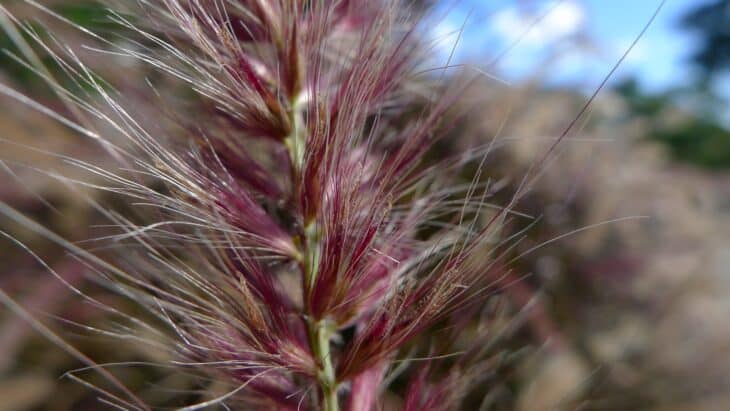
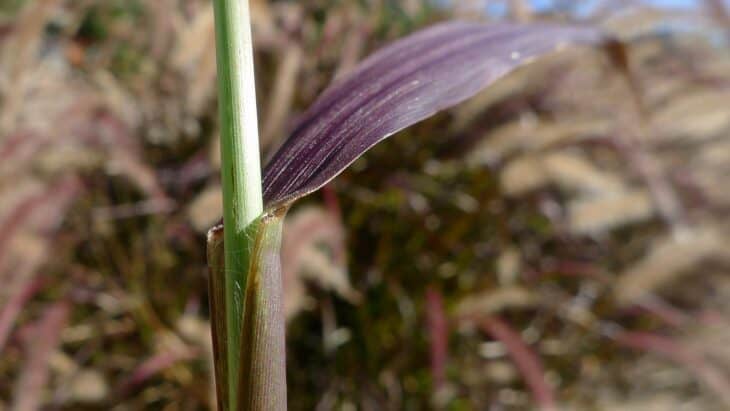
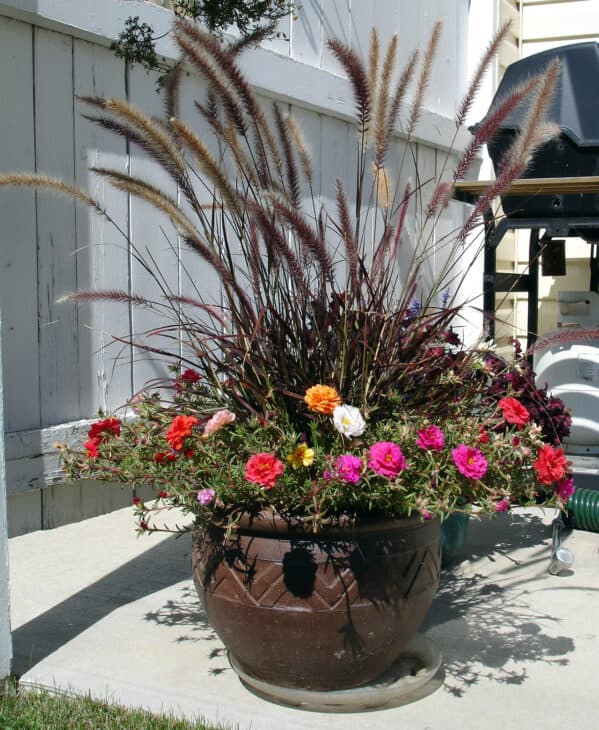
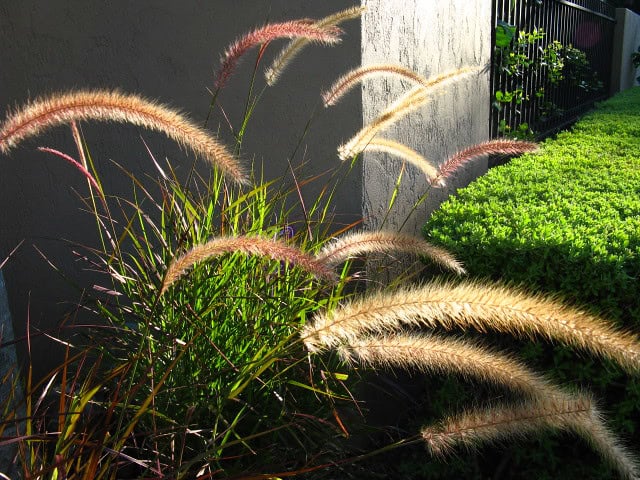
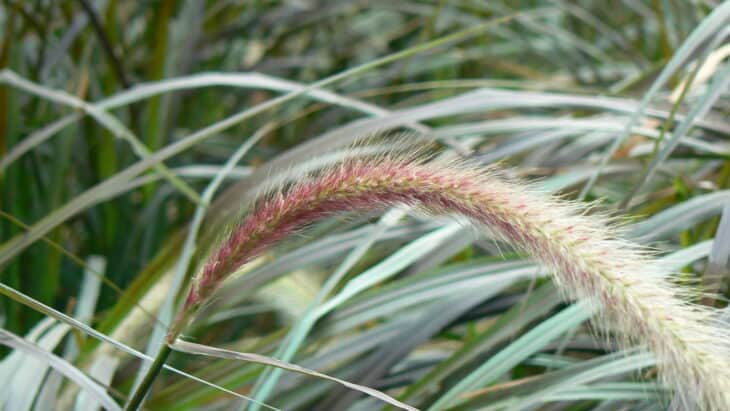
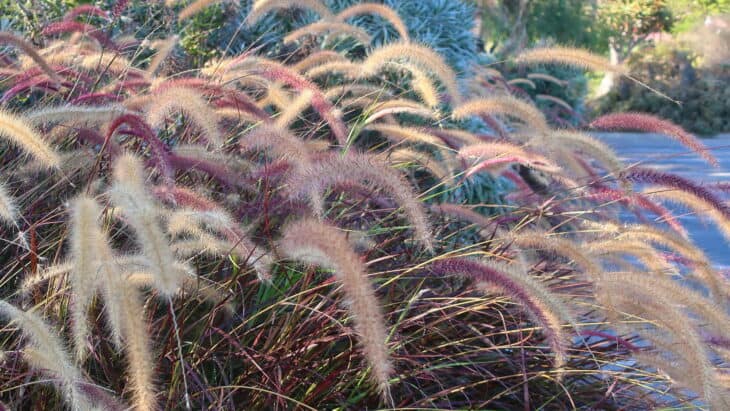
Pennisetum setaceum ‘Rubrum’ forms a rounded clump of burgundy to purple leaves. Mature plants are typically 2 to 4 feet tall with flower stalks that may rise above the foliage. In warm months plants produce airy, bottlebrush plumes.
Where to grow and best uses
Grow this grass in full sun for the strongest leaf color and best flowering. It tolerates average to poor and sandy soils but needs good drainage. In USDA zones 9 to 11 it behaves as a perennial; gardeners in cooler zones often treat it as an annual.
Planting and spacing
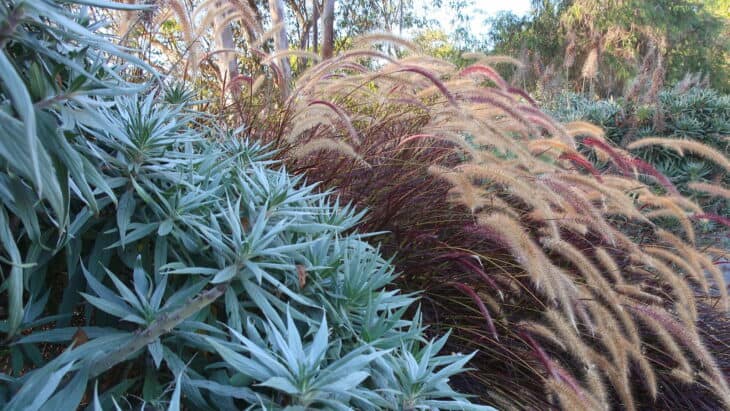
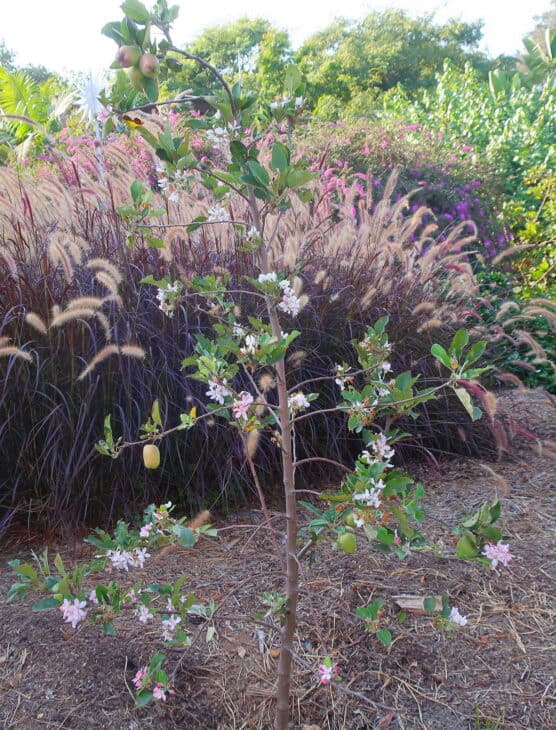
Plant as a specimen in sunny borders or in mixed perennial beds where a 2 to 3 foot spacing lets clumps develop without crowding. When dividing established clumps do the work in spring for the best recovery.
Soil and watering
Choose well drained soil. The plant tolerates drought once established and performs on low fertility and sandy sites. Avoid heavy, waterlogged sites because poor drainage can cause decline and crown rot.
After flowering and seasonal care
Flowering typically occurs in summer into fall. Remove or trim spent flower stalks if you want a tidier appearance or to reduce seed production. In cooler climates the clump will generally die back and be replanted or treated as an annual.
Spread and naturalizing control
Purple Fountain Grass can naturalize or become invasive in some warm, dry regions. Seedlings from flower plumes can establish away from the parent plant. To limit spread remove seedheads before they set seed and avoid letting plants self-seed into natural areas. Divide and remove unwanted clumps to reduce local spread.
Propagation
Division is the reliable way to propagate this cultivar and preserves the parent plant’s traits. Seed will grow but offspring may vary and can contribute to naturalization.
Frequently asked questions
- How fast does Purple Fountain Grass grow?
- Growth rate varies with site and climate. Mature height is typically 2 to 4 feet and plants form clumps that expand to roughly 2 to 3 feet across.
- Is Purple Fountain Grass invasive?
- It can naturalize or become invasive in some warm, dry regions. Check local invasive species lists and avoid planting where it is restricted.
- Can I propagate it from seed?
- Yes, but seedlings may not be true to the cultivar. Division is recommended to preserve cultivar traits and to limit spread.
- How should I water newly planted clumps?
- Keep new transplants watered until established. Once established the plant is drought tolerant and requires less frequent irrigation.
Notes: Taxonomy is treated variously in different sources and may appear under the synonym Cenchrus setaceus. Hardiness and invasive potential vary by region. For local restrictions and any safety concerns consult regional extension services and local invasive species lists.
Gallery
Related Plants


Mentioned In (1)
Plants
15 Plants That Look Like Feathers
Texture plants play an integral role in creating a beautiful, well-balanced garden. Combining complementary and contrasting landscape elements and plants…