Trees
Types of Japanese Maple Leaves: 12 Leaf Shapes and How to Tell Them Apart
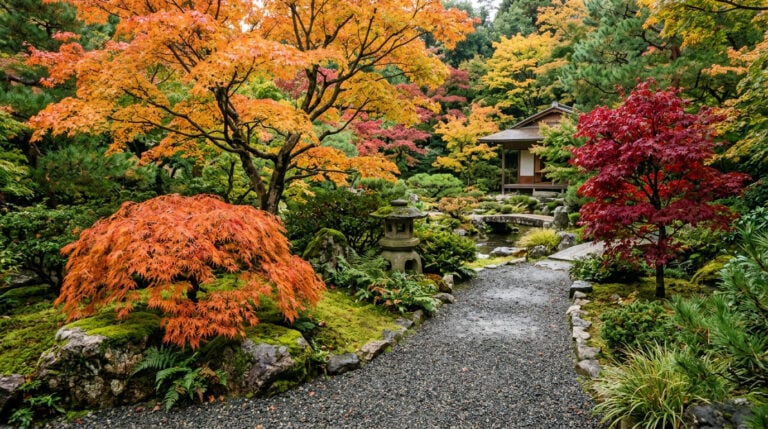
Japanese maple leaves come in five basic shapes, and the difference is how deep the cuts between the lobes go. From broadest to finest: Amoenum (wide

Trees
Japanese maple leaves come in five basic shapes, and the difference is how deep the cuts between the lobes go. From broadest to finest: Amoenum (wide
Trees
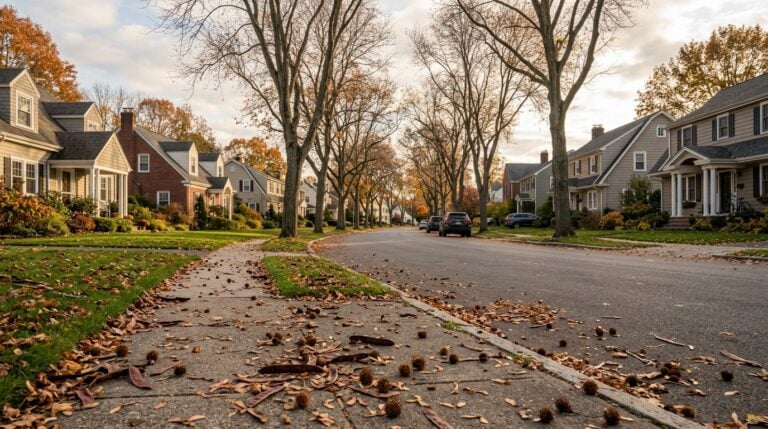
To identify seed pods from trees, sort the fruit into one of four shapes first: long flat pods, spiky or round balls, winged seeds, or cone-like
Trees
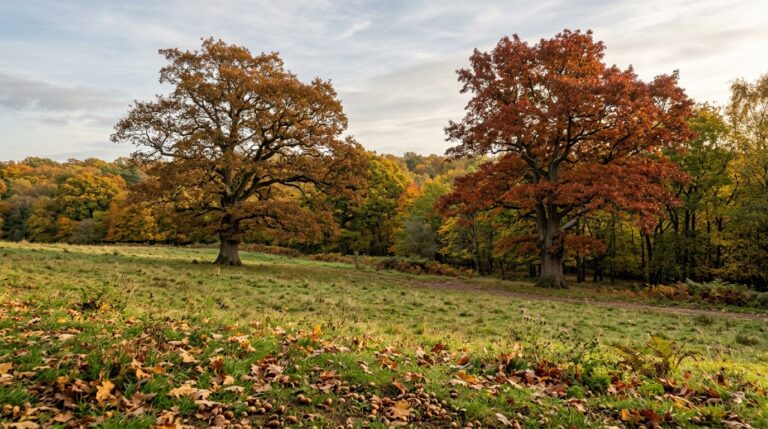
To identify an oak by its leaf, look at the tips of the lobes first. Rounded lobes with no bristles mean a white oak; pointed lobes
Trees
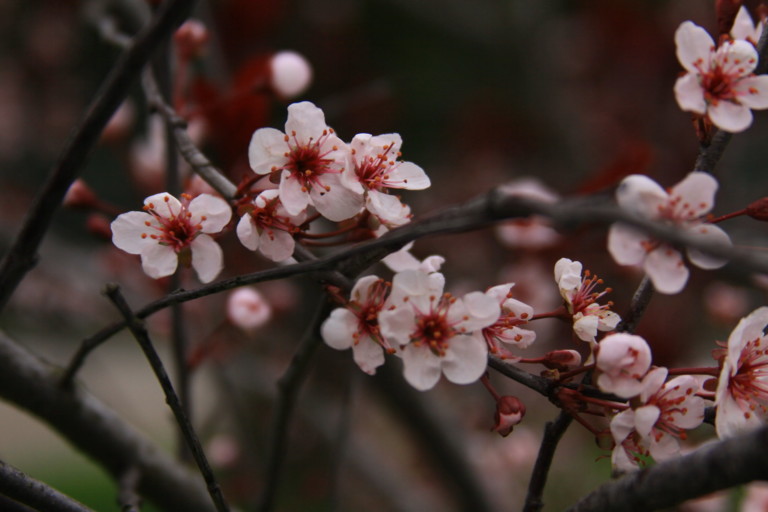
Spring-flowering trees give a yard its biggest show of the year. This guide sorts the best of them by flower color: pink, white, purple and yellow.
Trees
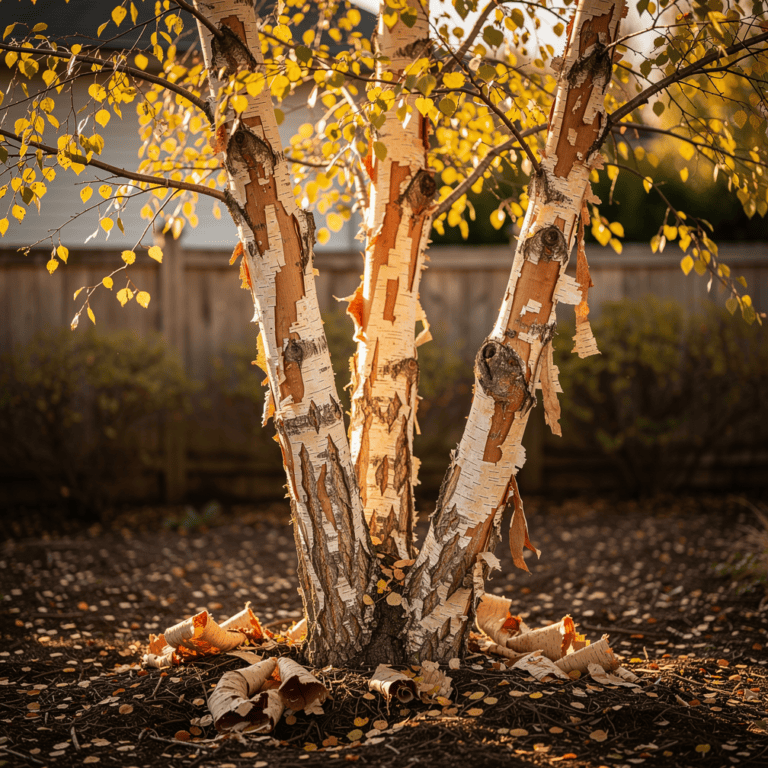
Birch trees (Betula spp.) are deciduous trees grown primarily for their ornamental bark, which peels in papery layers to reveal striking underlayers of cinnamon, salmon, cream,
Trees
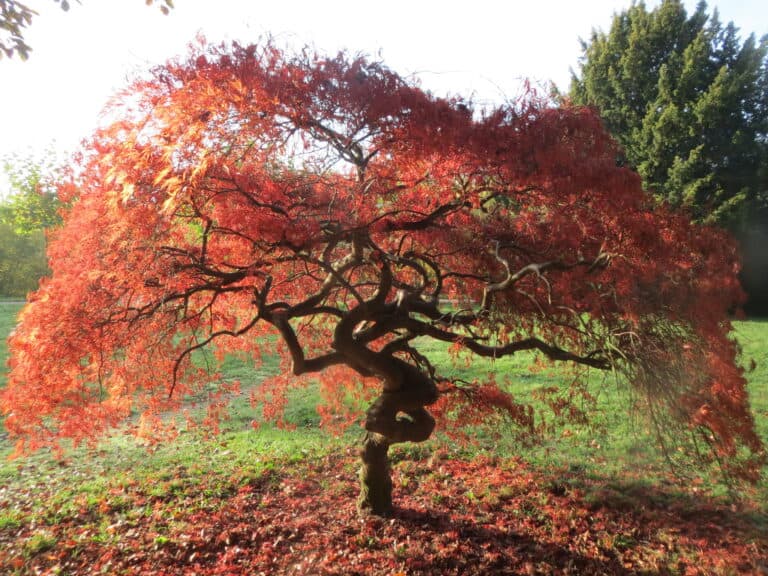
Japanese maple (Acer palmatum) is one of the most widely planted ornamental trees in the world, and for good reason. Native to Japan, Korea, and China,
Trees
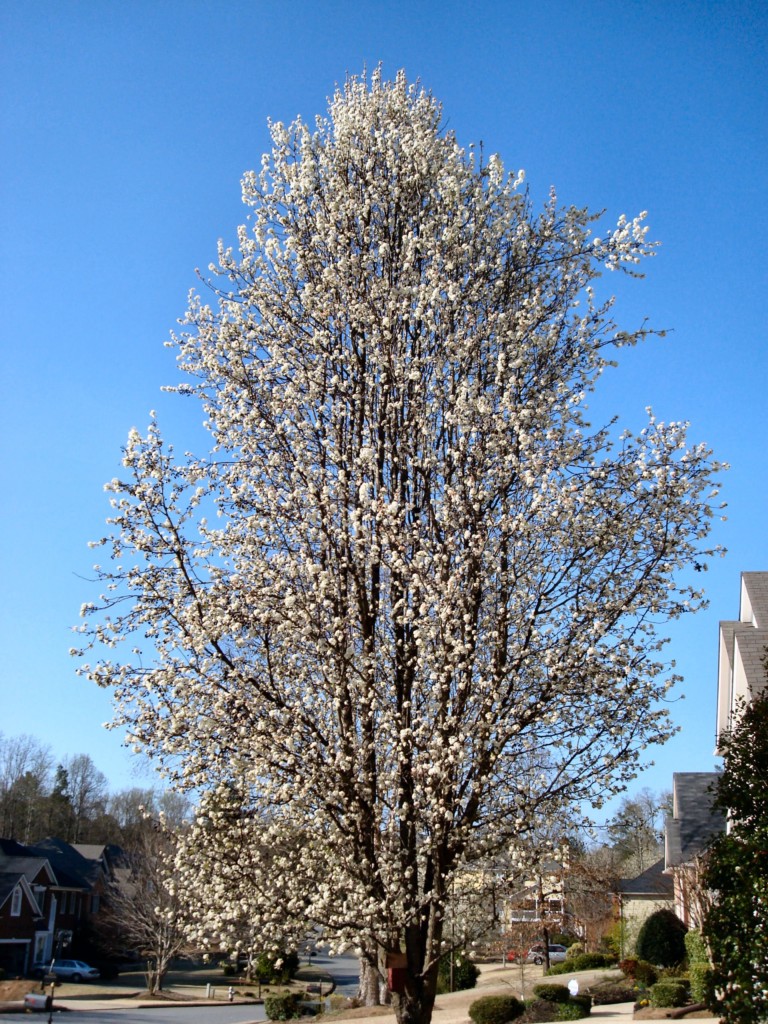
Bradford pear (Pyrus calleryana ‘Bradford’) is a deciduous tree that reached near-ubiquity in American neighborhoods between the 1970s and 1990s. The USDA released the ‘Bradford’ cultivar

Trees
Few trees stop traffic in spring the way a magnolia does. The genus Magnoliaceae contains some of the most primitive flowering plants on earth — magnolias

Trees
Yes, pine trees are edible. Every true pine (Pinus) has edible needles, inner bark, seeds, pollen and young spring tips, and none is deadly. Pine needle

Trees
Crape Myrtle trees (Lagerstroemia) are iconic in southern U.S. landscapes, prized for their summer flowers and multi-season appeal. But are they the right choice for your