
Key Facts
- Deciduous shrubs or small trees in the genus Tamarix.
- Tolerant of saline and alkaline soils.
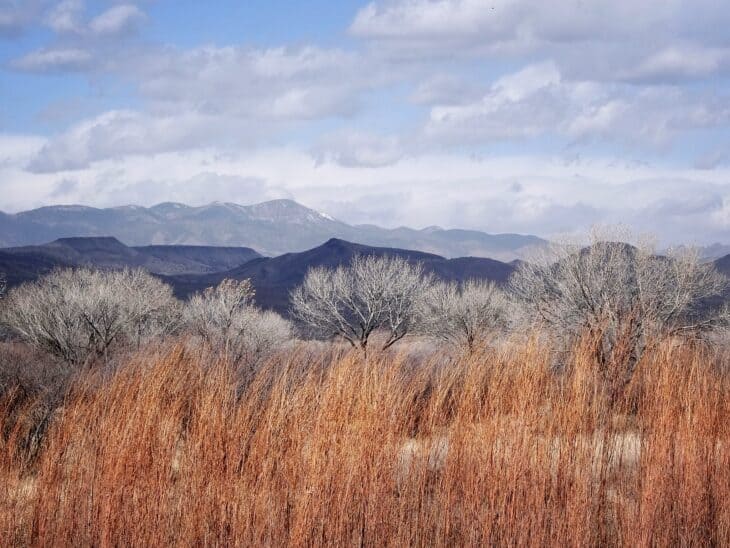
- Often invasive outside its native range, especially in arid riparian zones.
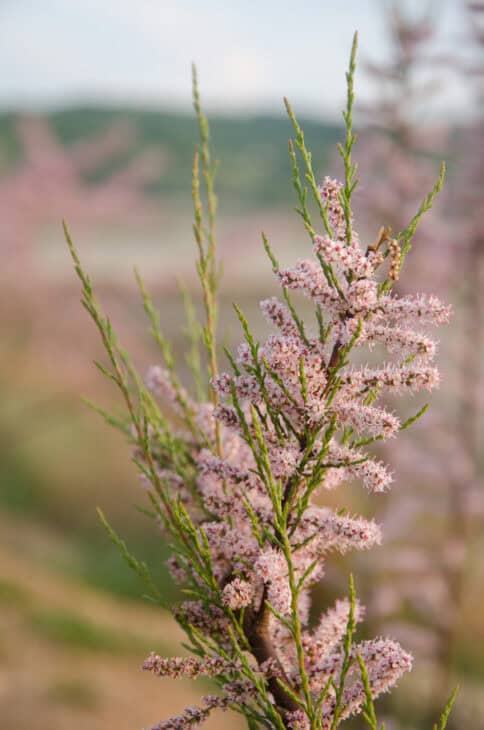
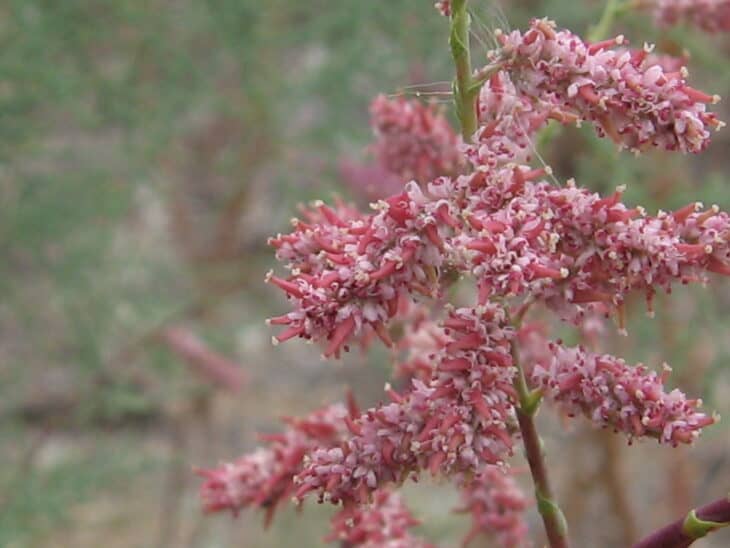
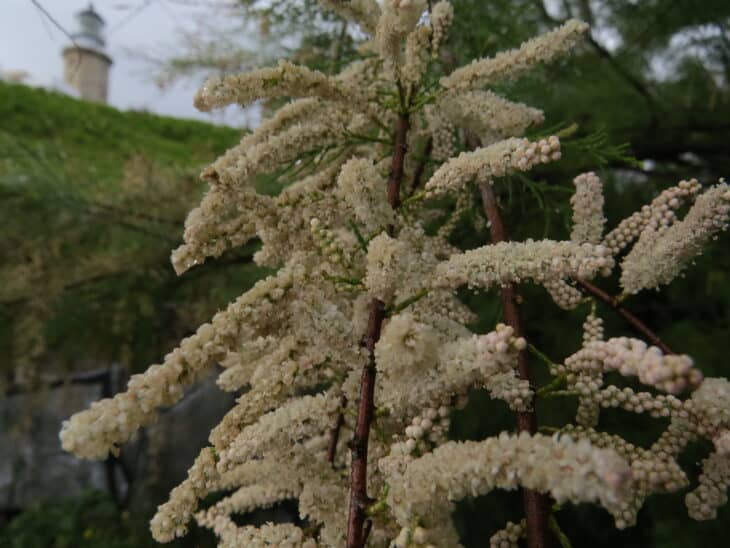
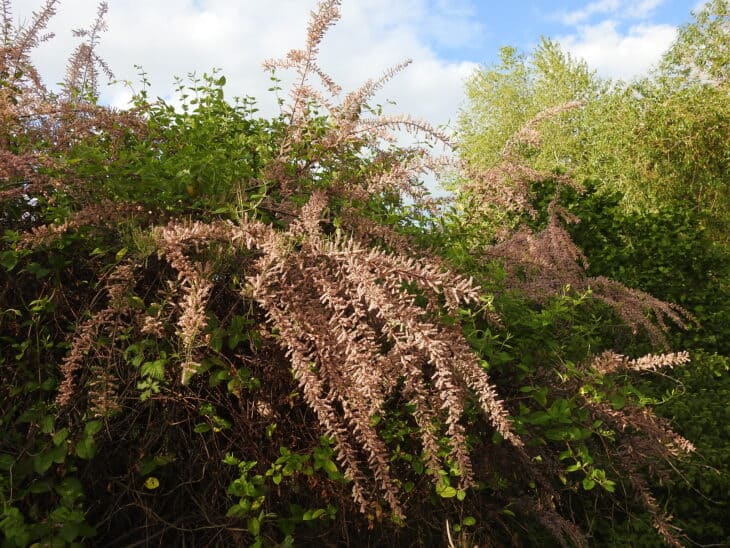
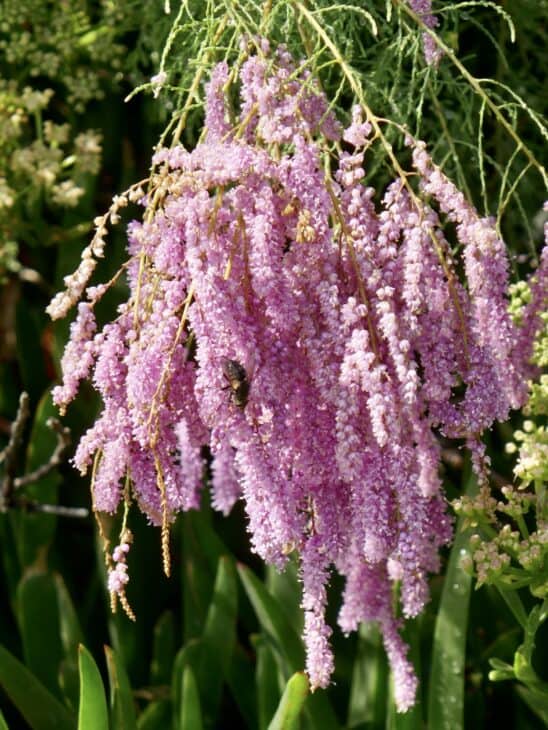
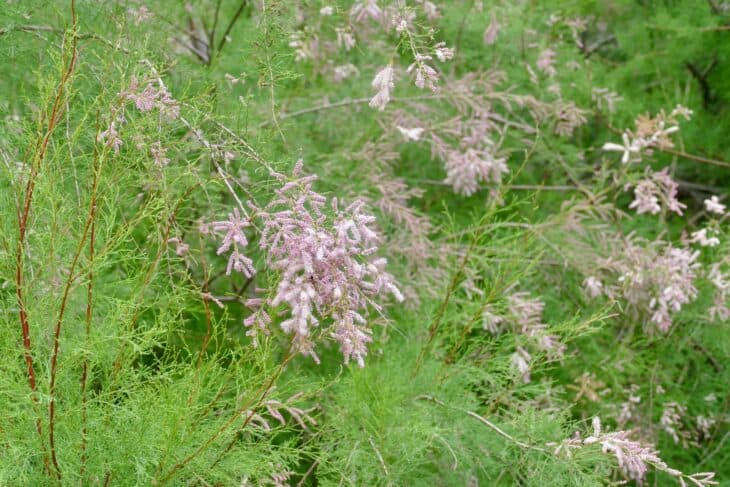
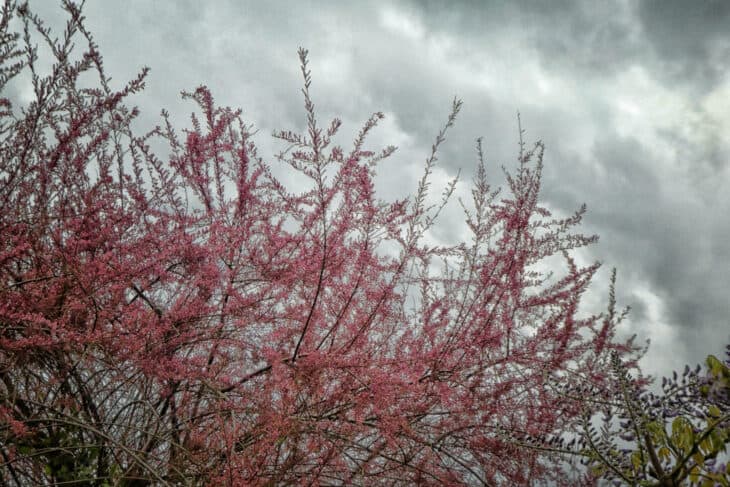
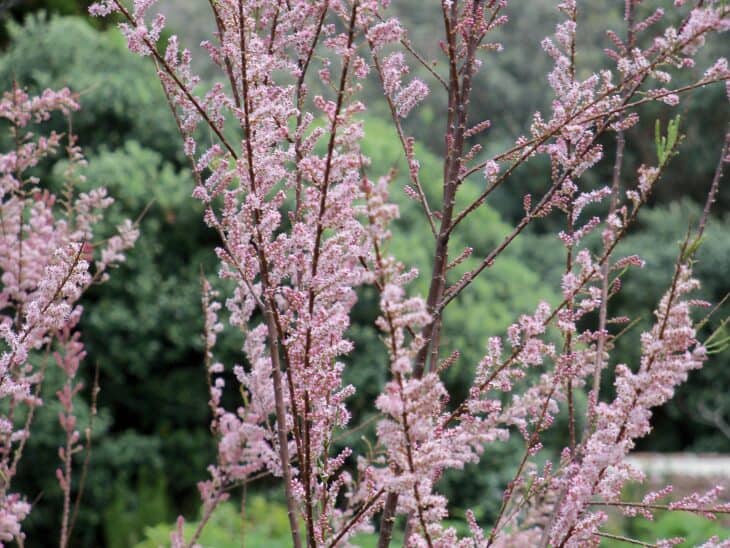
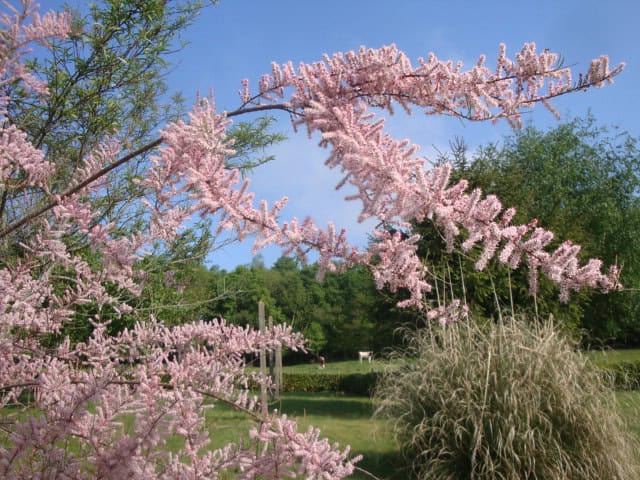
- Produces feathery sprays of pink to white flowers.
- Spreads by abundant tiny seeds and by resprouting from roots or stems.
- Prefers full sun and is drought tolerant once established.
- Can increase soil surface salinity and alter local fire and water regimes.
- Used historically as an ornamental and windbreak though many species are now invasive.
Tamarisk, commonly called salt cedar, is a group of deciduous shrubs and small trees people notice because they tolerate salty dry soils, flower with feathery pink to white sprays and often spread aggressively in dry riparian and disturbed sites. Gardeners and land managers ask whether to plant it for windbreak or remove it as an invasive.
Identification
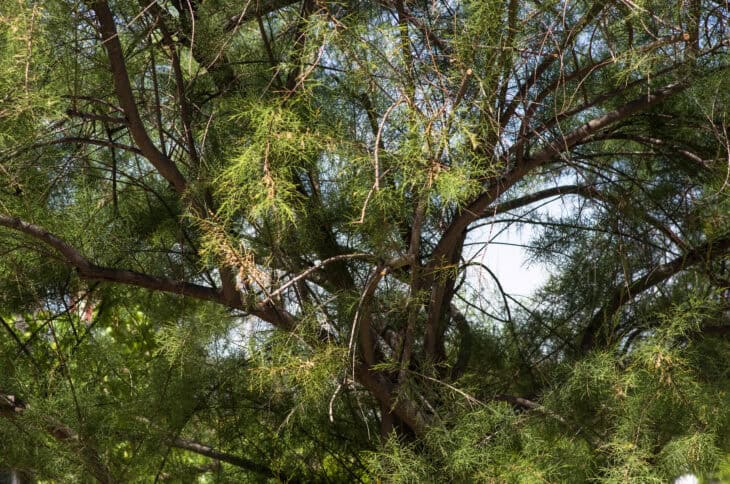
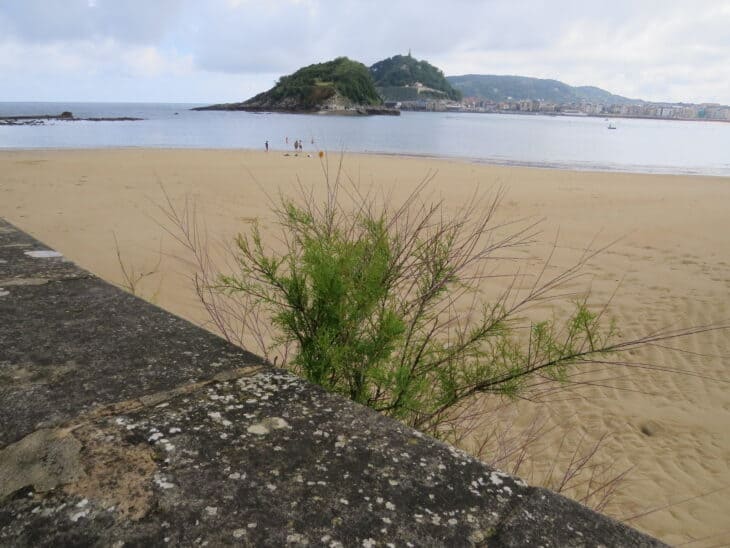
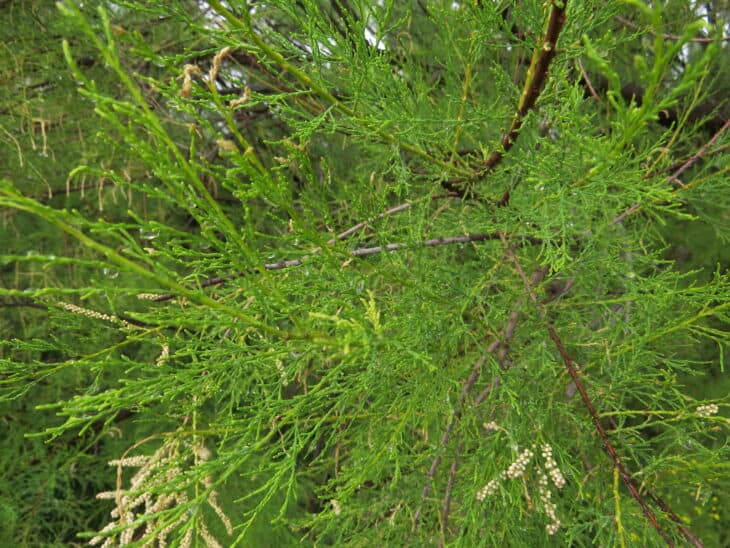
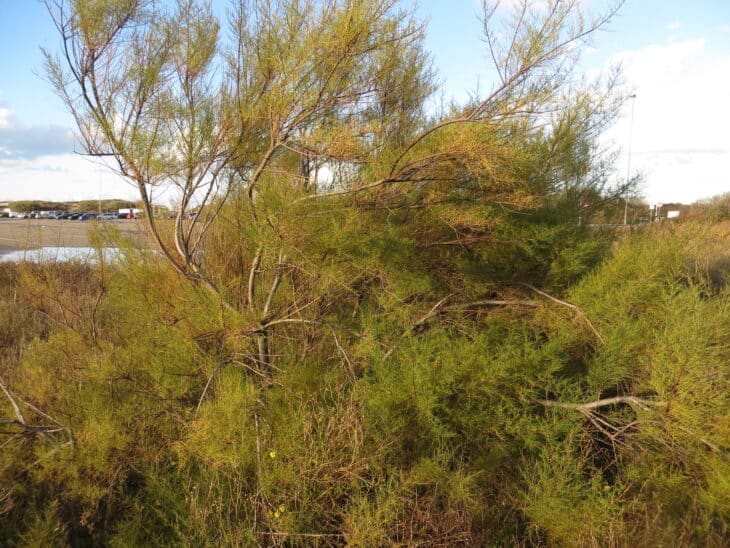
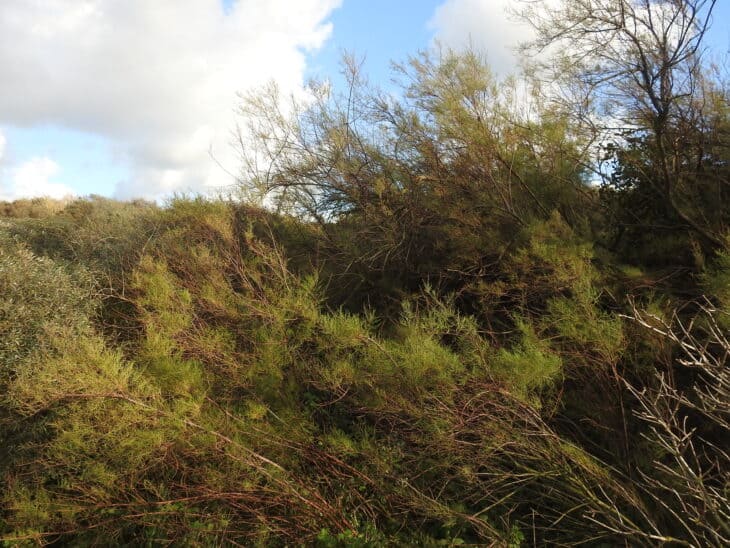
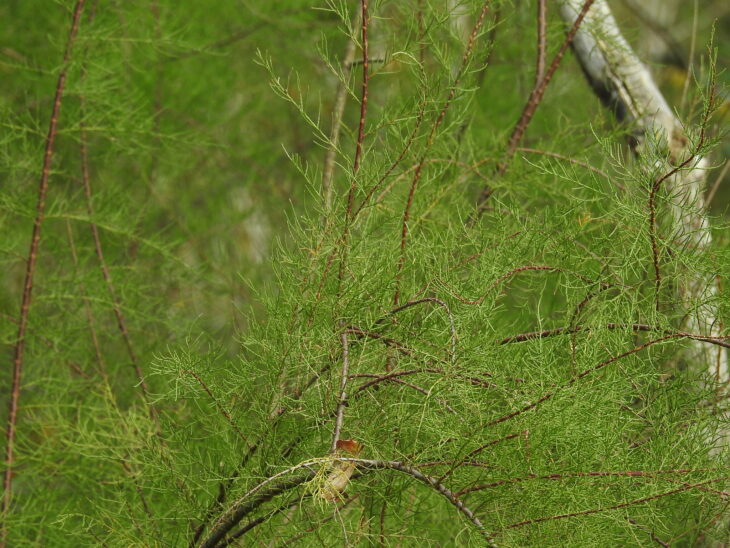
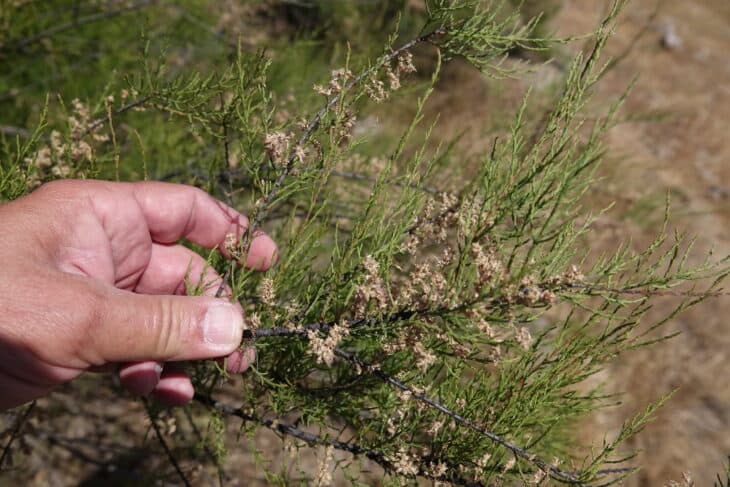
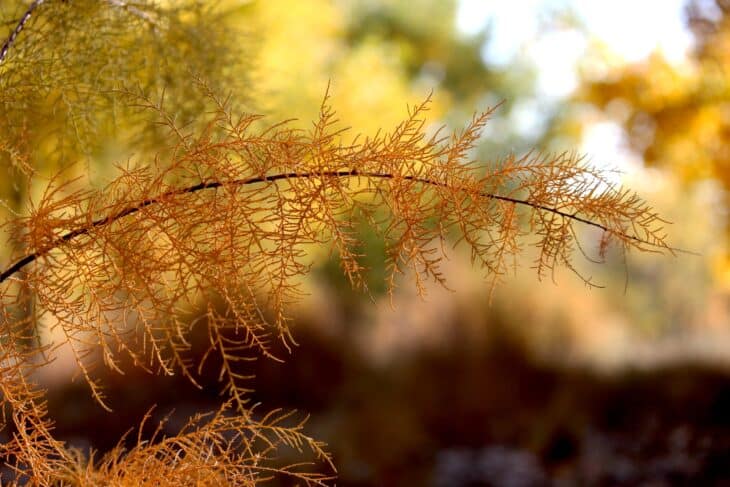
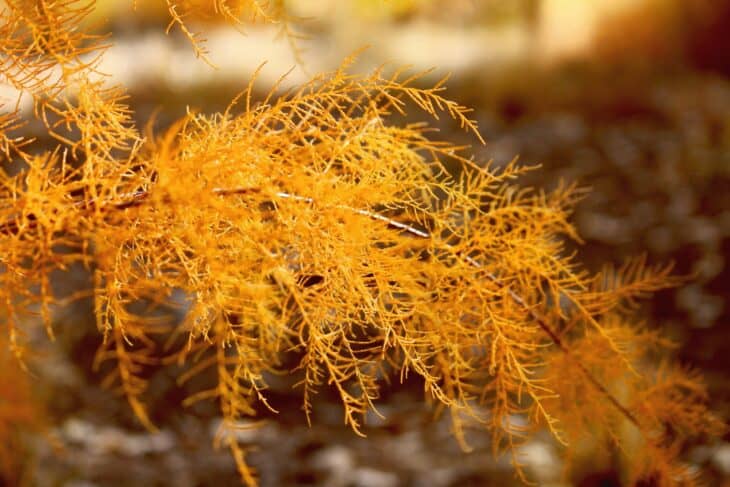
Tamarisk are multi stemmed shrubs or small trees with fine, almost feathery foliage and dense sprays of small pink to white flowers. Typical plants range roughly 3 to 20 feet tall with spreads commonly from 3 to 15 feet depending on species and site. They produce very small seeds in large numbers and resprout readily from roots and cut stems.
Where to grow and best uses
These plants tolerate saline and alkaline soils and do well in full sun. They establish on dry to seasonally wet sites and tolerate occasional flooding. Historically some species were used as ornamentals and windbreaks but many Tamarix species are now regarded as invasive in areas outside their native range. Because they change soil surface salinity and can alter local water and fire regimes they are not recommended for restoration plantings where native vegetation is a priority.
Planting and seasonal timing
Planting time and performance vary by species and climate. Use local extension guidance for the best planting season in your area. Where seeds are a concern avoid creating bare moist seedbeds next to natural waterways because seeds recruit readily in those conditions.
Watering and establishment
Tamarisk is drought tolerant once established and prefers full sun. Young plants and seedlings need regular moisture to root and establish. Wild seedlings and seedbeds require moist bare substrate to germinate so managing soil exposure and moisture can reduce new recruitment.
After‑flowering care
Prune for shape or to remove flowered shoots but expect vigorous resprouting from stumps and roots. Regular monitoring after cutting is necessary because plants can regrow from rootstock and reestablish quickly if fragments or root crowns remain.
Spread and control
Tamarisk spreads both by abundant tiny wind and water dispersed seeds and by vegetative resprouting. This combination makes control challenging. In many regions effective control requires removing the entire rootstock, preventing seed production and follow up to catch resprouts. Check local invasive species authorities for recommended mechanical and chemical control methods and any legal requirements before attempting removal.
Frequently asked questions
- How fast does Tamarisk grow?
- Growth rate varies by species and site. In sunny, wet or disturbed riparian sites plants can establish and form dense stands quickly from seedlings and resprouts.
- Tamarisk indoors vs outdoors?
- Tamarisk is an outdoor shrub or small tree. It prefers full sun and is drought tolerant once established so it is not suited to typical indoor conditions.
- Is Tamarisk invasive?
- Yes many Tamarix species are considered invasive outside their native range, especially in arid riparian zones. They can alter soil salinity and local water and fire regimes.
- Can Tamarisk harm other plants or infrastructure?
- Tamarisk can outcompete native plants and change soil conditions near the surface. Because it resprouts and forms dense thickets it can reduce space available for other vegetation. Consult local experts about risks to banks or structures in your area.
- How do I stop it from coming back after removal?
- Successful control usually requires removing rootstock, preventing seeds from setting and repeated follow up to remove resprouts. Follow local management guidance for legal and effective methods.
Gallery
Related Plants

Mentioned In (1)
Plants
16 Plants That Look Like Feathers
The plants that look most like feathers are ornamental grasses with soft, plume-like flower heads, such as feather reed grass,…