
Key Facts
- Genus of woody shrubs and small trees native to Australia.
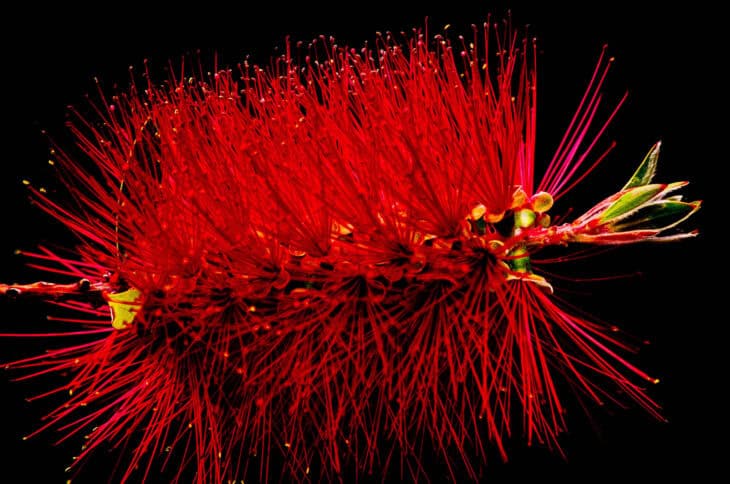
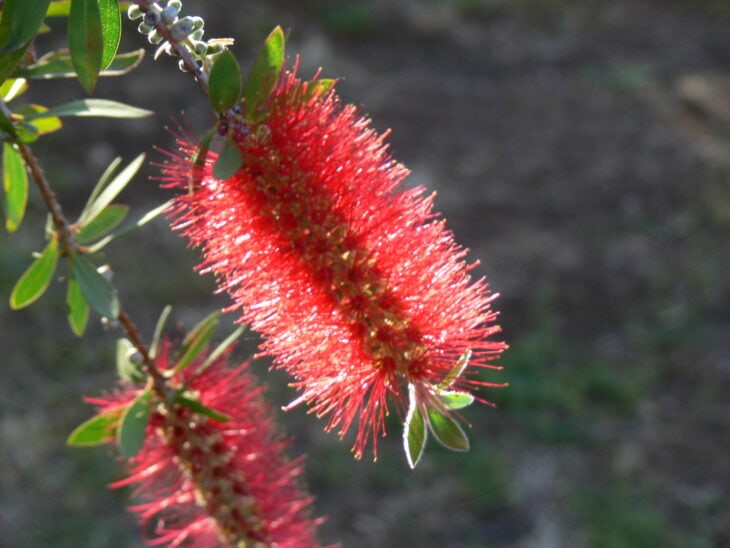
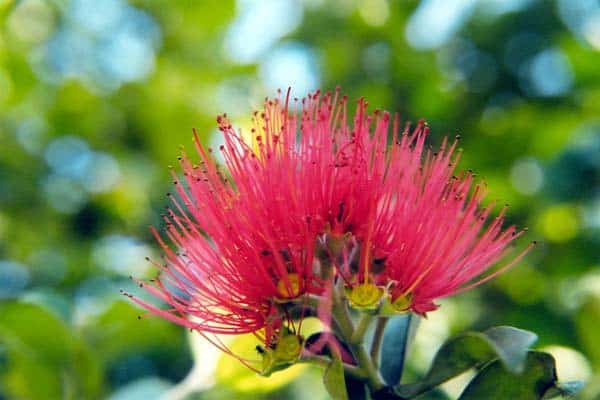
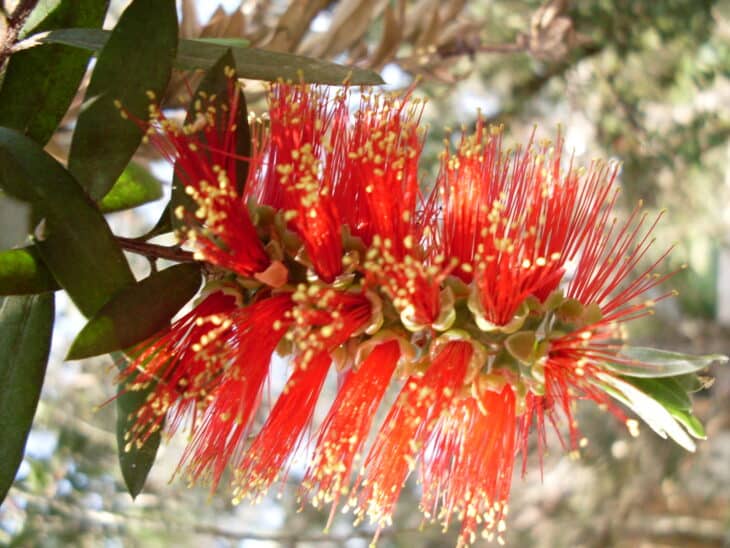
- Showy brushlike flower spikes that attract bees and hummingbirds.
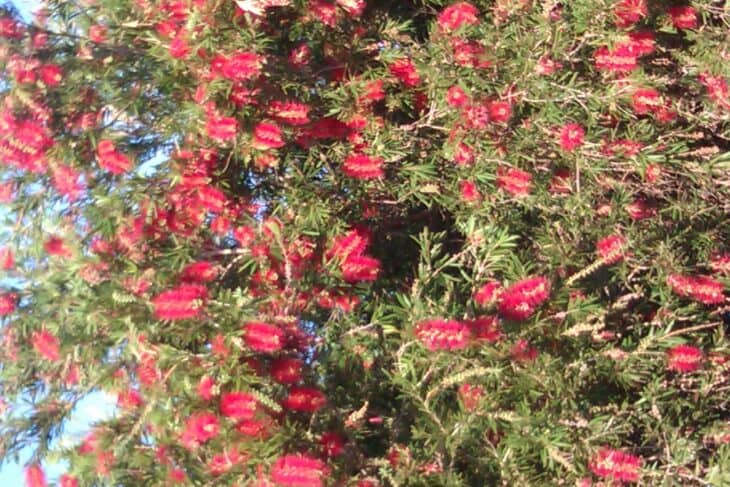
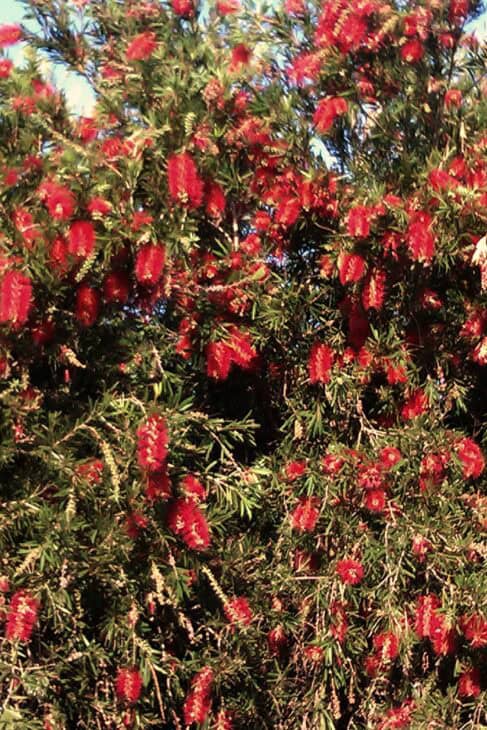
- Commonly used as hedges screens and specimen plants.
- Prefers well drained soils and does not tolerate persistent waterlogging.
- Usually grown in full sun for best flowering.
- Can be pruned after flowering to maintain shape and encourage new growth.
- Propagated from seed or semi hardwood cuttings.
- Some taxa have been reclassified into the genus Melaleuca in modern botanical treatments.
Bottlebrush (Callistemon spp.) is grown for its bright, brush shaped flowers and wildlife value. Gardeners need to know whether it is suitable for hedges screens or containers and for tips on planting pruning and watering in different climates.
Identification
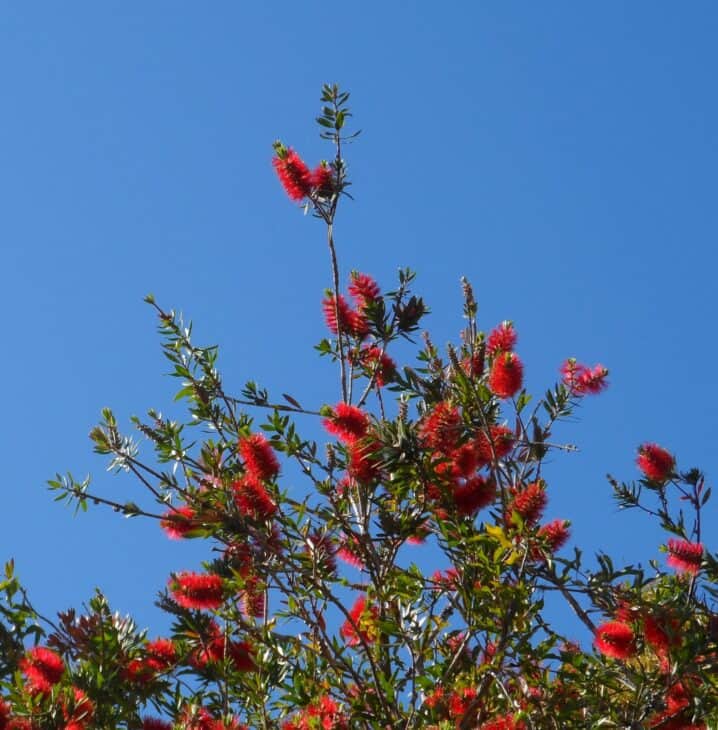
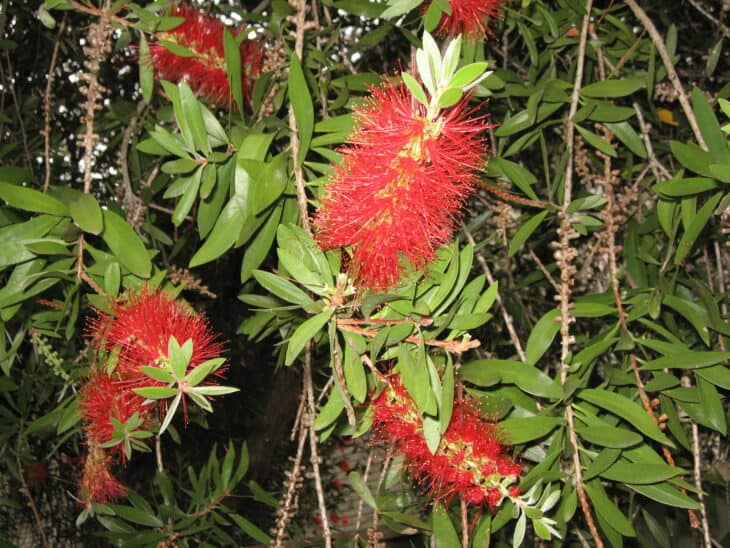
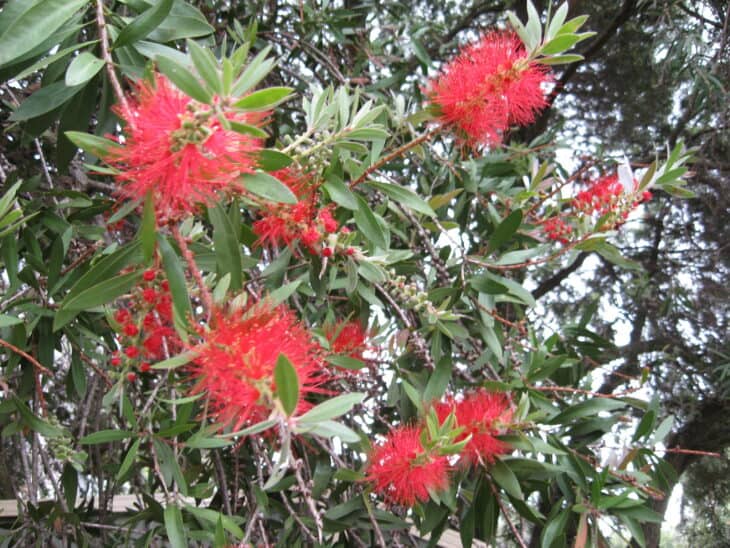
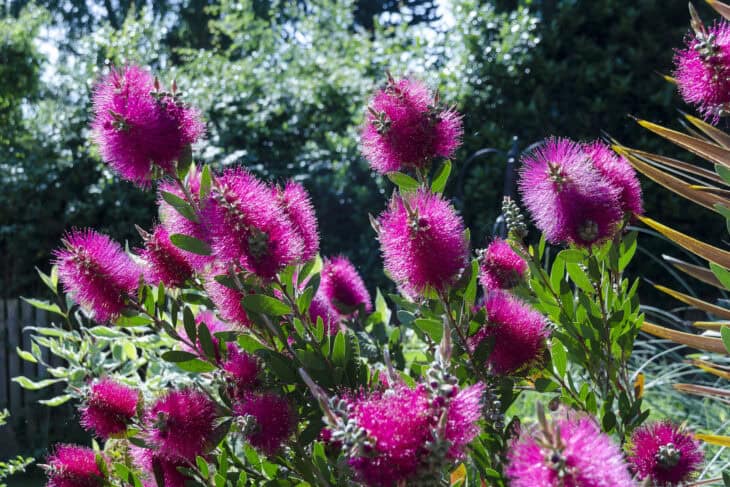
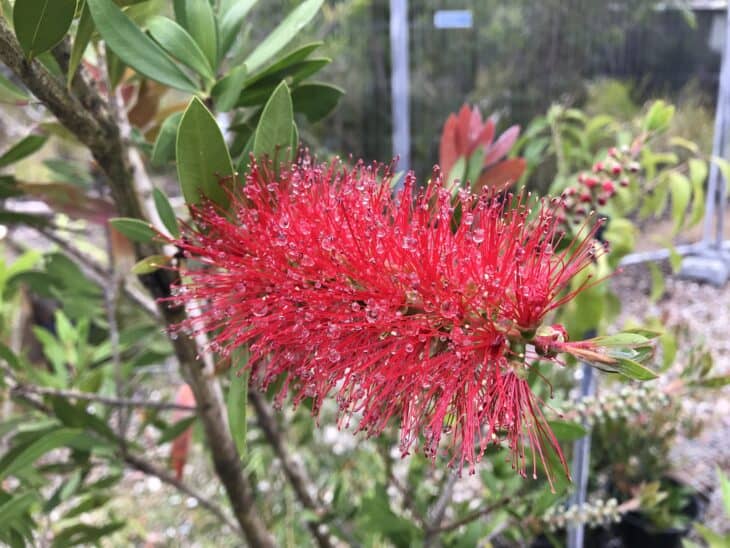
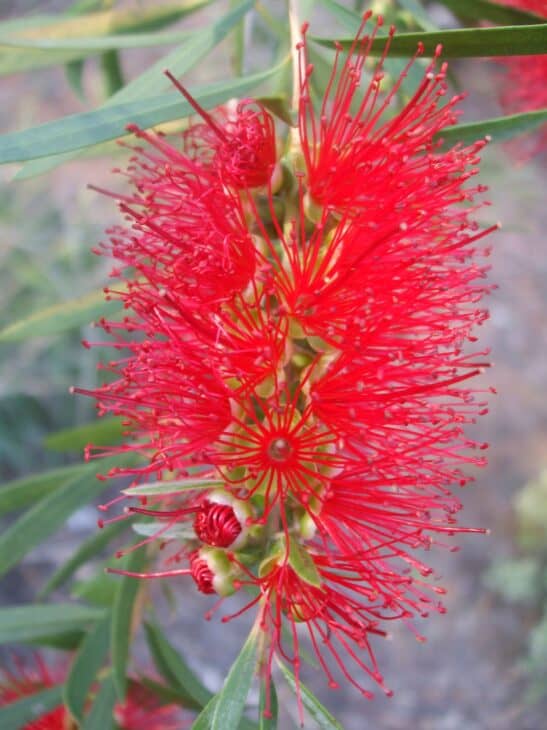
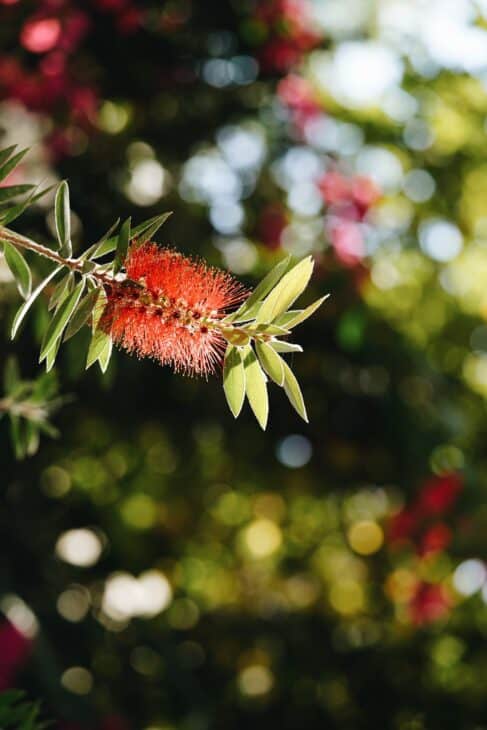
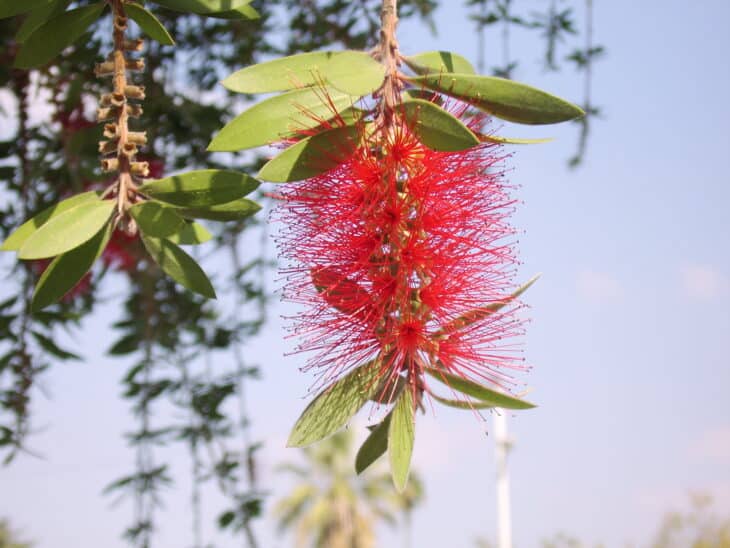
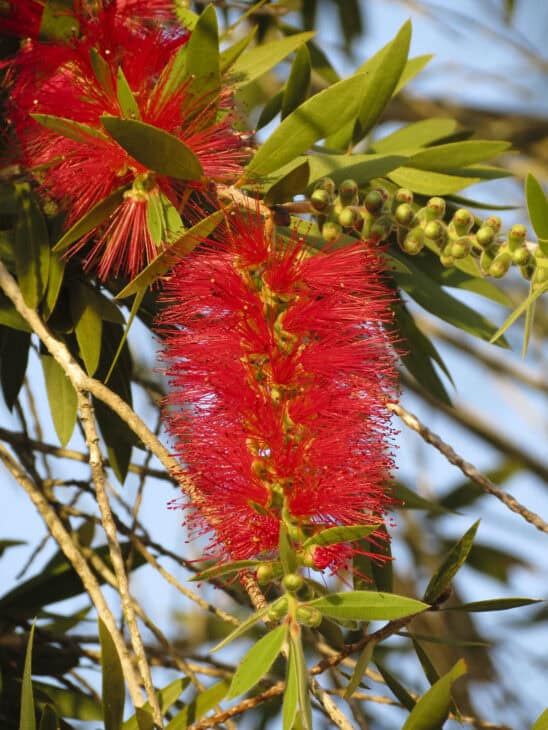
Bottlebrush is a genus of woody shrubs and small trees native to Australia. Plants are known for upright cylindrical flower spikes that look like a bottle brush and attract bees and hummingbirds. Size and habit vary by species from compact shrubs to small trees.
Where to grow Bottlebrush and best uses
Plant bottlebrush in locations with full sun for best flowering. Common landscape uses include hedges screens and specimen plants. They perform well in warm temperate and subtropical gardens where soil drains freely.
Hardiness and size
Many cultivated Callistemon are typically grown in USDA zones 8 to 11 but hardiness varies by species and cultivar. Typical mature heights range widely often about 3 to 15 feet and spreads commonly about 3 to 12 feet depending on species and pruning.
Soil light and watering
Bottlebrush prefers well drained soils from sandy to loamy and dislikes persistent waterlogging. In poorly drained sites roots can decline and plants show stress or dieback. Give plants regular water during establishment but avoid standing water. Full sun produces the best flowering; some light shade reduces bloom.
Planting and seasonal timing
Flowering time varies by species and climate but many types bloom in spring and may flower again in summer or after mild winters. Planting schedules depend on your local climate. Choose a planting date that allows roots to establish before extreme heat or cold.
Pruning and after flowering care
Prune after flowering to maintain shape and encourage new growth. Light heading back keeps hedges tidy while harder pruning should be avoided on old wood because some types do not resprout well from old stems. Remove dead wood and thin crowded branches to improve air flow.
Propagation
Propagate by seed or by semi hardwood cuttings. Seed-grown plants may vary from the parent whereas cuttings taken after flowering generally produce true to type material.
Spread and naturalizing control
Some bottlebrush shrubs can form a rounded or spreading habit. Control spread with routine pruning and remove unwanted suckers or seedlings. If you are in a region outside the native range check local guidance about naturalizing tendencies before planting.
Frequently asked questions
- How fast does Bottlebrush grow?
- Growth rate varies by species site and care. Many garden forms reach their mature size over several years and respond to pruning; expect variation rather than a single growth rate.
- Bottlebrush indoors vs outdoors?
- They are generally grown outdoors where they get full sun. Bottlebrush is not commonly used as a long term houseplant because it needs high light and space to develop.
- Are Bottlebrush plants invasive?
- They are not widely listed among major invasive plants in standard references but behavior varies by species and region. Check local invasive species lists before planting.
- Are Bottlebrush plants toxic to pets?
- No major toxic effects are widely reported in standard horticultural references but comprehensive poison listings are limited. Verify safety for specific species or exposures with local poison control or the ASPCA.
- How do I prune Bottlebrush?
- Prune lightly after flowering to shape and encourage new shoots. Avoid cutting back into old wood on types that do not resprout well from old stems.
Sources and notes
Selected references and further reading
Notes: Callistemon taxonomy is unsettled in places with some species treated under Melaleuca by modern authorities. Hardiness bloom timing and other details vary by species and cultivar so confirm specifics with a local extension service or nursery.
Gallery
Related Plants


Mentioned In (2)
Plants
15 Plants That Look Like Feathers
Texture plants play an integral role in creating a beautiful, well-balanced garden. Combining complementary and contrasting landscape elements and plants…

Trees
89 Best Flowering Trees for Florida Gardens
If you are always on the lookout for elegant and vivid flowering trees in Florida, you would be happy to…