
Key Facts
- Herbaceous perennial with feathery plume like flower clusters.
- Large bipinnate foliage forms an upright clump.
- Flowers appear in late spring to early summer.
- Prefers consistently moist humus rich soil.
- Performs best in part shade to full shade.
- Typically grown in cool temperate gardens.
- Propagate by division or seed.
- Valued for vertical texture in shade borders.
Goat’s Beard is a tall shade perennial prized for feathery white flower panicles and bold fern like foliage.
Identification
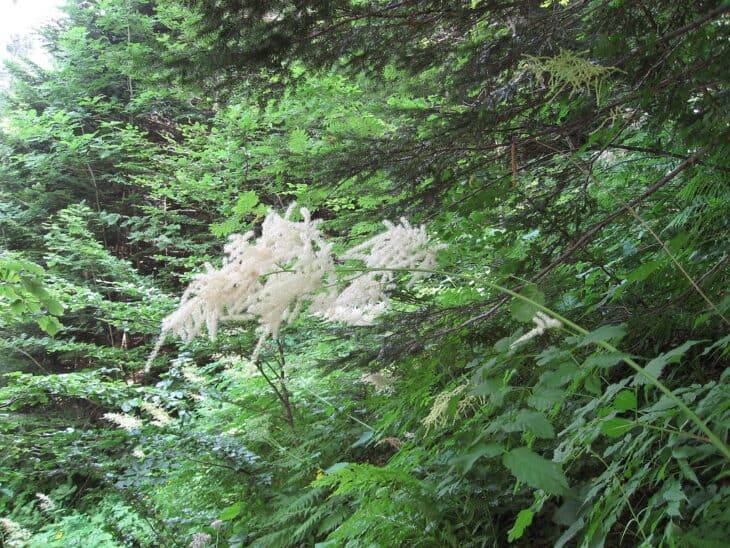
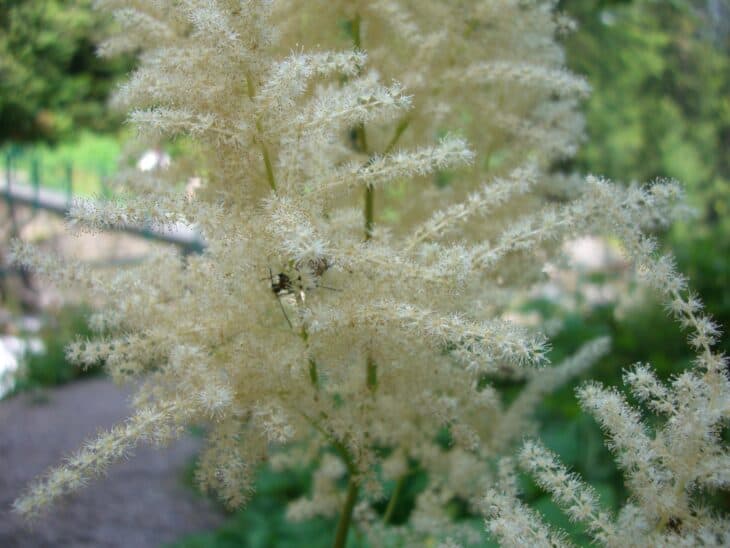
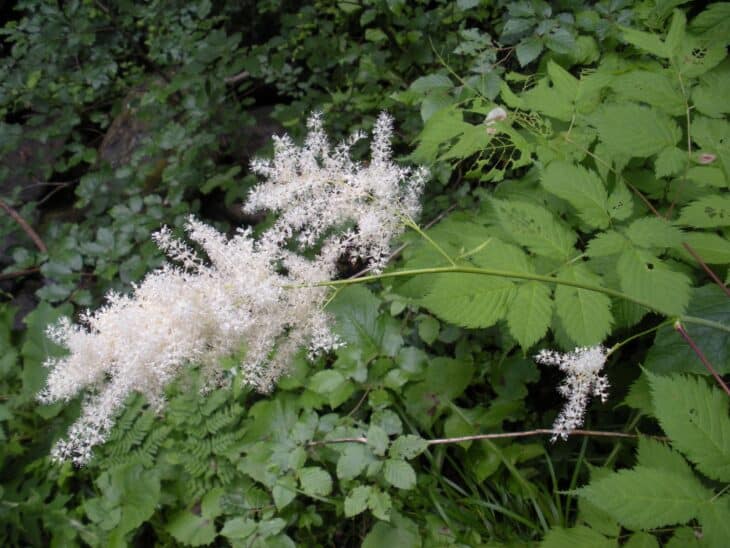
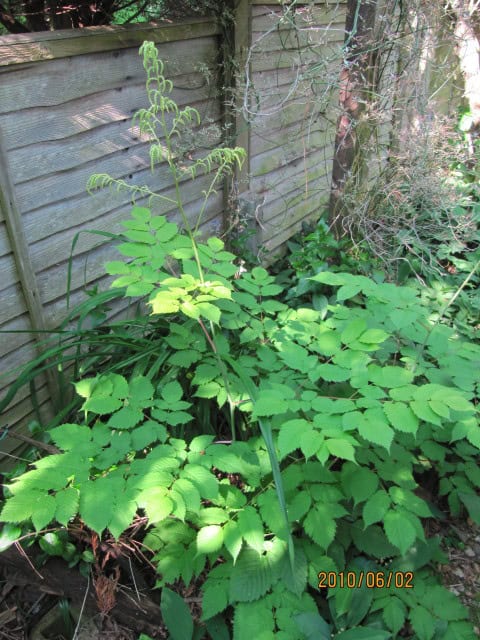
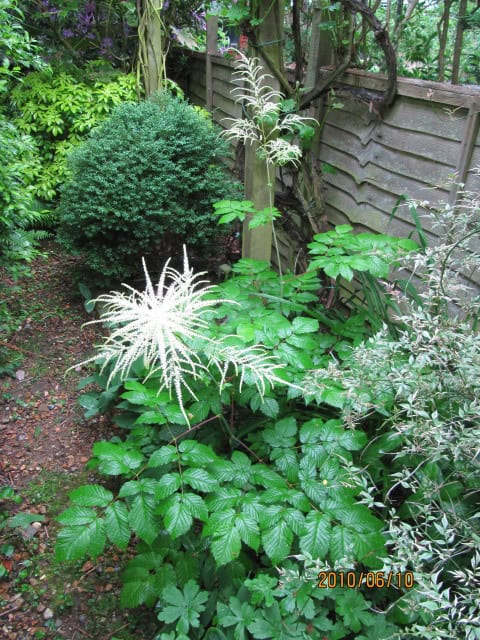
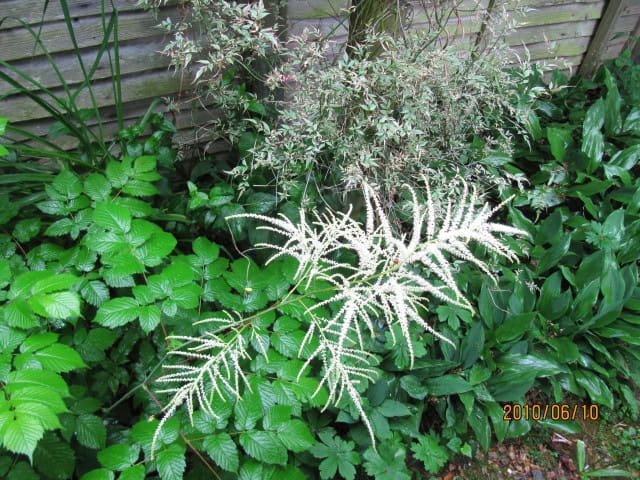
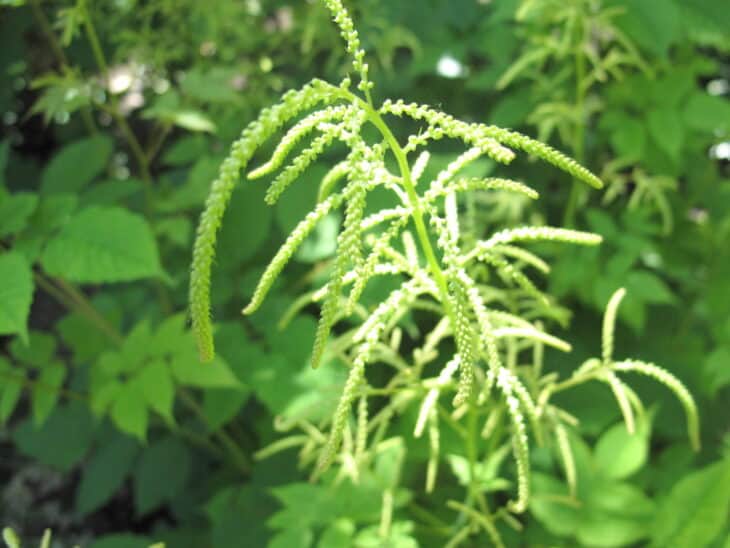
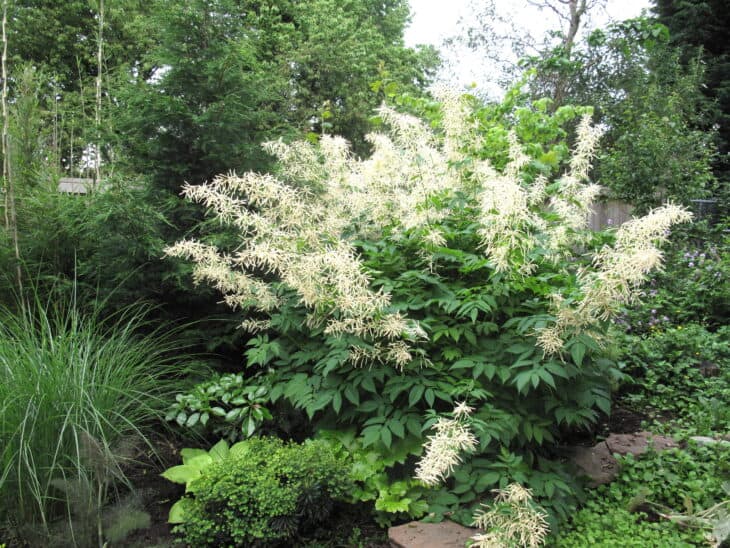
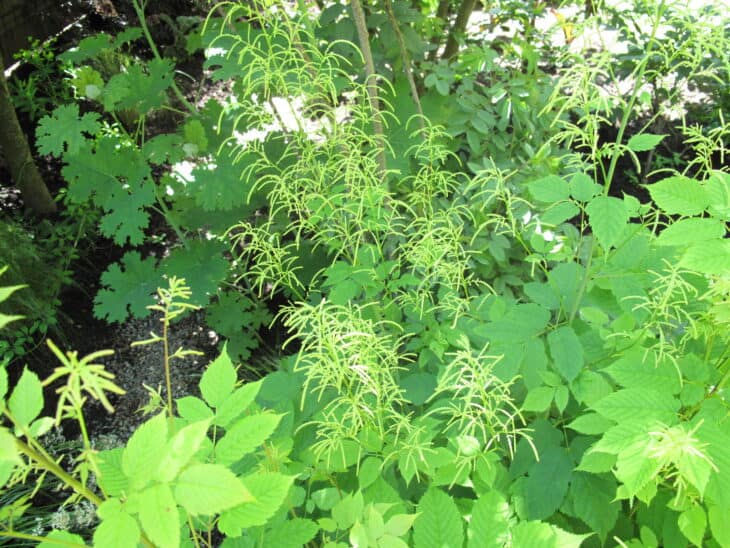
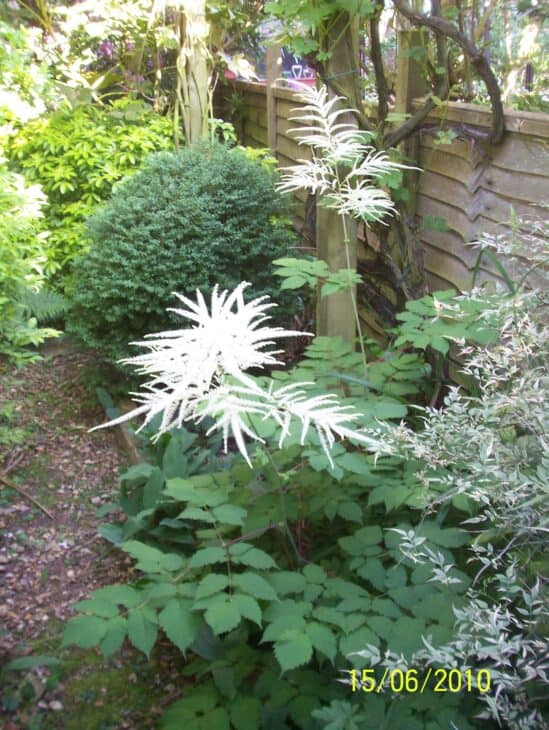
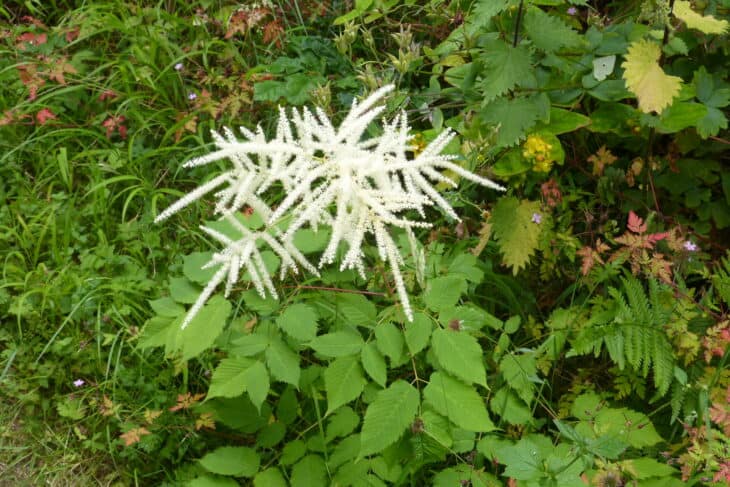
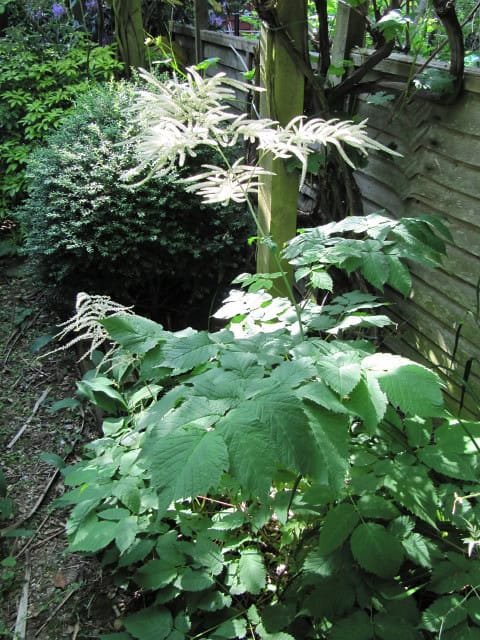
Aruncus dioicus is a clump forming herbaceous perennial with large bipinnate leaves and feathery plume like flower clusters. Plants typically reach about 3 to 6 feet tall and form clumps roughly 3 to 4 feet across. Flowering occurs in late spring to early summer and shows as airy white panicles above the foliage.
Where to grow Goat’s Beard
Grow Goat’s Beard in part shade to full shade where soils stay cool and moist. It is valued for vertical texture in shade borders and woodland style plantings. It performs best in cool temperate gardens and is generally listed as hardy from USDA zones 3 to 7 depending on source.
Soil and watering
Plant in moist humus rich, well drained soil. The plant tolerates heavier soils but dislikes prolonged drought. In dry soils foliage will suffer and flowering will decline. In poorly drained sites root health can be compromised.
Planting time and spacing
Space plants about 3 to 4 feet apart to match their mature clump size. Divide and plant crowns in spring or autumn. Seed can also be used but seedlings may take several years to reach flowering size.
After flowering and maintenance
Remove spent flower panicles to tidy the bed. Divide older clumps every few years to rejuvenate plants and to control how much the stand expands. Division also helps maintain strong flowering.
Propagation
Propagate by division in spring or fall. Seed propagation is common but slow to reach mature size. Some clones can be propagated by root cuttings or basal offsets.
Containers and indoor use
Goat’s Beard is typically grown outdoors. Its mature height and preference for consistently moist, cool soils make it uncommon as an indoor houseplant. It may be grown in a very large container outdoors where moisture and shade can be maintained.
Frequently asked questions
- How fast does Goat’s Beard grow?
- Plants form clumps and grow to their mature height in a few seasons. Clumps expand slowly by crowns and are best managed by dividing every few years.
- When does Goat’s Beard bloom?
- It blooms in late spring to early summer. Exact timing varies with climate and local conditions.
- How should I water Goat’s Beard?
- Keep soil consistently moist and rich in organic matter. Allowing the soil to dry out reduces foliage quality and flowering. Avoid long periods of waterlogging.
- How do I propagate Goat’s Beard?
- Divide clumps in spring or autumn. Plants can also be grown from seed and in some cases from root cuttings.
- Is Goat’s Beard toxic?
- Authoritative toxicity listings for this species are limited. Check with local poison control or a veterinarian for definitive guidance before assuming it is safe around pets or children.
Gallery
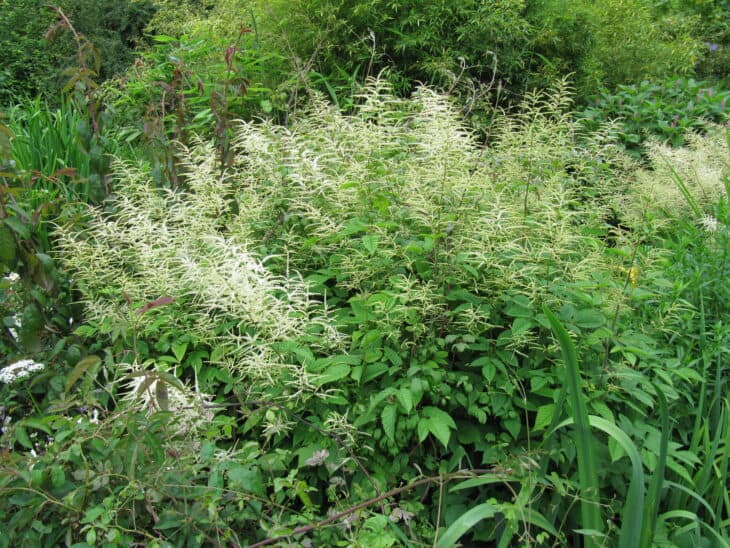
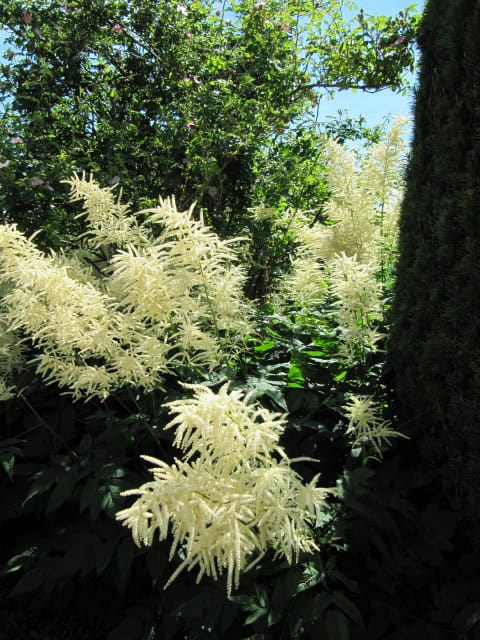
Related Plants


Mentioned In (2)
Plants
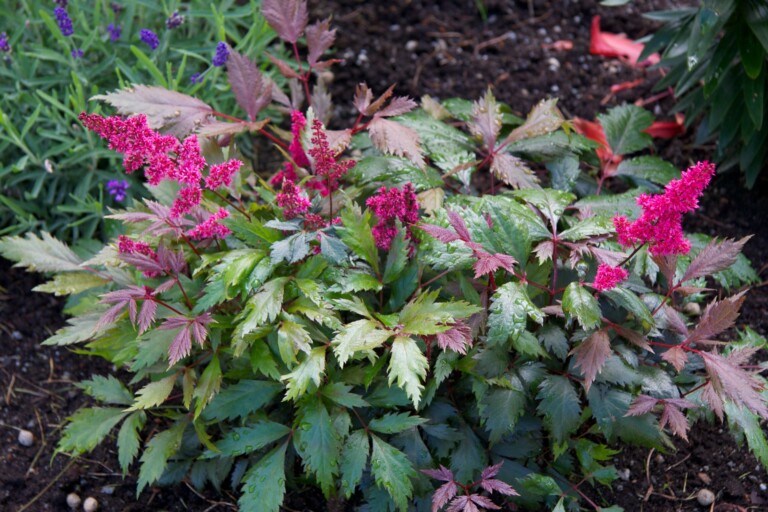
5 Plants That Look Like Astilbe
Astilbe plants are popular for their large plumes of flowers that could fill your garden with color from early spring…
Plants
15 Plants That Look Like Feathers
Texture plants play an integral role in creating a beautiful, well-balanced garden. Combining complementary and contrasting landscape elements and plants…