
Key Facts
- Commonly grown as a houseplant for its patterned foliage.
- Native to tropical Brazil.
- Prefers bright indirect light and high humidity.
- Typically reaches about 12–24 in (30–60 cm) tall and similar in spread.
- Usually propagated by division rather than seed.
- Rarely flowers when grown indoors.
- Considered non toxic to cats and dogs by major pet poison authorities.
The Peacock Plant is grown for its bold, patterned leaves but can be fussy about light, moisture and humidity. This guide helps you decide whether to keep it as a houseplant or try it outdoors in warm, humid climates and covers practical care steps.
Identification
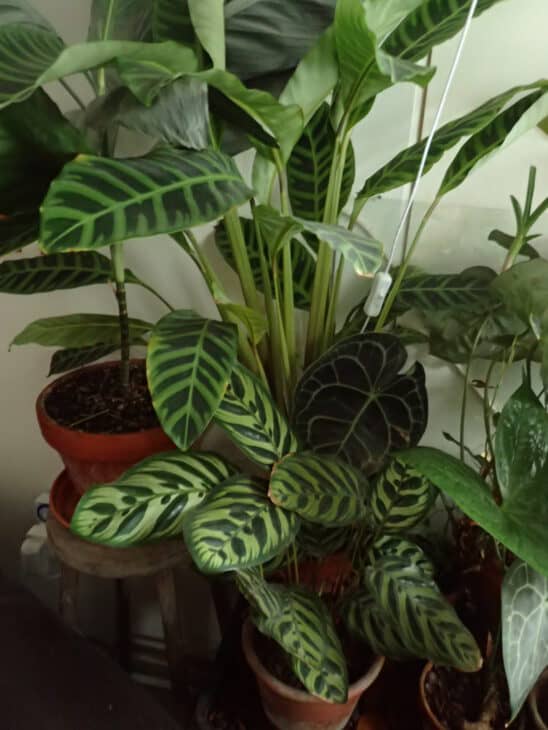
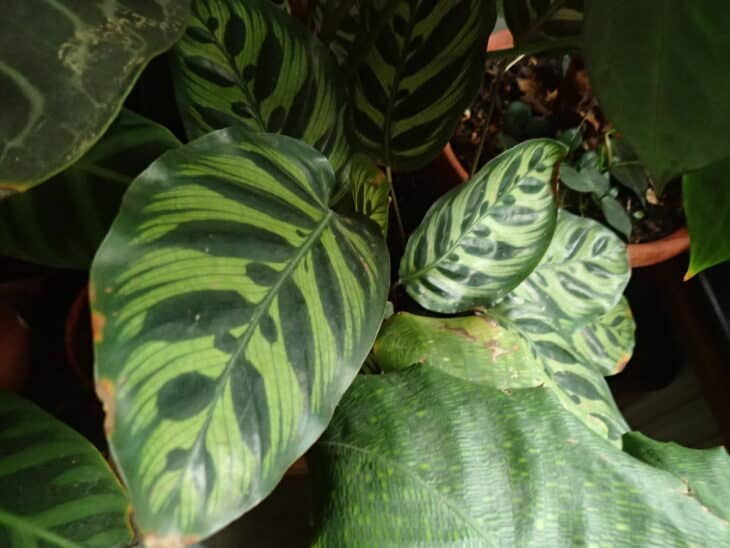
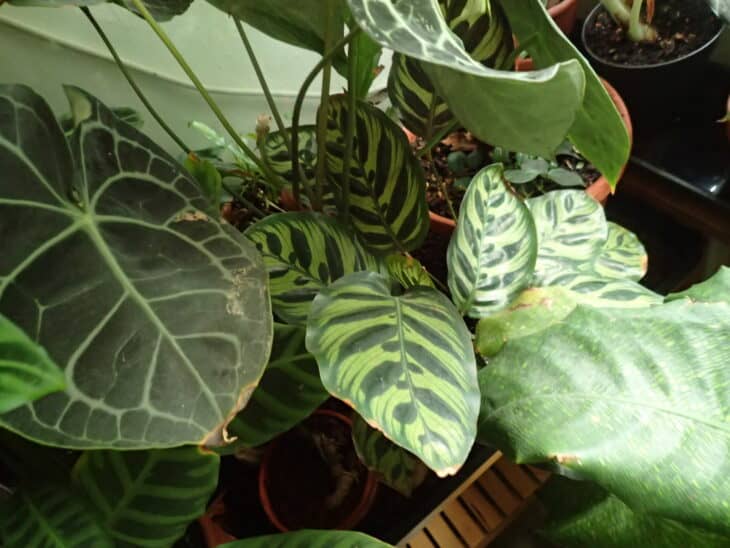
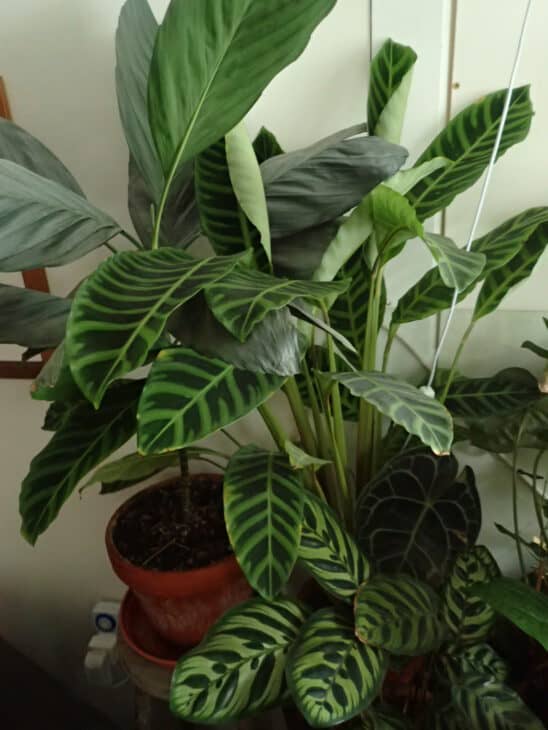
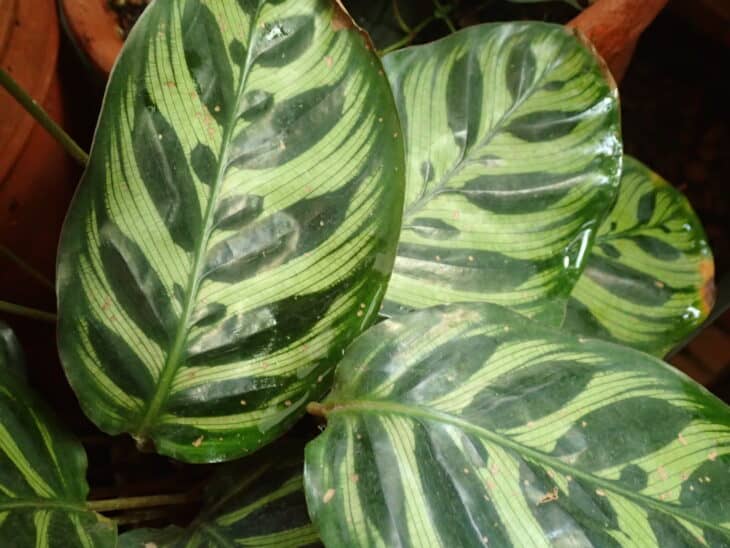
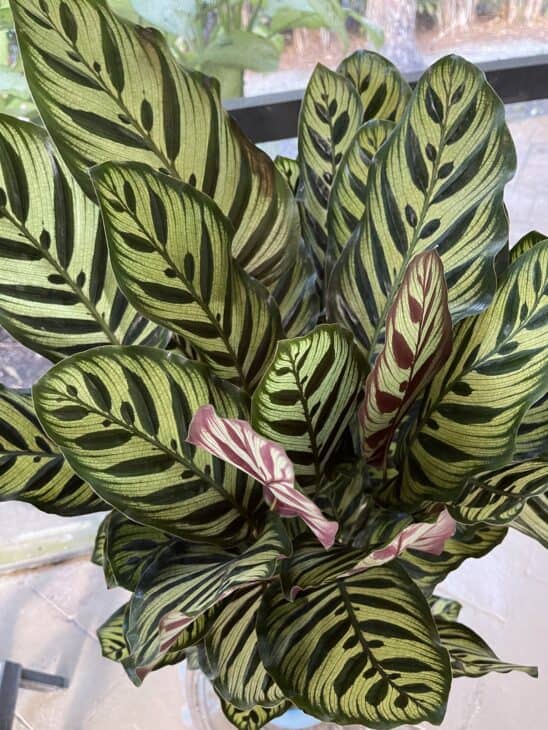
Common name Peacock Plant. Latin name Calathea makoyana. Some sources list the species under the name Goeppertia makoyana. The plant is valued for round to oval leaves patterned with darker markings and a paler underside.
Size and habit
Under typical indoor conditions the plant forms a compact clump about 12 to 24 inches tall and a similar width. It stays relatively contained when grown in a pot.
Where to grow and best uses
Native to tropical Brazil, the Peacock Plant is most often grown as an indoor ornamental. In warm humid climates it can be used as a shaded understory or patio plant. Treat it as a tender species outdoors and only plant outside where winters are reliably mild. USDA zone guidance commonly given is 10 to 11 for protected, humid outdoor sites; in cooler regions keep it as a houseplant.
Light and placement
Place the plant in bright indirect light. It tolerates lower light but the leaf pattern and color will fade. Avoid direct midday sun which can scorch the leaves.
Soil and watering
Use a rich potting mix that drains freely yet holds moisture. Keep the soil evenly moist but never waterlogged. Poor drainage invites root rot while allowing the mix to dry fully can cause leaf edges to brown.
Humidity and temperature
High humidity helps the foliage look its best. Expect poorer leaf quality in dry, heated interiors. Protect the plant from cold drafts and temperatures below what is typical for tender tropicals.
Propagation and pot care
Division of the root clump is the reliable method for propagation and preserves cultivar traits. Divide when repotting in spring or early in the growing season. In a container the plant will remain a compact clump so repot only when roots become crowded.
Pests and common problems
Leaf browning or crispy edges usually point to low humidity or underwatering. Soft, yellowing foliage and a foul smell from the soil indicate overwatering and poor drainage. Check for scale, spider mites and mealybugs if foliage looks damaged or sticky.
Frequently asked questions
- How fast does Peacock Plant grow?
- The plant grows at a modest pace, forming a clump over a few seasons rather than spreading rapidly.
- Grow Peacock Plant indoors or outdoors?
- Indoors it makes a decorative houseplant where humidity and light can be controlled. Outdoors it is suitable only in warm humid sites and shaded locations and is treated as a tender plant in USDA zones 10 to 11.
- Is Peacock Plant safe for pets?
- Major pet poison authorities list Calathea species as non toxic to cats and dogs. Products used on the plant such as fertilizers or pesticides may still be hazardous.
- What is the best way to propagate Peacock Plant?
- Propagate by dividing the root clump. Division is usually done when repotting in the active growing season.
- Will the Peacock Plant flower indoors?
- It is grown primarily for foliage and flowering is uncommon in cultivation, so do not count on flowers for indoor interest.
Notes: The Latin name has been updated to Goeppertia makoyana in some sources. Hardiness and flowering behavior vary by climate and are best confirmed with local observations. Most care guidance here applies to container houseplant culture.
Gallery
Related Plants


Mentioned In (2)

Plants
6 Plants That Look Like Prayer Plants
Prayer plants earn their common name from their distinctive leaf movement: the leaf blades fold upward along the midrib at…
Plants
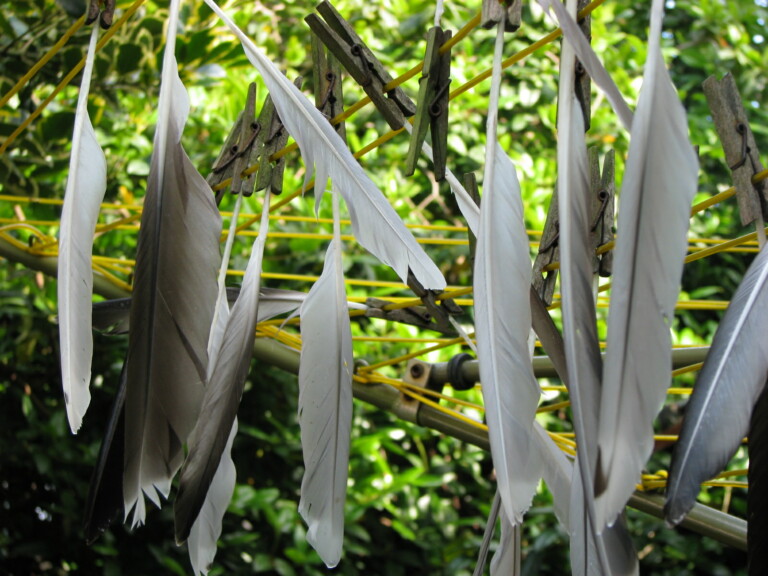
15 Plants That Look Like Feathers
Texture plants play an integral role in creating a beautiful, well-balanced garden. Combining complementary and contrasting landscape elements and plants…