
Key Facts
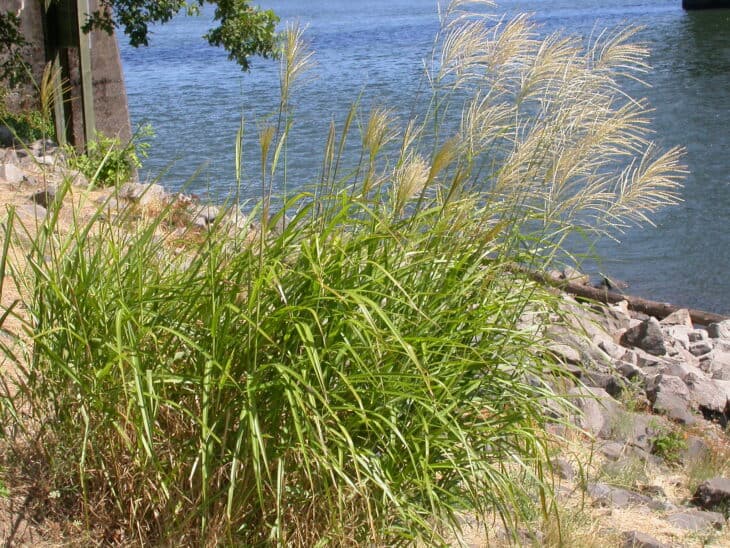
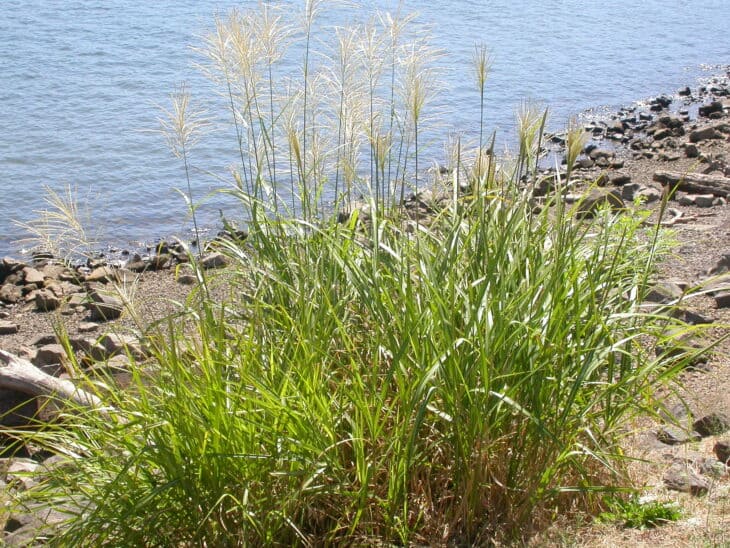
- Clump forming warm season ornamental grass.
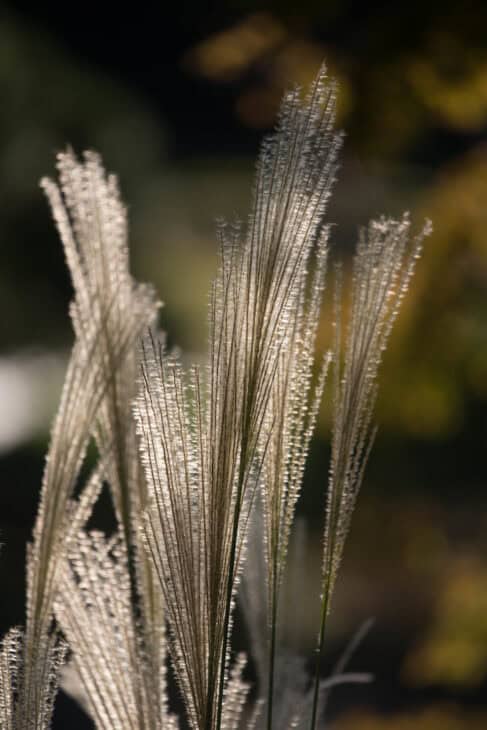
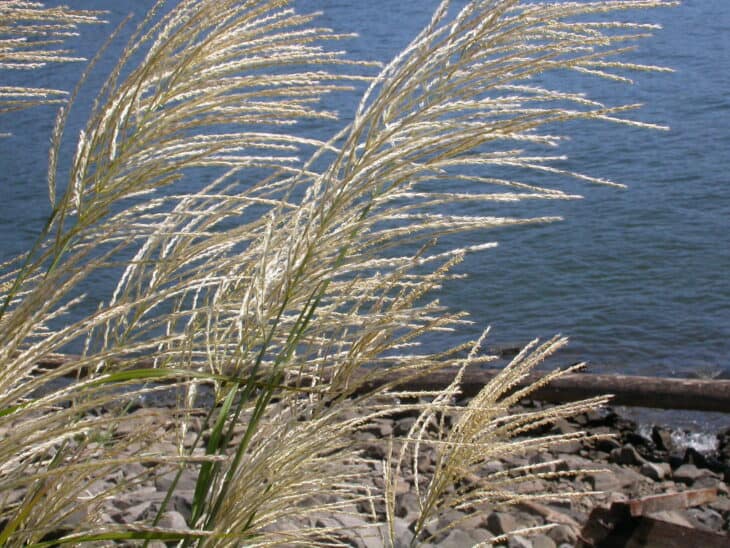
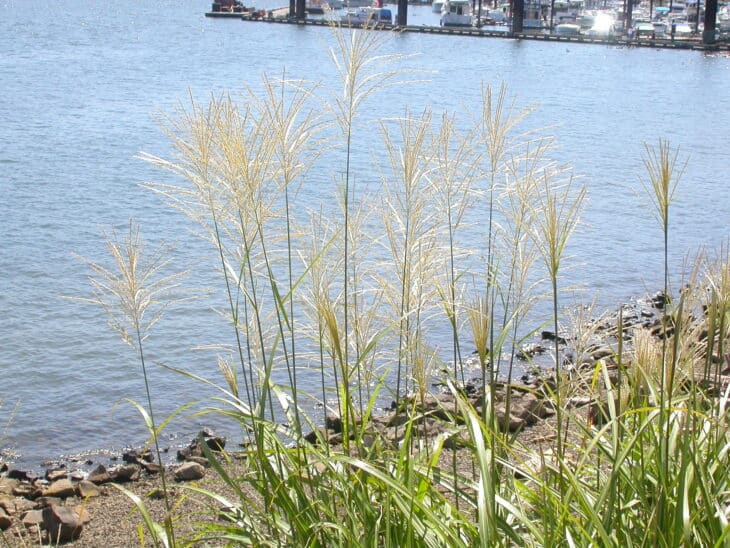
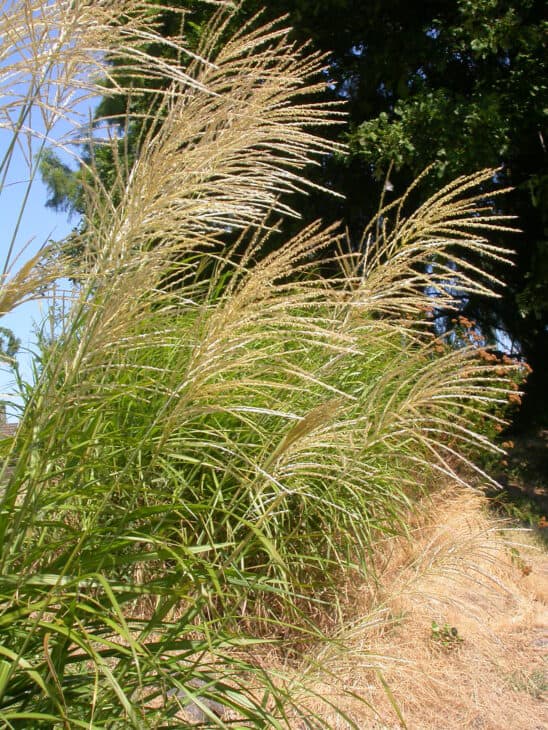
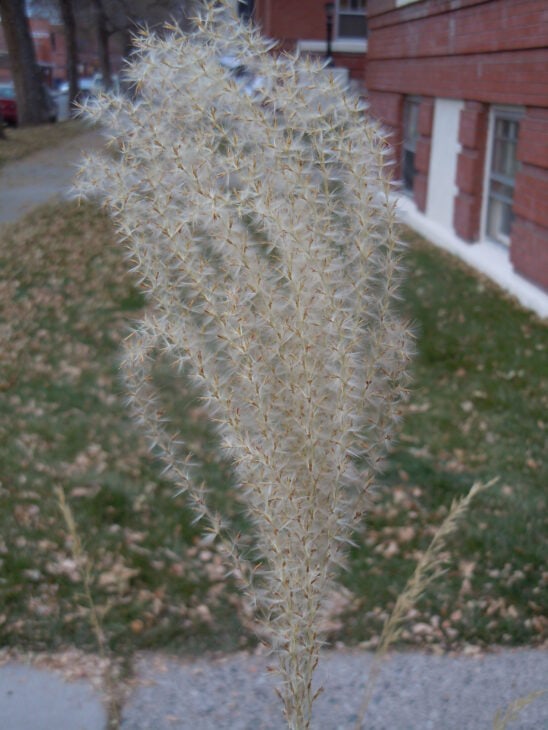
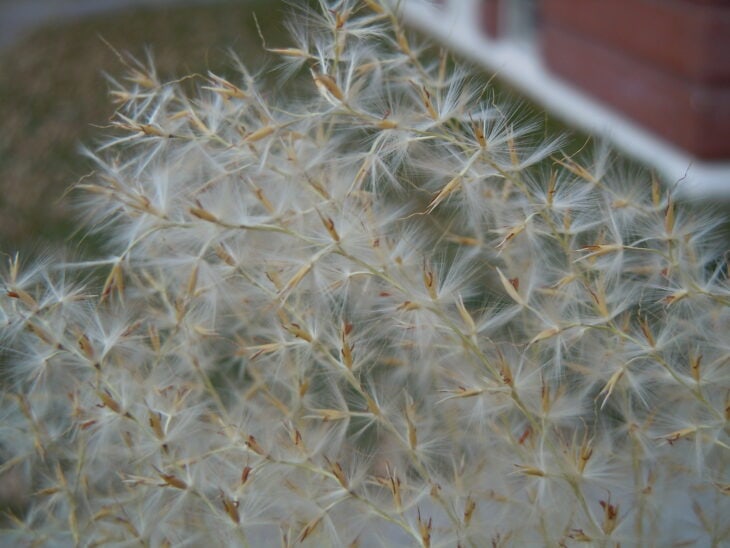
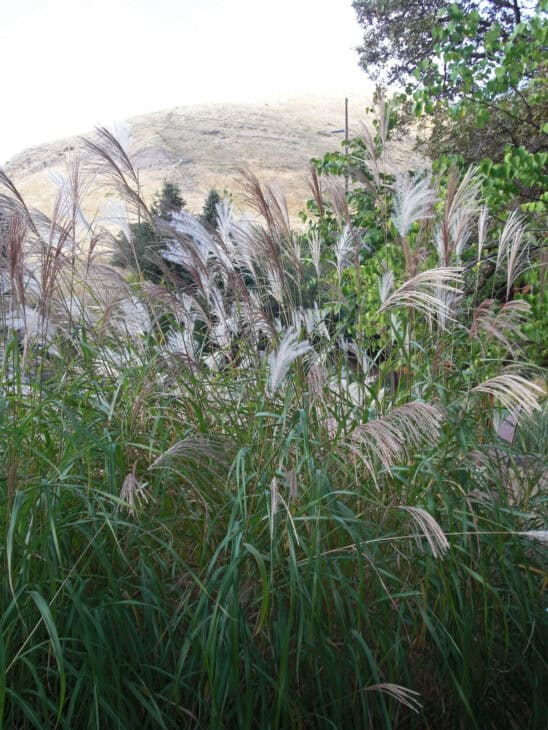
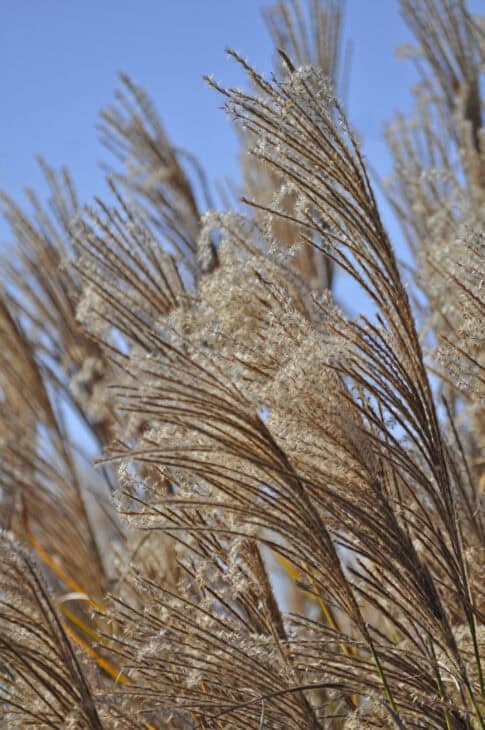
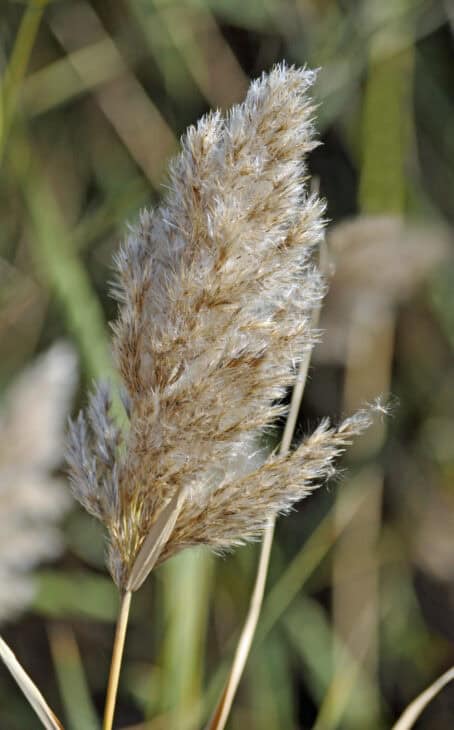
- Arching foliage with feathery plumed flower heads in late summer to fall.
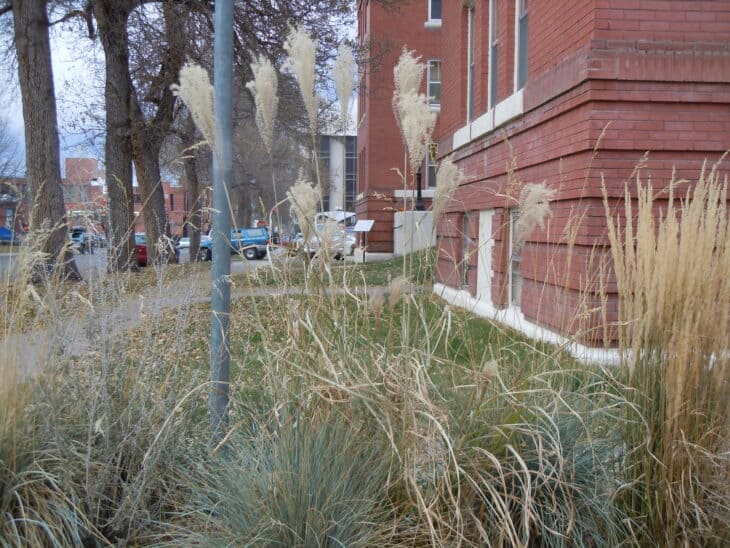
- Popular for screens, specimen planting, and massing.
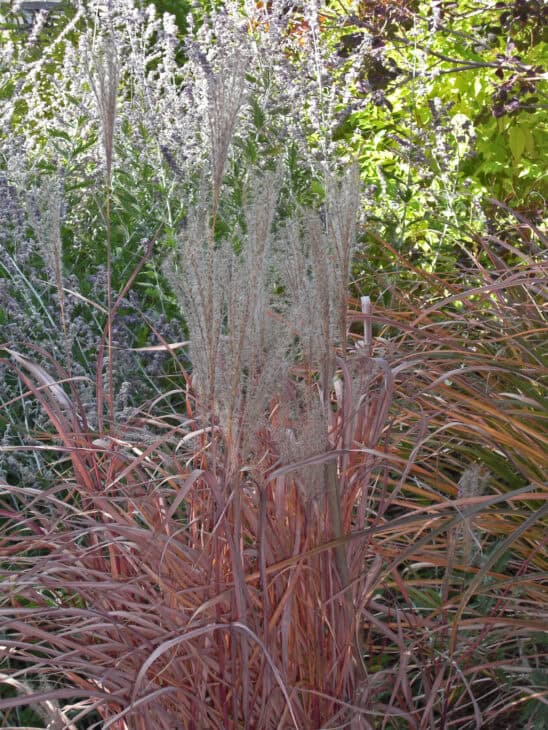
- Cultivars vary widely in height and leaf color or variegation.
- Prefers full sun for best flowering and foliage color.
- Tolerates a wide range of soils when well drained.
- Propagate by division for true to type plants or by seed for variable offspring.
- May self seed or spread in favorable climates so check local escape risk.
Maiden Grass is a striking ornamental grass prized for arching leaves and feathery plumes. Gardeners search for identification tips, whether it will self seed or become invasive and whether it suits containers or an outdoor border.
Identification
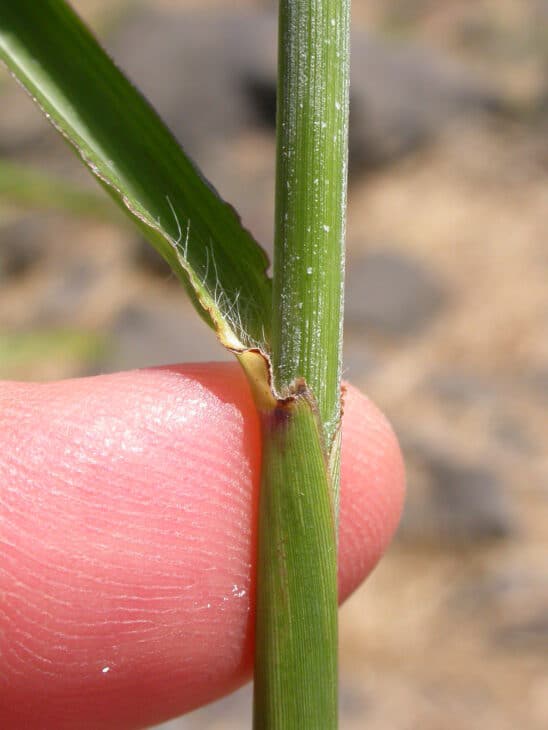
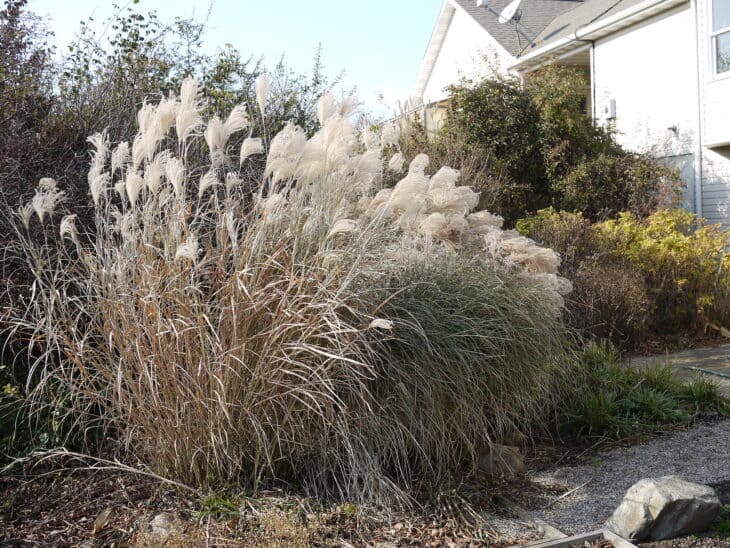
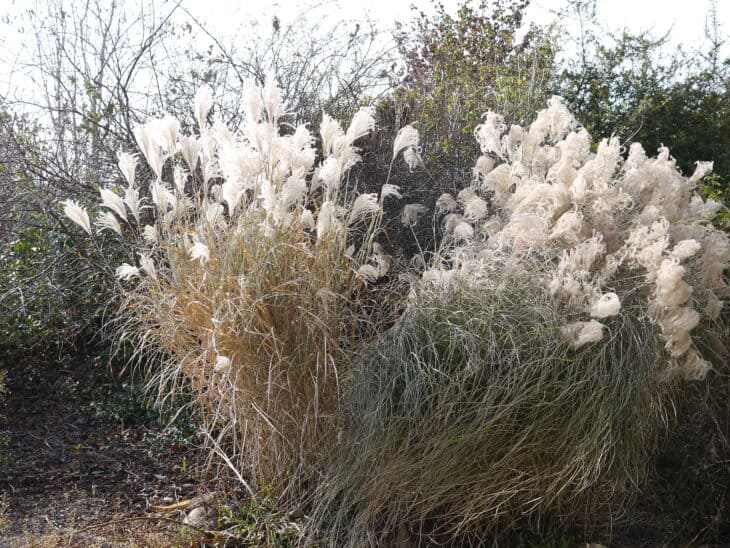
Miscanthus sinensis forms clumps of arching foliage that produce feathery plumed flower heads in late summer into fall. Cultivars vary widely in height and leaf color or variegation so look for the overall clumping habit and the narrow, arching leaves with tall flowering stems.
Where to grow and best uses
Plant in full sun for best flowering and foliage color. Maiden Grass is commonly used as a screen, a specimen plant and for massing in mixed borders. It suits temperate gardens and thrives in beds where a tall, textural element is wanted.
Hardiness, size and bloom timing
Hardiness varies by cultivar but is generally USDA zones 4 to 9. Typical mature height is about 3 to 8 feet and clumps commonly spread 3 to 6 feet across as they age. Flowering usually occurs in late summer to fall, roughly August to October in the Northern Hemisphere though timing varies with climate and cultivar.
Soil, light and watering
Choose a moist fertile, well drained site. Maiden Grass tolerates a range of soils including clay and sand but plants in poorly drained ground often show weaker growth and may decline. In full sun the plant produces the best form and most plumes. Light afternoon shade is tolerated but deep shade will make plants leggy.
Planting time, depth and spacing
Divide and plant in spring to establish new clumps and preserve cultivar traits. Allow for mature spread when siting plants. A spacing that reflects a 3 to 6 foot mature clump helps avoid overcrowding and reduces competition with nearby plants.
Propagation
Divide clumps in spring to produce plants true to the parent cultivar. Seed will produce variable offspring and is used in breeding or when variation is acceptable.
Spread control and naturalizing
Some plants may self seed or spread in favorable climates. Check local invasive species lists before planting. To reduce escape risk remove or cut off flower heads before seeds mature and monitor surrounding beds for volunteers. Division and removal of unwanted shoots helps keep clumps in check.
Maiden Grass indoors vs outdoors
This species is typically grown outdoors. It prefers full sun and enough space to reach several feet tall and wide. Indoor culture is generally not recommended because of light and size requirements.
Frequently asked questions
- How fast does Maiden Grass grow?
- Growth rate varies by cultivar and site conditions. Many types reach their mature height within a single growing season once established.
- Is Maiden Grass invasive?
- Invasiveness varies regionally. Some reports note self seeding or spread in parts of the US. Check state or local invasive species lists for guidance.
- When does Maiden Grass bloom?
- It typically blooms in late summer into fall, often August to October in the Northern Hemisphere, but timing depends on climate and cultivar.
- How do I propagate Maiden Grass?
- Divide clumps in spring for true to type plants. Seed can be used but offspring are often variable.
- Can I grow Maiden Grass in containers?
- Smaller cultivars may be grown in large containers but most types perform best planted in the ground where they have room to form a 3 to 6 foot clump.
Gallery
Related Plants


Mentioned In (1)
Plants
15 Plants That Look Like Feathers
Texture plants play an integral role in creating a beautiful, well-balanced garden. Combining complementary and contrasting landscape elements and plants…