
Key Facts
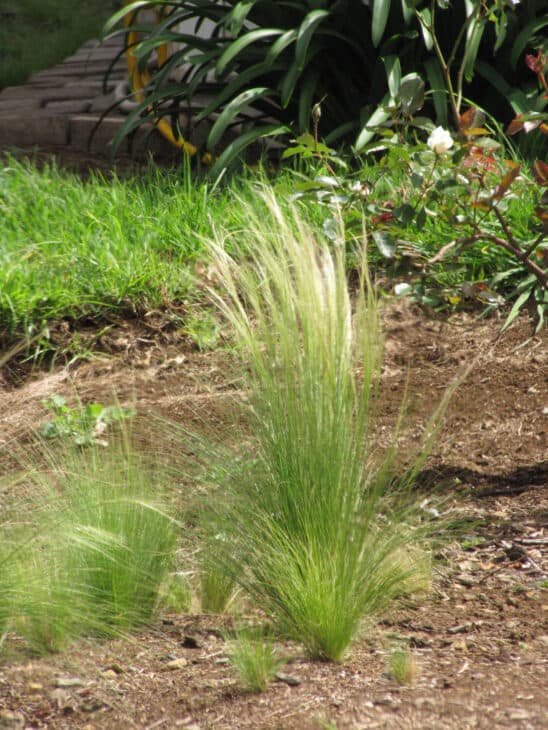
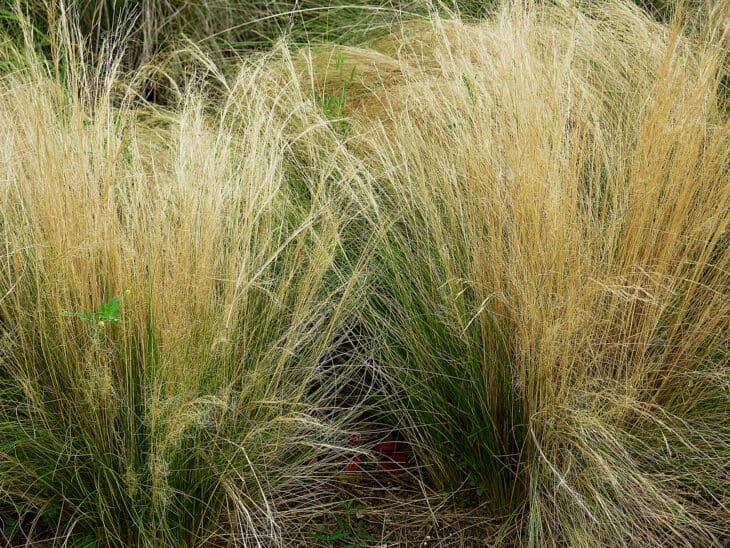
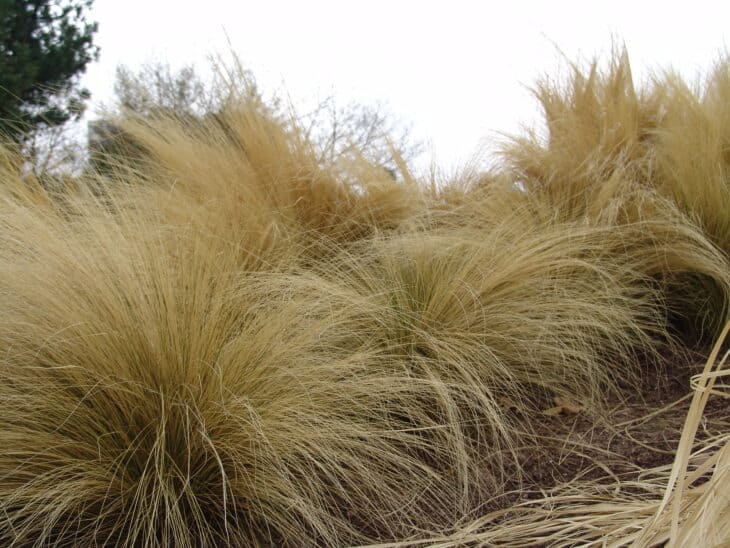
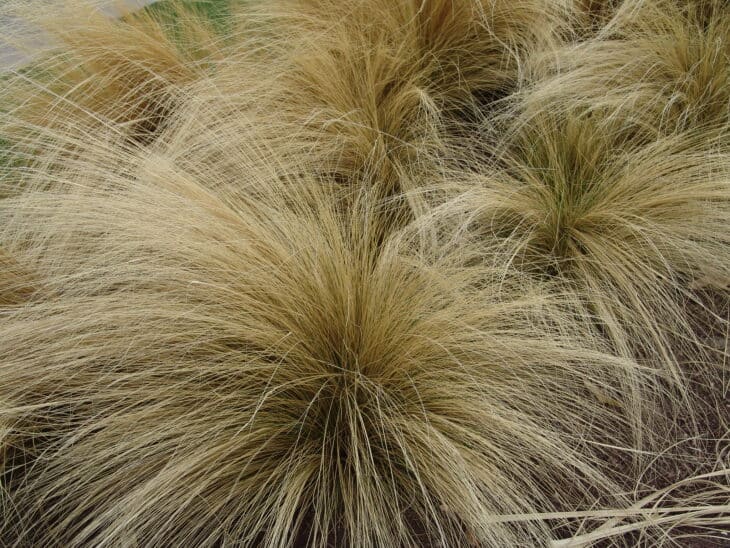
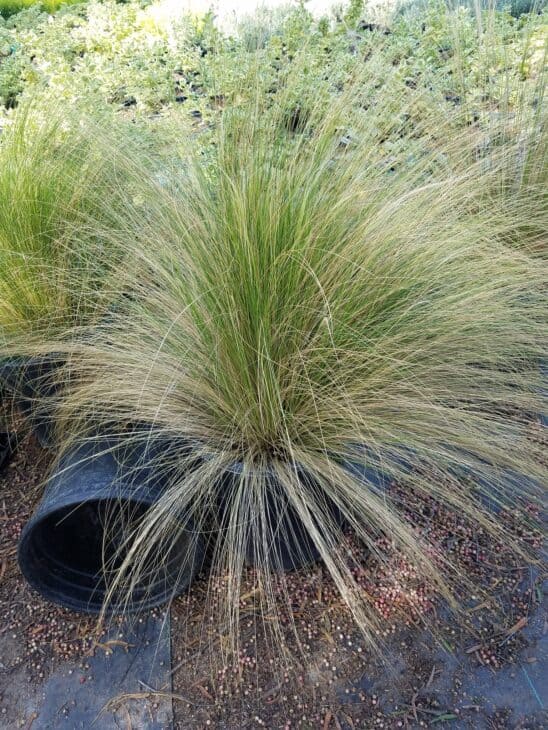
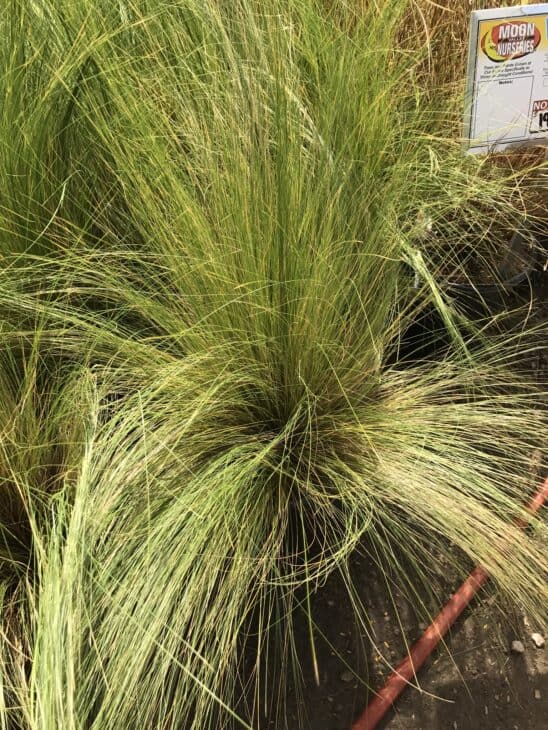
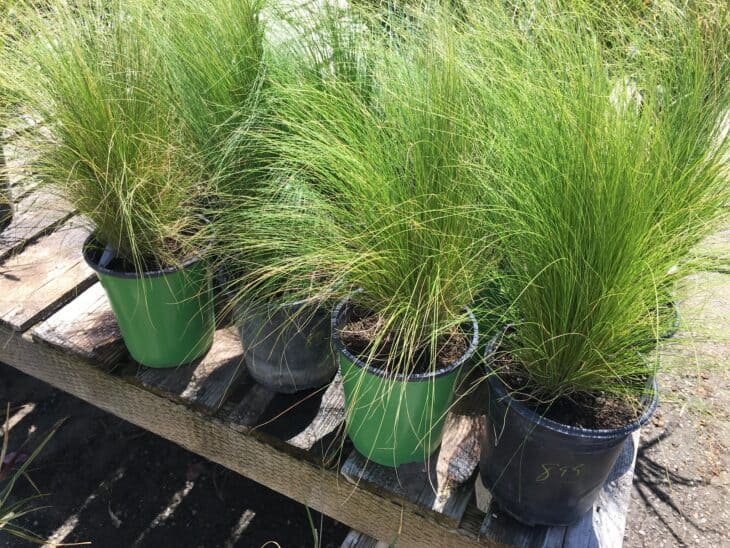
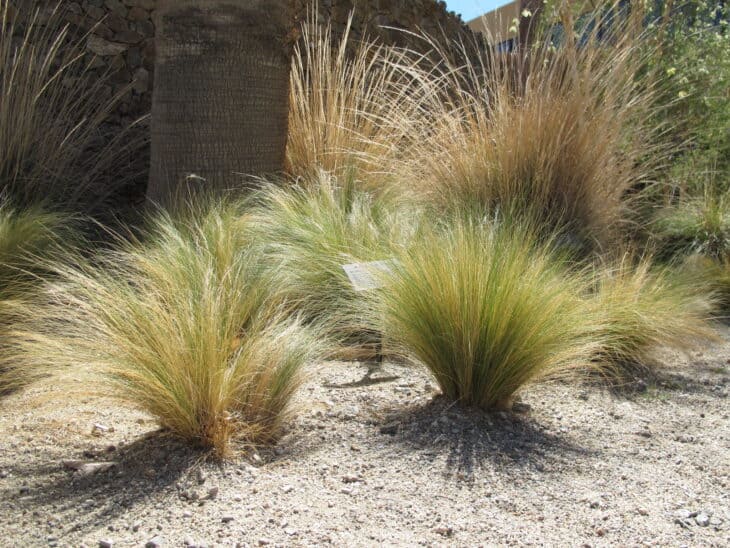
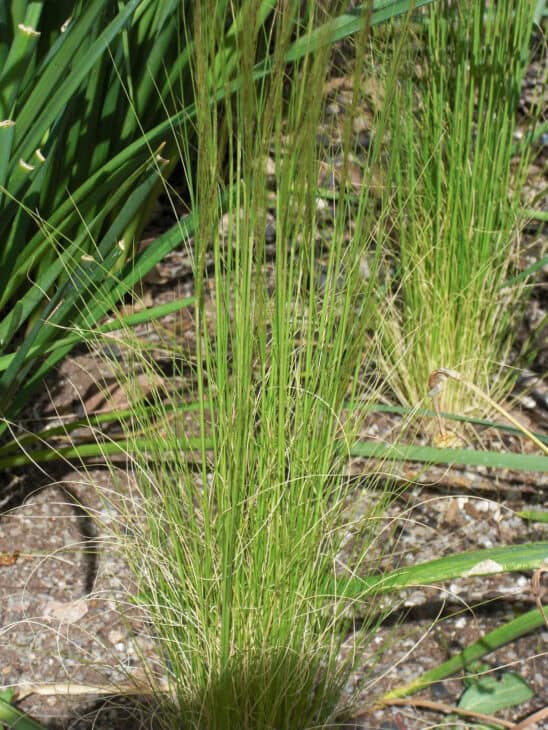
- Fine textured, tufted ornamental grass with flowing, hairlike foliage.
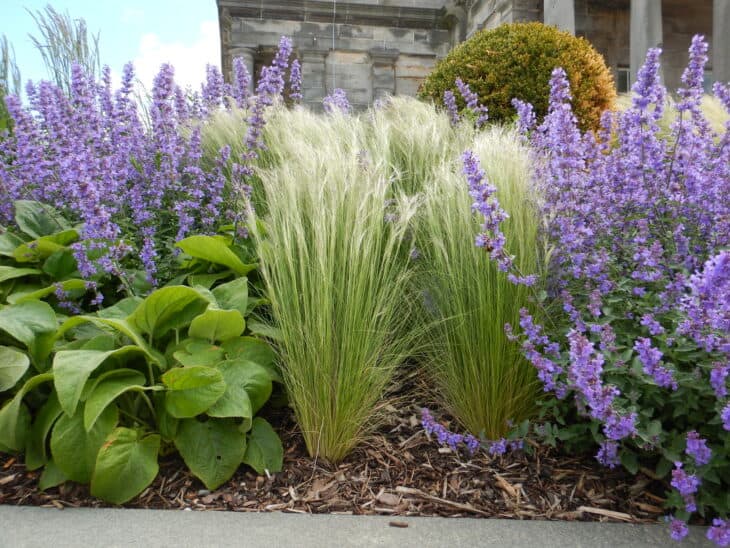
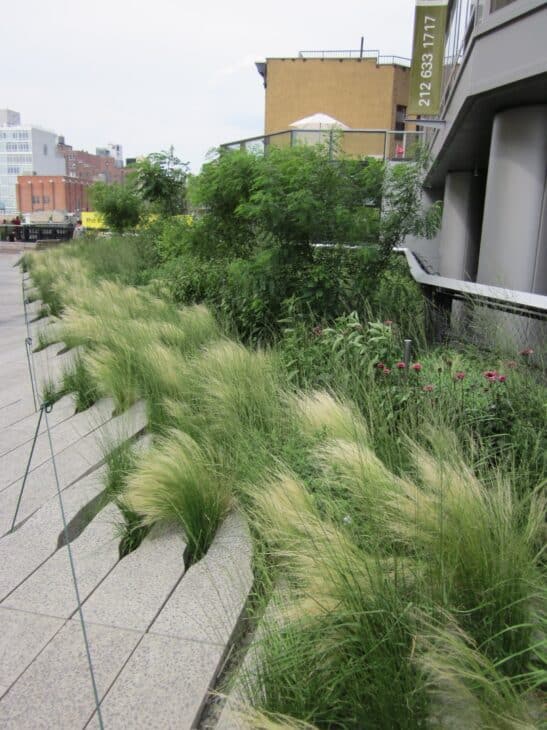
- Often grown for wind movement and soft, feathery flower plumes.
- Drought tolerant once established and suited to well drained soils.
- Can self seed and is regarded as invasive in some regions.
- Prefers full sun for best form and flowering.
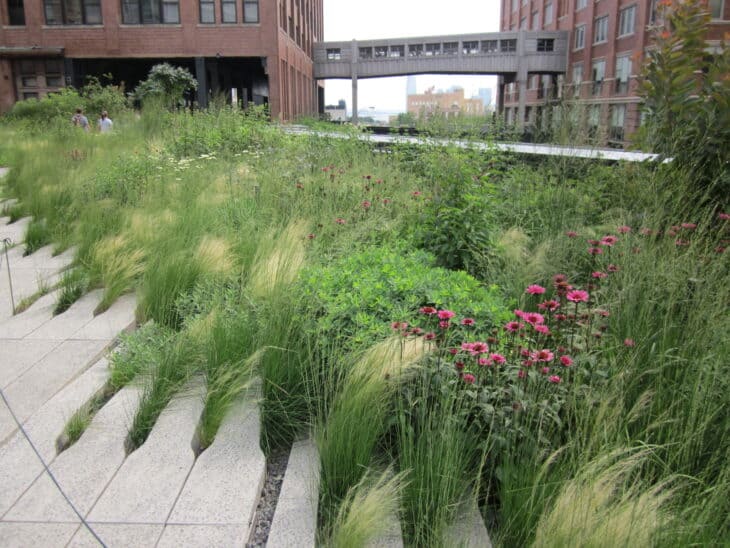
- Generally low maintenance and used in mass planting and dry landscapes.
- Sharp seed awns can cause mechanical irritation to animals and people.
Mexican Feather Grass (Nassella tenuissima) is grown for its fine, hairlike foliage and airy flower plumes. Gardeners like it as a low water, textural accent but also wonder about invasiveness, where to plant it and whether it will work indoors or in containers.
Identification
Look for a low, tufted clump of very fine leaves that ripple in the wind and produce soft, feathery flower plumes. Typical overall height is about 10 to 24 inches with flowering stems often extending taller. Individual clumps usually spread roughly 12 to 18 inches, though stands can widen over time by seed.
Where to grow and best uses
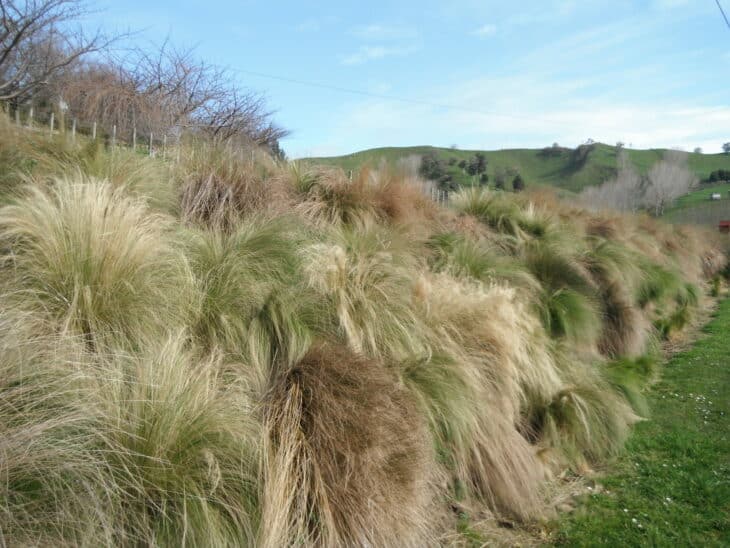
This grass prefers full sun for the best compact form and flowering. It does well in well drained sandy or loamy soils and tolerates poor, dry soils. Common landscape uses include mass planting for movement, dry or Mediterranean-style borders and erosion control on well drained slopes.
Hardiness listings commonly place it around USDA zones 6 to 9, but suitability varies by climate and cultivar. Verify local recommendations before planting.
Planting time, depth and spacing
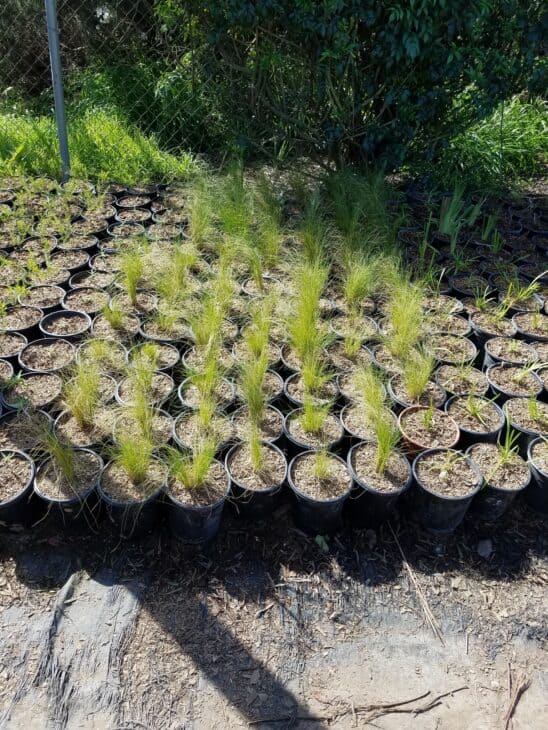
Propagation is primarily by seed sown in fall or spring. Clump division can be done in spring. Space plants about the width of a mature clump so they have room to form tussocks. Where seed spread is a concern avoid sowing seed nearby.
Watering and soil
Once established this grass is drought tolerant. Give regular water until plants are established, then reduce frequency and allow the soil to dry between soakings. Avoid heavy, waterlogged clay because poor drainage reduces vigor and can cause crown rot.
After-flowering care
The airy plumes add seasonal interest. You can leave seedheads for winter texture or remove spent flowering stems and old foliage in spring to tidy clumps before new growth begins. If you need to limit seed production remove seedheads before they mature.
Spread and control
Mexican Feather Grass readily self seeds and is regarded as invasive in some regions. In favorable warm dry climates it can form dense drifts beyond the original planting. To limit spread remove flowerheads before seed set, pull young seedlings promptly and avoid letting plants go to seed near natural areas or pasture.
Note that sharp seed awns can cause mechanical irritation to skin, eyes and mouths and can injure grazing animals. Take care when handling seedheads and consult local invasive plant lists before planting.
Propagation
Grow from seed sown in fall or spring. Division in spring is possible for younger clumps but mature plants may not transplant well. Because seed is the most common propagation route avoid seed sowing where invasive spread is a concern.
Frequently asked questions
- How fast does Mexican Feather Grass grow?
- Growth rate varies by site and climate. Plants typically form a 10 to 24 inch clump within a season or two. Spread beyond the original clump usually happens by seed rather than rapid vegetative expansion.
- Is Mexican Feather Grass invasive?
- It can be. The plant self seeds and is listed as weedy or invasive in some regions. Check local invasive species lists and avoid planting where it could escape into natural areas.
- Are the seeds dangerous to pets and livestock?
- No major sources list systemic chemical toxicity. The primary risk is mechanical from sharp seed awns which can irritate skin, eyes and mouths and may injure grazing animals. Consult a veterinarian or poison control for specific concerns.
- When does it bloom?
- Flowering generally occurs from late spring into summer, but timing varies by climate and cultivar.
Sources and notes
- California Invasive Plant Council profile for Nassella tenuissima
- Royal Horticultural Society Stipa/Nassella entry
- Nassella tenuissima on Wikipedia
Notes: Taxonomy has shifted between Stipa and Nassella in some references. Hardiness and bloom timing vary with local climate and cultivar. For definitive regional advice check your local extension service or nursery.
Gallery
Related Plants

Mentioned In (1)
Plants
16 Plants That Look Like Feathers
The plants that look most like feathers are ornamental grasses with soft, plume-like flower heads, such as feather reed grass,…