
Key Facts
- Often grown as an annual in temperate gardens.
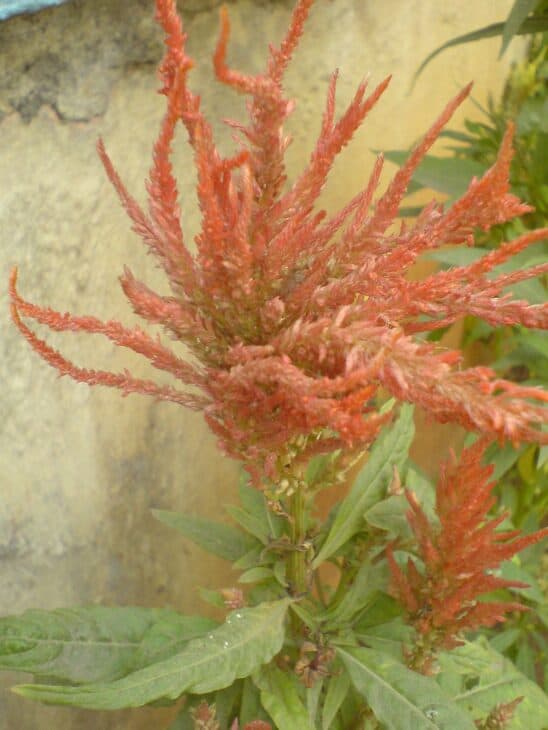
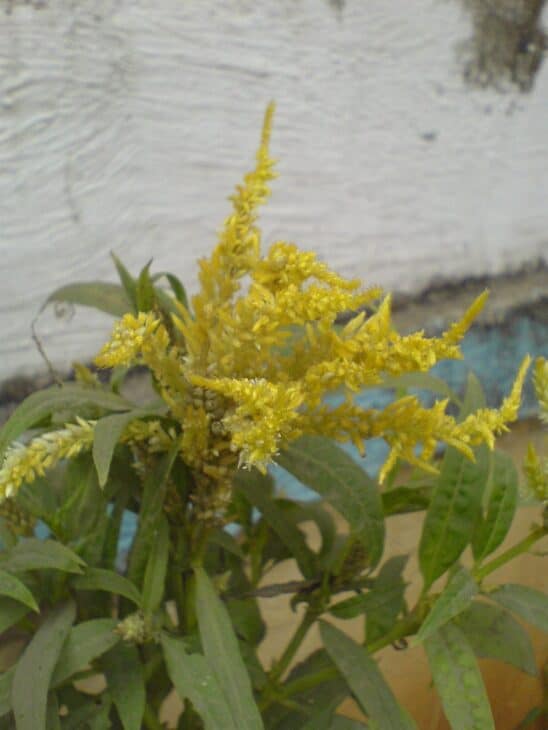
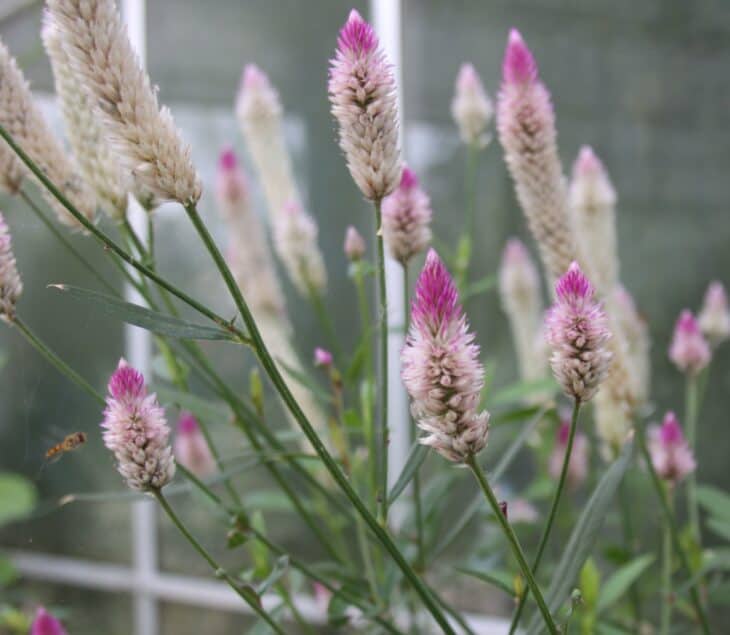
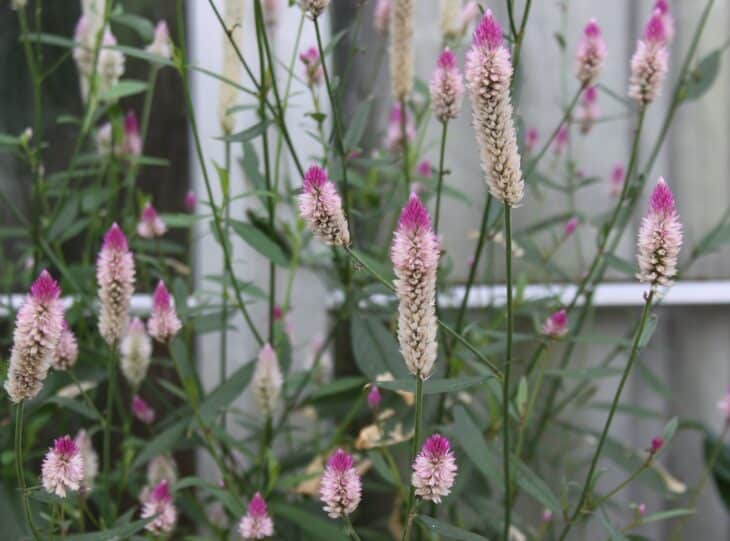
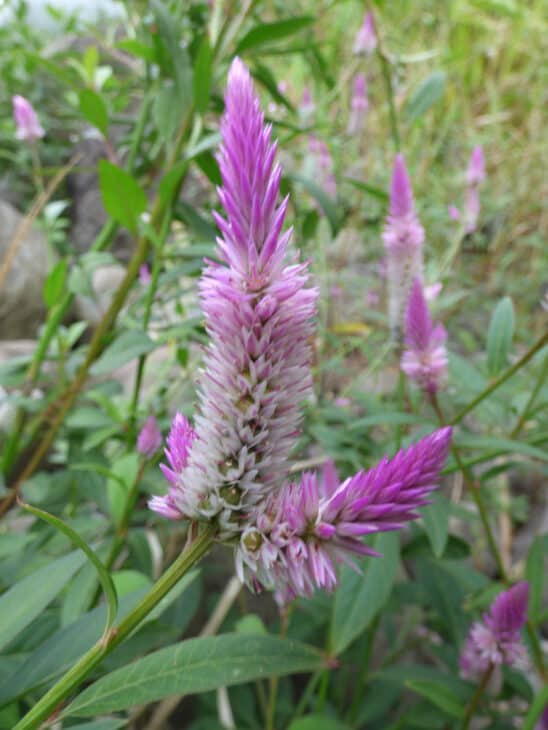
- Forms upright plume like flower heads in bright colors.
- Prefers full sun for best flowering.
- Blooms from summer into fall in frost free periods.
- Does best in well drained fertile soil.
- Easy to propagate from seed.
- Popular for beds, borders and cut flowers.
Plumed Cockscomb is a showy annual prized for its upright, feathery plumes in bright colors. Gardeners grow it for long summer into fall color and for easy-grown cut flowers, but it needs full sun and well drained soil to look its best.
Identification
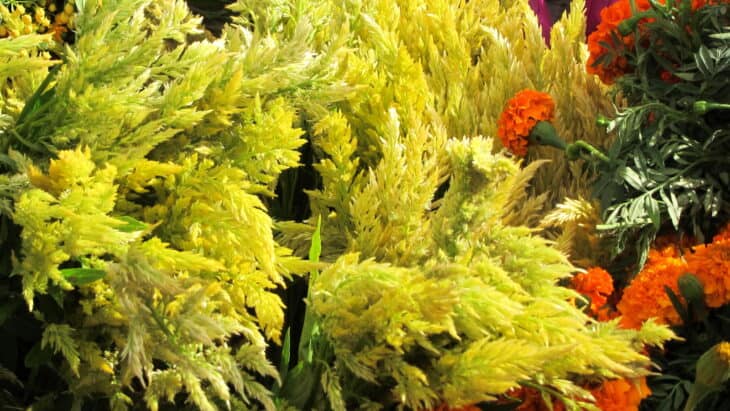
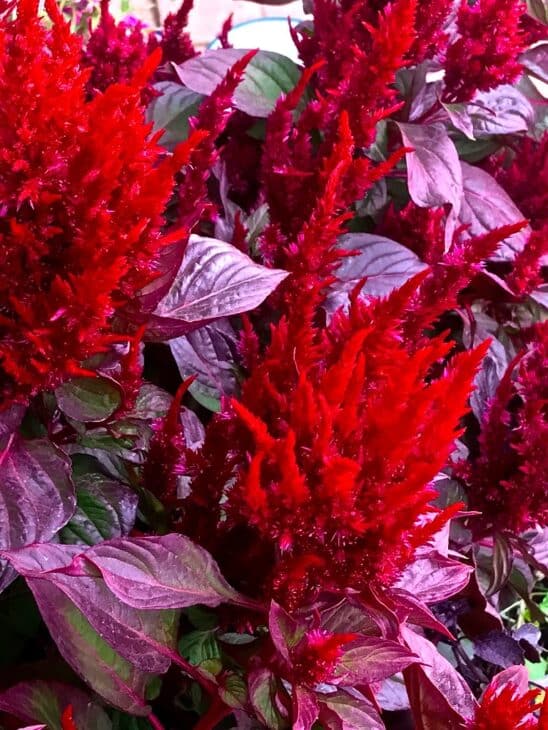
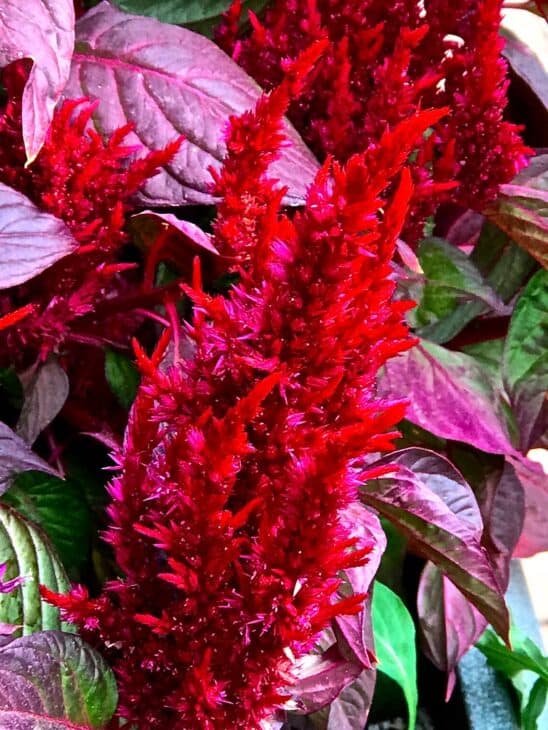
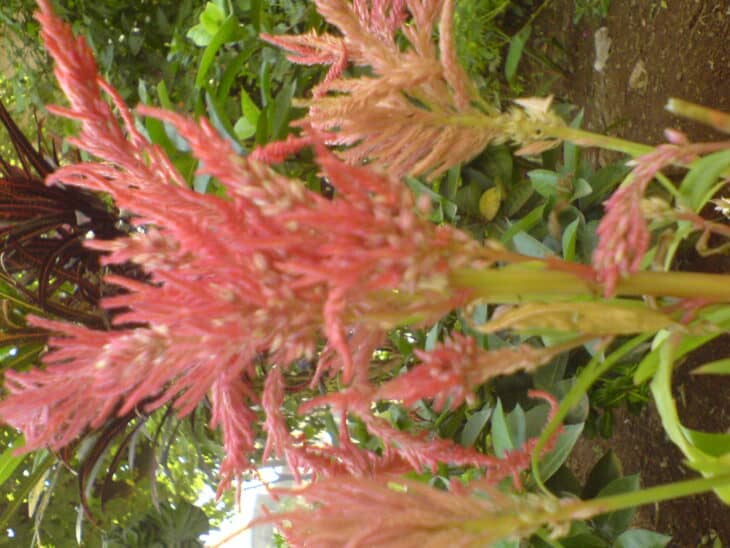
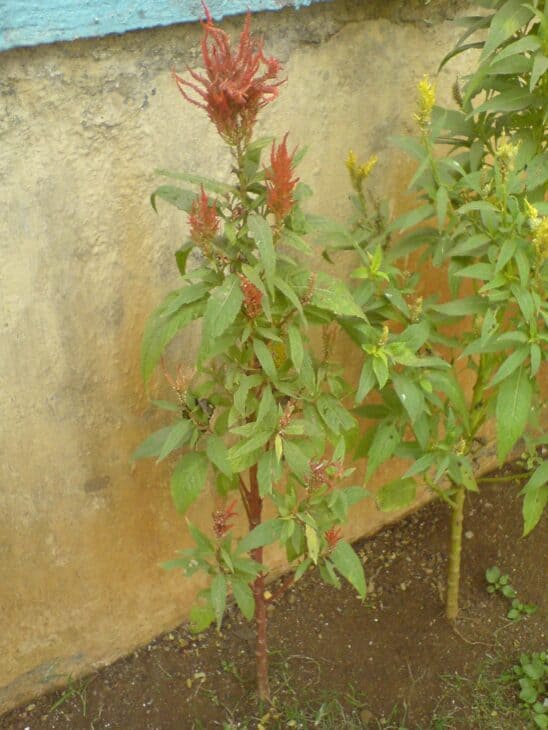
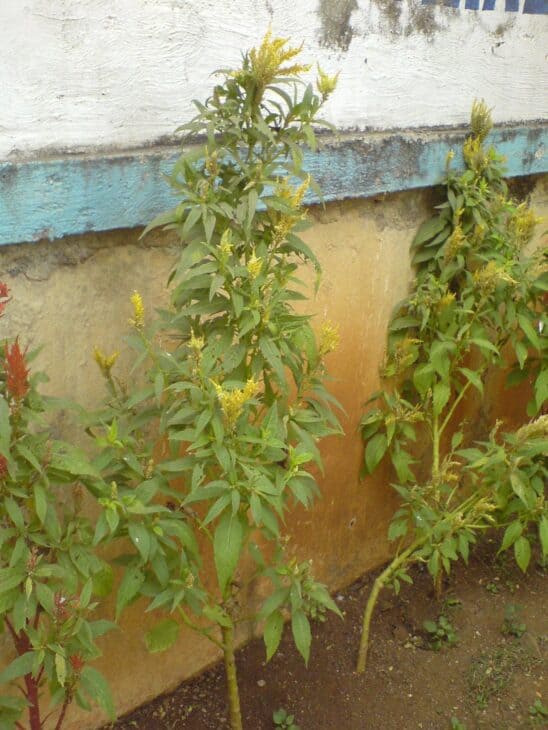
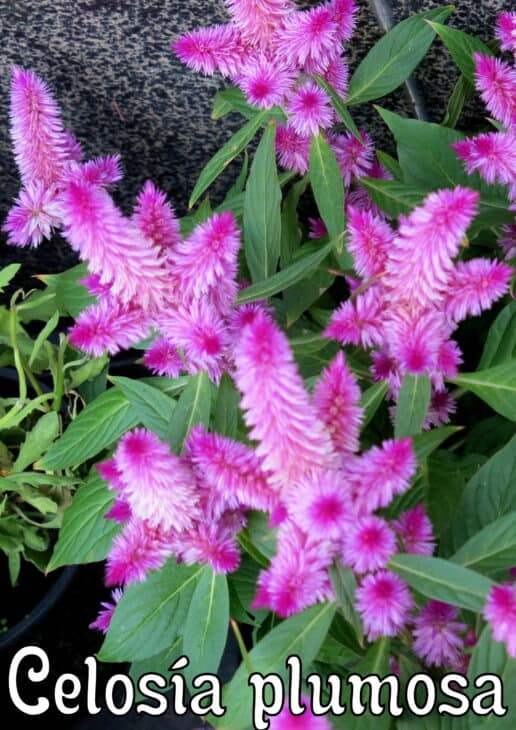
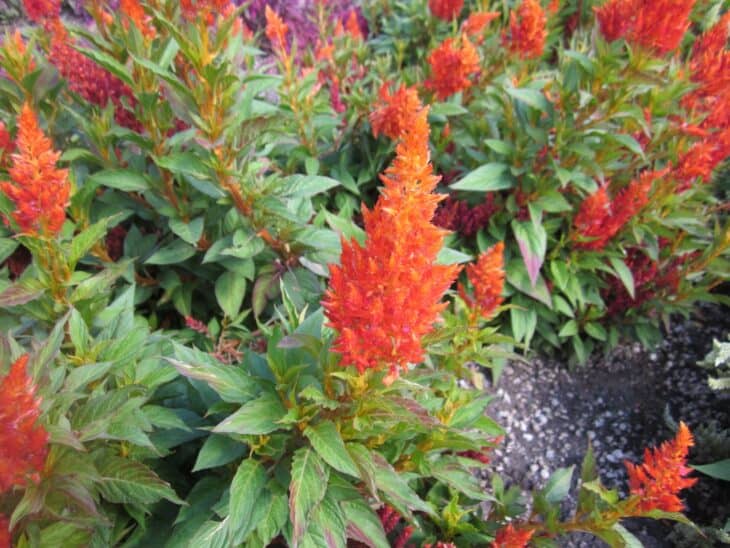
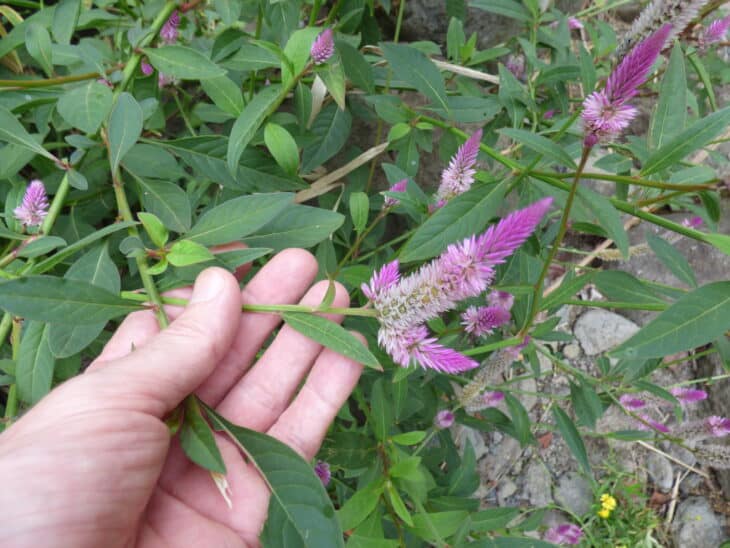
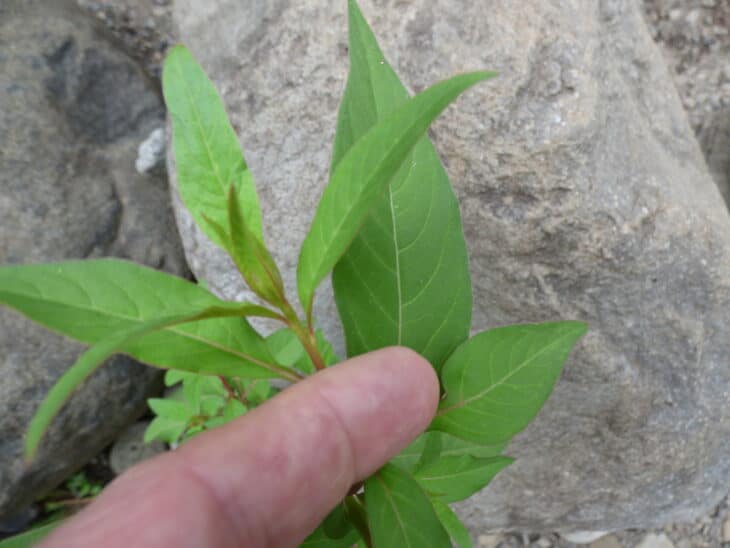
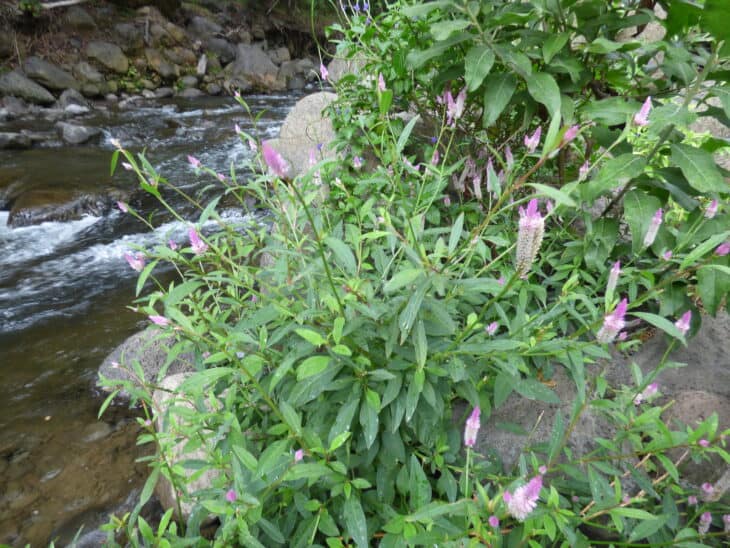
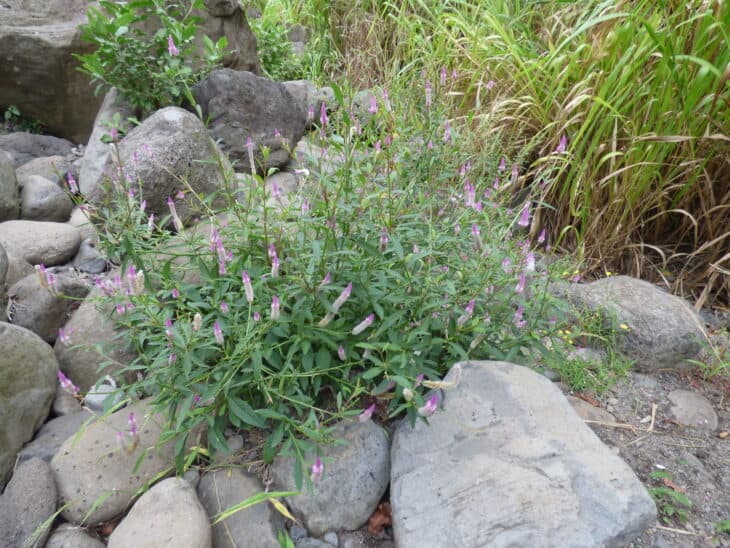
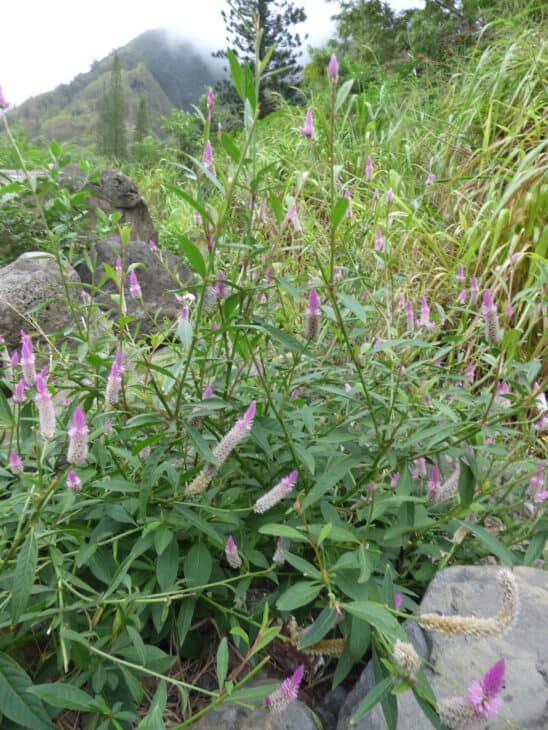
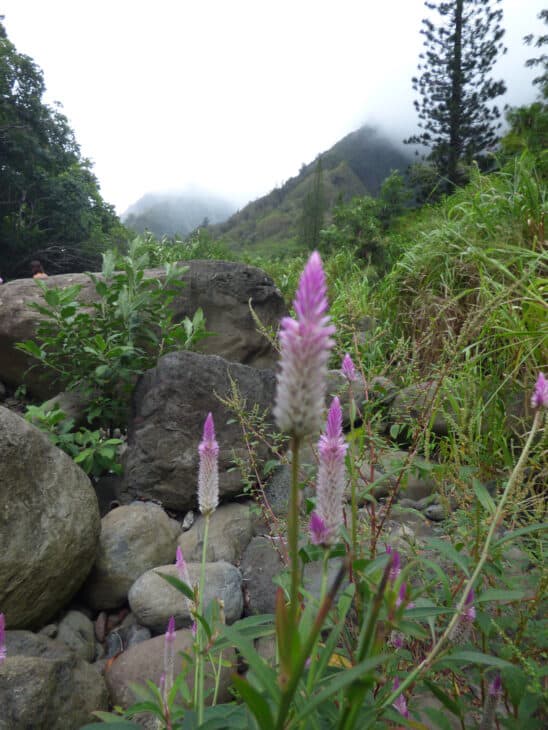
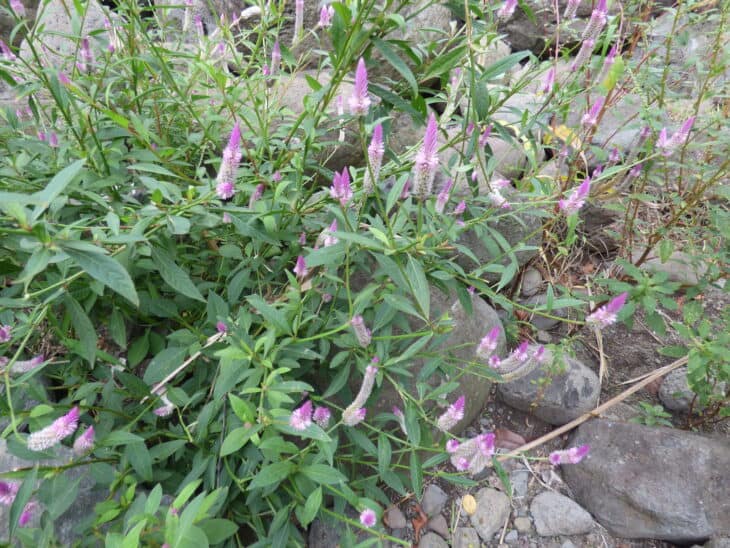
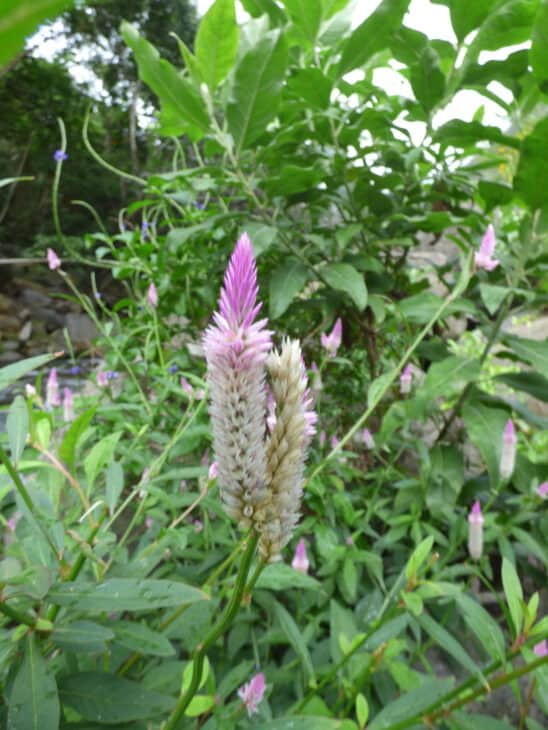
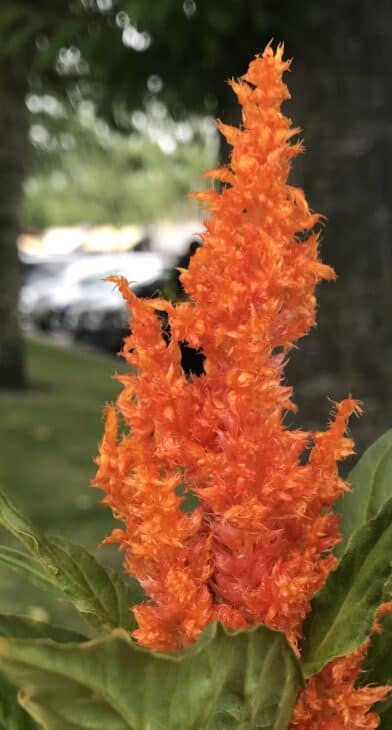
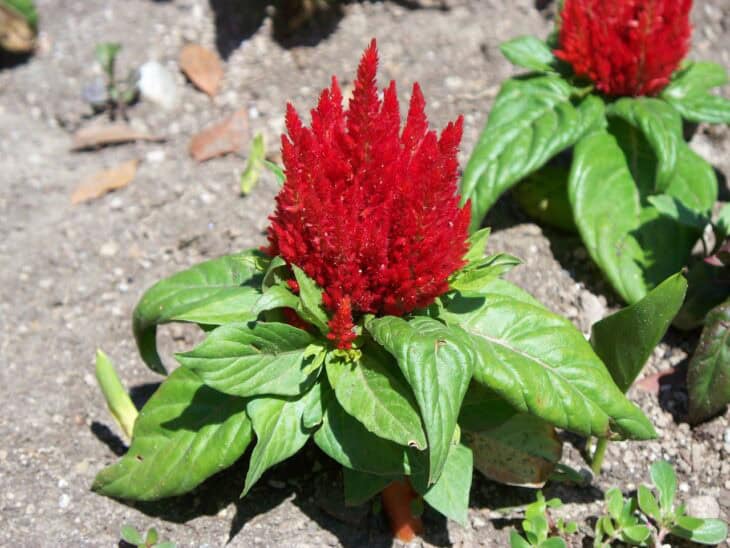
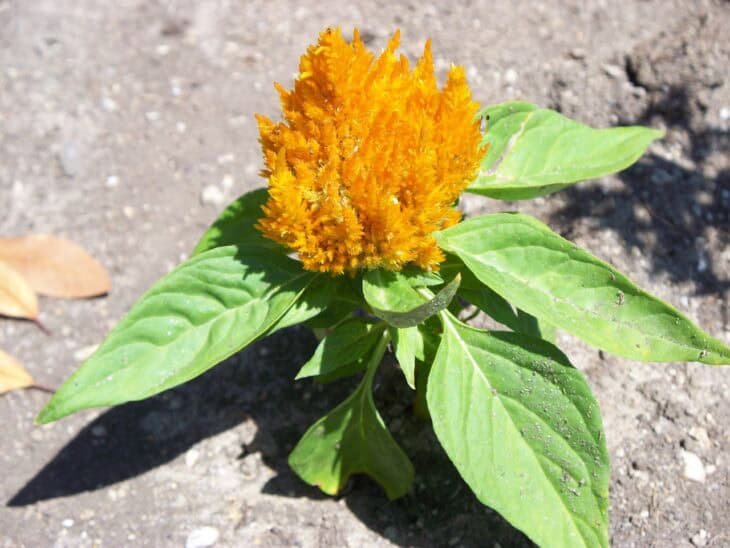
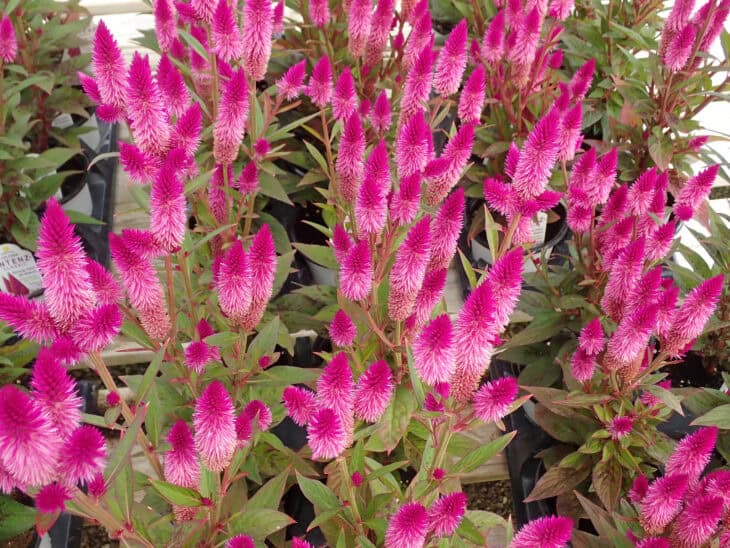
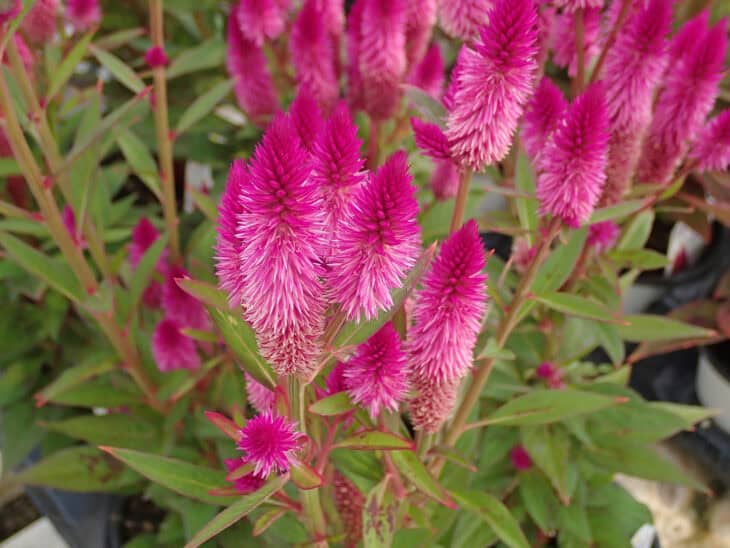
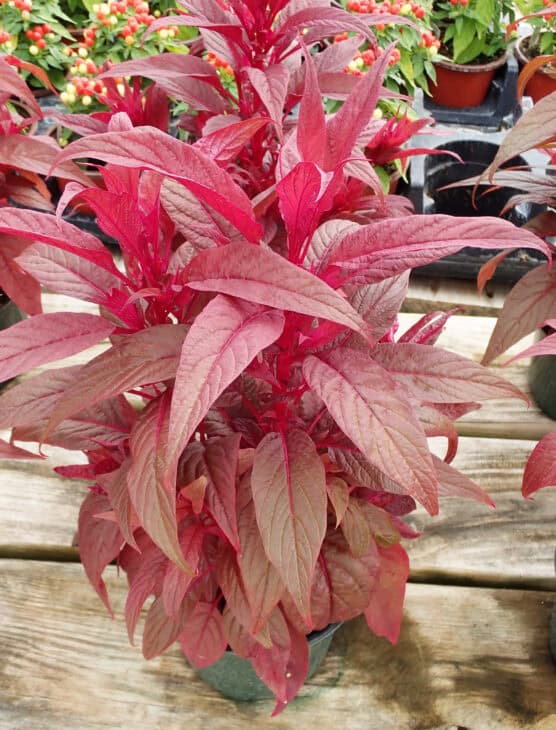
Plumed Cockscomb, Celosia argentea var. plumosa, forms upright plume like flower heads that appear in bold colors. Plant size varies widely by cultivar and fertility, typically ranging from about 6 to 36 inches high with a clumping spread often 6 to 12 inches.
Where to grow it and best uses
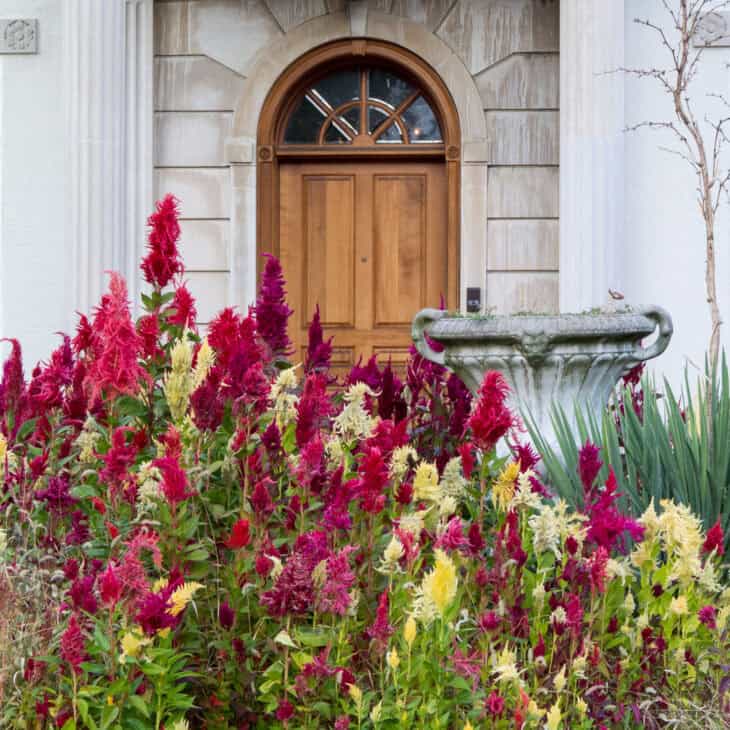
Grow plumed cockscomb in sunny beds and borders where its vertical plumes add texture. It is popular for cutting for fresh arrangements. In frost free gardens it can persist longer but in most climates it is grown as an annual.
Planting time and spacing
Start seed indoors 4 to 6 weeks before your last expected frost or sow directly outdoors after the danger of frost has passed. Space plants so mature clumps have room to fill in; many plumed types perform well with about 6 to 12 inches between plants, though spacing varies by cultivar.
Soil light and watering
Plumed cockscomb prefers full sun for the best flowering and will produce fewer blooms in shade. It does best in fertile well drained soil with a roughly neutral to slightly acidic pH around 6.0 to 7.0. Avoid poor drainage because waterlogged soil leads to root disease and reduced vigor. Keep soil evenly moist during establishment and in dry spells but do not let plants sit in standing water.
Propagation and establishment
Seed is the easiest and most common way to grow plumed cockscomb. The small seeds germinate readily and do best when sown on the surface or very lightly covered with soil. Cuttings can root but are less commonly used by home gardeners.
After flowering and control
Flowers typically continue from summer into fall and often until the first frost in temperate climates. Plants may set seed readily; remove spent plumes to tidy beds and to reduce volunteer seedlings if you do not want self-seeding. In warm frost free zones the plants can persist longer but are usually treated as short lived perennials at best.
Containers and cutting
Plumed cockscomb is used successfully as a cut flower and can be grown in containers if given full sun and a well drained potting mix. Ensure containers have good drainage and sufficient fertility for strong stems and fuller blooms.
Toxicity and safety
Many horticultural sources report low toxicity and some cultures eat young leaves of Celosia species. Sources differ and authoritative toxicology references should be consulted before recommending ingestion or assuming pet and child safety.
Frequently asked questions
- How fast does Plumed Cockscomb grow?
- Growth rate varies widely with cultivar soil and light. Plants typically reach from about 6 to 36 inches high depending on variety and fertility. Seedlings germinate readily and will develop rapidly in warm sunny conditions.
- Grow Plumed Cockscomb indoors or outdoors?
- They are usually grown outdoors in full sun for best flowering. Start seed indoors 4 to 6 weeks before the last frost then move plants outside after frost danger. Indoors plants often lack enough light to produce abundant plumes.
- When will Plumed Cockscomb bloom?
- It blooms through the warm season from summer into fall and often until frost in temperate gardens. Exact timing depends on local climate and cultivar.
- How should I space plants?
- Spacing depends on cultivar but most plumed types are clumping and perform well with roughly 6 to 12 inches between plants to allow airflow and development.
- How much sun does it need?
- Full sun is best for strong flowering. In very hot climates light afternoon shade is tolerated but shade will reduce bloom production.
Gallery
Related Plants
