
Key Facts
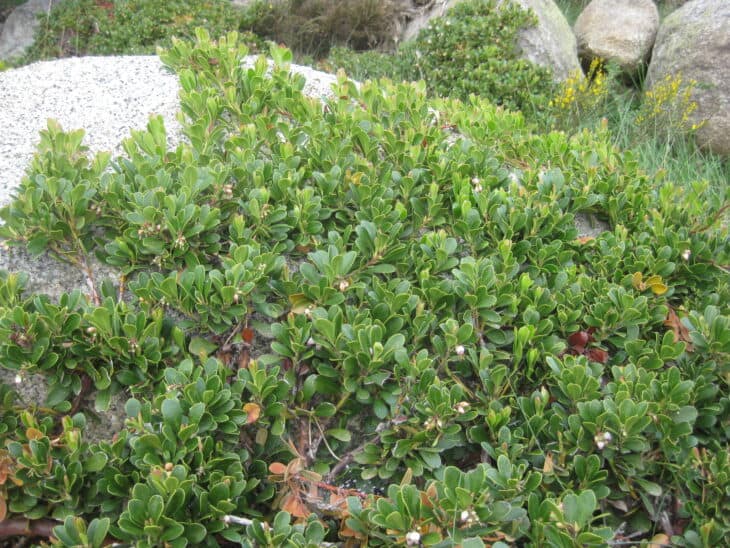
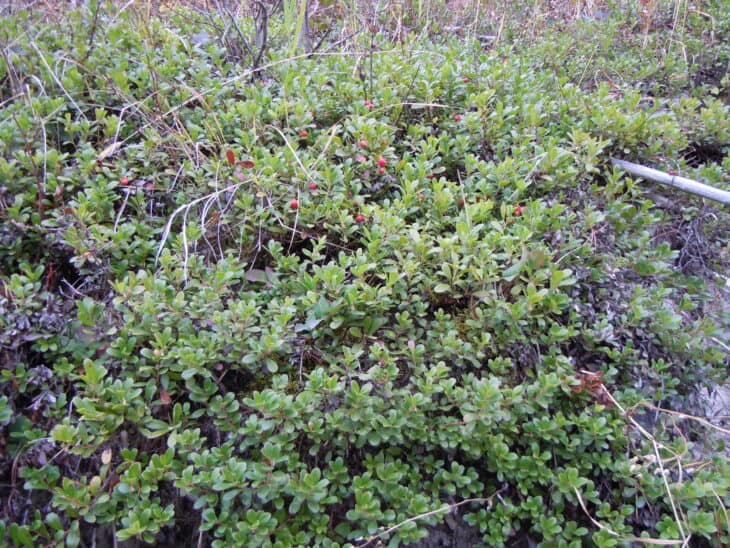
- Low evergreen groundcover with trailing stems.
- Native to cool temperate and boreal regions of the Northern Hemisphere.
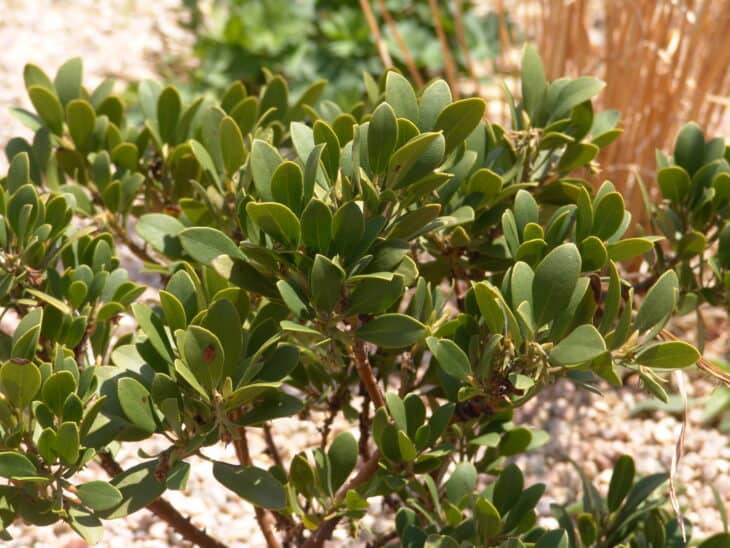
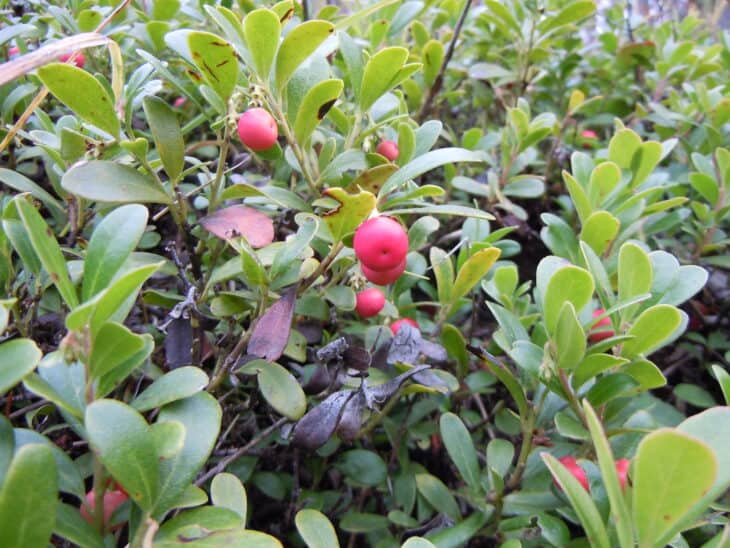
- Small leathery leaves stay on the plant year round.
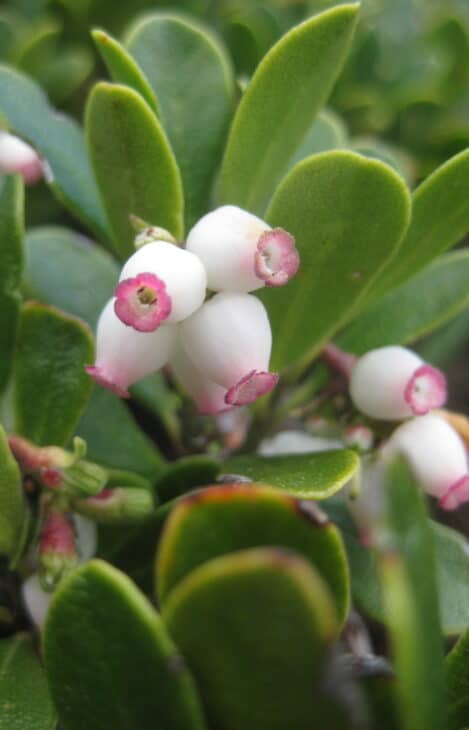
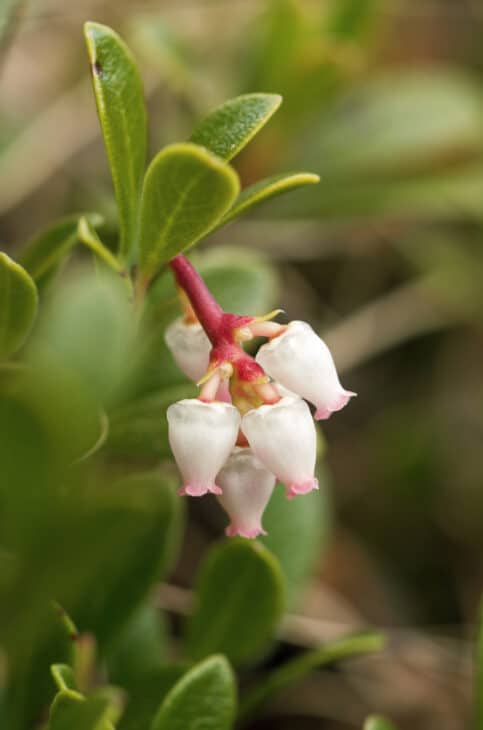
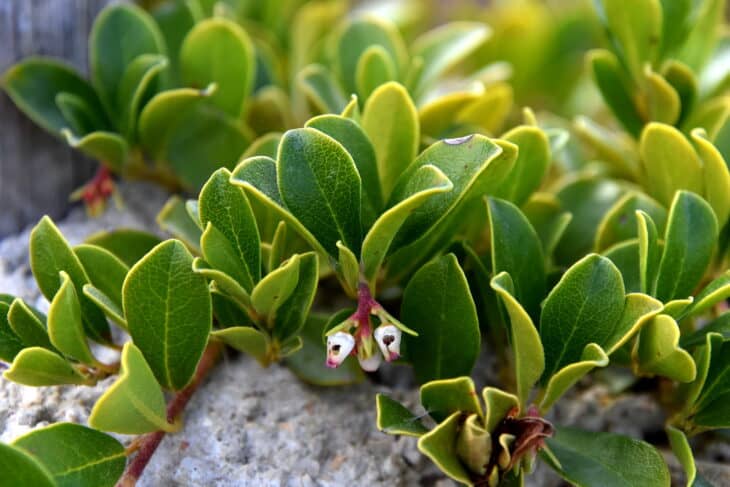
- Urn shaped white to pink flowers appear in spring.
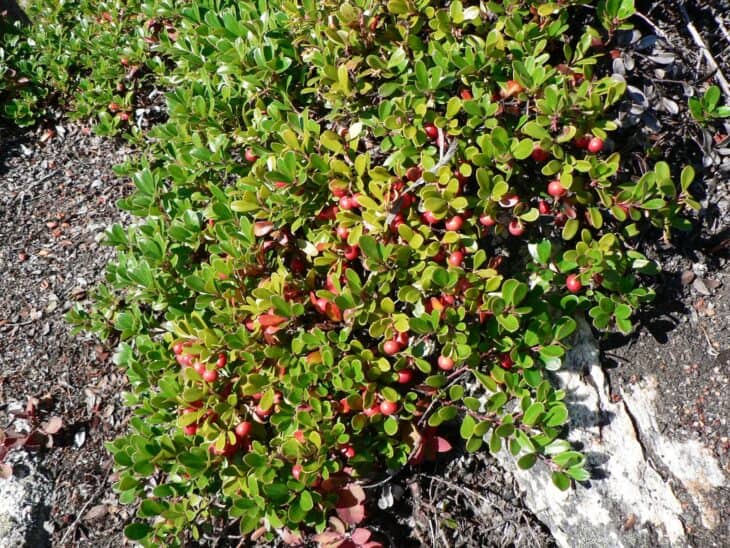
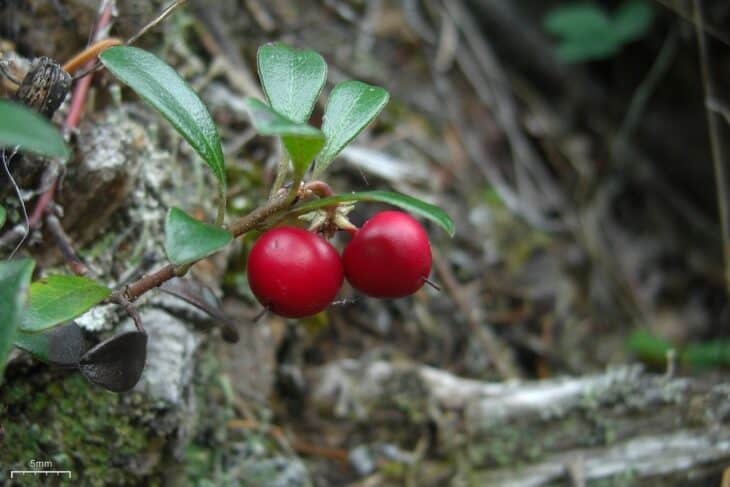
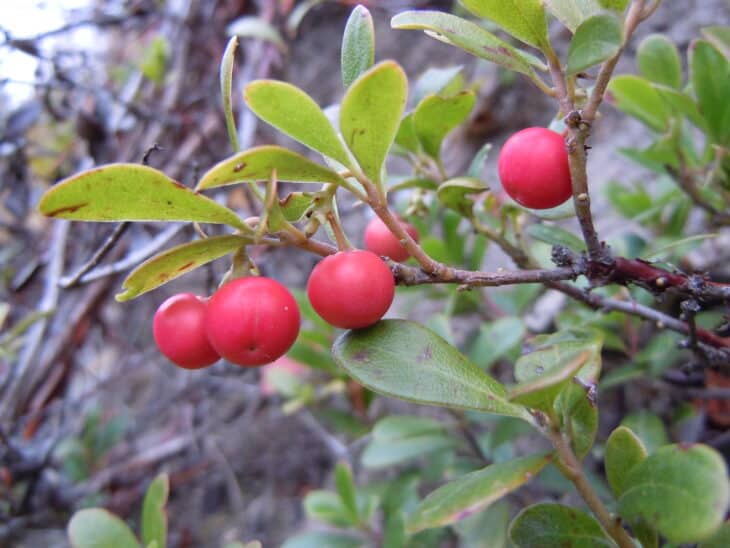
- Red berries persist into summer and provide winter food for wildlife.
- Prefers well drained sandy or rocky soils and acidic conditions.
- Used for erosion control and as a low ornamental groundcover.
Kinnikinnick is a low evergreen groundcover with trailing stems that forms mats of small leathery leaves. It is prized for spring urn shaped flowers and red berries that persist into summer while preferring well drained acidic soils and full sun to part shade.
Identification
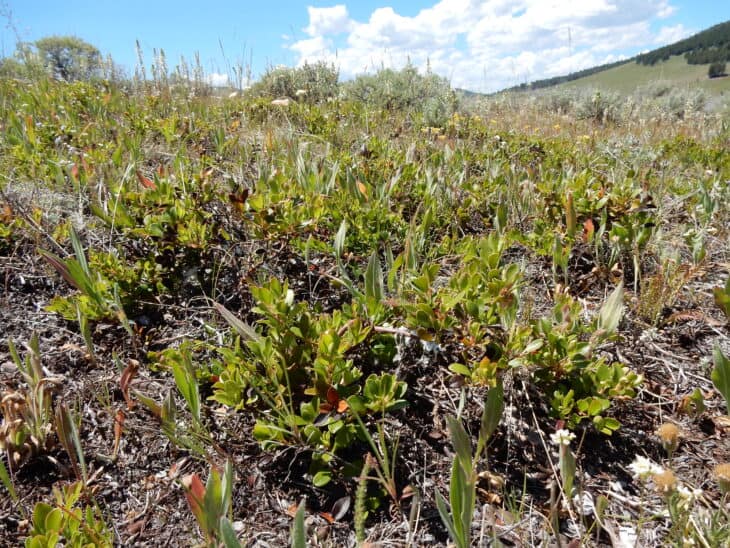
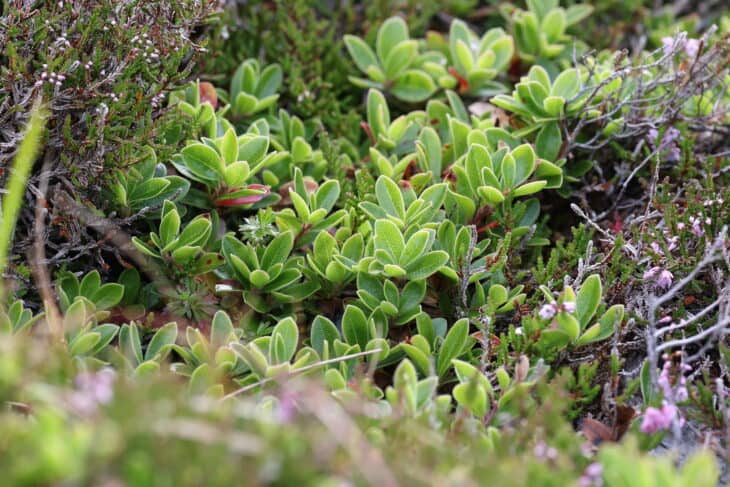
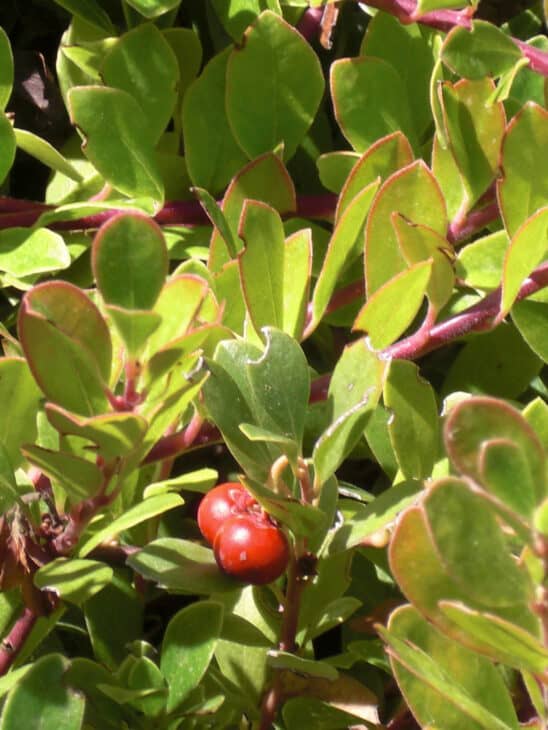
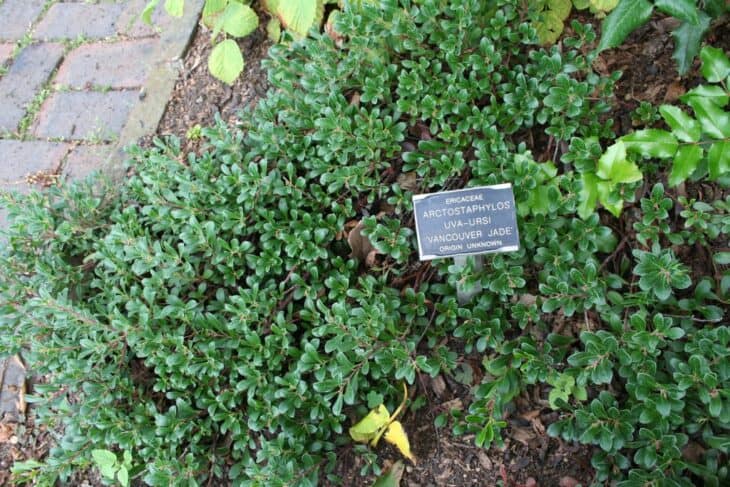
Height is 6 to 12 in with stems that trail to form mats 2 to 6 ft across. Leaves are small and leathery and remain year round. Flowers are urn shaped and white to pink in spring. Red berries follow and can persist into summer providing food for wildlife.
Where to grow and best uses
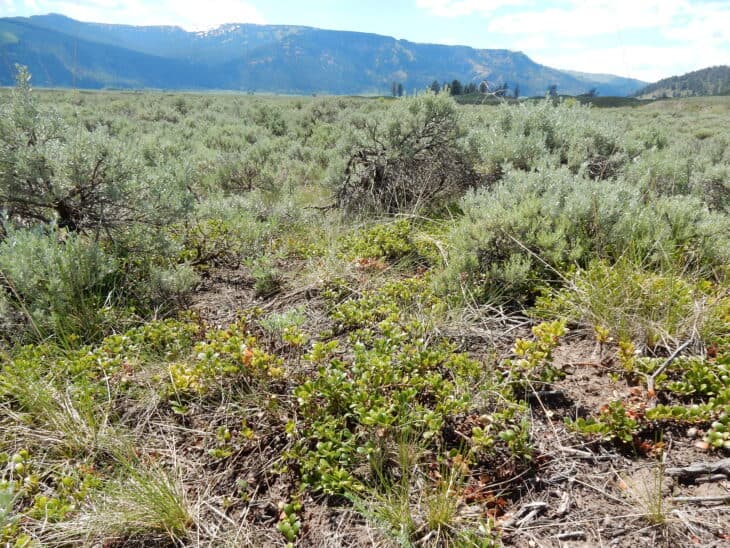
Native to cool temperate and boreal regions of the Northern Hemisphere and commonly used for erosion control and low ornamental groundcover. Reported hardiness range is USDA zones 2 to 6. Colder zones favor slow compact growth. In warmer zones plants can be stressed and show reduced vigor or increased root disease.
Soil and light preferences
Prefers well drained sandy or rocky soils and acidic pH. Thrives in poor dry sites but performs poorly in heavy wet clay. Full sun gives the best flowering and fruiting while part shade is tolerated. Poor drainage leads to root rot and plant decline.
Planting and spacing
Place plants with room to spread by trailing stems. Allow for a mature spread of 2 to 6 ft when planning beds or slopes. Plant so the root ball sits at the same level it was in the pot and avoid sites that stay wet. Installing during cooler weather reduces transplant stress in most climates.
Watering and establishment
Water regularly until plants are established then reduce irrigation. Once established Kinnikinnick is drought tolerant in well drained soils. Overwatering or poor drainage causes root loss and decline.
Maintenance and controlling spread
Minimal pruning keeps mats tidy. Trim runners back where you want to control expansion or install edging or a shallow root barrier to limit spread. In optimal dry sandy sites plants form denser mats. In poor or wet sites spread may be reduced.
Propagation
Can be propagated by seed, layering, or cuttings. Seed typically needs cold stratification while layering and cuttings are usually faster and more reliable. Success varies by provenance and cultivar and establishment can benefit from appropriate mycorrhizal associations.
Wildlife and safety
Red berries provide summer food for birds and other wildlife. Berries have been eaten traditionally but are bland. Leaves contain arbutin and related compounds and have been used medicinally. Guidance on safety for people and pets varies so consult local poison control or an authoritative toxicology source for suspected ingestion.
Frequently asked questions
- How fast does Kinnikinnick grow?
- Growth is slow to moderate. It forms mats over time with rate depending on site, cultivar and climate. Colder zones tend to produce slower more compact plants.
- Is Kinnikinnick invasive?
- It spreads by trailing stems to naturalize and form mats but is not generally listed as invasive. Use edging or periodic trimming to prevent unwanted expansion.
- Is it good for erosion control?
- Yes. Its trailing habit and tolerance of poor dry soils make it useful on slopes and banks where good drainage exists.
- What soil pH does it prefer?
- Prefers acidic soils. Neutral to alkaline pH can reduce vigor and nutrient uptake.
- Are the berries edible?
- Berries are reported as edible but mealy or insipid. Because toxicity guidance varies avoid large ingestions and check with poison control for pet exposures.
- Does it grow in shade?
- It tolerates part shade but flowering and fruiting are best in full sun. Dense shade leads to leggier growth and reduced blooms.
Gallery
Related Plants
