
Key Facts
- Biennial or short-lived perennial.
- Tall erect flower spikes commonly 4–8 ft (120–240 cm).
- Spread commonly 1–2 ft (30–60 cm).
- Prefers full sun.
- Flowers in summer on tall racemes.
- Prefers fertile well-drained soil.
- Attractive to bees and other pollinators.
- Most commonly started from seed.
Hollyhock (Alcea rosea) is a tall biennial or short lived perennial grown for showy summer flower spikes. It performs best in full sun and fertile, well drained soil and is commonly started from seed.
Identification and habit
Hollyhock produces erect flower spikes on racemes and commonly reaches 4 to 8 feet tall with a spread of about 1 to 2 feet. Flowering occurs in summer and the plants are attractive to bees and other pollinators.
Where to grow and best uses
Use hollyhock at the back of a sunny border or along a fence where tall spikes are wanted for summer impact. Reported USDA hardiness ranges are zone 3 to 8 which affects whether plants behave as true biennials, short lived perennials or die back to the ground in cold winters.
Soil light and watering
Plant in fertile, well drained soil. Poor drainage increases the risk of crown rot and shortens plant lifespan. Full sun gives the best flowering while light afternoon shade will reduce bloom and encourage legginess. Keep soil evenly moist while plants establish and avoid waterlogging.
Planting and spacing
Seed is the primary propagation method and plants are commonly sown in autumn or spring. Seed timing influences whether individual plants flower in the first season or form a rosette and bloom in the second year. Space plants roughly 1 to 2 feet apart to match their typical spread.
After flowering and general care
Cut back spent flower spikes to tidy the bed and to encourage any late reblooming on some plants. Because many hollyhocks are grown as biennials expect to replant or allow reseeding for future seasons. Handle with care as sap can cause skin irritation in sensitive people.
Toxicity and safety
Hollyhock is not widely listed as highly toxic. Some sources note it is not listed as toxic to cats and dogs in the ASPCA database but ingestion can cause mild gastrointestinal upset and handling may irritate sensitive skin. Confirm pet safety with local poison control or a veterinarian for definitive advice.
Propagation
Start from seed for most reliable results. Some cultivars can be propagated by division or root cuttings. Choose the propagation method and sowing time based on whether you want blooms the first season or the next.
Frequently asked questions
- How fast does Hollyhock grow?
- Growth rate varies by climate and sowing time. Plants often form a rosette the first year and produce tall flowering spikes in the second year when grown as biennials. Mature height is commonly 4 to 8 feet.
- When does Hollyhock bloom?
- Hollyhock blooms in summer. Exact months vary by local climate and whether plants are grown as biennials or short lived perennials.
- How should I space hollyhocks?
- Space plants about 1 to 2 feet apart to allow for their typical spread and to help airflow around tall stems.
- How do I propagate hollyhock?
- Seed is the primary method. Some cultivars can be propagated by division or root cuttings. Sow in autumn or spring depending on whether you want first year flowering.
- Is hollyhock safe for pets?
- Hollyhock is not widely listed as highly toxic and is not listed in the ASPCA toxic plant database, but ingestion can cause mild stomach upset. Check with poison control or a veterinarian for definitive guidance.
Gallery
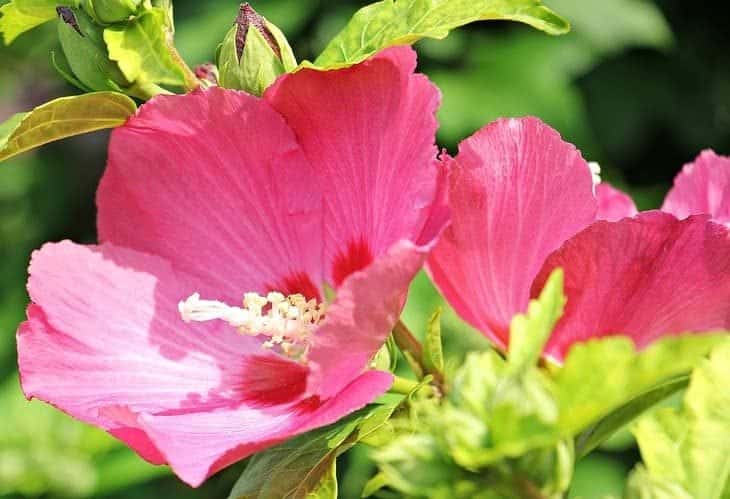


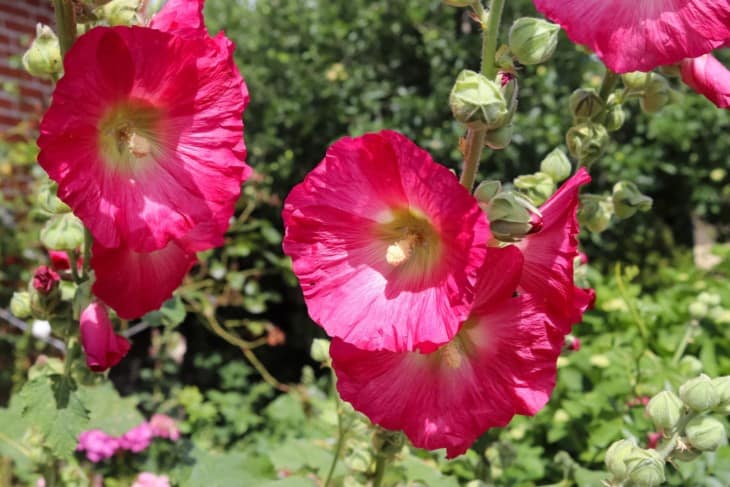
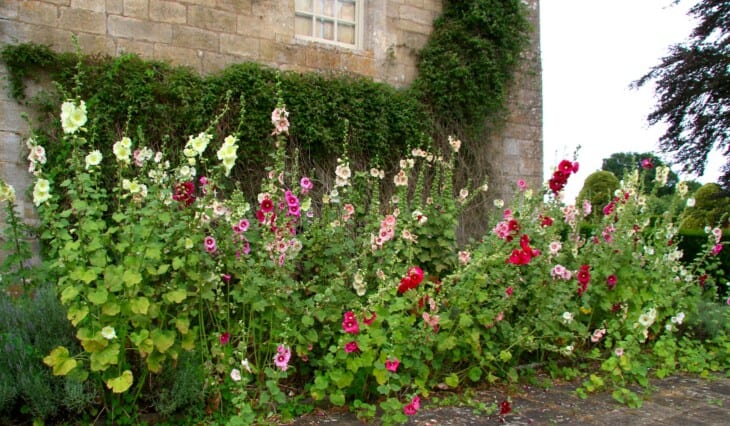

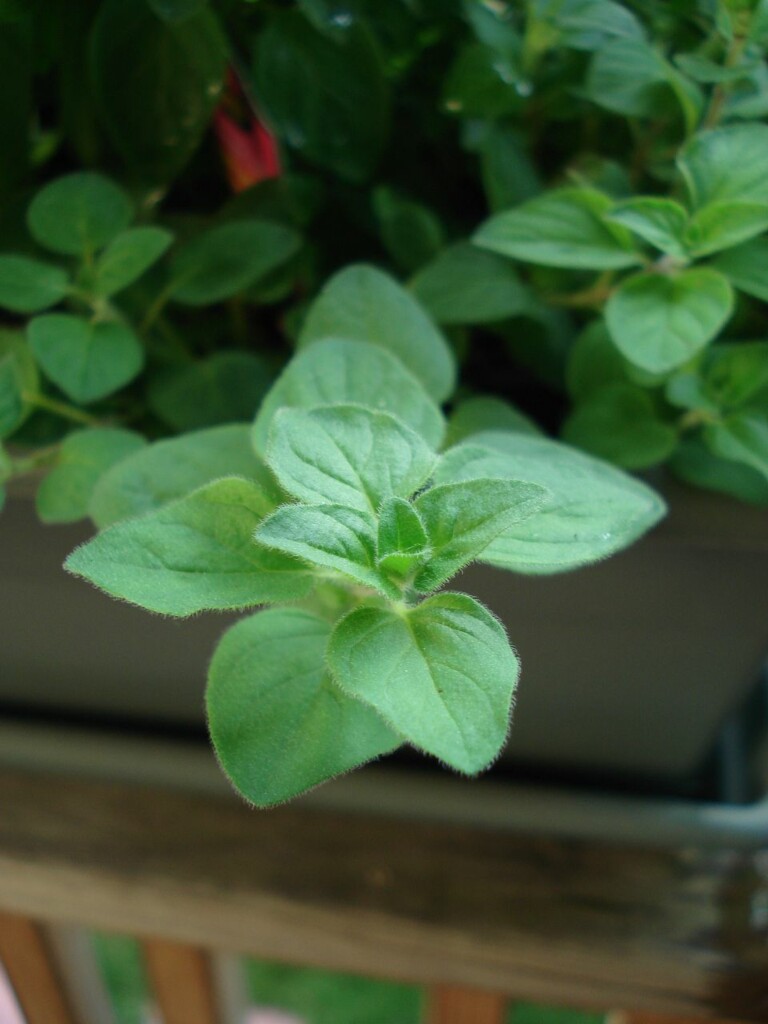
Related Plants


Mentioned In (2)

Plants
9 Plants That Look Like Okra
Although you may not be too familiar with an okra plant, you have undoubtedly seen the pods before. Okra pods…

Plants
Top 10 Plants to Attract Butterflies
Creating a butterfly-friendly garden starts with choosing the right plants. Butterflies need two kinds of plants: nectar sources for adult…