
Key Facts
- Tropical evergreen fig grown mainly as a houseplant.
- Not frost tolerant and sensitive to cold drafts.
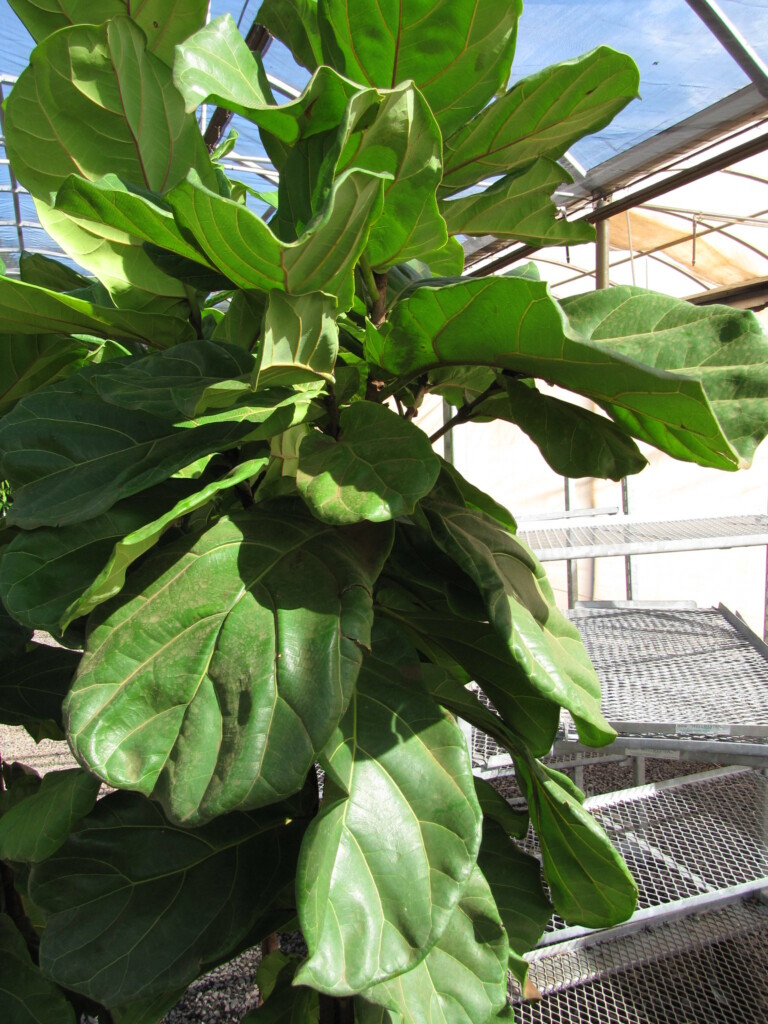
- Distinctive triangular glossy leaves with variegated cultivars available.
- Produces small figs that are rarely significant when grown indoors.
- Milky sap can irritate skin on contact.
- Considered toxic to pets if ingested.
- Prefers bright indirect light.
- Likes well draining, fertile potting mix and regular watering with brief drying between waterings.
- Readily propagated by stem cuttings and by air layering.
Triangle Fig is a compact tropical evergreen grown for its glossy triangular leaves and tidy habit making it a popular indoor specimen. It needs bright indirect light and must be kept away from cold drafts to avoid leaf drop.
Identification
Glossy triangular leaves give this small fig its name. Variegated cultivars are available and the plant can produce small figs that are rarely significant when grown indoors.
Where to grow and best uses
Most often used as a houseplant or container patio plant in warm climates. Outdoors it is suitable in warm frost free regions and can be kept in a pot and moved inside where winters are colder.
Size and spacing
In containers it commonly reaches about 1 to 6 ft tall and spreads roughly 1 to 4 ft depending on pruning and pot size. Space multiple plants according to the eventual spread and how much pruning you plan to do.
Light
Bright indirect light or morning sun produces the best foliage and steady growth. It will tolerate lower light but growth slows and leaf drop can occur.
Soil and potting
Use a well draining fertile potting mix and avoid waterlogged soil. A slightly acidic to neutral pH around 6.0 to 7.0 suits the plant. Poor drainage leads to root rot and decline.
Watering
Water regularly while allowing the top of the potting mix to dry briefly between waterings. Constantly soggy soil causes root problems and yellowing leaves while extended drought causes wilting and leaf loss.
Temperature and hardiness
Not frost tolerant and sensitive to cold drafts. Outdoors it is commonly grown in USDA zones 10 to 11. Keep it indoors or move containers inside before cold weather in cooler regions.
Toxicity and handling
The plant contains a milky sap that can irritate skin on contact. Ingestion may cause oral irritation and gastrointestinal upset in pets. Seek poison control or veterinary help for suspected ingestion and wear gloves when pruning if you have sensitive skin.
Propagation
Propagate readily from stem cuttings rooted in water or a moist potting mix. Air layering works well for larger specimens that you want to keep on the parent plant.
Pruning and maintenance
Light pruning controls size and encourages a bushier habit. Remove any damaged or yellowing leaves and trim leggy shoots to maintain shape.
Fruits and flowering
Plants occasionally set small figs in warm outdoor sites. Fruits are generally minor and uncommon on indoor specimens.
Problems to watch for
Leaf drop often signals low light, cold drafts, or irregular watering. Root decline follows poorly draining soil. Wear eye and skin protection when handling sap if you react to plant saps.
Frequently asked questions
- How fast does Triangle Fig grow?
- Growth varies with light, pot size, temperature and fertility. In bright light and warm conditions growth can be moderate to fast while in lower light it will be much slower.
- Can Triangle Fig be grown outdoors?
- Yes in warm frost free areas. It is commonly used outdoors in USDA zones 10 to 11 and grown as a houseplant elsewhere.
- Is Triangle Fig toxic to pets?
- The plant can cause oral irritation and gastrointestinal upset if eaten. Contact poison control or your veterinarian for advice after ingestion.
- What causes leaf drop?
- Leaf drop is most often caused by low light, cold drafts or irregular watering. Check light levels and soil moisture and adjust care accordingly.
- How do I propagate Triangle Fig?
- Root stem cuttings in water or a moist potting mix. Use air layering for larger branches you want to root while attached to the parent plant.
Related Plants


Mentioned In (1)

Plants
9 Plants That Look Like Fiddle Leaf Fig
The fiddle leaf fig (Ficus lyrata) is one of the most popular houseplants for many homeowners since it has such…