
Key Facts
- A succulent spurge not a true cactus.
- Has milky white latex sap that is caustic and can irritate skin and eyes.
- Grown as an architectural garden plant and as a container specimen.
- Prefers very well draining soil and sparse watering like other succulents.
- Root hardy only in warm climates and is frost sensitive.
- Propagated easily from stem cuttings after letting wounds callus.
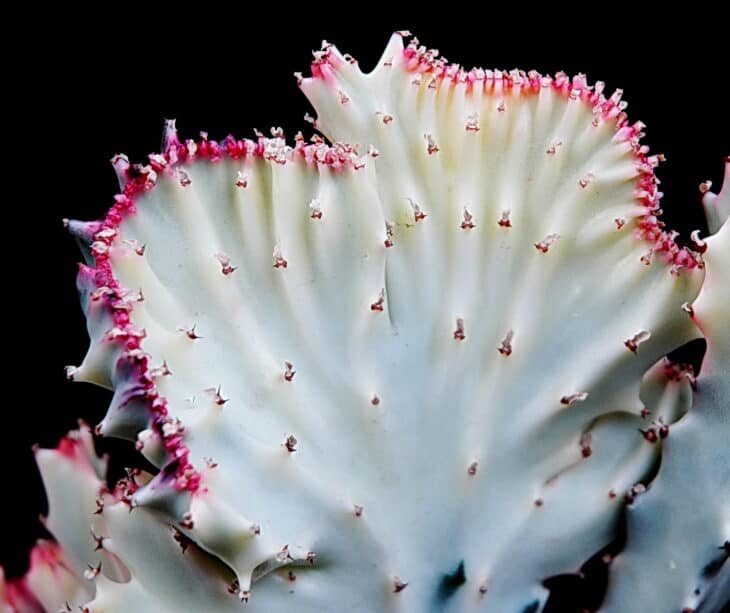
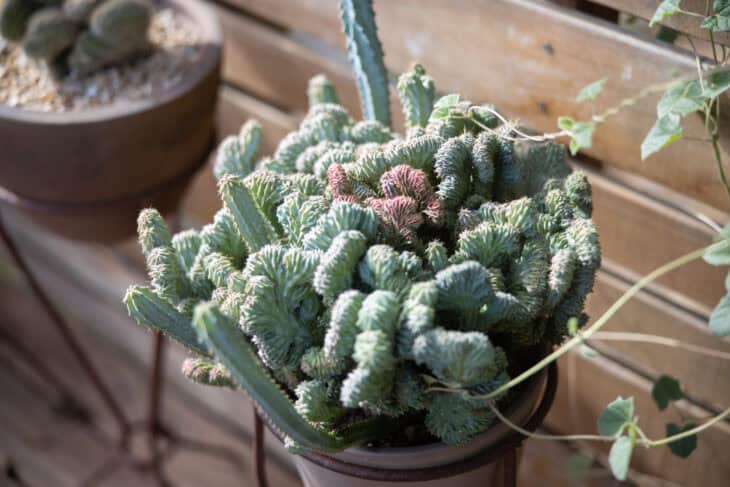
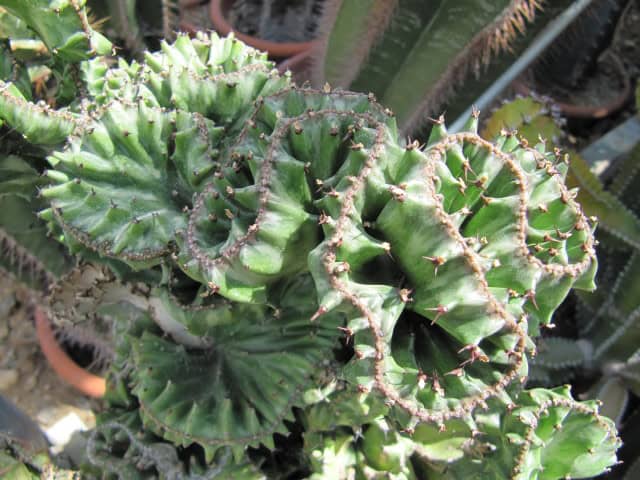
- Variegated and crested cultivars are commonly sold.
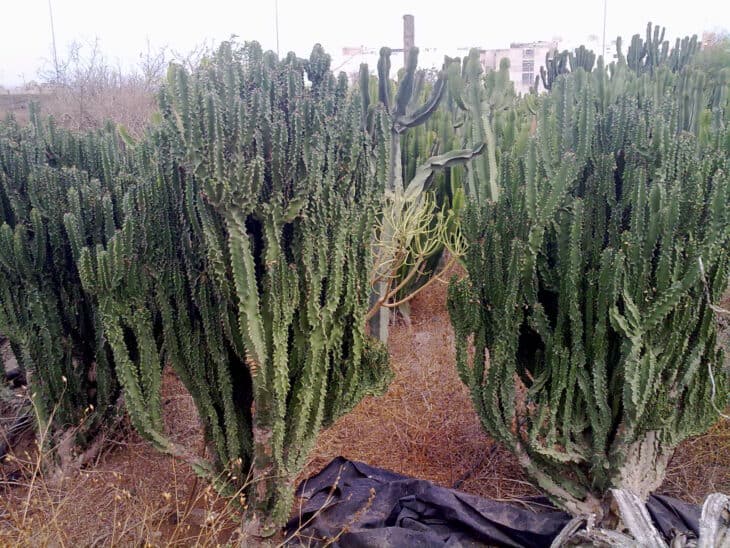
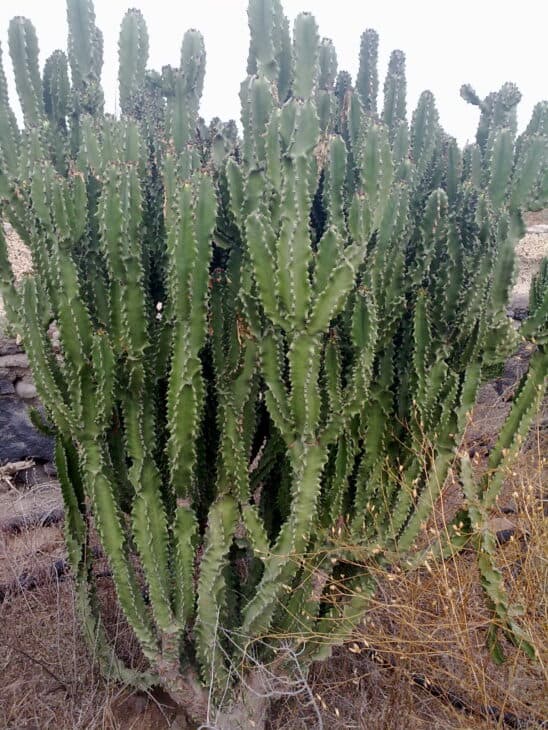
- Attractive columnar or branching form that can be trained or pruned.
Candelabras Cactus (Euphorbia lactea) is a succulent spurge prized for its architectural columnar form in warm gardens and as a striking container specimen. It tolerates drought but produces a caustic white sap that can irritate skin and eyes.
Identification
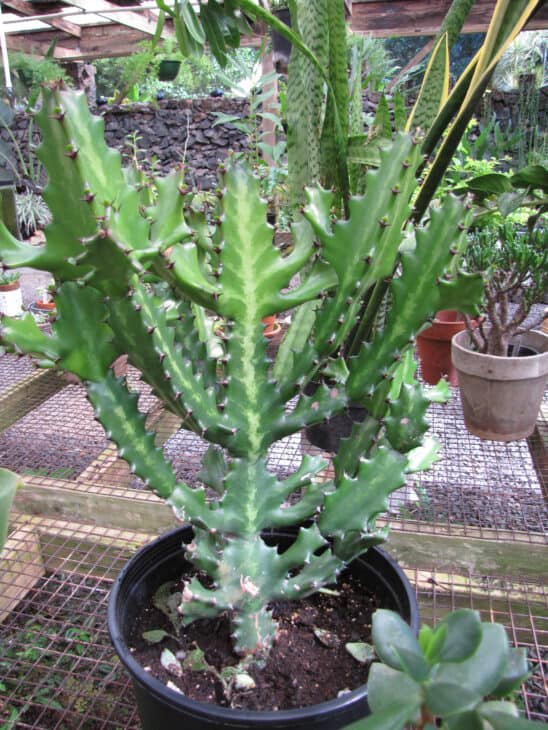
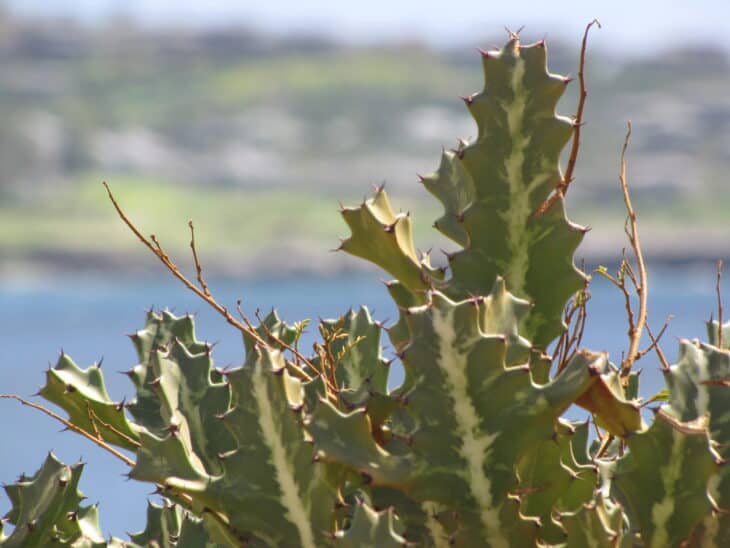
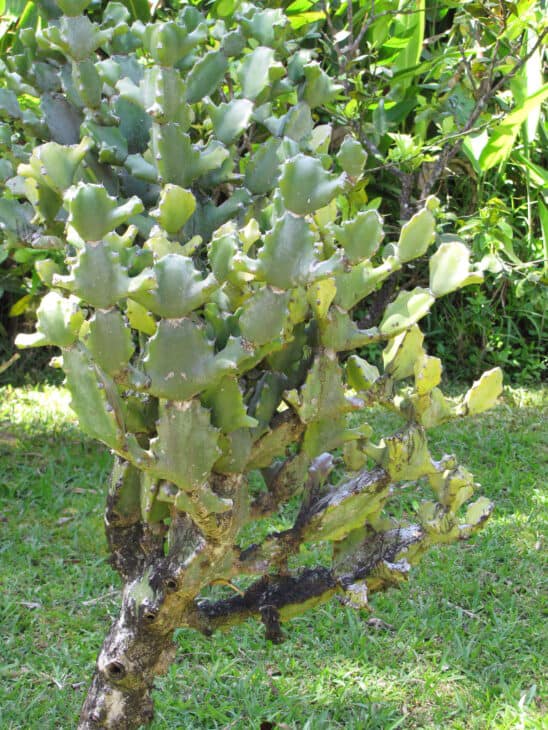
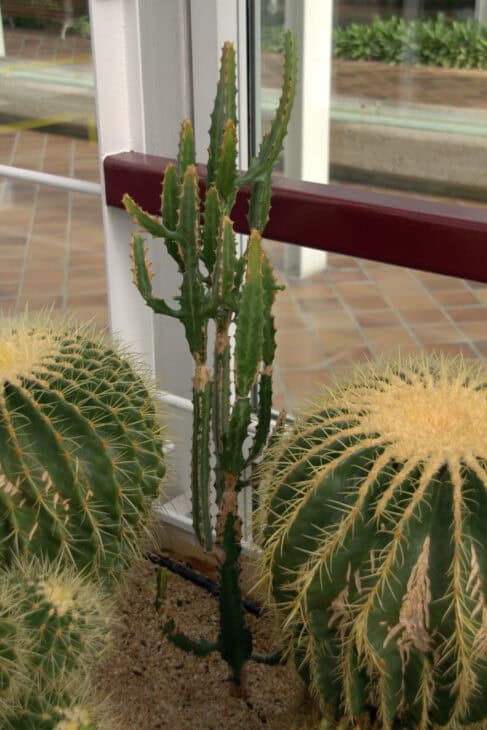
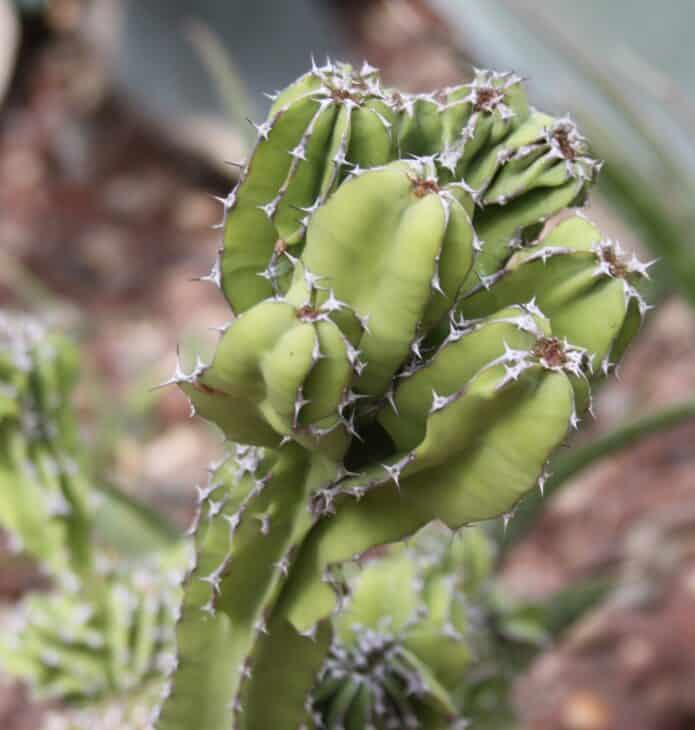
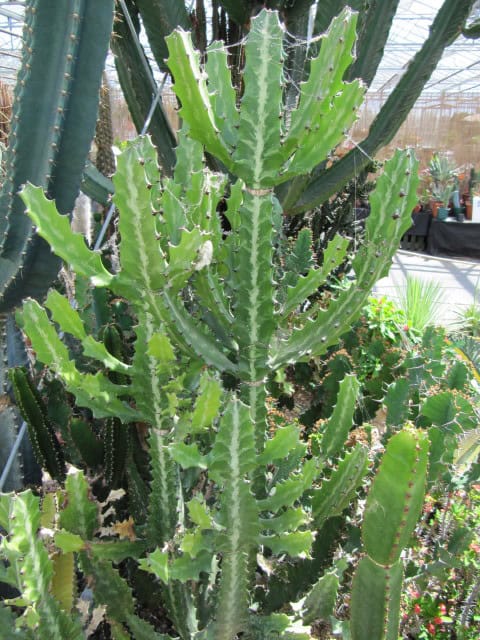
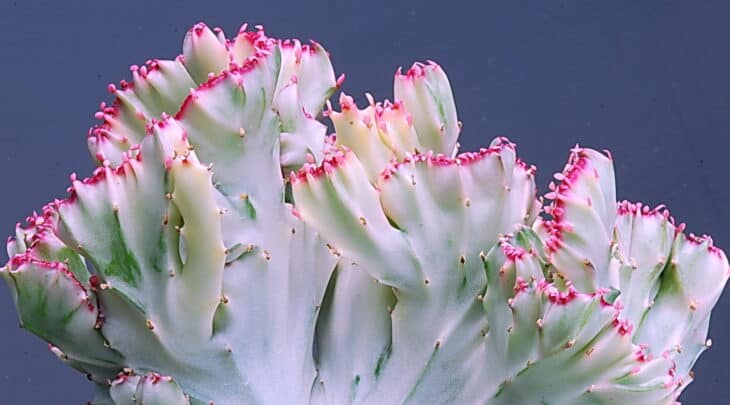
This plant is a succulent spurge not a true cactus and often forms upright columns or branched shrubby stems. Many nursery forms are variegated or crested and grafted specimens are common. Typical mature size varies with climate and cultivar and container plants remain much smaller than landscape specimens.
Where to grow and best uses
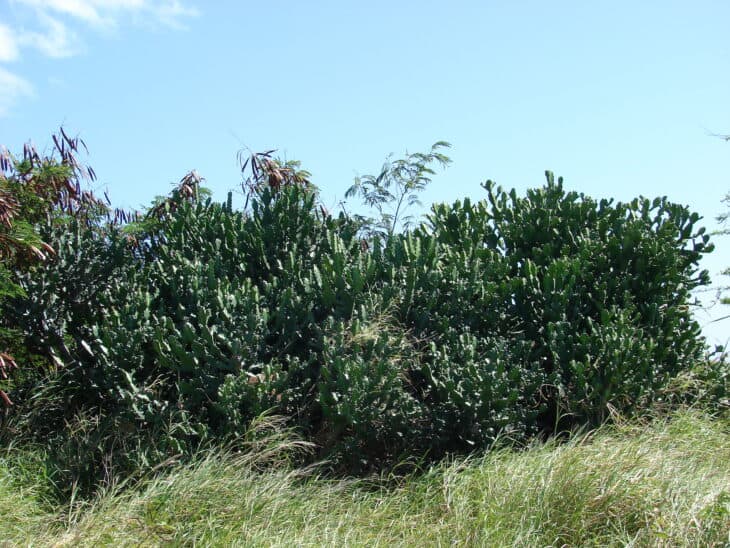
Grow outdoors in warm climates where it is root hardy in USDA zones 10-11 and use as an architectural specimen or informal screen. In colder areas keep in pots and move under cover for frost. It works well as a focal point in cactus and succulent beds and on patios where dramatic vertical form is wanted.
Soil and potting
Plant in a very well draining sandy or gritty soil or a commercial cactus mix. Avoid heavy clay or sites that hold water because persistent moisture causes root rot and plant decline. Use a pot with good drainage and repot into a slightly larger container only when roots fill the pot.
Light and watering
Provide full sun to bright light and protect from the hottest midday sun in very hot climates. Water sparingly and allow the potting medium or garden soil to dry between waterings. Overwatering leads to soft stems and root rot while dry intervals maintain compact, healthy growth.
Toxicity and safe handling
All parts contain milky latex sap that is caustic and can irritate skin and eyes and cause upset if eaten. The plant is toxic to pets. Wear gloves and eye protection when pruning or taking cuttings and rinse skin promptly if sap makes contact.
Propagation and pruning
Propagate from stem cuttings after allowing cut surfaces to callus to reduce rot and root cuttings in a sharp free draining mix. Grafting is commonly used for crested and variegated forms. Prune to shape or remove damaged growth while avoiding sap exposure and letting wounds dry before planting or disposal.
Containers and winter protection
Container culture keeps plants compact and allows winter shelter. Move pots indoors or to a protected spot before frost and give bright light while sheltered. In marginal climates provide frost protection and shelter as cold causes dieback and loss of branches.
After flowering care
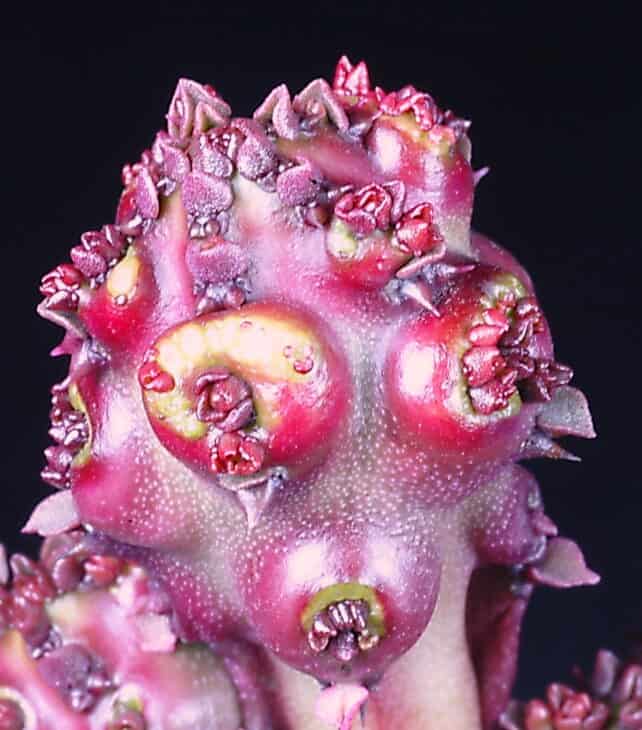
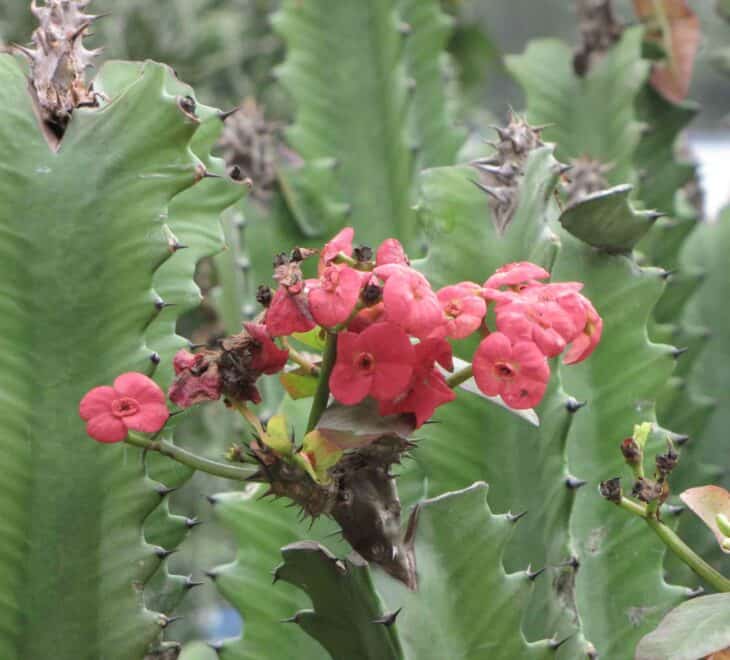
Euphorbia produce small cyathia and flowering varies by cultivar and climate. After blooms fade remove spent flower clusters and prune any weak or frost damaged stems. Always protect eyes and skin from sap when deadheading or pruning and allow wounds to dry before planting or disposal.
Controlling size and landscape impact
The plant can reach several meters in warm climates and typically spreads three to ten feet depending on branching and pruning. Control size with timely pruning and containering. It is not cold tolerant so it will not naturalize in climates colder than its hardiness range.
Frequently asked questions
- How fast does Candelabras Cactus grow?
- Growth rate varies by climate and cultivar. In warm, sunny sites plants can grow moderately fast and reach several meters over years while plants in containers or cool sites grow much more slowly.
- Is it poisonous to pets?
- Yes. All parts contain caustic sap that can irritate and cause gastrointestinal upset if eaten. Keep out of reach of pets and supervised children.
- Can I root stem cuttings?
- Yes. Take healthy stem cuttings, let the wounds callus for several days and root in a sharp free draining mix while avoiding sap contact.
- How hardy is it to cold?
- It is root hardy in USDA zones 10-11. In cooler areas grow in containers and protect from frost or provide shelter in marginal sites.
- What soil is best?
- Use very well draining sandy or gritty soil or a commercial cactus mix. Avoid heavy soils that hold water to prevent root rot.
- How often should I water?
- Water sparingly and allow soil to dry between waterings. Overwatering results in soft stems and root rot while dry cycles encourage robust succulent growth.
Gallery
Related Plants


Mentioned In (1)
Plants
22 Poisonous Plants in Arizona
Arizona is home to a hot and dry climate, which is generally a place where poisonous plants can thrive. These…