
Key Facts
- Evergreen to semi-evergreen scrambling shrub in warm climates.
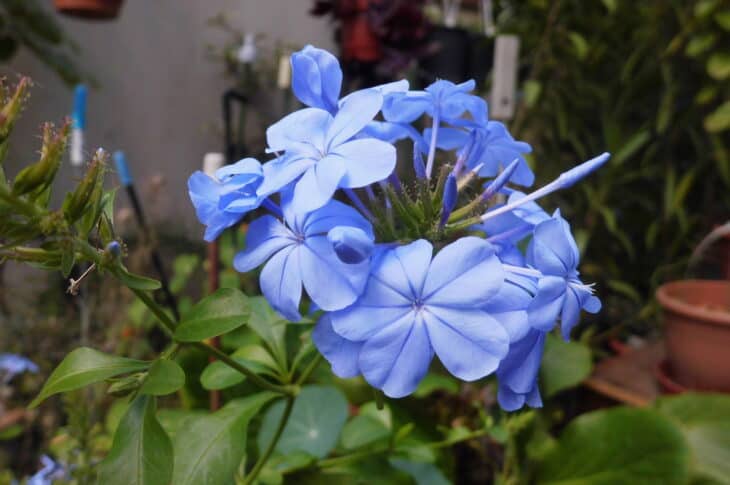
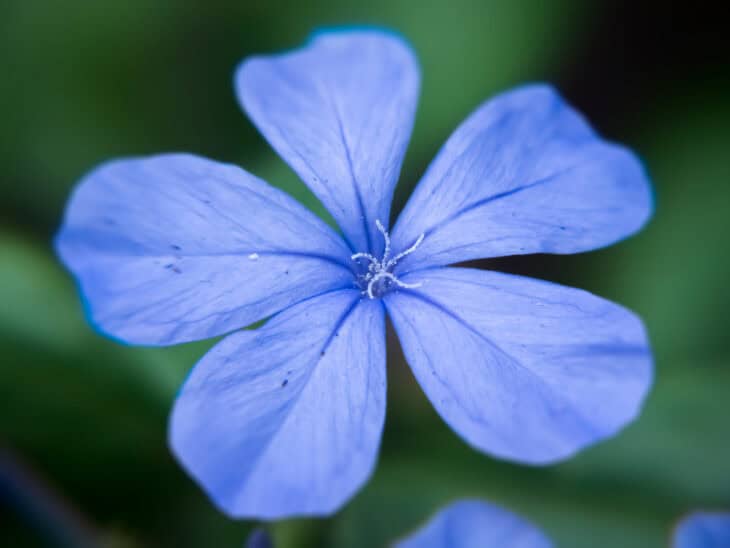
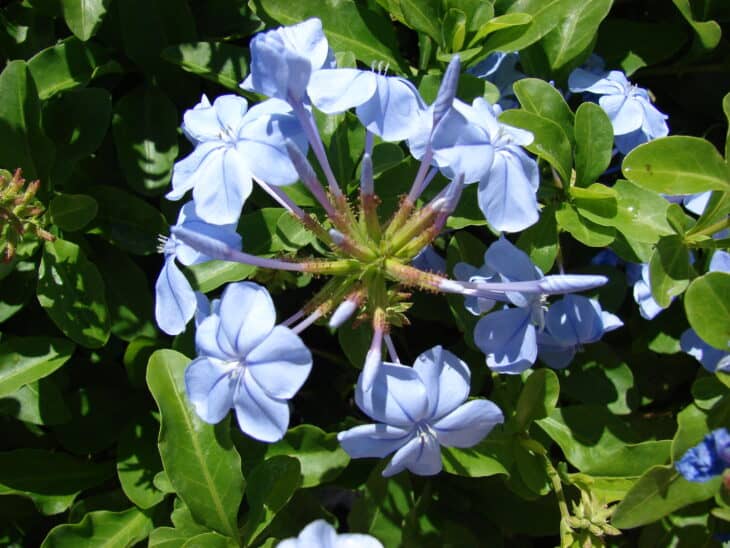
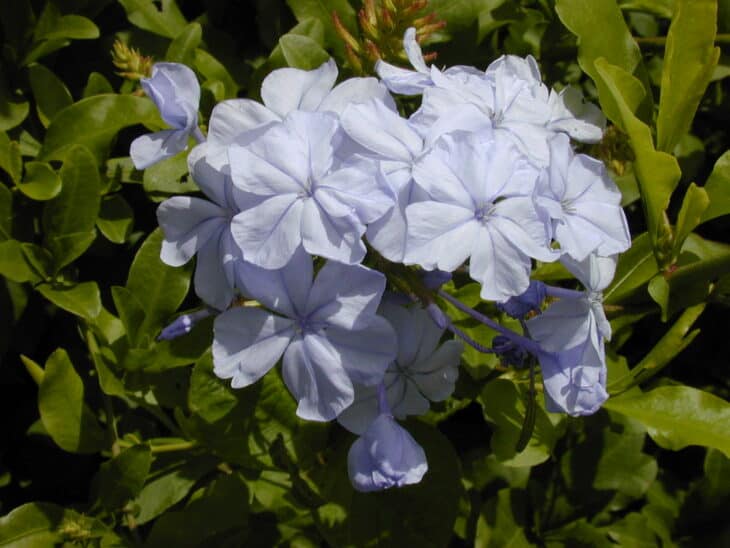
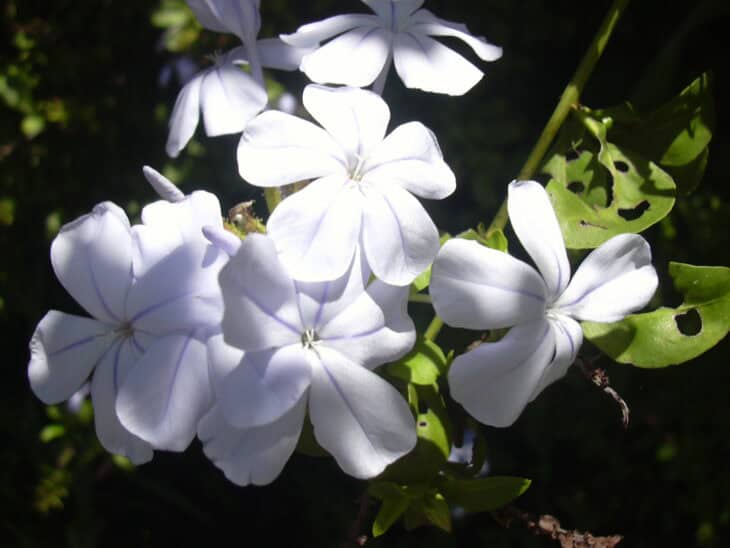
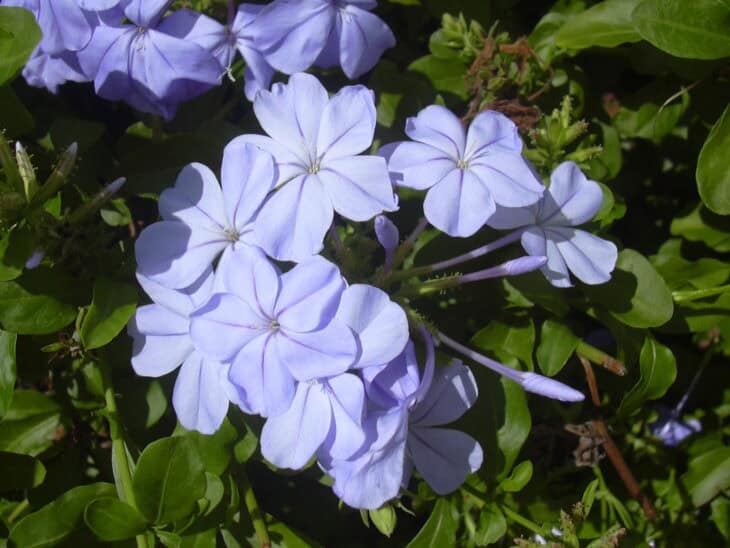
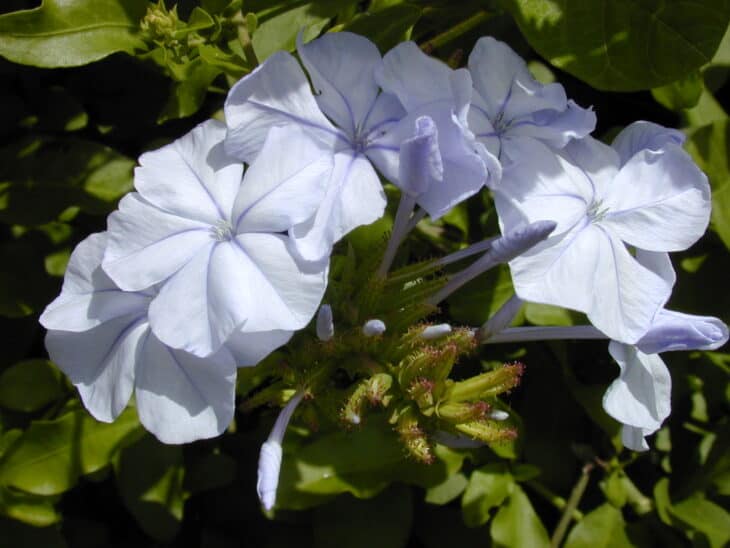
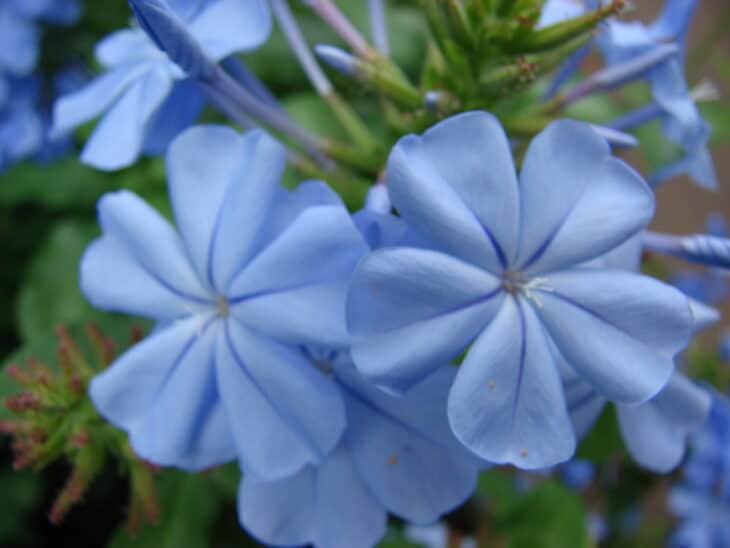
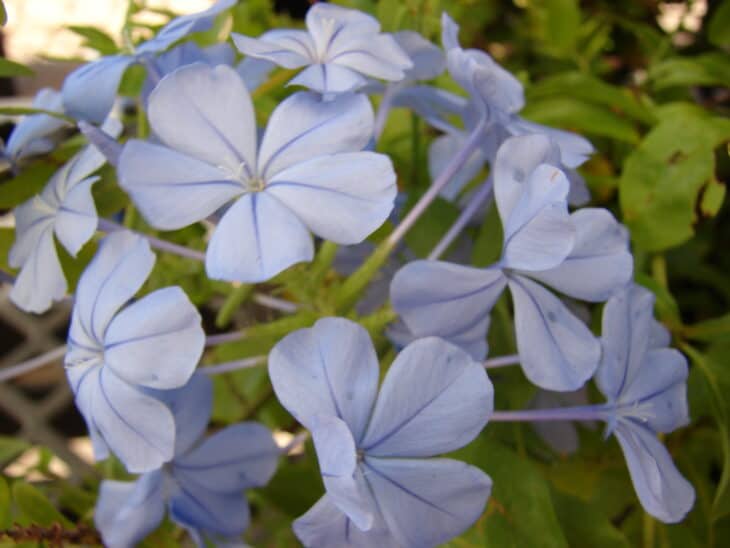
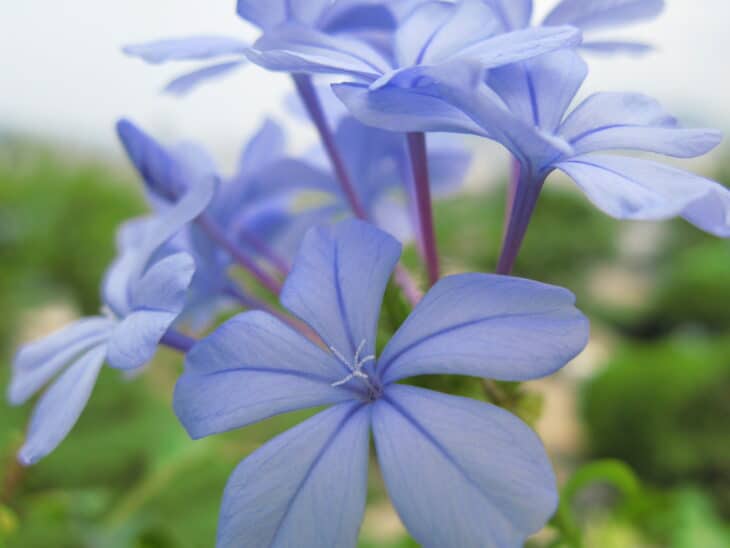
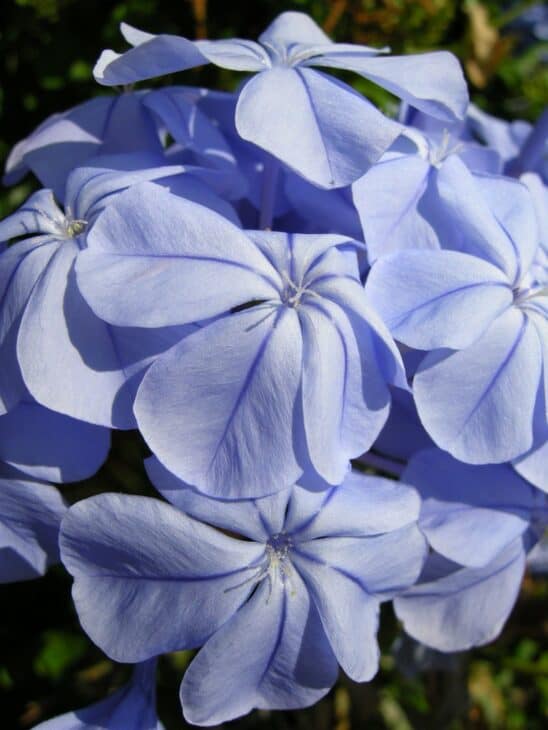
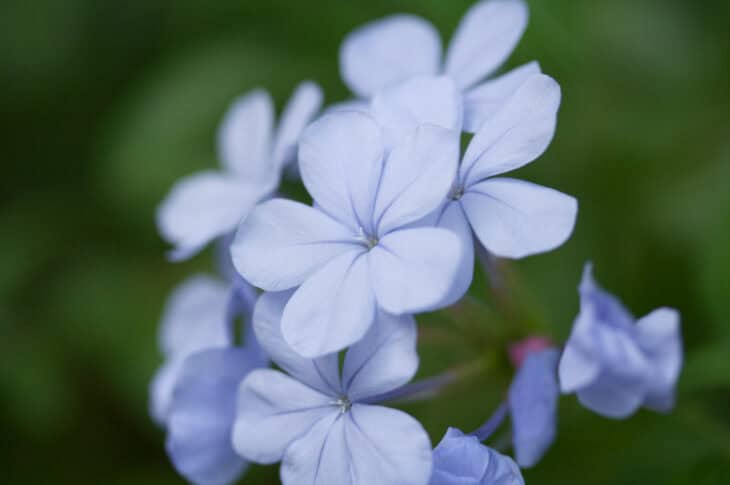
- Clusters of sky blue to pale blue tubular flowers that attract butterflies.
- Flowers mainly from spring through fall and can bloom year round in frost free areas.
- Tolerates pruning and can be trained as a hedge or on a trellis.
- Prefers well drained soil and full sun for best flowering.
- Drought tolerant once established but benefits from regular summer water.
- Easily propagated by softwood or semi ripe cuttings or by layering.
- Frost sensitive outside USDA zone 9b and colder areas may suffer dieback.
Cape Leadwort is an evergreen to semi evergreen scrambling shrub prized for masses of sky blue tubular flowers that attract butterflies. It performs best in warm climates but is frost sensitive outside USDA 9b to 11 and can die back in colder areas.
Identification
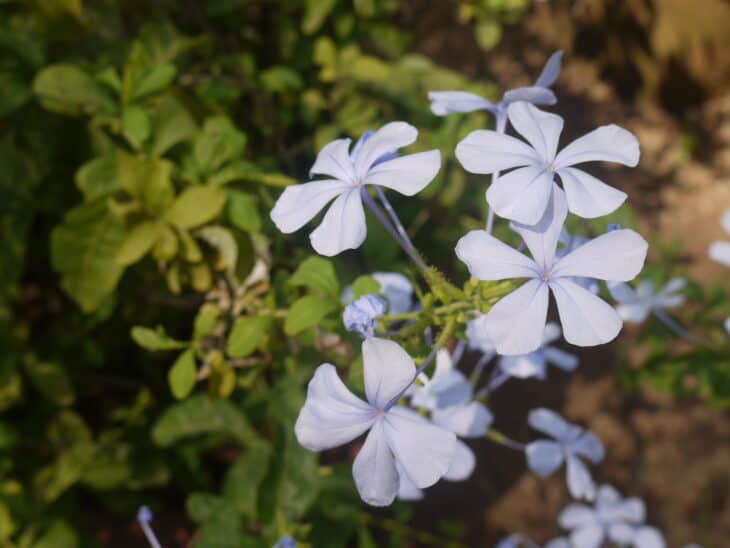
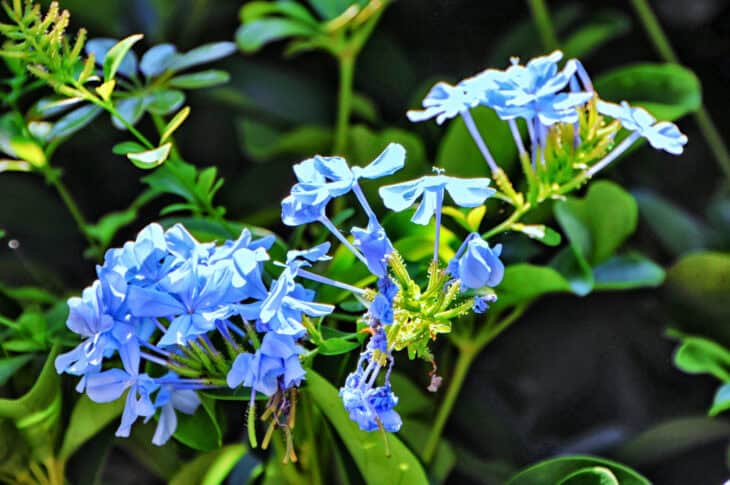
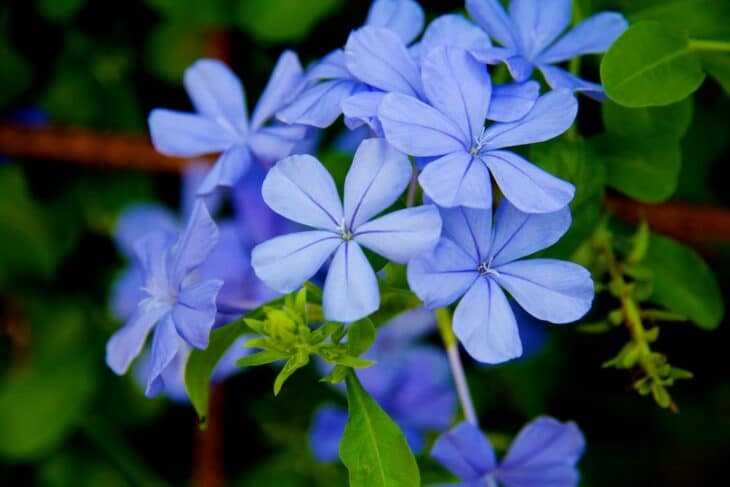
Plumbago auriculata has clusters of sky blue to pale blue tubular flowers and glossy green leaves. Plants typically reach about 3 to 6 feet tall and spread similarly when left to scramble, and can climb or trail higher when supported on a trellis or wall.
Best uses and where to grow
Use Cape Leadwort as a flowering hedge, trained climber on a trellis, informal groundcover or specimen shrub in warm borders. In cooler climates grow in containers for summer display and move indoors or protect over winter to avoid frost damage.
Planting and seasonal timing
Plant in well drained soil with full sun for the best flowering performance. In frost prone areas establish plants after the risk of hard frost has passed and in frost free locations transplanting can be done through much of the year.
Light soil and watering
Full sun produces the heaviest bloom and light afternoon shade is tolerated at the cost of fewer flowers. Cape Leadwort prefers well drained soils and will decline in waterlogged ground. It is drought tolerant once established but benefits from regular water during hot dry periods.
Pruning and after flowering care
Plants tolerate hard pruning and respond well to shaping so prune to size after heavy flowering flushes. Remove frost damaged wood in spring and cut back long or tangled stems to encourage fresh growth and renewed flowering during the next season.
Propagation and containers
Propagate easily by softwood or semi ripe cuttings and by layering for true to type plants. Containers are suitable for patios and balconies and allow overwintering in cooler zones. Pot grown plants need regular summer water and light feeding to sustain blooms.
Controlling spread and winter care
Cape Leadwort can spread to about 3 to 6 feet and becomes larger if left unpruned, so control size with regular trimming. In zones colder than USDA 9b consider heavy mulching or moving containers indoors because plants may die back to the ground with frost.
Frequently asked questions
- How fast does Cape Leadwort grow?
- Growth is moderate to fast when planted in full sun and good soil. Expect plants to reach roughly 3 to 6 feet under favorable conditions and to scramble higher with support.
- Is Cape Leadwort toxic to pets?
- Sap can irritate skin and eyes and ingestion may cause gastrointestinal upset. Toxicity listings vary between sources so verify with local poison control or ASPCA resources for your region.
- Can it be grown in containers?
- Yes. Containers let you move plants out of frost and control root moisture. Provide well drained potting mix, summer water and prune to keep a manageable size.
- Does it need full sun?
- Yes. Full sun gives the best flowering. Light afternoon shade is acceptable but heavy shade reduces bloom production.
- How should I propagate Cape Leadwort?
- Take softwood or semi ripe cuttings or use layering. Cuttings root quickly and maintain the parent traits for consistent flower color.
Gallery

Related Plants

