
Key Facts
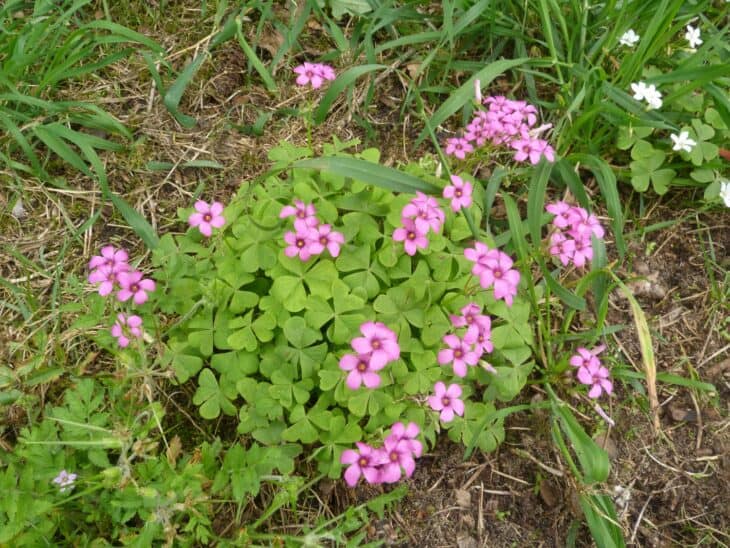
- Tuberous perennial with cloverlike trifoliate leaves.
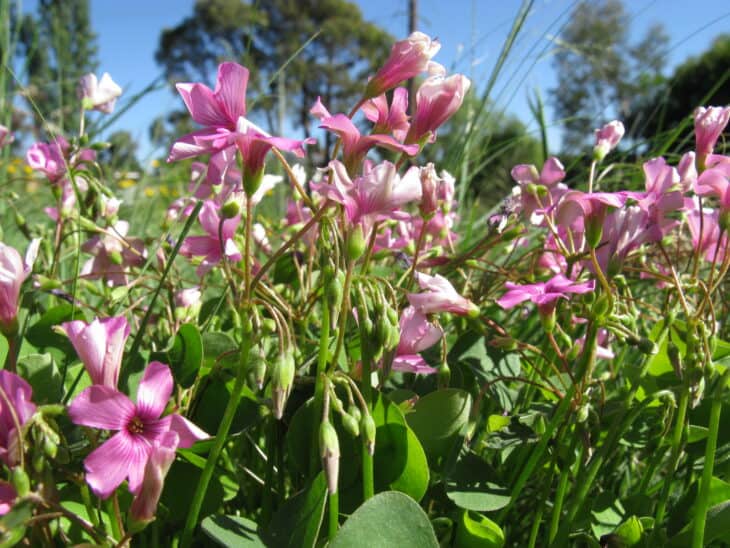
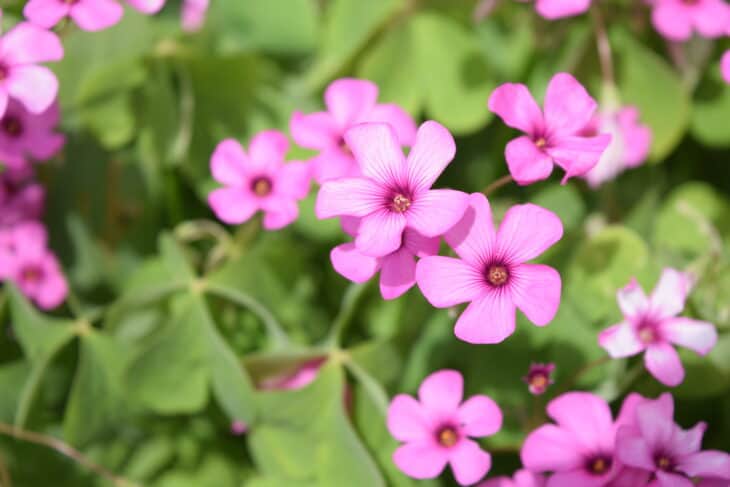
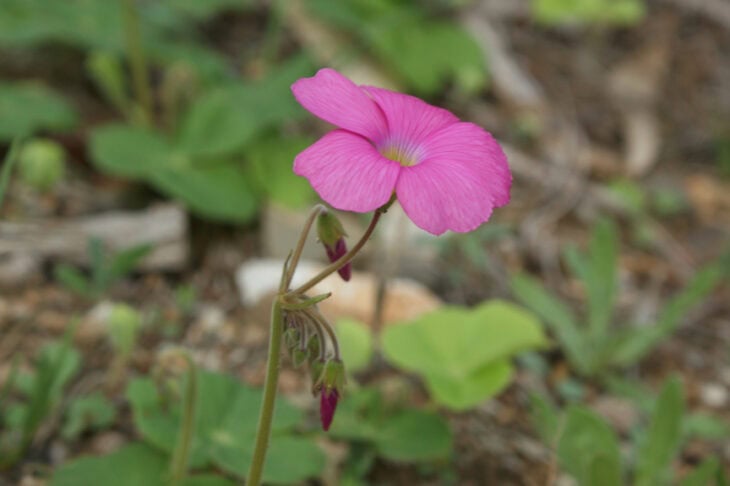
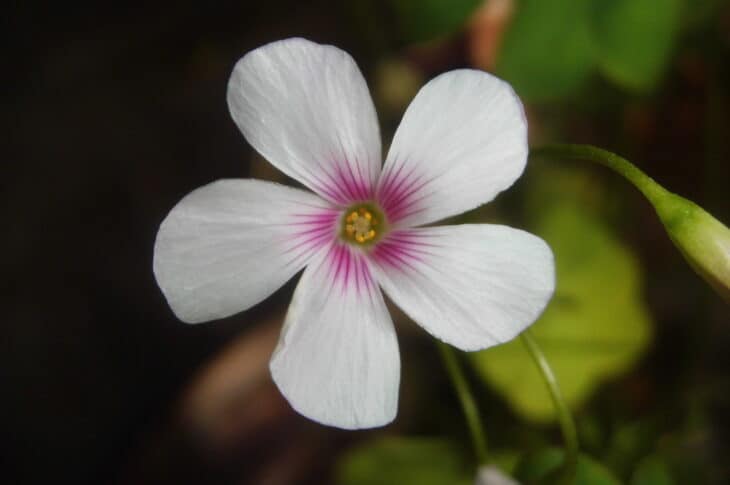
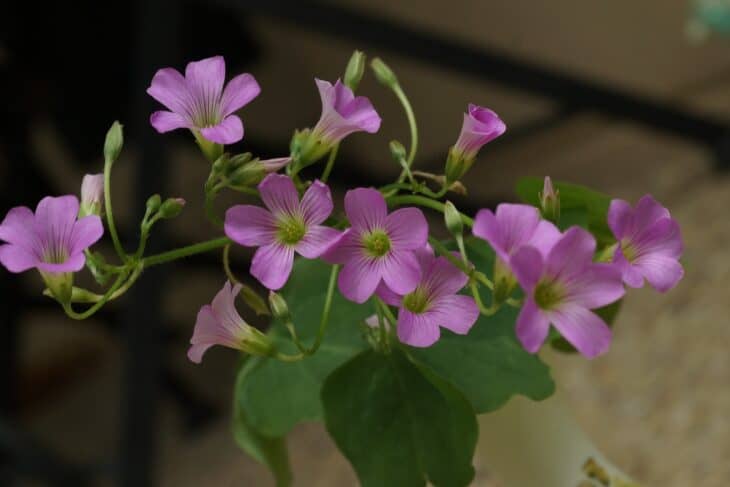
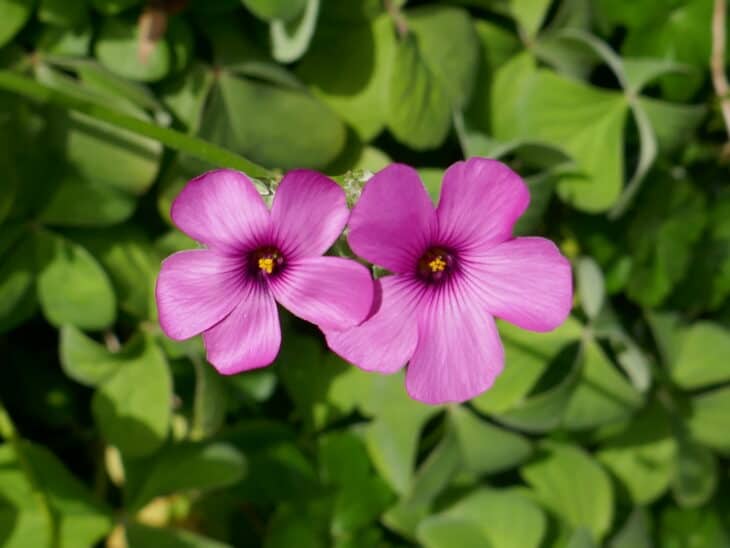
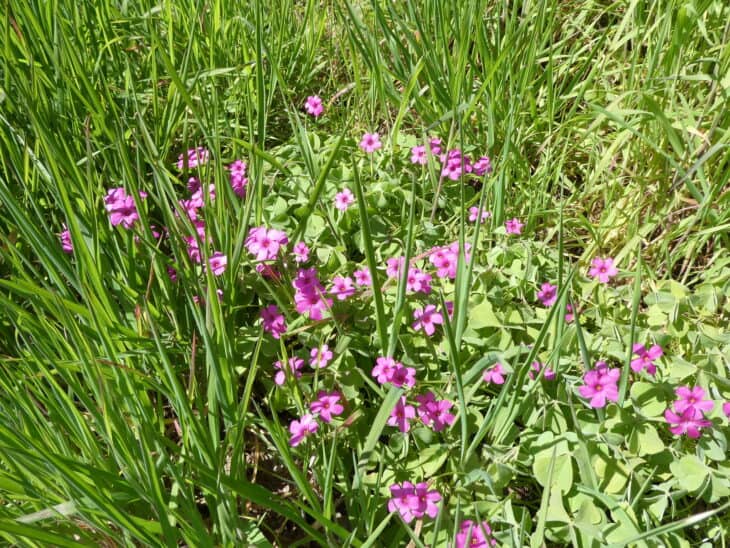
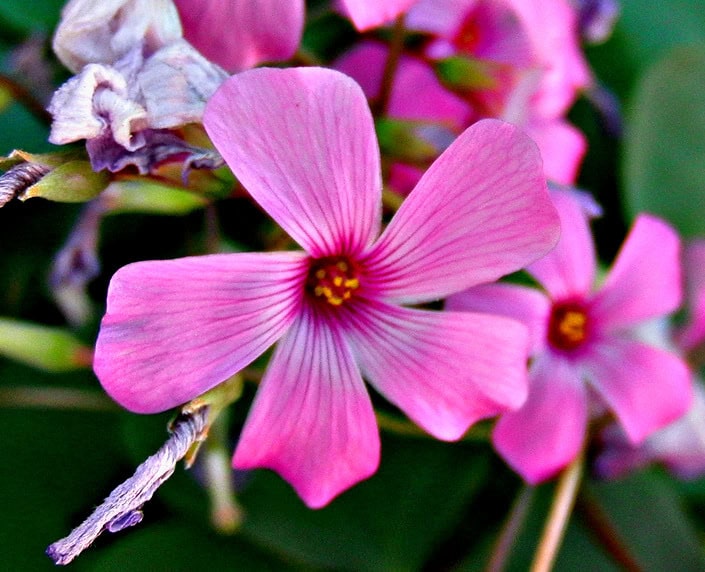
- Produces pink to rose five petaled flowers.
- Native to parts of South America and widely naturalized.
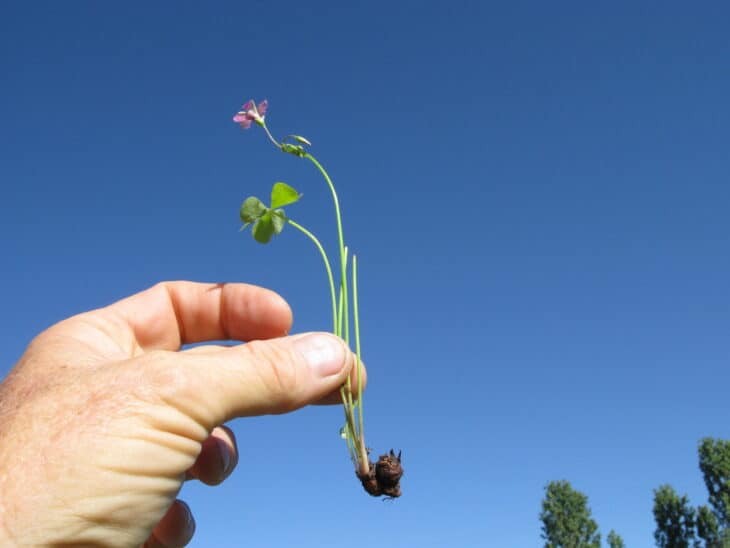
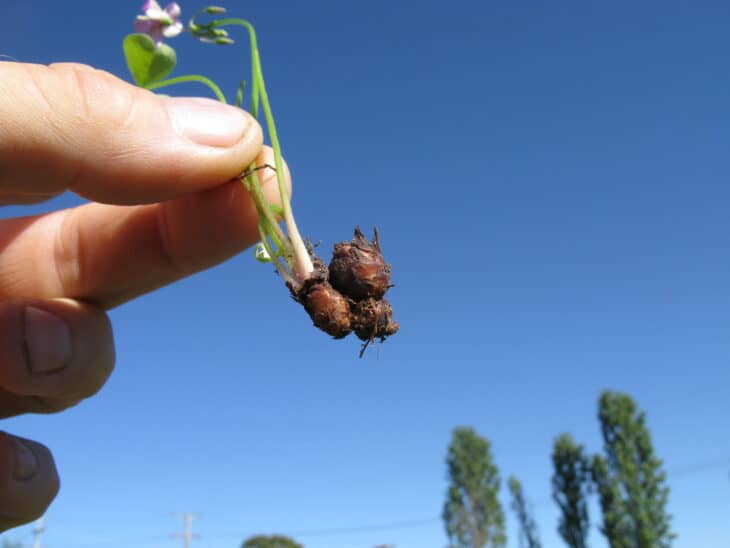
- Spreads by small underground bulbils and by seed.
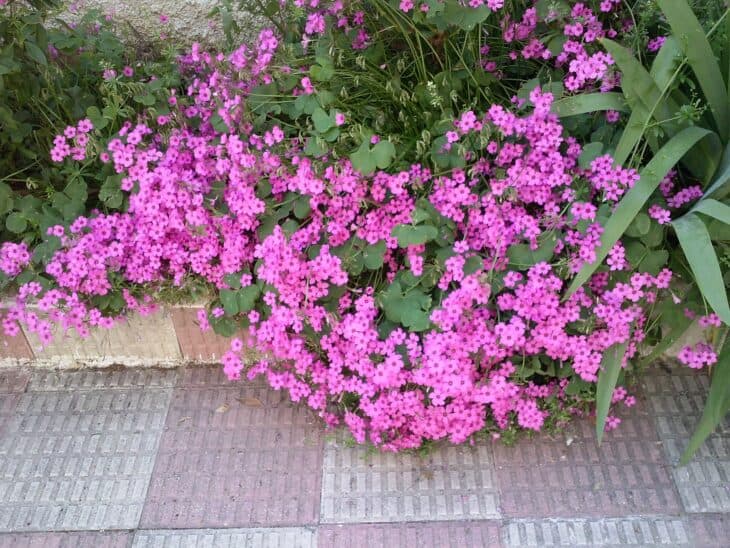
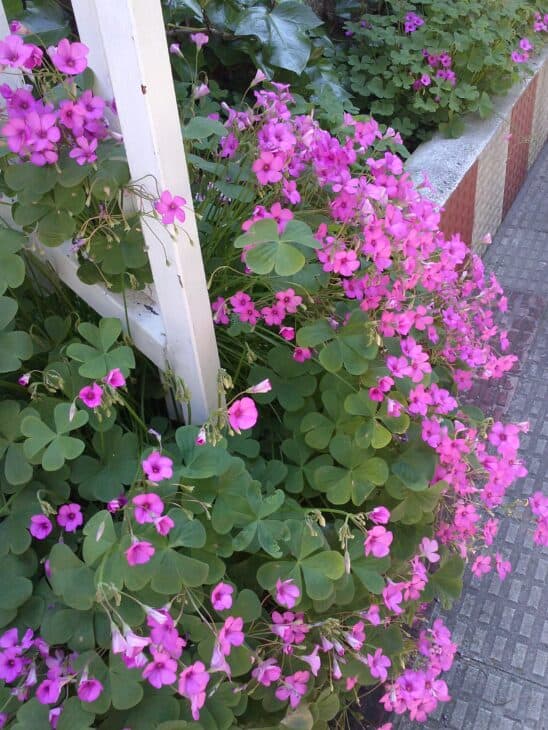
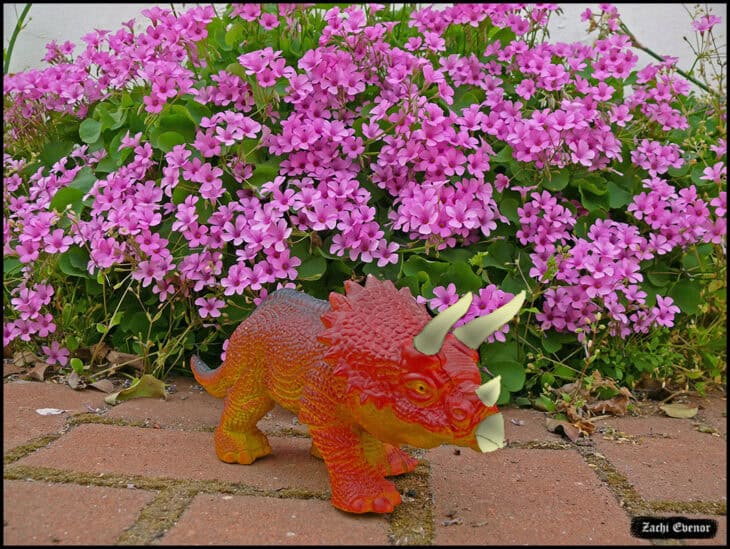
- Often used as a groundcover or grown in containers.
- Can become weedy or invasive in warm, moist sites.
- Leaves and stems contain soluble oxalates that are sour and may be harmful if eaten in quantity.
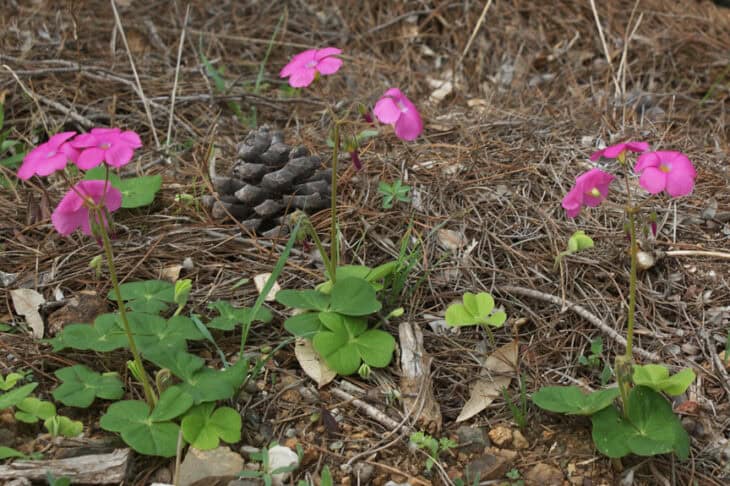
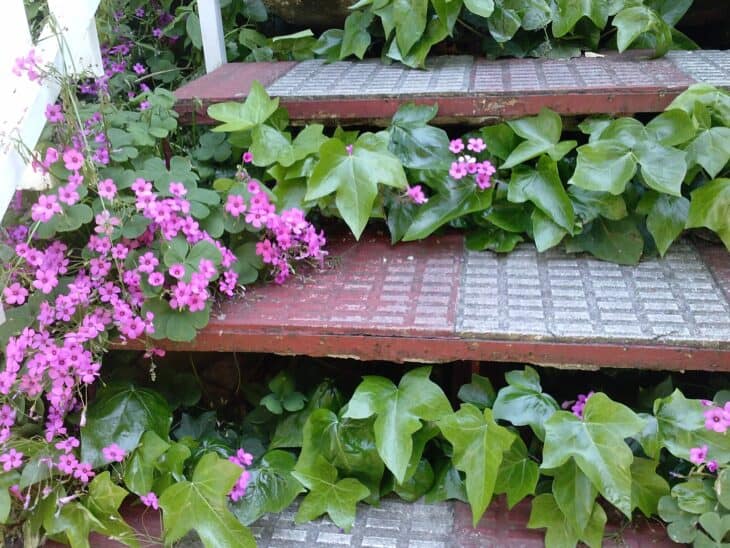
Pink Wood Sorrel is a tuberous perennial with cloverlike trifoliate leaves and pink to rose five petaled flowers. It is often grown as a low groundcover or in containers but can naturalize and become weedy in warm moist sites.
Identification
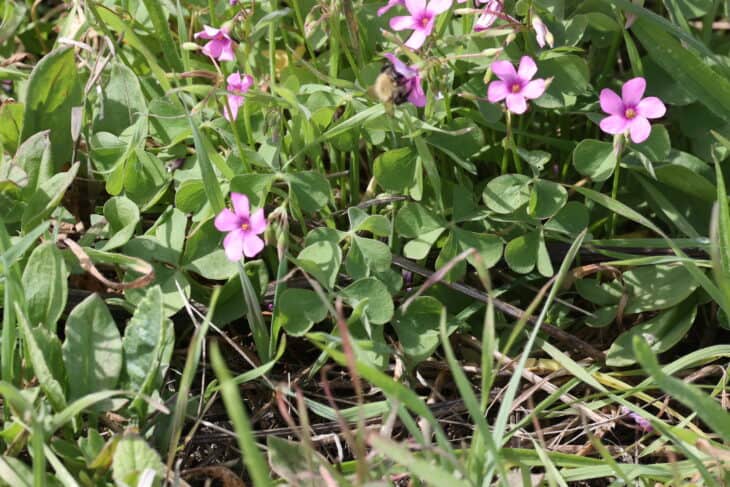
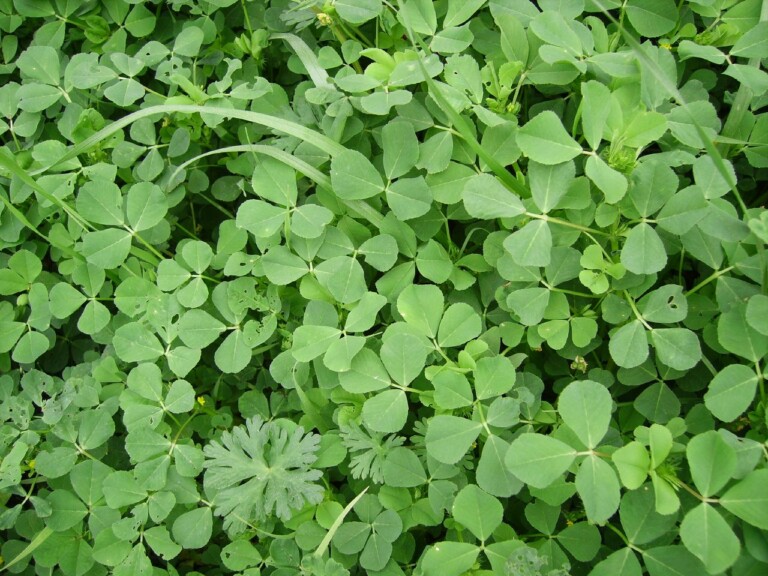
Leaves are cloverlike with three leaflets and the plant forms low clumps roughly 6 to 12 inches tall. Flowers are pink to rose with five petals and show mainly from spring through summer in many climates. Leaves and stems contain soluble oxalates that give a sour taste and can cause problems if eaten in quantity.
Where to grow and best uses
Grow in full sun to part shade for best flowering and reliable foliage. It is commonly used as a groundcover and works well in pots where spread can be controlled. Plants behave reliably as perennials in approximately USDA zones 7 to 10 and may die back to tubers in colder winters.
Planting time and establishment
Establish plants from tuber division or seed during the active growing season when soil is workable. Division of underground tubers and bulbils produces the fastest results. Choose a site with good drainage and moderate fertility for the quickest establishment and to avoid stress that reduces flowering.
Watering and soil
Prefers well drained, fertile to average garden soil and tolerates a range of soils including heavier types. Avoid waterlogged conditions which lead to tuber rot. Consistent moisture supports vigorous growth and repeat flowering while prolonged drought reduces bloom and vigor.
After flowering care
Remove spent flower stalks to reduce seed production and tidy the planting. Cut back foliage if it becomes untidy or to prepare beds for other plants. Every few years divide crowded clumps to refresh vigor and control spread by removing excess tubers and bulbils.
Spread and naturalizing control
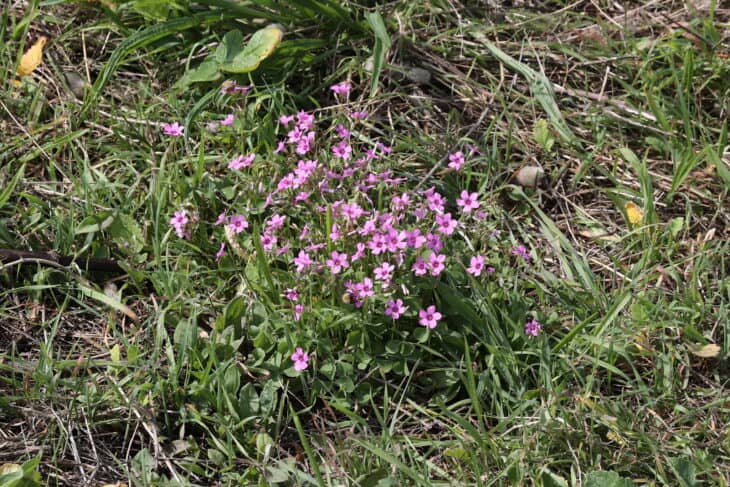
Pink Wood Sorrel spreads by small underground bulbils and by seed and can form mats roughly 12 to 24 inches across where naturalized. In warm moist sites it can be weedy and difficult to eradicate. Control by digging and removing tubers and bulbils, growing in containers, or maintaining physical barriers to slow spread.
Containers and cultivation
Container culture keeps growth contained and simplifies winter protection in colder areas. Use a free draining potting mix and a container large enough for tuber growth. Containers reduce the risk of unwanted naturalizing and make it easier to move plants indoors where winters are harsh.
Propagation
Propagate by dividing tubers or bulbils and by sowing seed. Division of underground tubers is the quickest way to establish clumps. Some cultivars produce abundant small bulbils that aid spread while others from seed or sterile selections may behave differently.
Frequently asked questions
- How fast does Pink Wood Sorrel grow?
- Growth can be rapid in warm moist conditions. Plants often form low mats about 12 to 24 inches across as they spread by underground bulbils and by seed.
- Is Pink Wood Sorrel toxic to pets?
- Leaves and stems contain soluble oxalates which can cause gastrointestinal upset if eaten in quantity. For serious concerns check with local poison control or extension resources.
- Will it survive winter?
- In approximately USDA zones 7 to 10 it behaves as a perennial. Colder climates typically cause dieback to tubers or loss of top growth unless plants receive winter protection.
- How do I get rid of Pink Wood Sorrel?
- Remove and discard tubers and bulbils by digging. Persistent infestations require repeated removal because leftover bulbils regenerate. Containment in pots or barriers helps prevent re establishment.
- Can I grow Pink Wood Sorrel in containers?
- Yes. Containers make it easier to control spread and to protect tubers in cold winters. Use a well draining mix and avoid overwatering to prevent tuber rot.
Gallery


Related Plants


Mentioned In (1)
Plants
9 Plants That Look Like Clover (Including 2 That Are Clover)
The plants most often mistaken for clover are wood sorrels (Oxalis) and black medic. Wood sorrels have heart-shaped leaflets that…