
Key Facts
- Tropical evergreen subshrub grown as an ornamental.
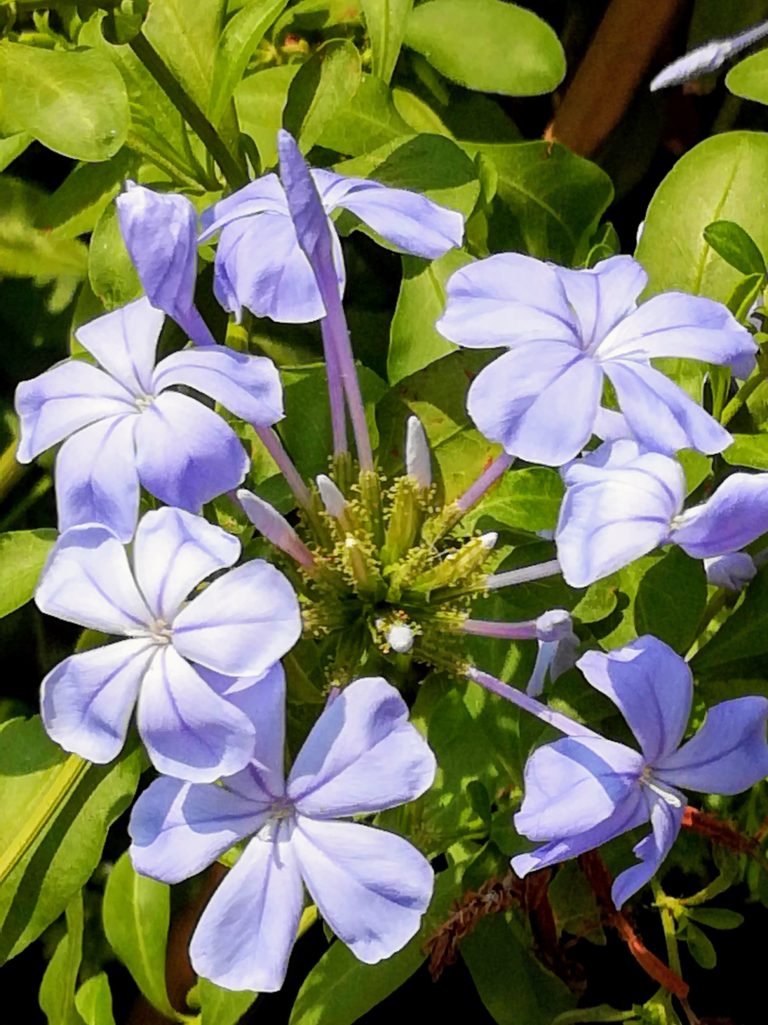
- Produces long narrow tubular white flowers that can be fragrant at night.
- Flowers may appear much of the year in warm frost free locations.
- Commonly grown in gardens or in containers where frost occurs.
- Prefers well drained soil and consistent moisture without waterlogging.
- Performs in full sun to part shade.
- Reported to be toxic if ingested by people or animals.
- Propagated by seed and by cuttings.
Madam Fate (Hippobroma longiflora) is a tropical evergreen subshrub grown for its long narrow tubular white flowers that can be fragrant at night. It performs well in frost free beds and is commonly kept in containers where frost occurs to protect it in cooler climates.
Identification
Compact and evergreen, this subshrub typically reaches about 1 to 3 ft 30 to 90 cm tall and spreads to a similar width. The most distinctive feature is the long narrow tubular white flowers that may open at night and sometimes carry a fragrance. Leaf and stem details vary with growing conditions.
Best uses and where to grow
Use Madam Fate as an accent in mixed borders, a container patio plant, or a small massing specimen in frost free gardens. It offers long season floral interest in warm climates but is reported to be toxic if ingested so keep it away from children and pets and avoid planting where livestock might browse.
Planting and spacing
Choose a spot with well drained fertile soil and space plants roughly equal to their mature spread about 1 to 3 ft 30 to 90 cm apart. In colder areas plant in containers so you can move specimens indoors before frost. Avoid low spots with heavy standing water to reduce risk of root loss.
Watering and soil
Keep soil consistently moist but never waterlogged to prevent root loss and decline. Madam Fate tolerates average garden soils provided they drain well. Amending heavy soils with coarse material improves drainage and helps the plant stay healthy during wet periods.
Light and temperature
Grow in full sun to part shade. In very hot locations some afternoon shade helps protect foliage and flowers. The plant is a tender perennial in frost free climates and is often treated as an annual or container plant where frosts occur.
After flowering and maintenance
Remove spent flowers and trim back leggy stems to maintain a compact habit and encourage new growth. Regular light pruning keeps plants tidy and promotes more blooms in warm months. Monitor for overwatering which shows as yellowing foliage and reduced vigor.
Propagation and spread control
Propagate by seed or by softwood or semi hardwood cuttings. In warm climates plants can self seed so control spread by removing seed pods before they open or by growing in containers where seedlings are easier to remove.
Safety and pests
Madam Fate is reported to be toxic if ingested by people or animals. Handle with care and keep away from children and pets. For clinical details consult poison control or a veterinary toxicology source. No major pest problems are recorded here but monitor plants and treat issues promptly.
Frequently asked questions
- How fast does Madam Fate grow?
- Growth varies with climate and care and in warm frost free locations plants commonly reach their mature size of about 1 to 3 ft 30 to 90 cm within a single growing season.
- Is Madam Fate toxic?
- Yes it is reported to be toxic if ingested by people or animals. Consult poison control or veterinary sources for clinical details and take precautions when planting where children or pets are present.
- Can I grow Madam Fate in a container?
- Yes containers are a common choice in areas with frost. Containers allow you to move plants indoors before cold weather and to control self seeding.
- When does it bloom?
- In warm frost free locations it often flowers much of the year. In cooler climates blooms are mainly produced during the warm months.
- How should I propagate it?
- Propagate by seed or by taking softwood or semi hardwood cuttings. Seed grown plants may self seed in warm climates so remove volunteers if needed.
Related Plants


Mentioned In (1)
Plants
25 Poisonous Plants in Hawaii
Plants that may appear to look lush and green in the Hawaiian flora could actually be toxic and poisonous. Even…