
Key Facts
- A herbaceous perennial of wet soils and shallow water.
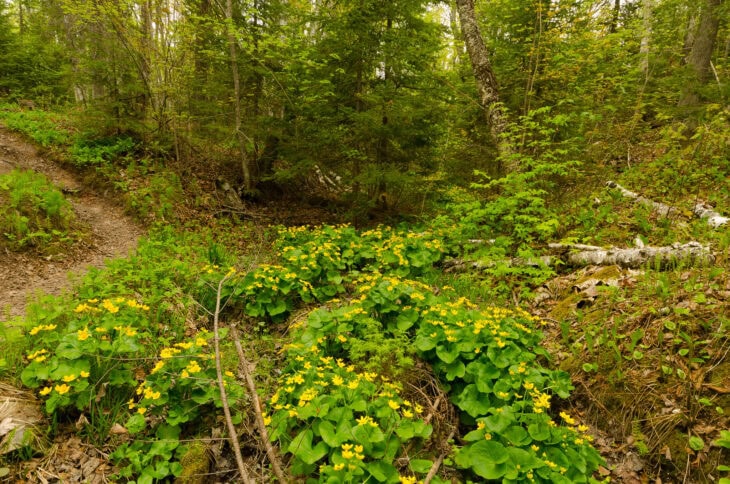
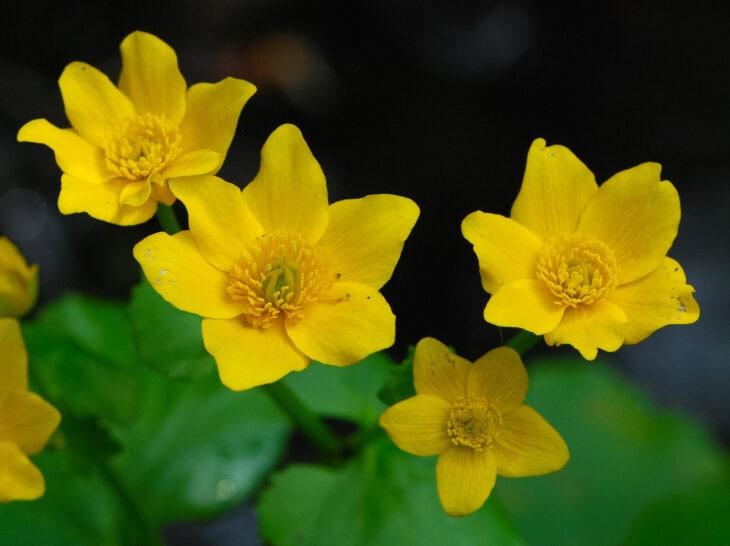
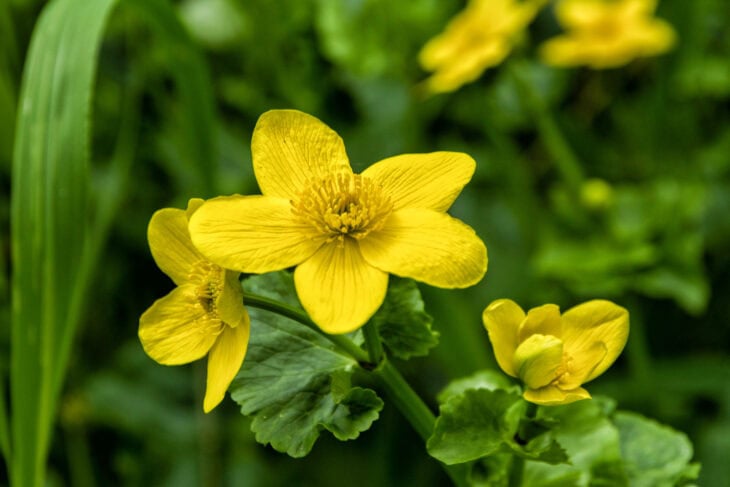
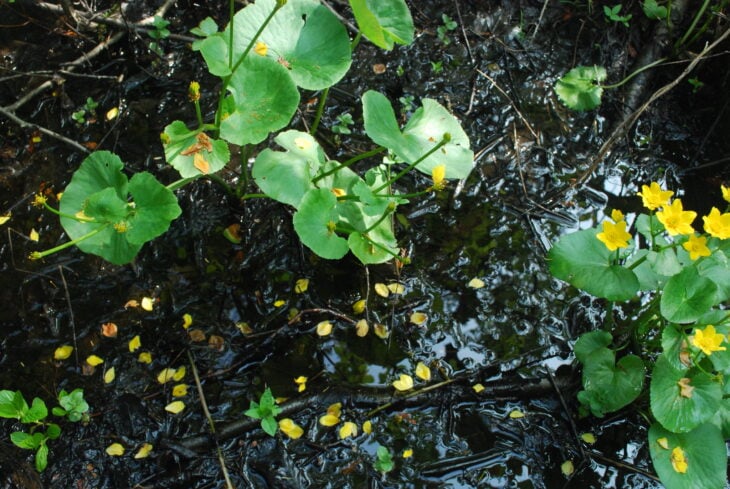
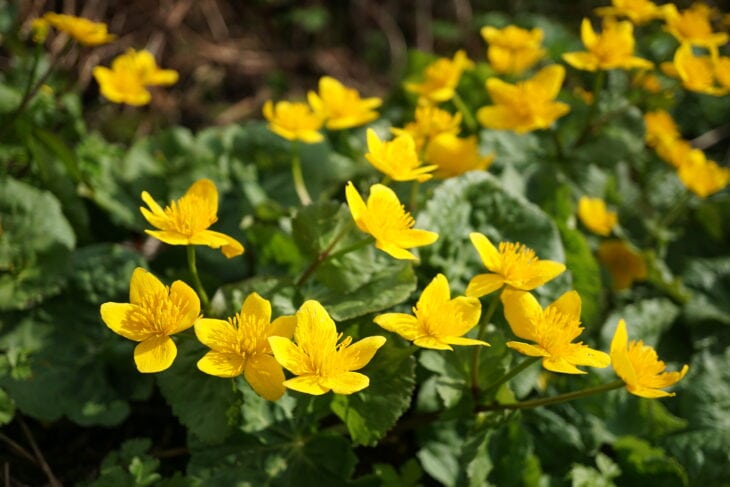
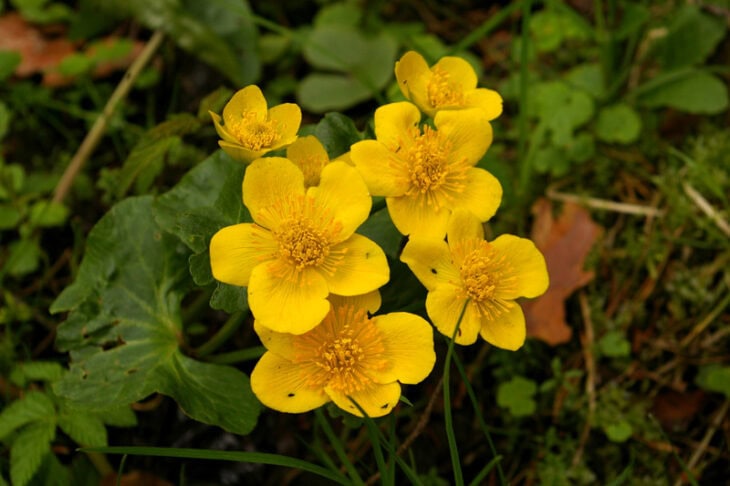
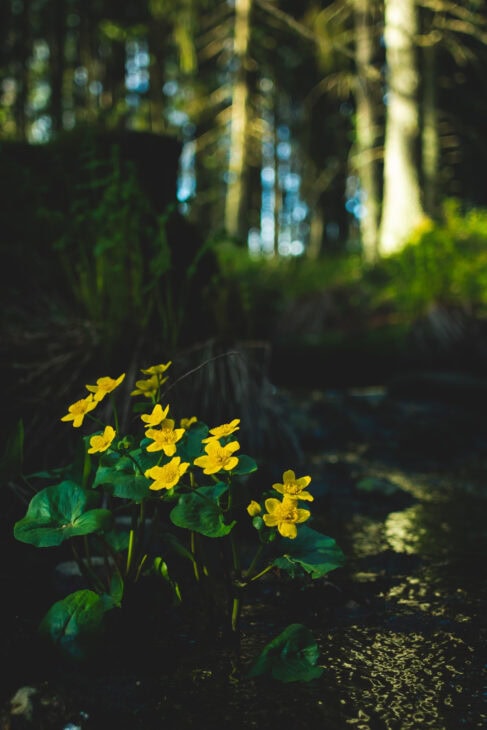
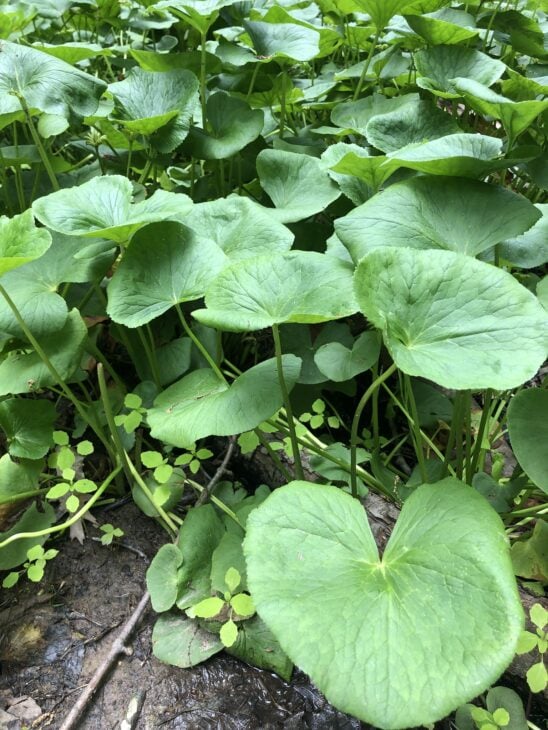
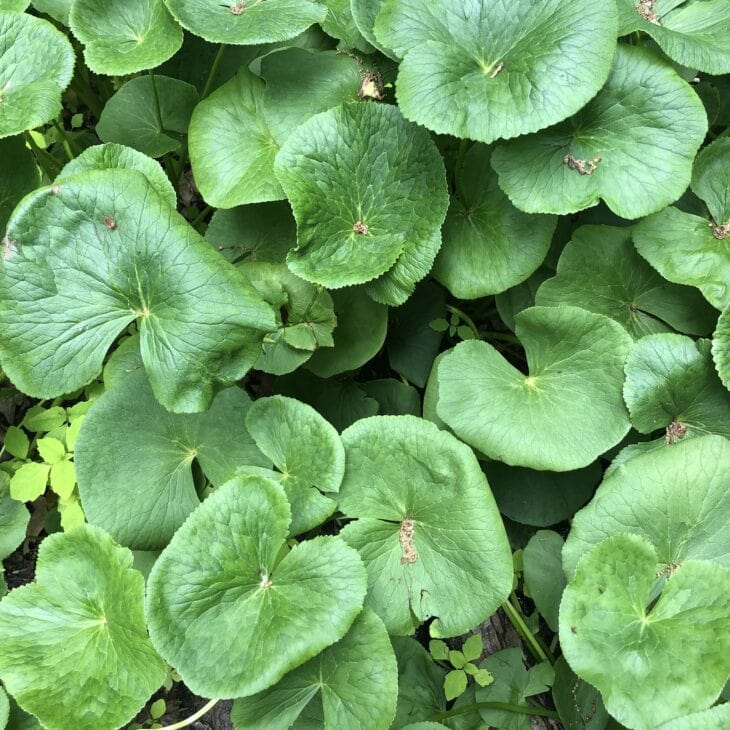
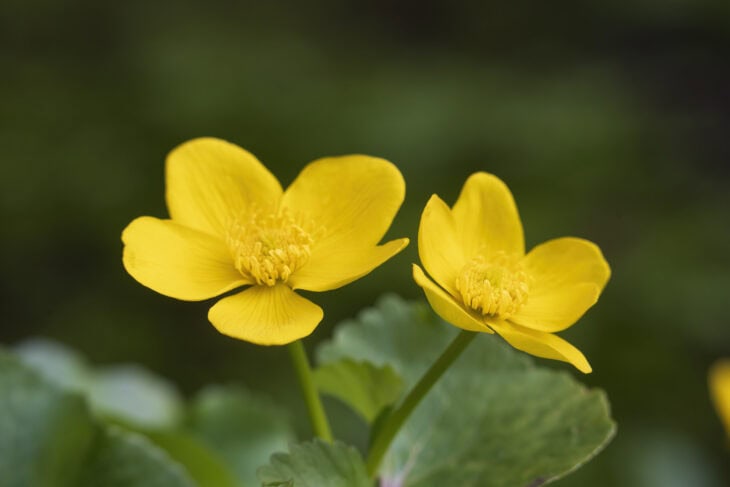
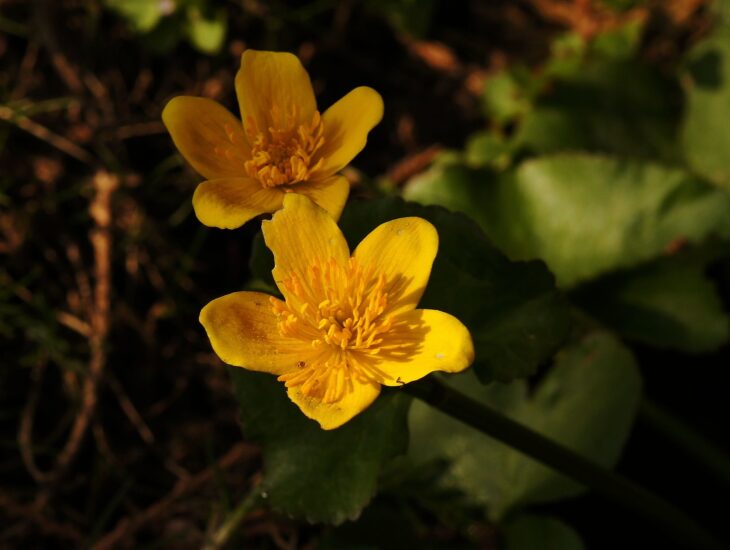
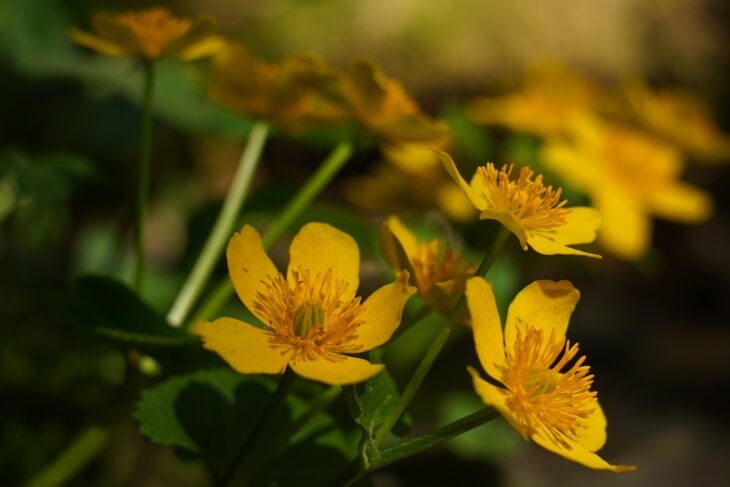
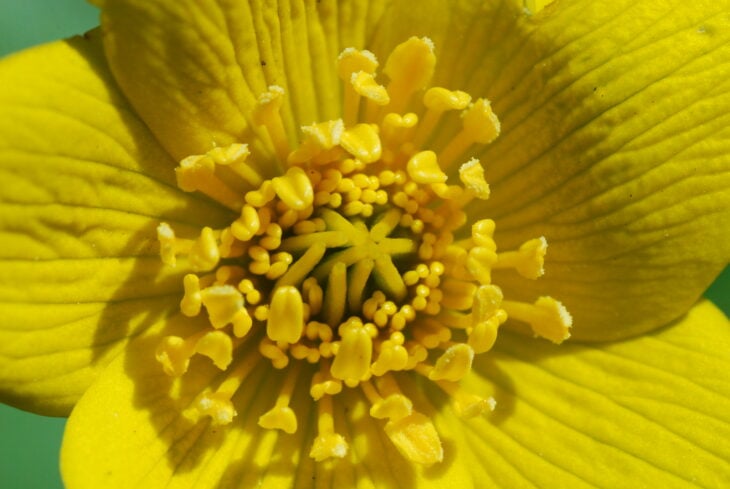
- Produces glossy rounded leaves and bright yellow buttercup-like flowers.
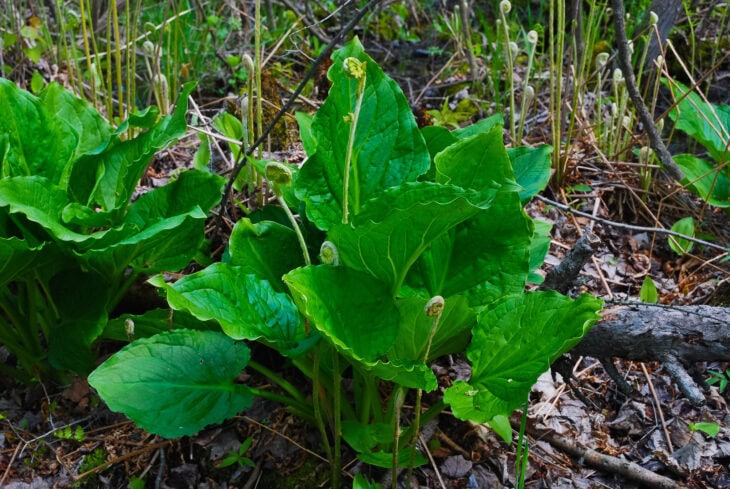
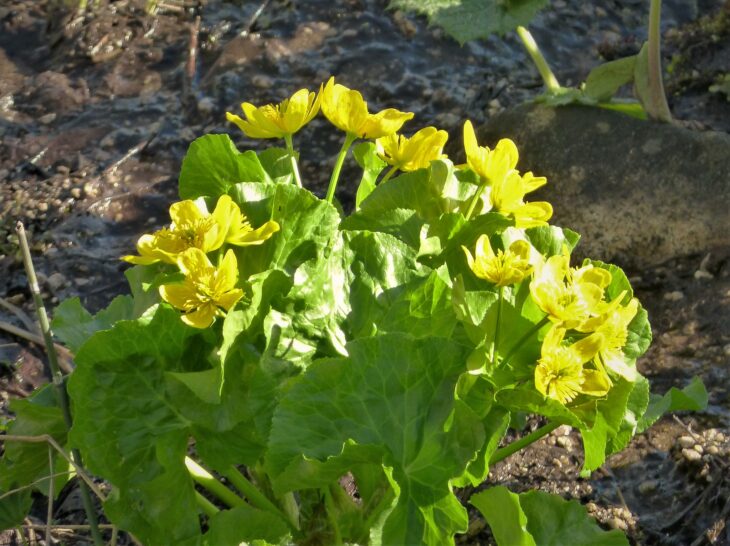
- Flowers appear in spring often before or with leaf emergence.
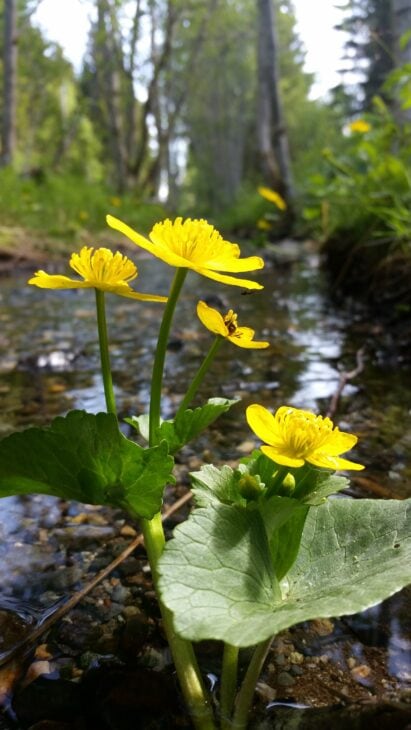
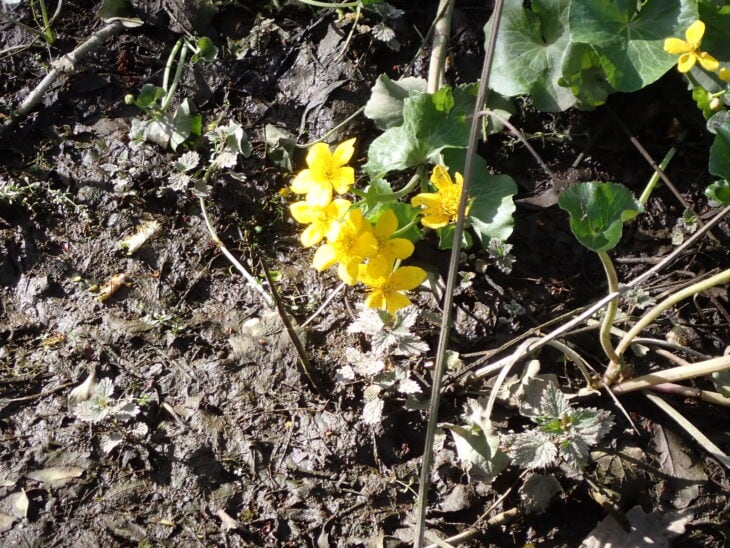
- Tolerates standing water and seasonal flooding.
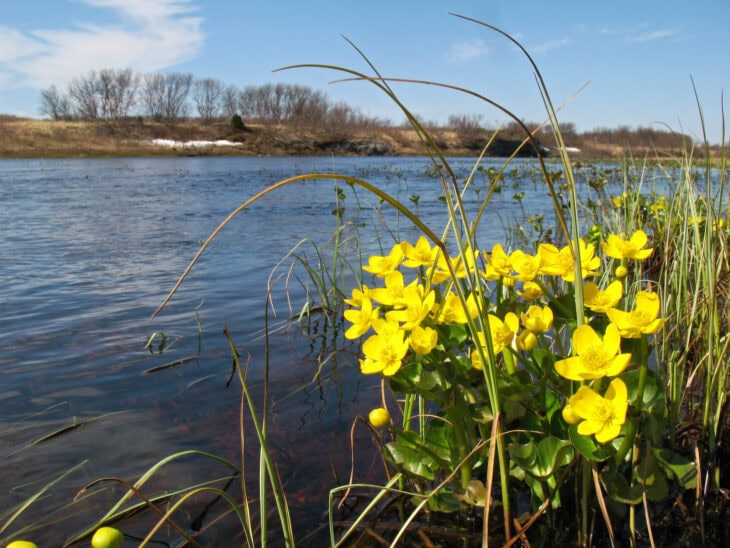
- Common in marshes wetlands stream edges and damp meadows of the Northern Hemisphere.
- Propagate by division or by seed.
- Fresh plant material can cause skin and digestive irritation if handled or eaten.
Marsh Marigold is a spring flowering perennial that thrives in wet soils and shallow water. It is prized for glossy rounded leaves and bright yellow buttercup like flowers that enliven pond edges and damp garden spots.
Identification
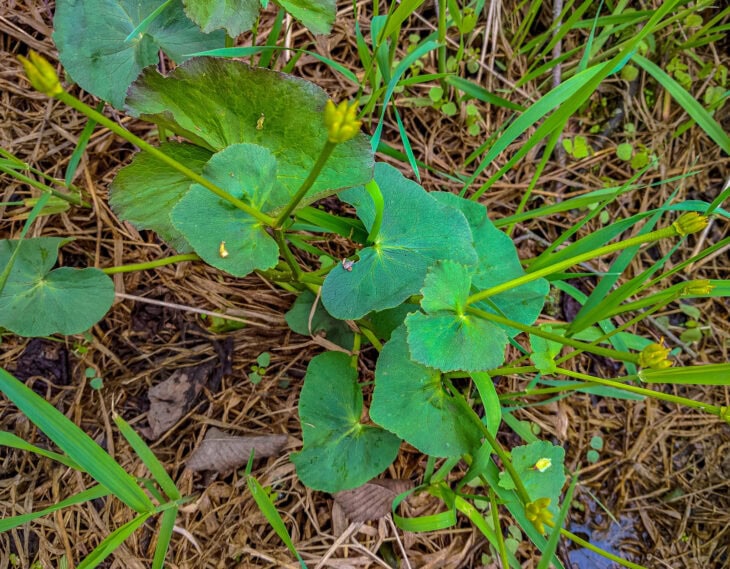
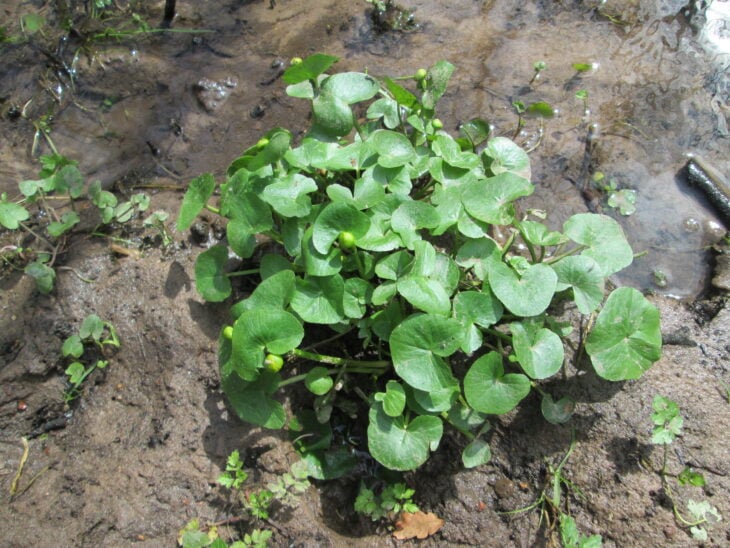
Plants form low clumps with glossy rounded leaves and showy yellow flowers that resemble buttercups. Typical garden height is about 8 to 20 inches and clumps commonly spread 12 to 24 inches. Flowers appear in spring, most often March through May in the Northern Hemisphere.
Where to grow and best uses
Native to marshes, stream edges and damp meadows, Marsh Marigold suits pond margins, bog gardens and consistently wet borders. It tolerates standing water and seasonal flooding, and does best in USDA zones 3 to 7. Use it where other perennials struggle in wet ground, and avoid planting into dry sites.
Planting and spacing
Place plants where soil remains consistently moist and rich in organic matter. Space divisions about 12 to 24 inches apart so clumps can form and spread. Division of crowns or rhizomes is commonly done in spring or autumn to establish new plants or renew older clumps.
Watering and soil
Prefers wet to seasonally inundated soils, and tolerates clay and peaty ground that stays moist. Keep soil consistently wet for healthy foliage and flowers, as dry soils cause decline. Organic matter helps retain moisture and supports vigorous clump formation.
Flowering and after flowering care
Blooms in early spring, often before or with new leaves, providing early color at water margins. After flowering allow foliage to remain until it naturally dies back, then remove any dead material and consider dividing crowded clumps in spring or autumn to refresh the planting.
Propagation and controlling spread
Propagate by division or by seed. Divide established clumps in spring or autumn, and expect slow spreading by rhizomes over time in wet conditions. Seed can be sown on moist substrate and often benefits from cold stratification, though germination and establishment are variable.
Toxicity and handling
Fresh tissues contain protoanemonin which can irritate skin and mucous membranes and cause vomiting or diarrhea if eaten. Handling may cause skin irritation, so keep plants away from children and pets, and wash hands after contact. Confirm any suspected poisoning with local poison control or a veterinary service.
Frequently asked questions
- How fast does Marsh Marigold grow?
- It forms clumps that spread slowly by rhizomes. Spread can increase over time in consistently wet conditions, but expansion is generally gradual rather than rapid.
- When does Marsh Marigold bloom?
- Flowers appear in spring, typically March to May in the Northern Hemisphere, often before or with the first leaves.
- Can Marsh Marigold tolerate standing water?
- Yes. The plant tolerates standing water and seasonal flooding and is well suited to pond margins and boggy ground.
- How do I propagate Marsh Marigold?
- Propagate by dividing crowns or rhizomes in spring or autumn, or by sowing seed on moist substrate with cold stratification for better results.
- Is Marsh Marigold poisonous?
- Fresh plant tissues contain irritant compounds that can cause skin irritation and gastrointestinal upset if ingested. Seek advice from poison control or a veterinarian for exposure concerns.
Gallery
Related Plants

Mentioned In (1)
Plants
25 Poisonous Plants in Pennsylvania
Pennsylvania has a diverse landscape that grows many varieties of flora, including a large variety of vines, trees, and shrubs.…