
Key Facts
- Papaver somniferum is the species commonly called the opium or edible poppy.
- Grown mainly as an annual and readily self-seeds.
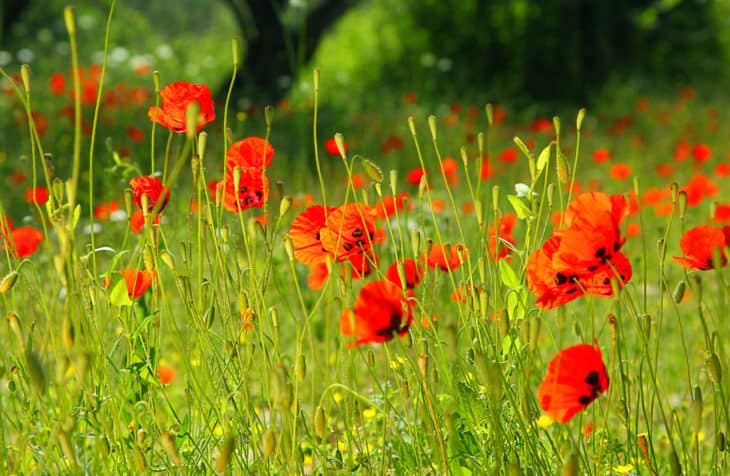
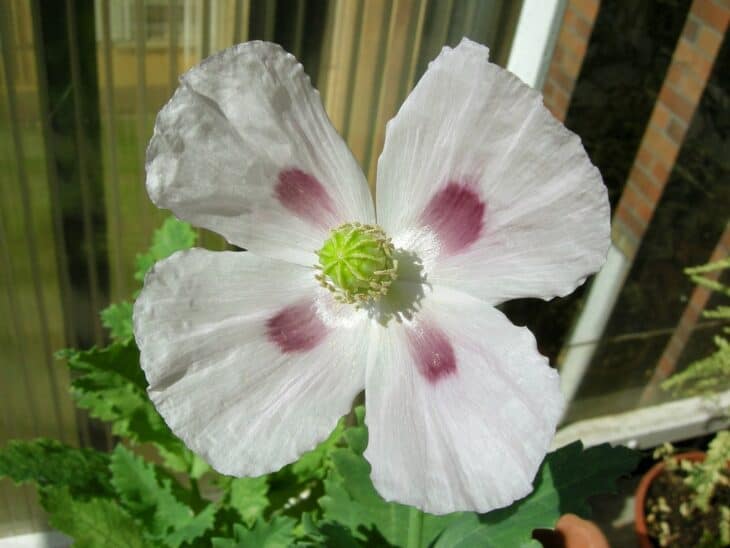
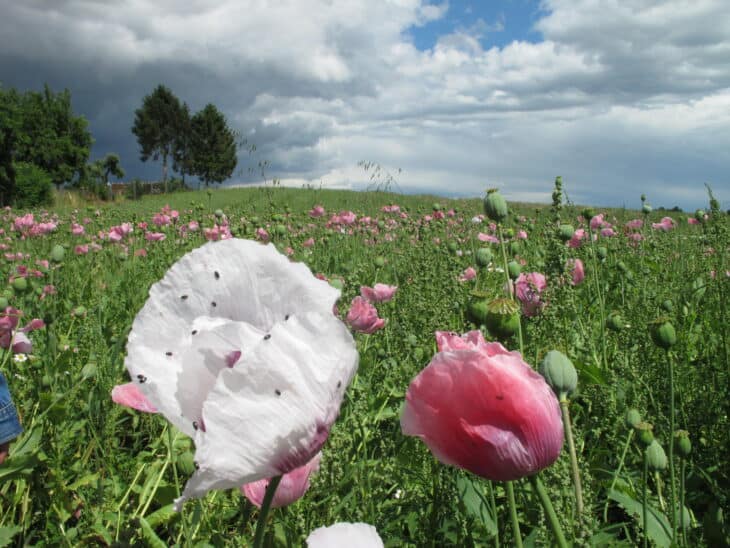
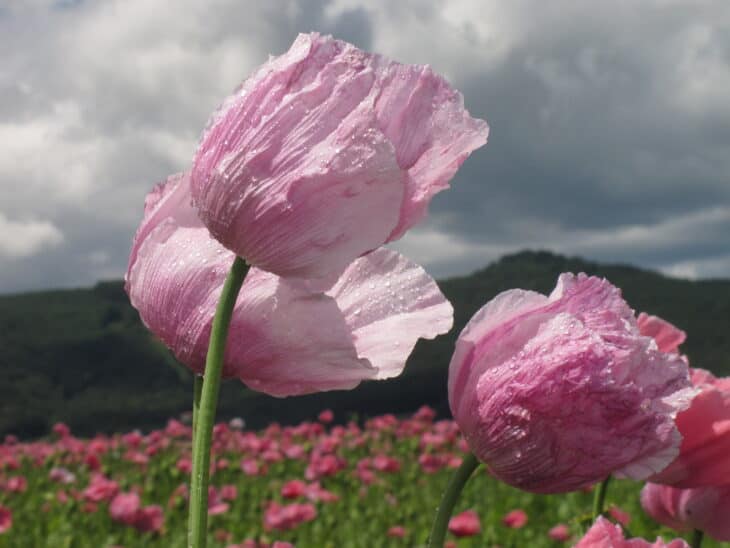
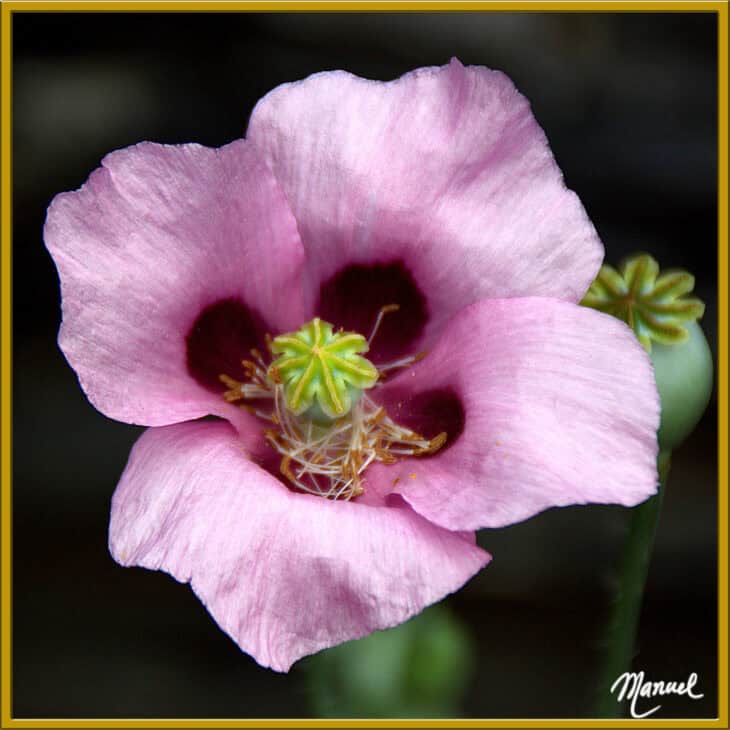
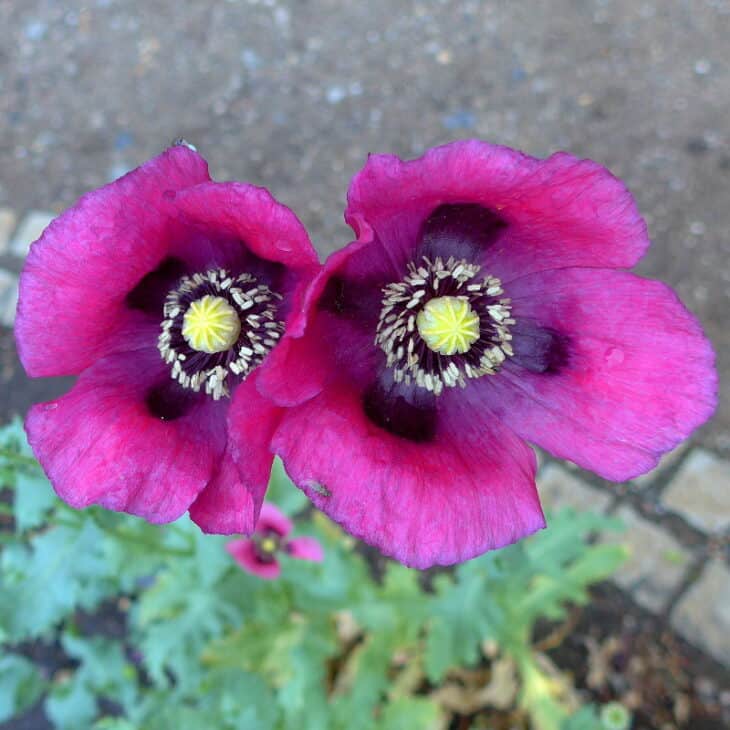
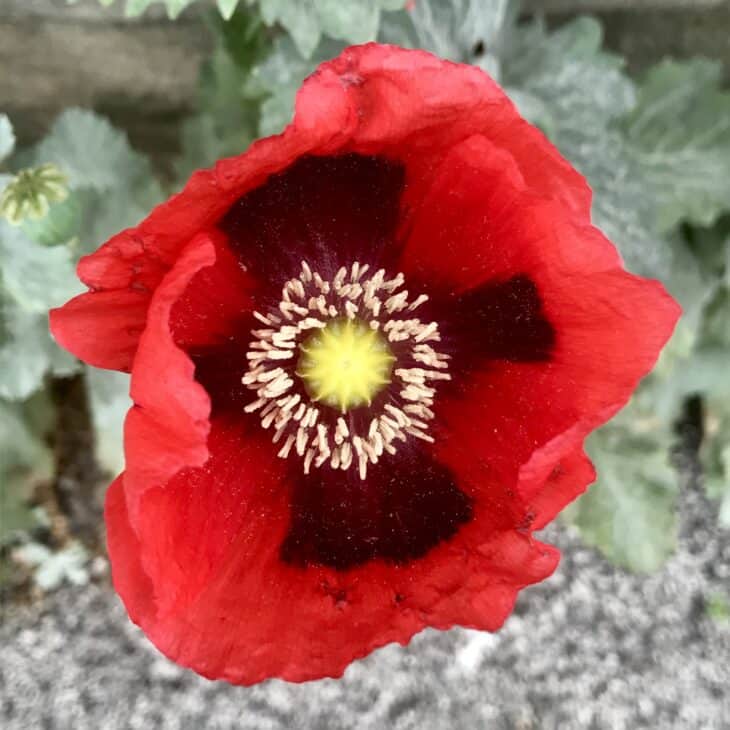
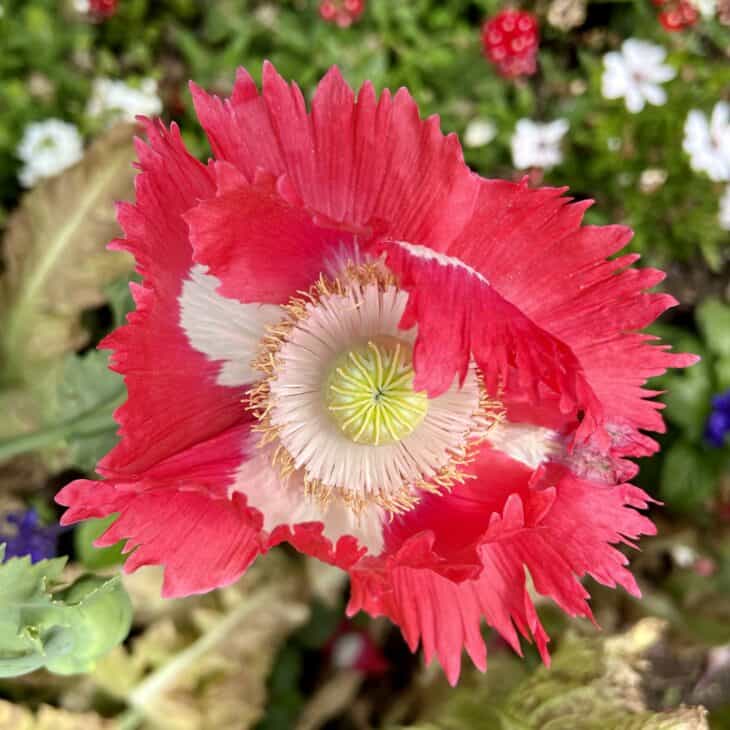
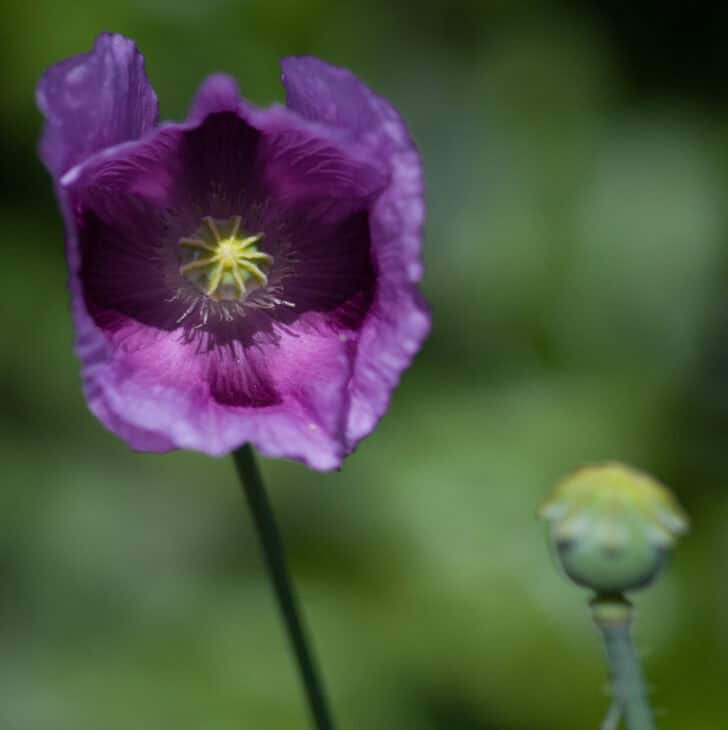
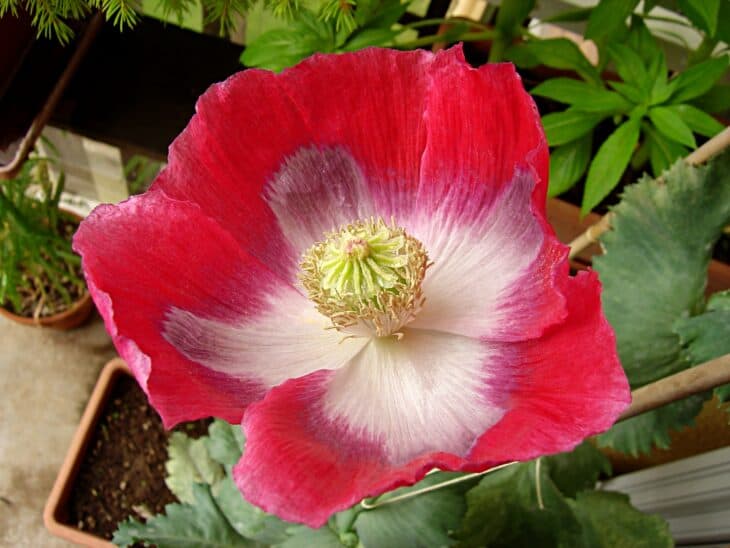
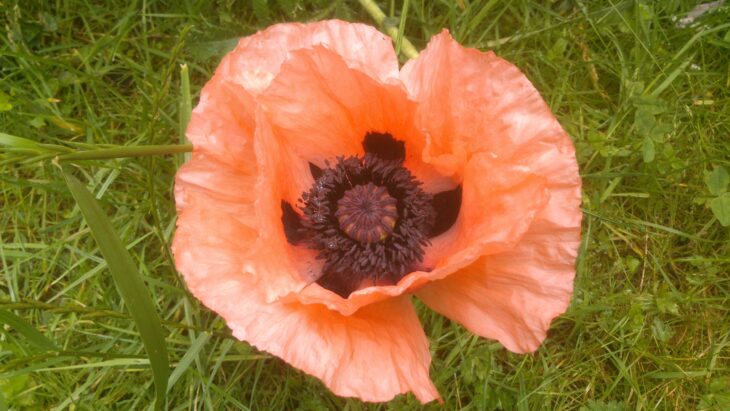
- Produces papery single or double flowers in a range of colors.
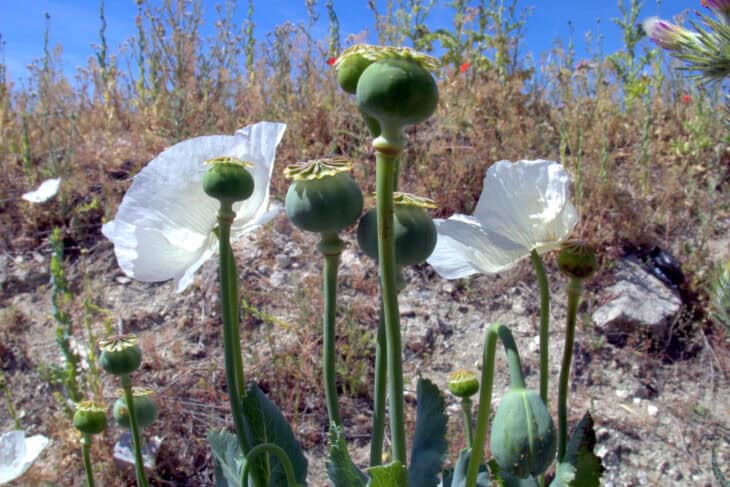
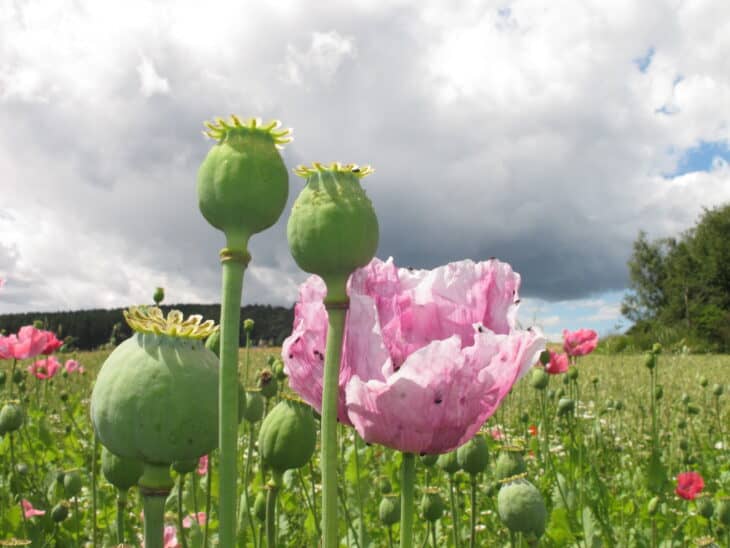
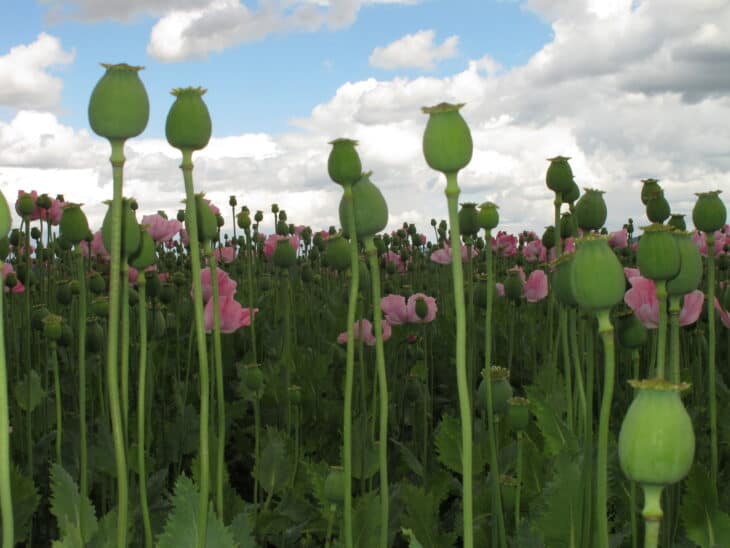
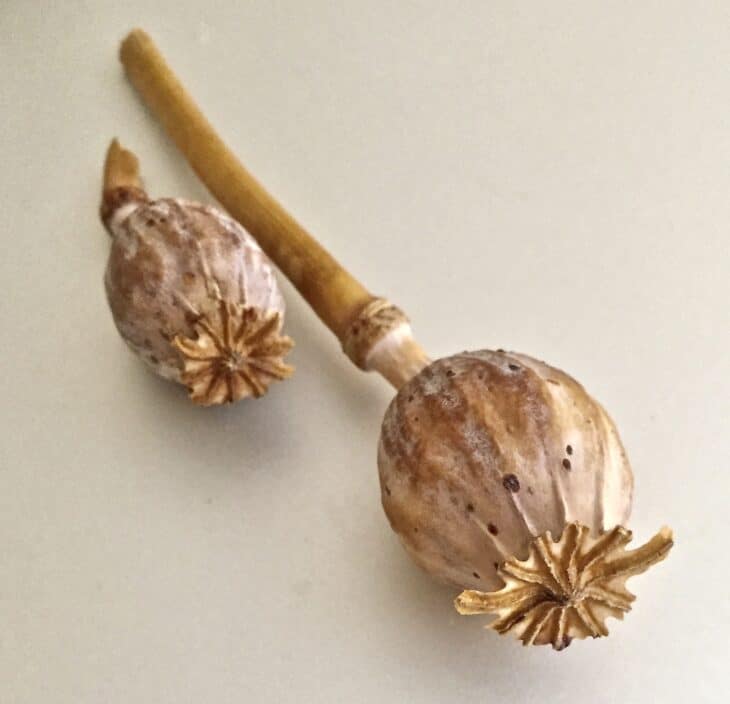
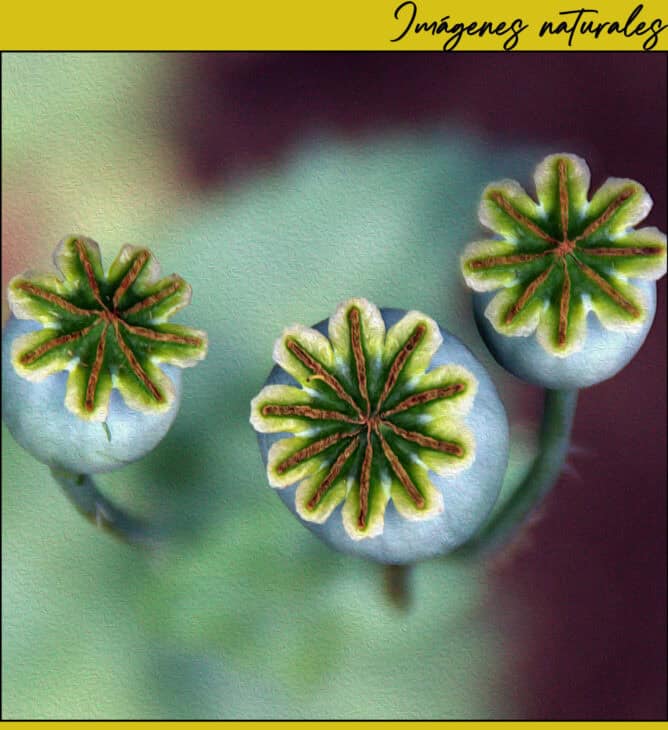
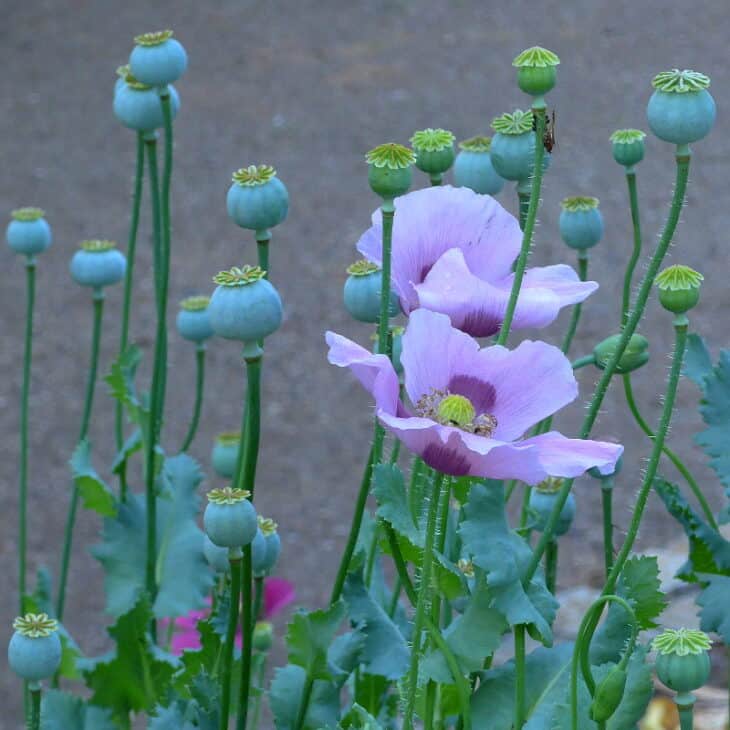
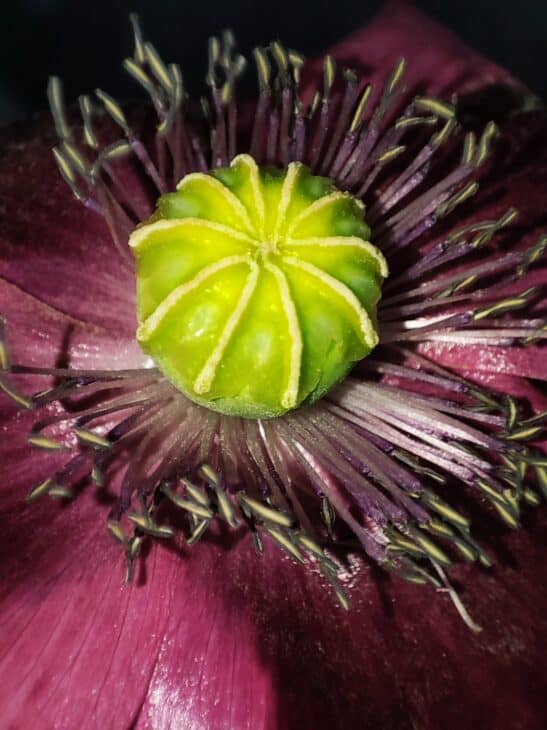
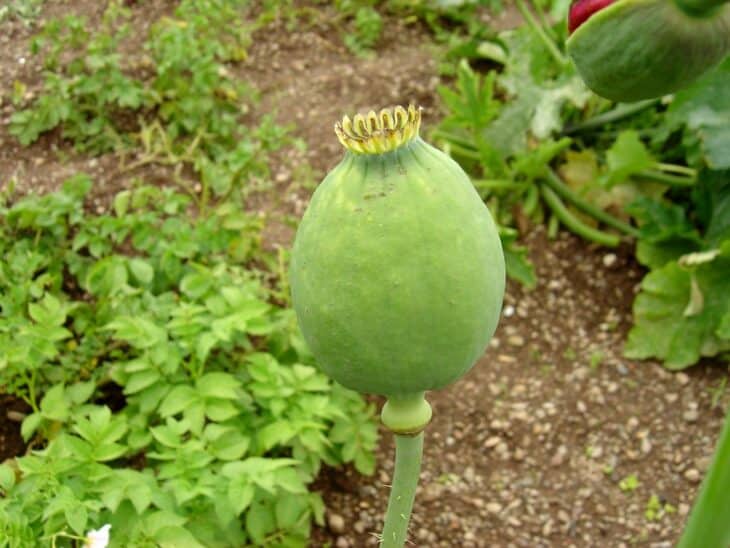
- Plants develop rounded seed capsules that contain edible seeds and alkaloid‑rich latex.
- Prefers full sun and well drained soil.
- Tolerates lean soils but will perform poorly in waterlogged ground.
- Propagation is primarily by seed sown directly or started under cover and transplanted young.
- Contains narcotic alkaloids in sap and capsules making the living plant toxic if ingested.
Poppy, Papaver somniferum, is an annual prized for its papery single or double flowers and rounded seed capsules used in dried arrangements and for culinary seeds. It performs best in full sun on well drained soil but contains opiate alkaloids in sap and capsules so the live plant is toxic if ingested.
Identification
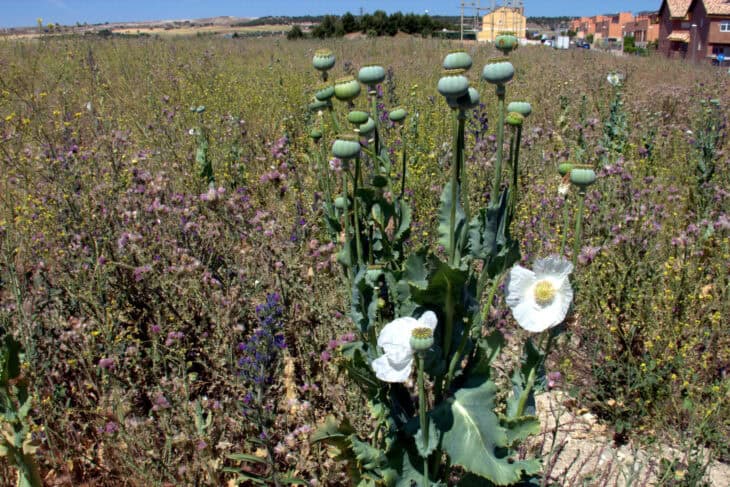
Plants reach about 24 to 36 inches tall with a spread near 12 to 18 inches and bear crinkled, papery flowers in a range of colors. After flowering plants produce rounded seed capsules that contain edible seeds and alkaloid rich latex. Flowering typically occurs in late spring to early summer depending on climate and sowing date.
Where to grow and best uses
Use poppies in sunny borders, informal cottage beds and cutting gardens where their showy blooms and architectural seedpods add interest. They tolerate lean soils and poor fertility so they suit low maintenance mixed beds. Avoid waterlogged sites because poor drainage reduces flowering and causes rotting.
Planting time and propagation
Sow seed directly in place in fall or early spring for best results, or start under cover and transplant young to get earlier blooms. Transplants establish slowly so keep them small when moving. Plants readily self seed and successive sowings extend the bloom period through the season.
Planting spacing and positioning
Space plants about 12 to 18 inches or roughly 30 centimeters apart to allow airflow and reduce disease risk. Choose a sunny position in well drained loam or sandy soil with neutral to slightly alkaline pH. Avoid heavy clay and sites that remain waterlogged.
Watering and soil
Keep young seedlings evenly moist while they establish then allow soil to dry slightly between waterings. Poppies tolerate lean soils and do not appreciate constant wet feet. Waterlogged ground leads to root rot and fewer flowers while modest fertility encourages bloom rather than lush foliage.
After flowering care
Deadhead spent blooms to limit reseeding and prolong flowering or allow pods to ripen for dried arrangements and seed harvest. Handle ripening capsules with care because unripe pods and sap contain alkaloids. Store harvested culinary seeds separately since contamination from latex is possible.
Spread and naturalizing control
Papaver somniferum readily self seeds and may persist for years in favorable climates. In USDA zones 3 to 9 plants behave as annuals or short lived self seeding plants and in warmer areas they may reseed more vigorously. Remove seedheads or transplant seedlings to control spread and check local regulations because some jurisdictions restrict opiate containing varieties.
Frequently asked questions
- How fast does Poppy grow?
- Poppies grow from seed to flowering within the season after sowing, producing foliage and stems that reach about 24 to 36 inches by bloom time. Exact speed depends on sowing date and local climate.
- Are poppy seeds edible?
- Seeds sold for food are low in alkaloids but can become contaminated by plant latex during harvest. Keep culinary seed harvest separate from live plant material.
- Are poppies toxic to pets?
- All parts contain alkaloids and can cause central nervous system depression in animals if ingested. Contact veterinary services or poison control for exposures.
- Will poppies come back each year?
- They are typically grown as annuals and do not reliably overwinter in cold climates. Expect self seeded replacements in warm regions rather than perennial survival.
- How do I stop poppies from self seeding?
- Remove spent flowers before seed set or cut and discard seedheads. Pull or thin seedlings in spring to prevent new plants from becoming established.
Gallery


Related Plants


