
Key Facts
- An annual grass species commonly found in temperate agricultural and disturbed sites.
- Reproduces primarily by abundant seed and forms a persistent seed bank.
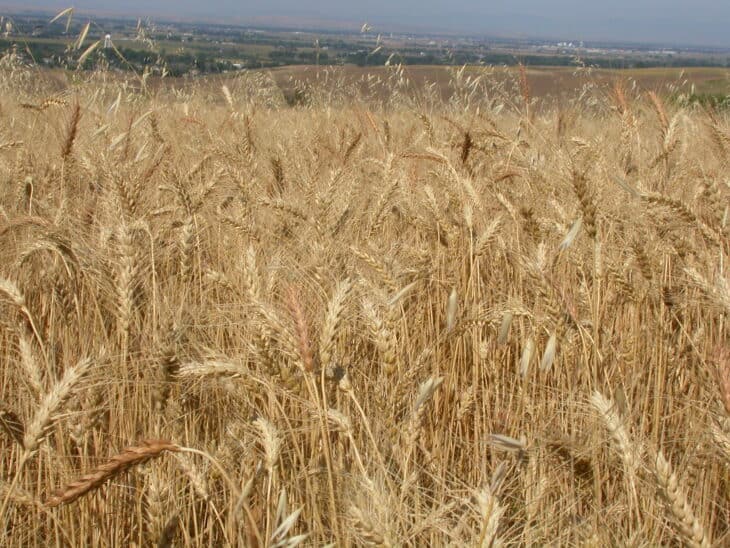
- Common agricultural weed that can reduce cereal crop yields.
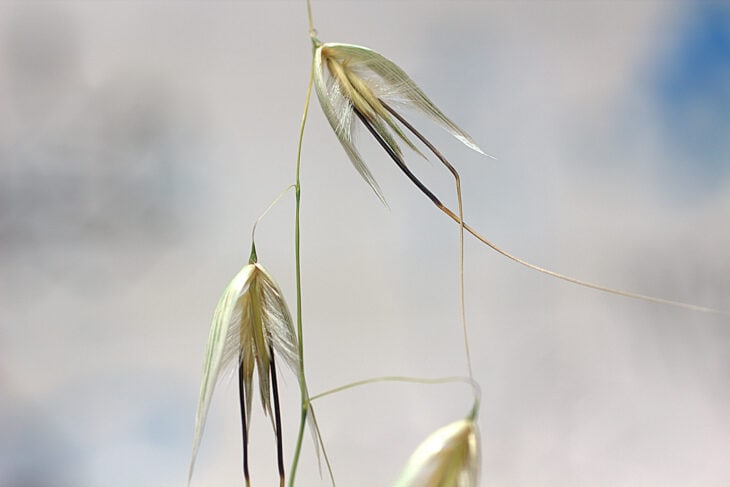
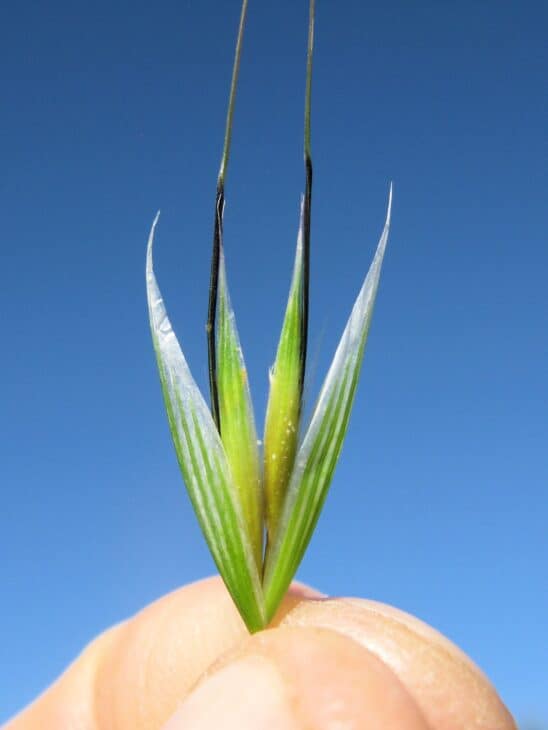
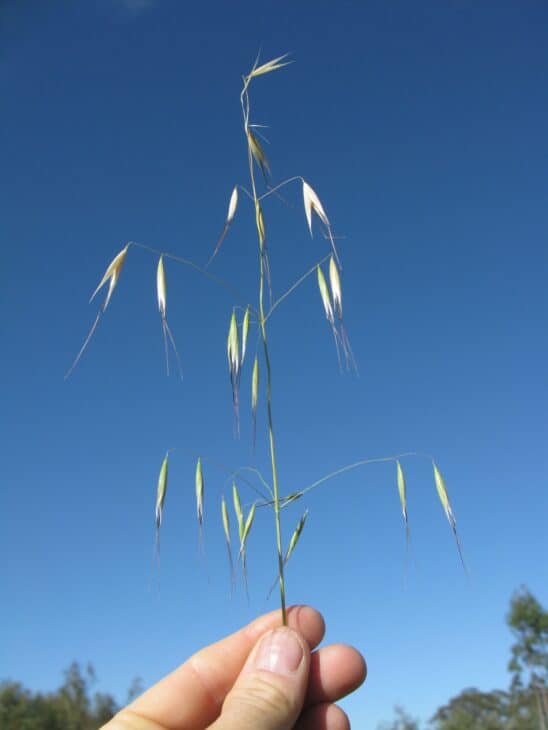
- Produces open panicles with awned spikelets that aid seed dispersal.
- Prefers full sun and fertile, well drained soils but tolerates a range of soil types.
- Flowering and seed ripening occur in late spring into summer depending on climate.
- Spread is mainly by seed movement in harvest, soil, machinery, animals and water.
Wild Oats is an annual grass commonly found in fields and disturbed ground where it competes with cereal crops and vegetation. It forms clumping tillers and produces many awned seeds that persist in the soil seed bank and spread easily on machinery and in harvested grain.
Identification
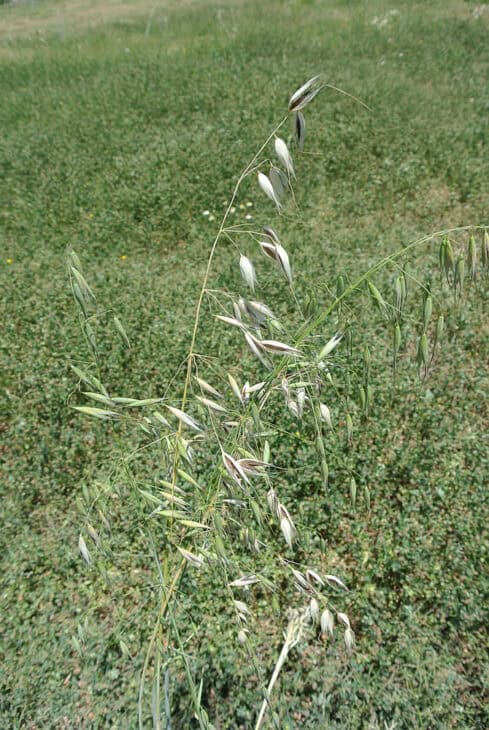
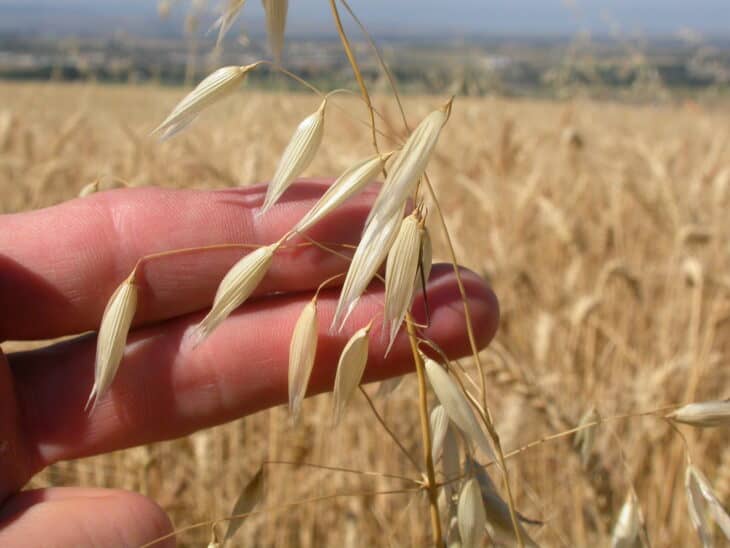
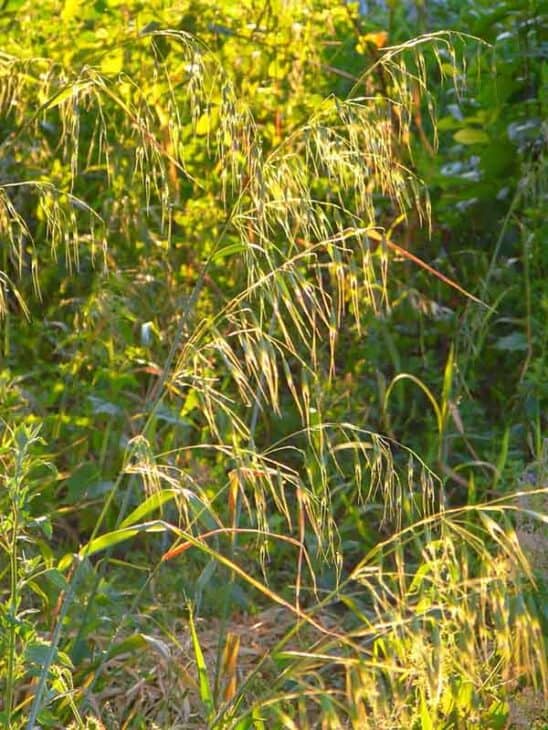
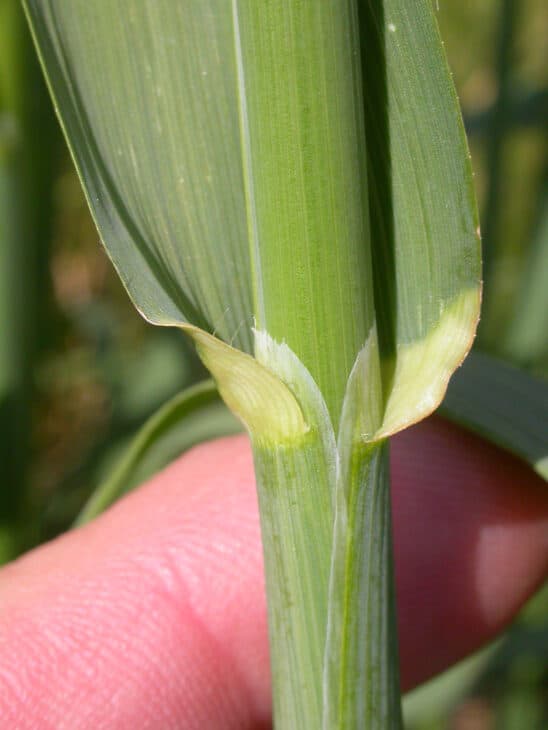
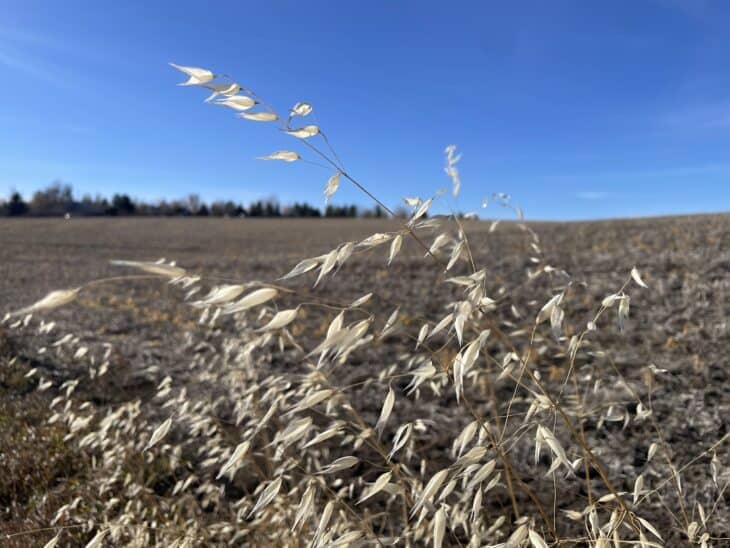
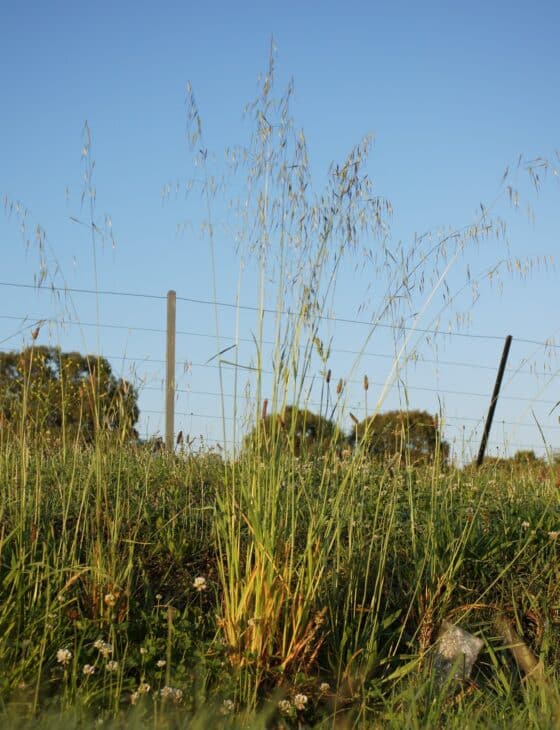
Plants grow in tufts of erect stems reaching about 1 to 4 feet tall depending on site fertility. Flower heads are open panicles with distinctive awned spikelets that give seed heads a bristly appearance. Individual clumps typically occupy a small ground area but dense populations create a continuous sward in open sunny places.
Where it grows and best uses
Wild Oats thrives in full sun on cultivated and disturbed soils where fertility is adequate. It has no ornamental or edible use in gardens and is managed mainly as a weed. In agricultural and conservation settings the main concern is lost yield and seed contamination rather than landscape value.
Seasonal growth and planting
Wild Oats reproduces only by seed and may behave as a winter or spring annual depending on climate. Flowering and seed ripening occur from late spring into summer and timing varies with local conditions. Management focuses on preventing seed set rather than deliberate planting.
Soil light and water
The grass prefers fertile well drained soils and full sun and performs poorly in dense shade. Good drainage and fertility increase plant vigor and seed production while waterlogged soils reduce establishment. Reducing open, sunny bare soil and lowering fertility in noncrop sites limits vigorous outbreaks.
After flowering care and control
Seed heads persist and replenish the soil seed bank so remove or destroy plants before seeds mature. Minimize seed movement by cleaning machinery and harvested grain and avoid letting livestock carry awned seeds in fleece or fur. Repeated removal of plants before seed set reduces future populations.
Spread and prevention
Spread is almost entirely by seed carried in harvest, soil, machinery, animals and water. Preventive steps include sanitation of equipment, cleaning crop seed, and removing seed heads from garden waste. Long term control requires breaking the seed return cycle across seasons.
Frequently asked questions
- How fast does Wild Oats grow?
- Growth is rapid under sunny fertile conditions and plants can reach about 30 to 120 centimeters tall during the growing season. Speed depends on moisture fertility and whether the population behaves as a winter or spring annual.
- Is Wild Oats invasive?
- It is a common agricultural weed that forms persistent seed banks and can reduce cereal yields. It spreads readily by seed and can become locally abundant in disturbed open sites.
- Can Wild Oats harm livestock or pets?
- The species is not known as an acute systemic toxin but awns can cause mechanical injury to mouths skin and wool and can reduce forage quality. Verify grazing risks with local veterinary guidance.
- What is the most effective home garden control?
- Remove plants before seeds form and destroy seed heads. Clean tools and machinery to avoid moving seed and reduce open bare soil that favors establishment. Repeated prevention of seed return is required to reduce the seed bank.
- Will Wild Oats survive winter?
- Individual plants die with cold but the species survives between seasons as viable seed in the soil. Whether it appears as a winter or spring annual depends on local climate.
Gallery
Related Plants


Mentioned In (1)

Plants
9 Plants That Look Like Wheat
Wheat (Triticum aestivum) is an ancient grain known to all. Wheat is used worldwide to make bread, pasta, baked goods,…