
Key Facts
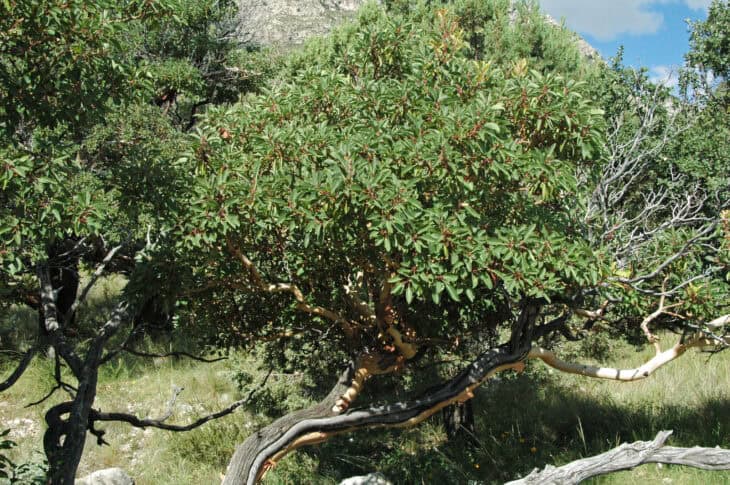
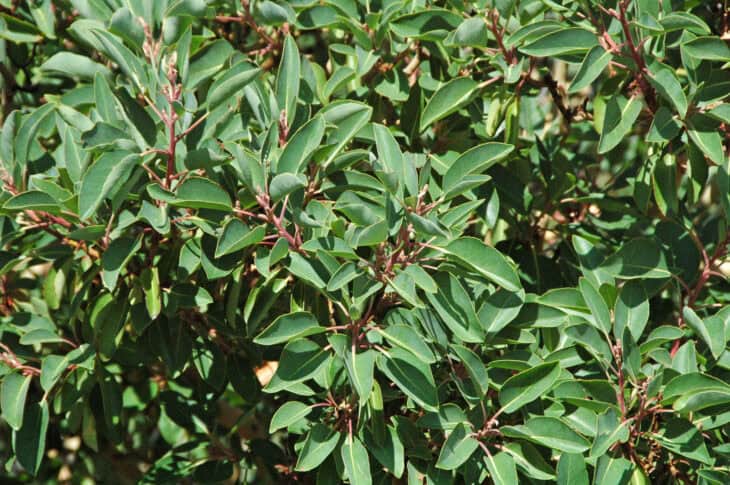
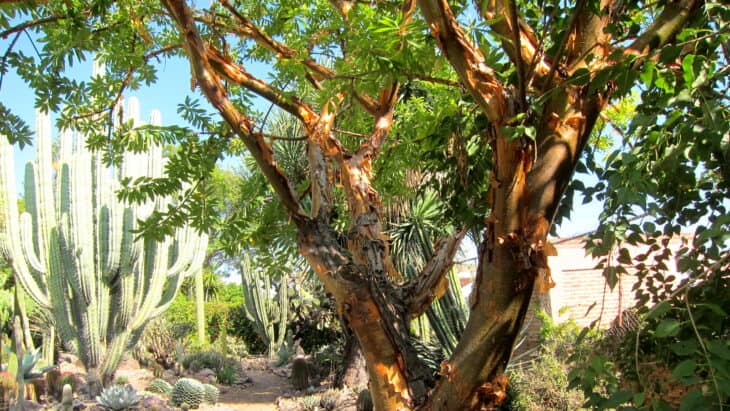
- Evergreen to semi-evergreen small tree with smooth peeling reddish bark.
- Native to parts of Texas and northeastern Mexico.
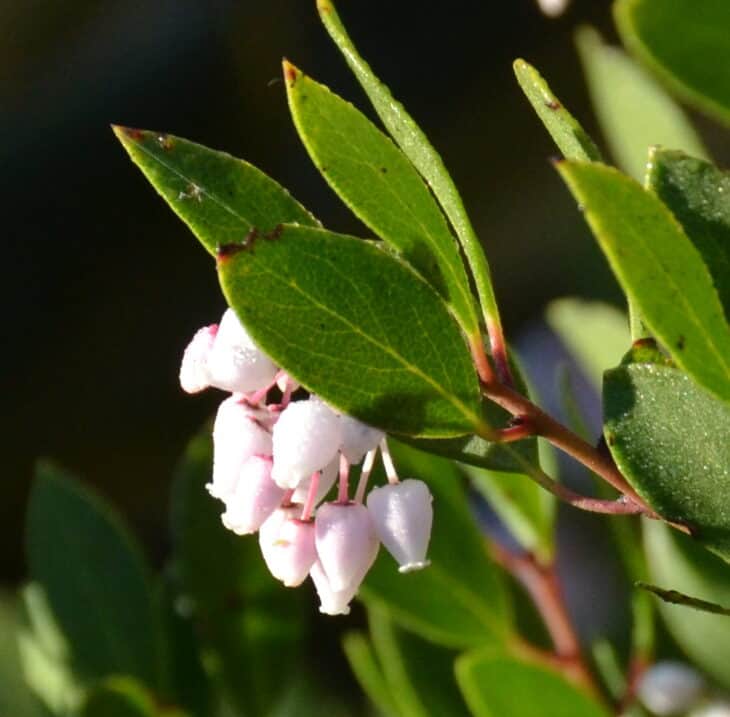
- Clusters of urn shaped white to pink flowers appear in late winter to spring.
- Produces red orange berry like fruits that attract birds.
- Prefers well drained rocky or sandy soils and tolerates drought once established.
- Does not tolerate poorly drained soils and is prone to root rot in heavy clay.
- Best in full sun to light shade.
- Propagated by seed, cuttings, and grafting for selected clones.
Texas Madrone is an evergreen to semi-evergreen small tree prized for its smooth peeling reddish bark and clusters of urn-shaped flowers that appear from late winter into spring. It performs best on well-drained rocky or sandy sites in full sun to light shade but will decline in heavy clay or poorly drained soils.
Identification
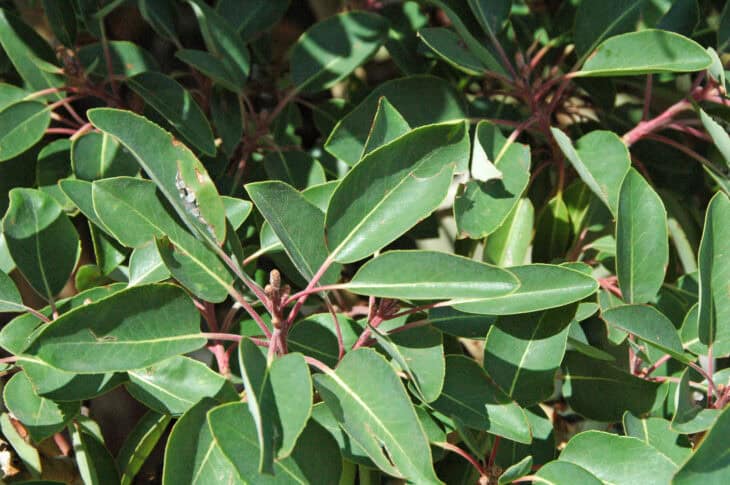
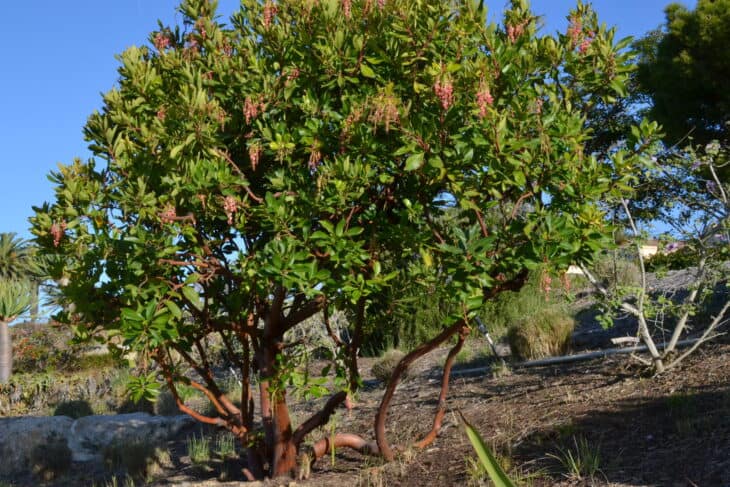
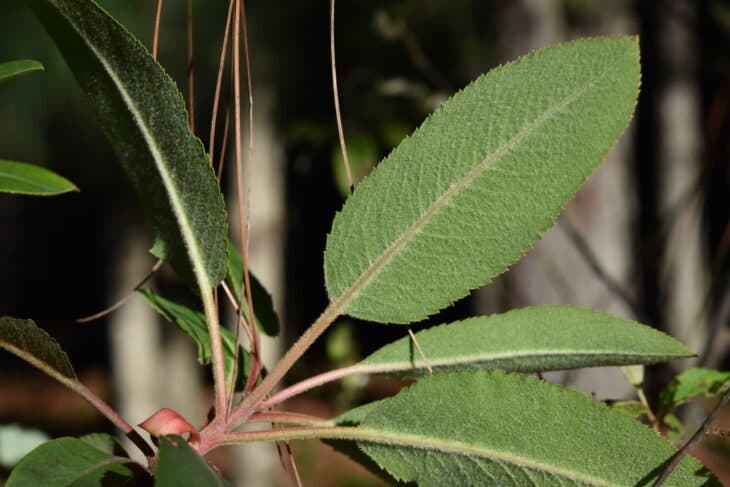
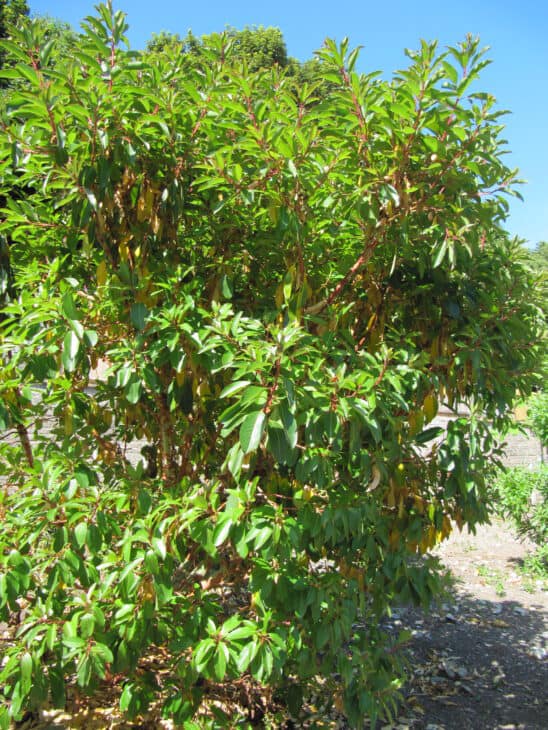
Texas Madrone has smooth reddish bark that peels to reveal paler inner layers and a rounded crown often 10 to 20 feet wide. Mature trees typically reach about 15 to 30 feet tall. In late winter to spring it produces clusters of urn-shaped white to pink flowers followed by red-orange berry-like fruits that attract birds.
Where to grow and best uses
Native to parts of Texas and northeastern Mexico, Texas Madrone is suited to warm temperate landscapes and is generally hardy in USDA zones 7 to 10. Use it as a specimen tree on rocky slopes, in naturalistic or Mediterranean-style plantings, and in low-water gardens where its bark and seasonal flowers provide visual interest.
Planting season and spacing
Plant during cooler, wetter seasons such as spring or fall to reduce transplant stress. Space trees about 10 to 20 feet apart depending on whether you want a single trunk or multi-stem habit and the expected mature spread. Set the root flare at soil grade and avoid burying the crown to reduce risk of rot.
Soil, light and watering
Choose well-drained rocky or sandy loams and avoid heavy clay or sites with poor drainage, which commonly cause root rot and decline. Texas Madrone prefers full sun to light shade and tolerates drought once established. Water regularly through the first year to establish a deep root system then reduce irrigation to encourage drought tolerance.
After-flowering care and pruning
Prune lightly after flowering to remove dead or crossing branches and to maintain desired form. Heavy pruning can stress the tree and invite decay in older wood. Minimize root disturbance and keep competing plants away from the trunk zone to protect shallow roots and long-term health.
Propagation and nursery notes
Propagate by seed, semi-ripe cuttings, or grafting selected clones onto compatible rootstock. Fresh seed or cold stratification often improves germination and grafting preserves named traits for cultivars. Check local botanic garden or extension recommendations before attempting detailed propagation techniques.
Frequently asked questions
- How fast does Texas Madrone grow?
- Growth is moderate to slow. Trees typically reach 15 to 30 feet over many years and final size depends on site quality and moisture.
- Is Texas Madrone drought tolerant?
- Yes. It tolerates drought once established but needs regular watering during the first year to develop a deep root system.
- What soils should I avoid?
- Avoid heavy clay and poorly drained soils. Standing water and poor drainage commonly lead to root rot and decline.
- When does it bloom?
- It blooms in late winter to spring, often appearing from about February through April in parts of its northern range, with timing varying by climate and elevation.
- Will it attract wildlife?
- Yes. The red-orange berry-like fruits attract birds and the flowers provide early-season nectar for pollinators.
Gallery
Related Plants


Mentioned In (2)
Trees
The 16 Biggest Trees in Texas
They say that everything is bigger in Texas, and that certainly seems to be the case with their trees. They…

Trees
37 Most Common Trees in Texas
Texas is located in the Southernmost region of the United States and is bordered by New Mexico and other Mexican…