
Key Facts
- Herbaceous perennial in the mint family Lamiaceae.
- Native to Europe and parts of western Asia.
- Forms low clumps of ovate, toothed leaves.
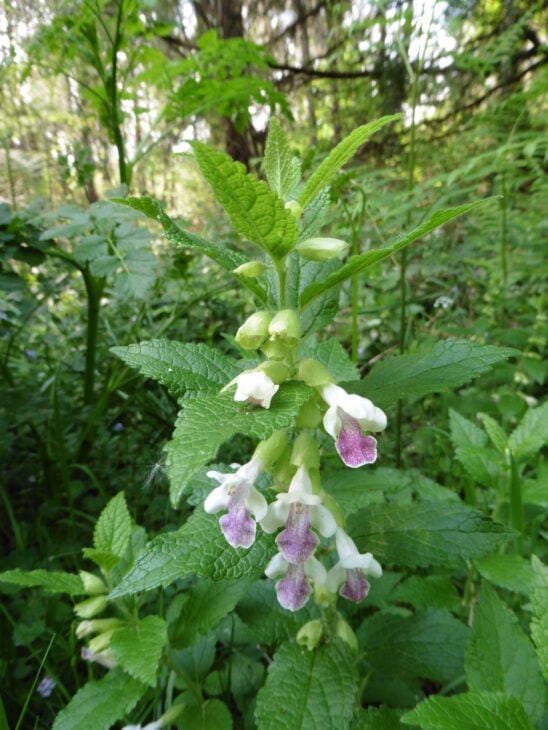
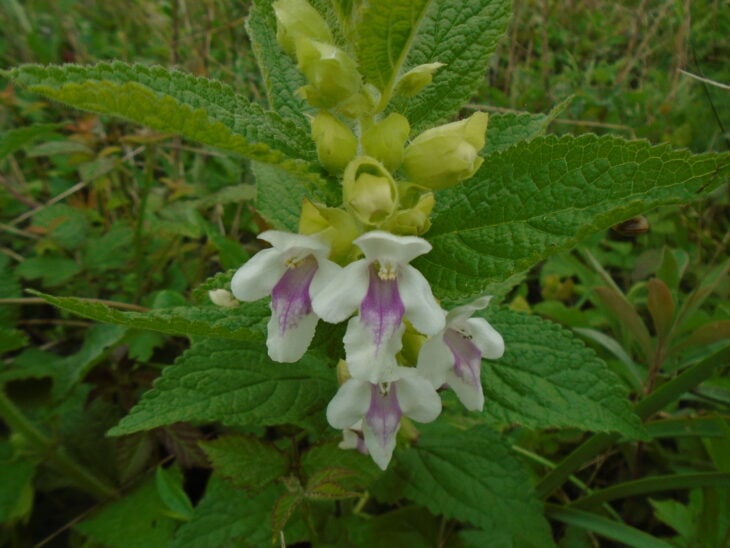
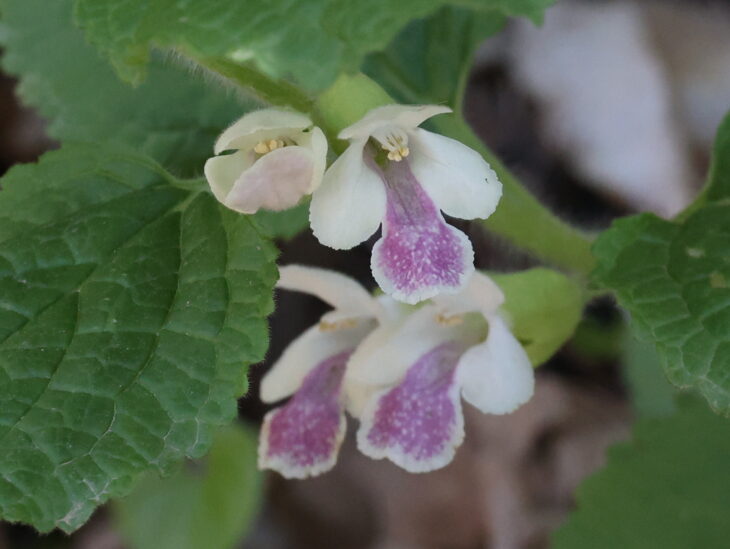
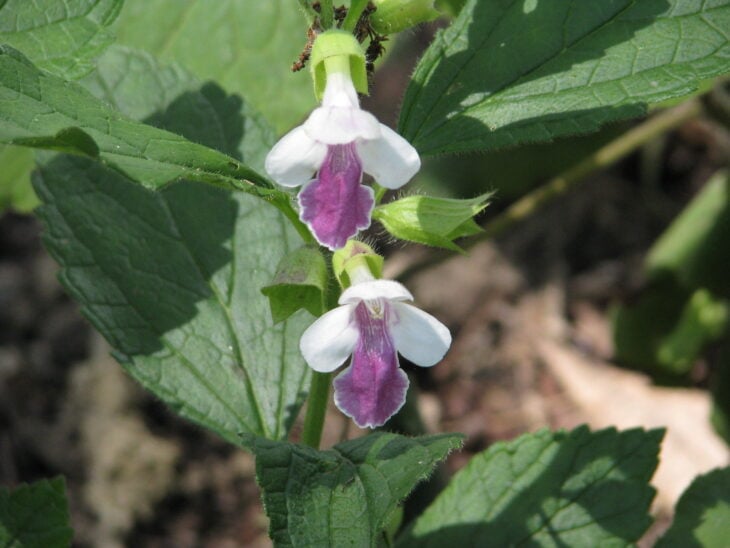
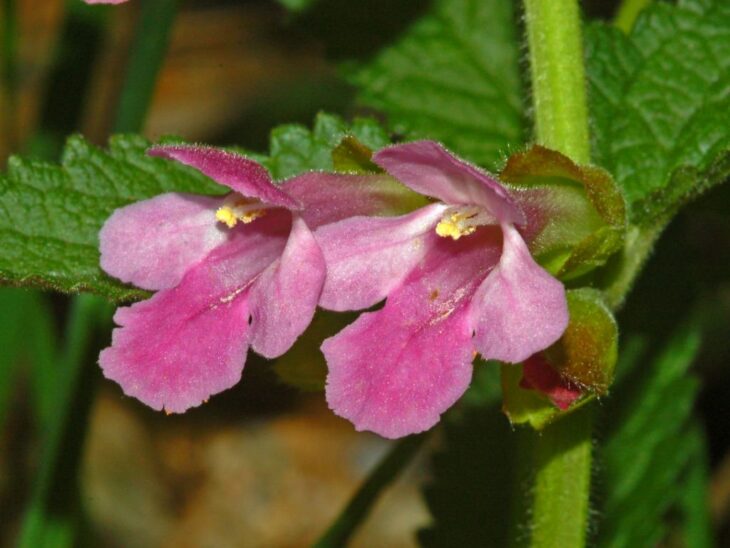
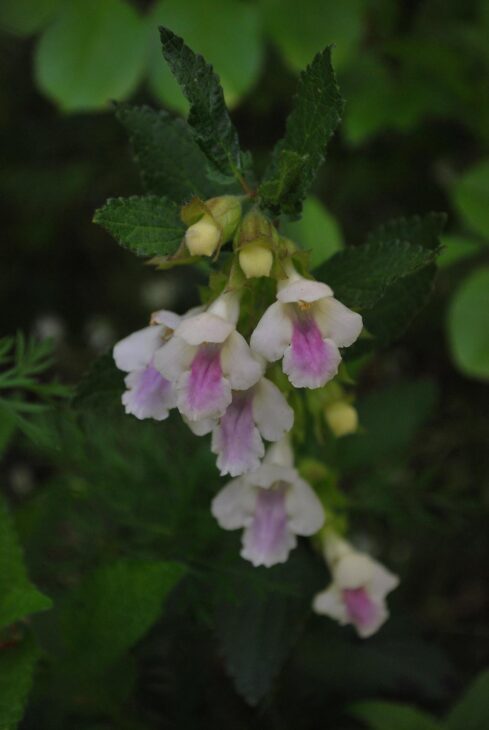
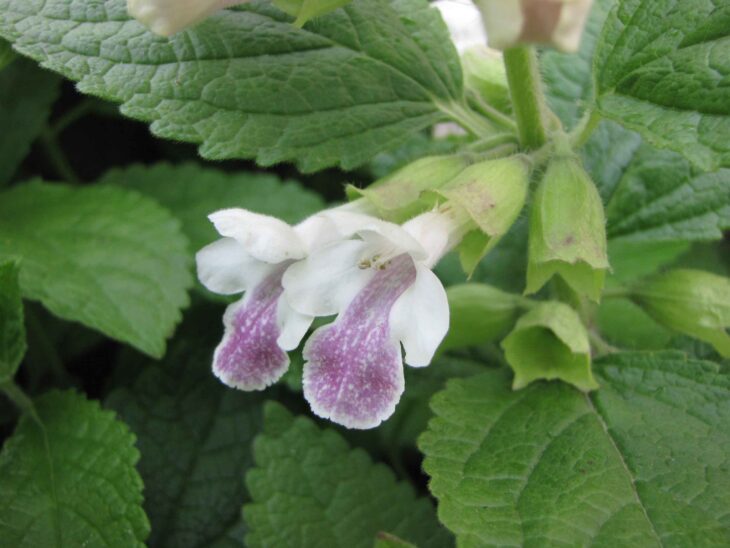
- Produces pale pink to white tubular flowers often with darker throat markings.
- Attractive to bees and other pollinators.
- Typically used in woodland and shade gardens.
- Prefers humus rich, moist but well drained soil.
- Usually flowers in late spring to early summer.
Bastard Balm is a clump forming herbaceous perennial in the mint family valued for pale pink to white tubular flowers and shade tolerance. It works well in woodland and herb gardens while preferring humus rich, moist but well drained soil to look its best.
Identification
Melittis melissophyllum forms low clumps of ovate toothed leaves and bears pale pink to white tubular flowers often with darker throat markings. Plants typically reach about 12 to 20 inches tall and form a modest mound in the garden. Flowers attract bees and other pollinators in late spring to early summer.
Best uses in the garden
Use Bastard Balm as a woodland edge perennial, shade groundcover, or in mixed shade borders where early summer flowers are useful. Its modest spread and clump forming habit make it suited to underplanting larger shrubs and trees without aggressive takeover. It provides pollinator value while remaining a controlled, ornamental presence.
Planting and spacing
Plant or divide clumps in spring or autumn when soil is workable and temperatures are mild. Space transplants about 12 to 18 inches apart to allow each clump room to expand to a similar width. In favourable sites clumps will slowly increase by expansion and occasional self-seeding, so leave a little clearance to avoid crowding.
Soil and watering
Grow Bastard Balm in humus rich, moist but well drained soil. It tolerates neutral to slightly alkaline conditions and prefers fertile, moisture-retentive loam typical of woodland beds. Avoid waterlogged sites because poor drainage can lead to crown rot, while excessively dry soil reduces foliage quality and flowering.
Light and position
Choose partial shade to full shade for best performance, with morning sun or light dappled sun acceptable in cool climates. Plants perform poorly in hot afternoon sun, which can scorch leaves and reduce blooms. Position in sheltered, cool spots that mimic woodland conditions for longest-lived clumps.
After flowering and maintenance
Remove spent flower heads to keep planting tidy and reduce self-seeding if you want to limit spread. Divide overcrowded clumps in spring or autumn to renew vigour and control size. Routine removal of debris and a light mulch of leaf mould in autumn preserves soil humus and supports healthy crowns.
Propagation
Propagate by seed or division. Sow fresh seed or use cold stratification for better germination, and divide established clumps in spring or autumn. Nursery-grown plants transplant readily when roots are kept intact. Division refreshes older clumps and is the quickest way to increase plants while preserving cultivar traits.
Frequently asked questions
- How fast does Bastard Balm grow?
- It forms low clumps that typically reach 12 to 20 inches tall and 12 to 18 inches across over a few growing seasons, expanding modestly by clump growth and occasional self-seeding.
- Is Bastard Balm invasive?
- Not generally described as invasive. It is clump forming with modest spread, though clumps can increase over time and seed in favourable conditions.
- When does Bastard Balm bloom?
- Flowers appear in late spring to early summer, commonly around May to June in temperate northern hemisphere climates.
- How should I propagate Bastard Balm?
- Propagate by sowing fresh seed or using cold stratification, and by dividing established clumps in spring or autumn.
- What hardiness zones suit Bastard Balm?
- It is generally grown in temperate climates roughly USDA zones 5 to 8, where cool winters and moist, sheltered sites support reliable perennial behaviour.
Gallery
Related Plants

