
Key Facts
- Low growing evergreen perennial used as a spring-flowering groundcover.
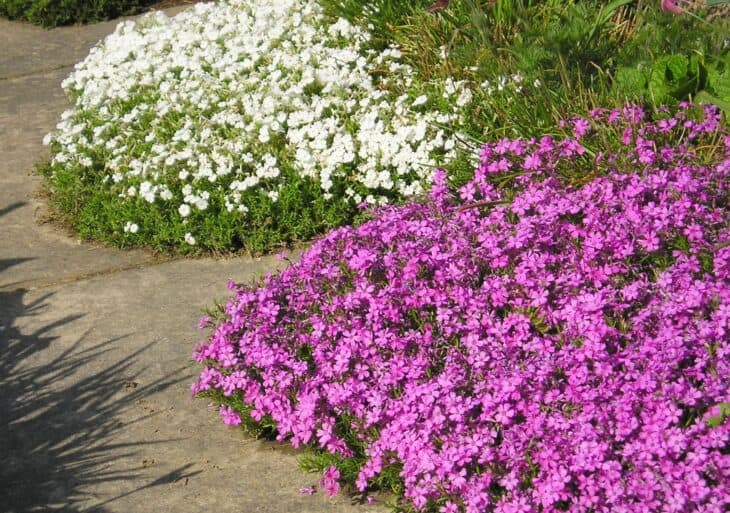
- Forms dense mats of needlelike foliage that help suppress weeds.
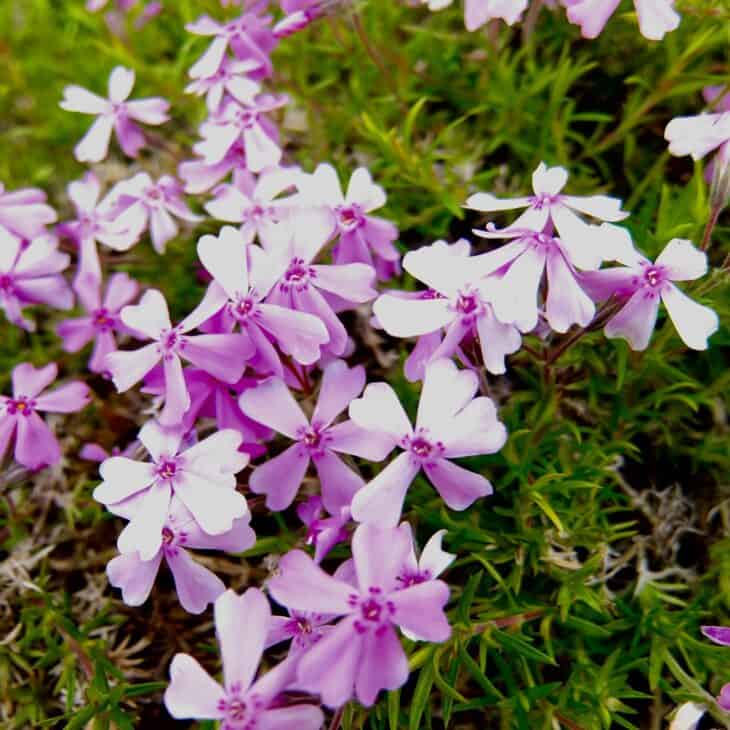
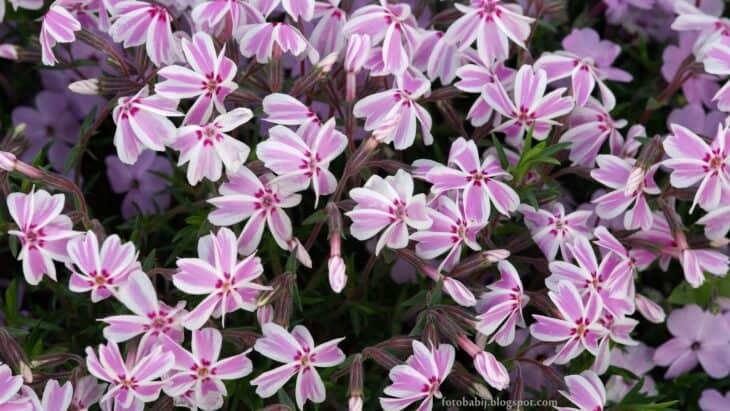
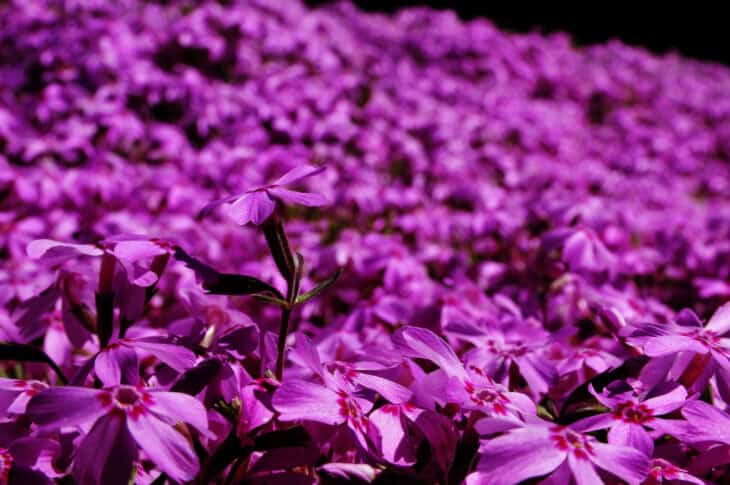
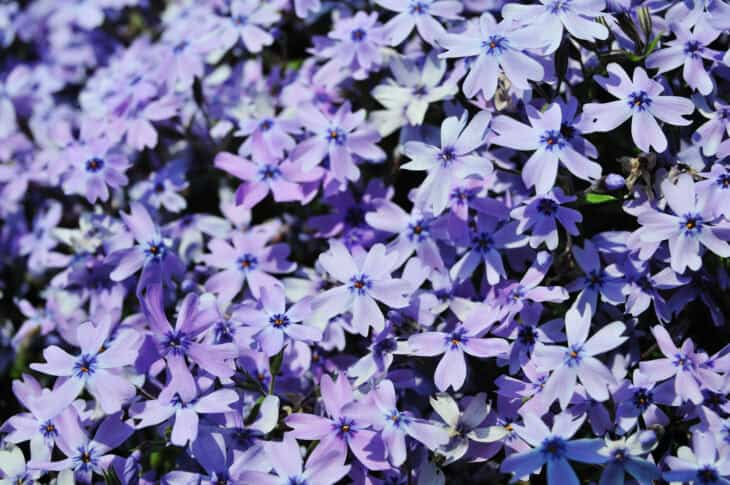
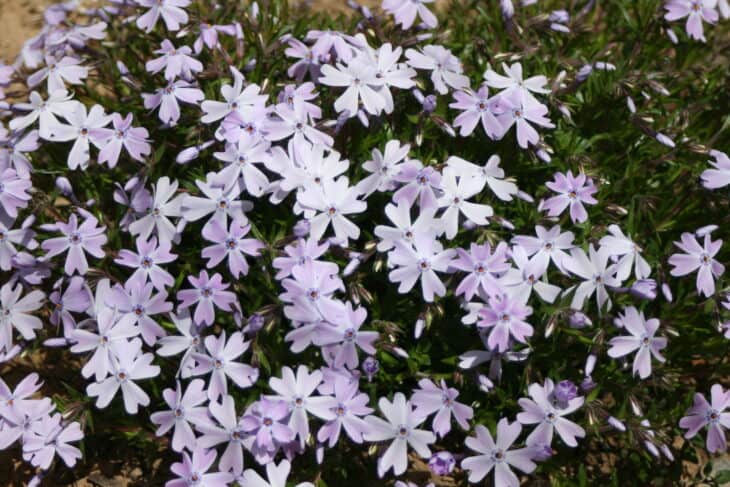
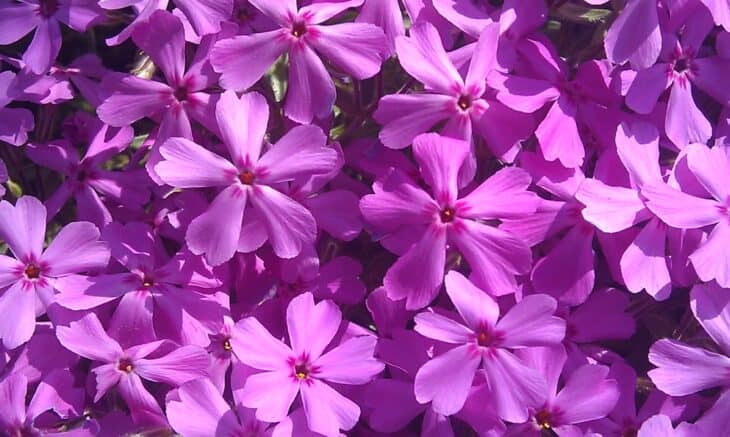
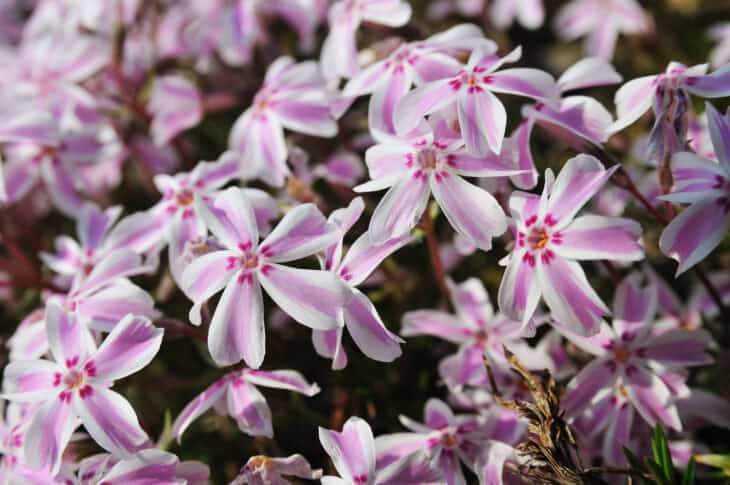
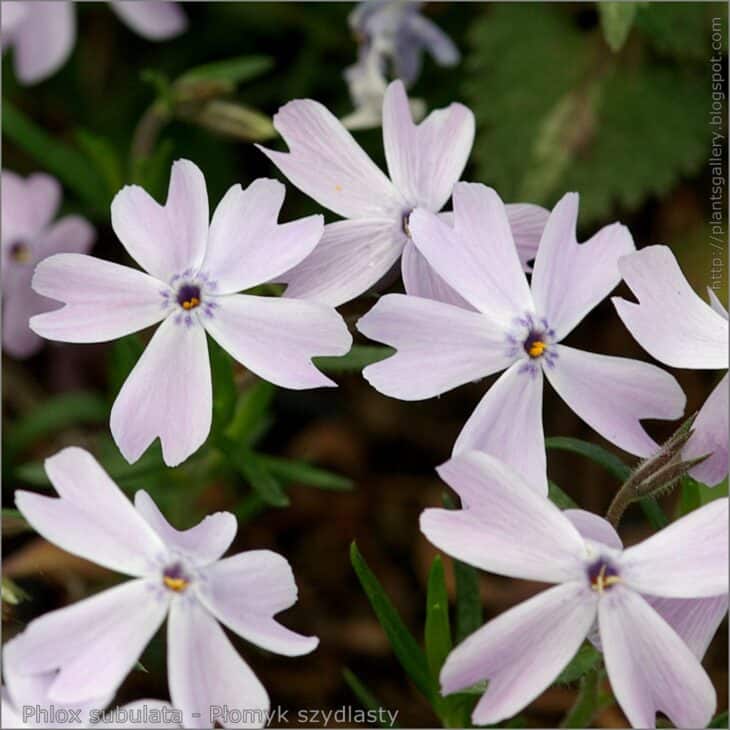
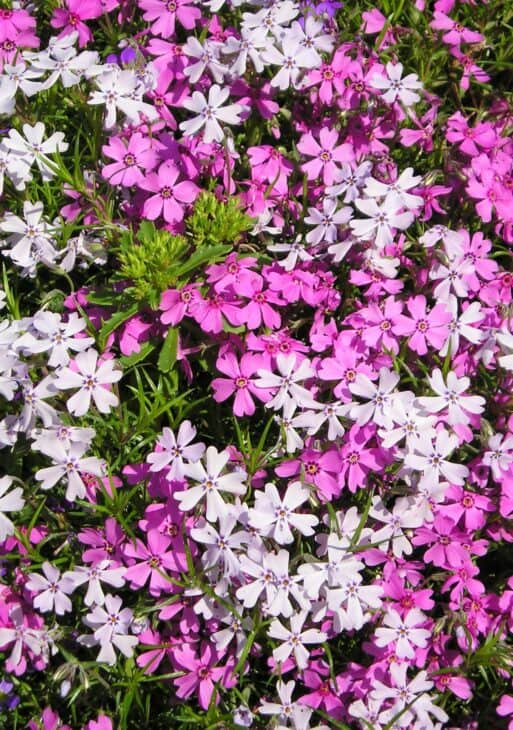
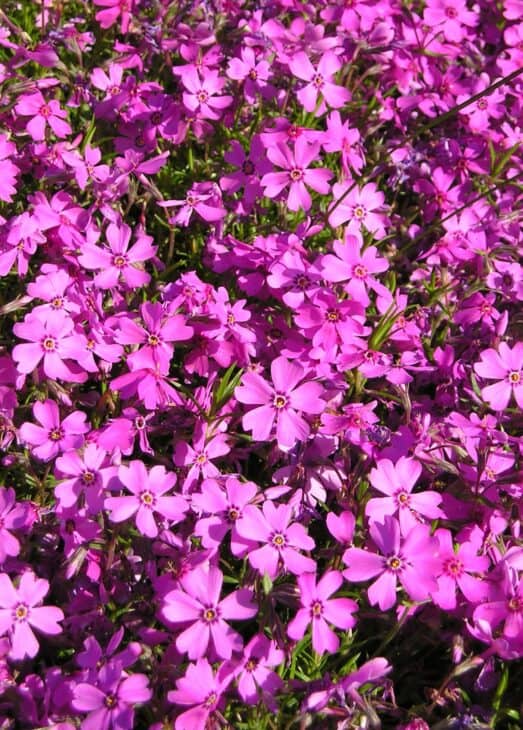
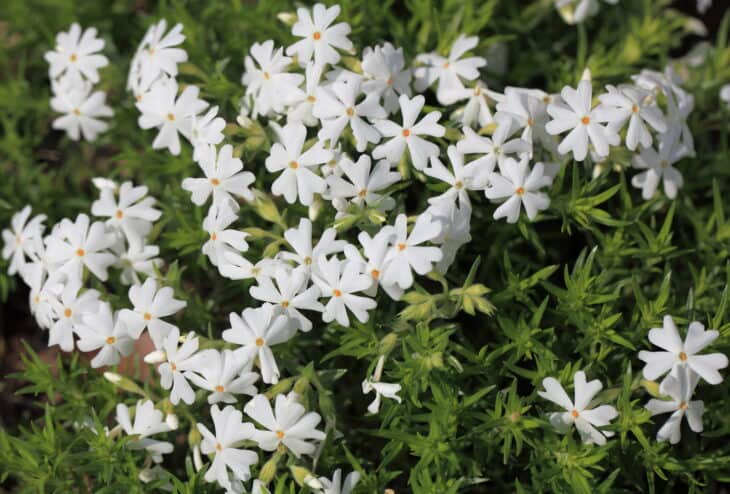
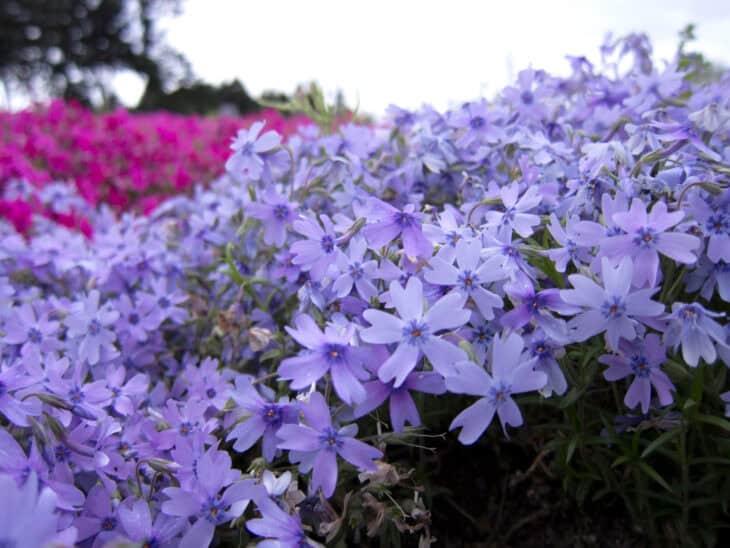
- Produces clusters of five-petaled flowers in spring in a range of colors.
- Prefers well drained, sandy or rocky soils and dislikes waterlogged sites.
- Performs best in full sun for maximum flowering but tolerates some light shade.
- Hardy and long lived in temperate gardens.
- Propagated by division, seed, layering, or tip cuttings.
Creeping Phlox is a low evergreen perennial that forms colorful spring flowering mats and is commonly used as a rock garden or slope groundcover. It performs best in full sun and well drained sandy or rocky soils so avoid plantings in waterlogged sites.
Identification
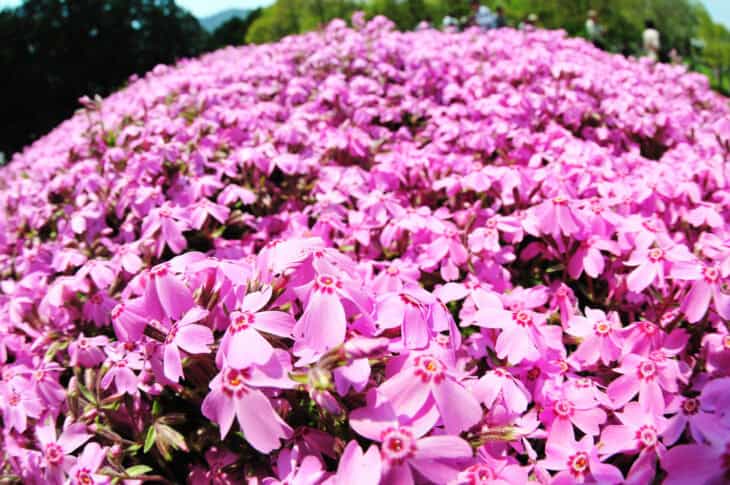
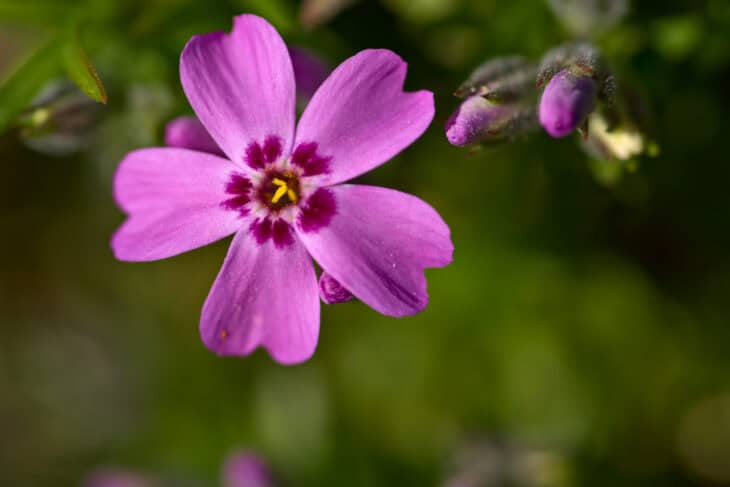
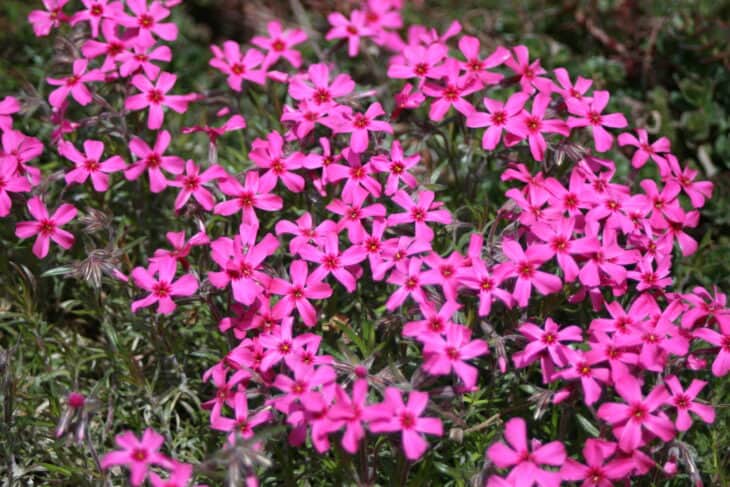
This plant grows about 4 to 6 inches high and typically spreads 12 to 24 inches to form dense mats of needlelike foliage. In spring it produces clusters of five petaled flowers in a range of colors and often blooms in April to May in the northern hemisphere.
Best uses and where to grow
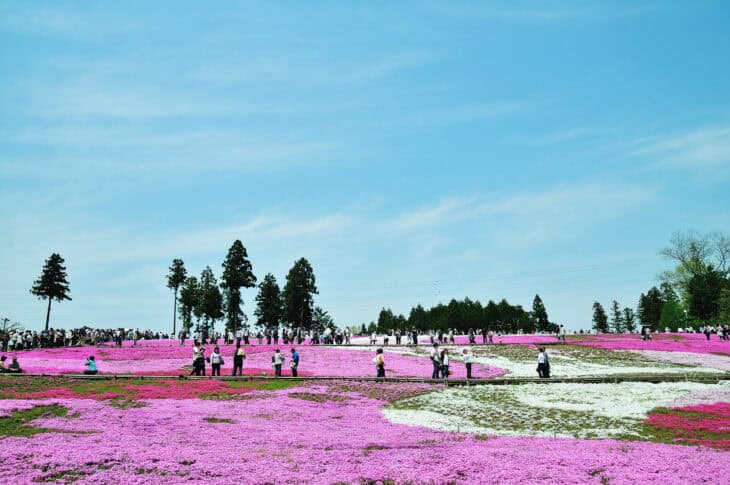
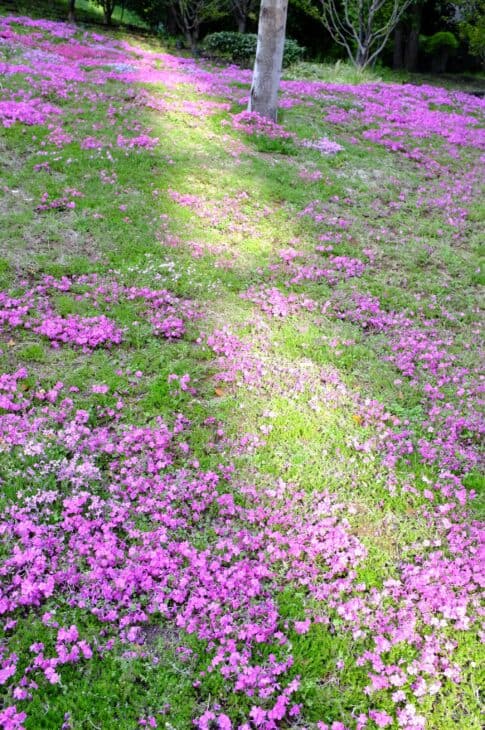
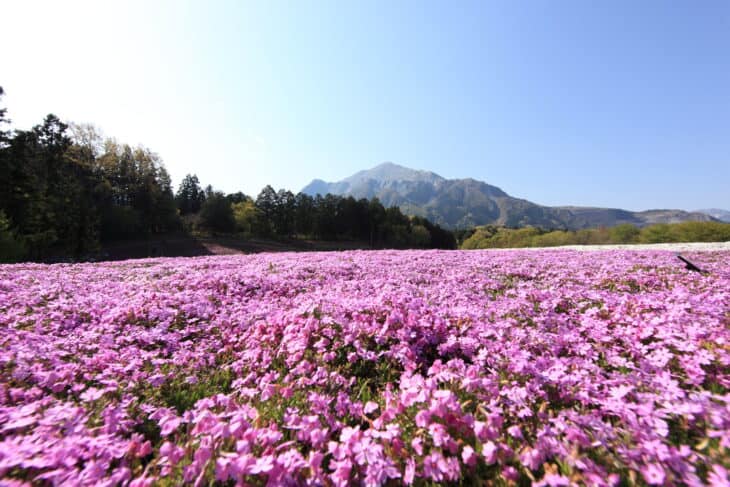
Use Creeping Phlox for rock gardens, slopes and as a spring flowering groundcover that suppresses weeds by forming thick mats. It is hardy in USDA zones 3 to 9 and is most floriferous in full sun while tolerating some light afternoon shade in hotter climates.
Planting time and spacing
Establish new plants in spring or fall in temperate regions and space individual plants about 12 to 24 inches apart depending on how quickly you want the area to fill. Avoid heavy clay or poorly drained sites and consider raised beds or slopes when drainage is a concern.
Watering and soil
Plant in well drained sandy or rocky loam and water so the soil stays evenly moist while plants establish. Prolonged waterlogging leads to root rot and reduced vigor while the species tolerates poorer drier soils once established.
After flowering care
Remove spent flowers to tidy the mat and reduce reseeding. Lightly trim to maintain a compact shape and divide crowded areas in spring or fall to rejuvenate plants and keep them healthy and floriferous.
Controlling spread and naturalizing
Spread varies by cultivar and site fertility and some selections form broader mats over several seasons. Control expansion by thinning or digging out runners and by dividing mats every few years to keep plants within beds and prevent them from overtaking neighboring plantings.
Propagation
Propagate by division, seed, layering and tip cuttings. Divide crowded mats in spring or fall and take tip cuttings in late spring to early summer for reliable results. Seed and layering are also effective for establishing larger drifts in suitable sunny locations.
Frequently asked questions
- How fast does Creeping Phlox grow?
- It forms mats gradually and spreads to 12 to 24 inches over a few seasons, with rate depending on cultivar, soil and sun exposure.
- When does Creeping Phlox bloom?
- Flowering commonly occurs in spring, often in April to May in the northern hemisphere, though timing varies with climate.
- What soil does it prefer?
- It prefers well drained sandy or rocky loam and tolerates poorer dry soils. Avoid heavy wet clay and prolonged waterlogging.
- Is it suitable for slopes and rock gardens?
- Yes it is well suited to slopes and rock gardens where drainage is good and its mat forming habit helps suppress weeds.
- How do I propagate Creeping Phlox?
- Propagate by division in spring or fall, by tip cuttings in late spring to early summer, or by seed and layering for larger plantings.
Gallery
Related Plants


