Key Facts
- Evergreen perennial groundcover.
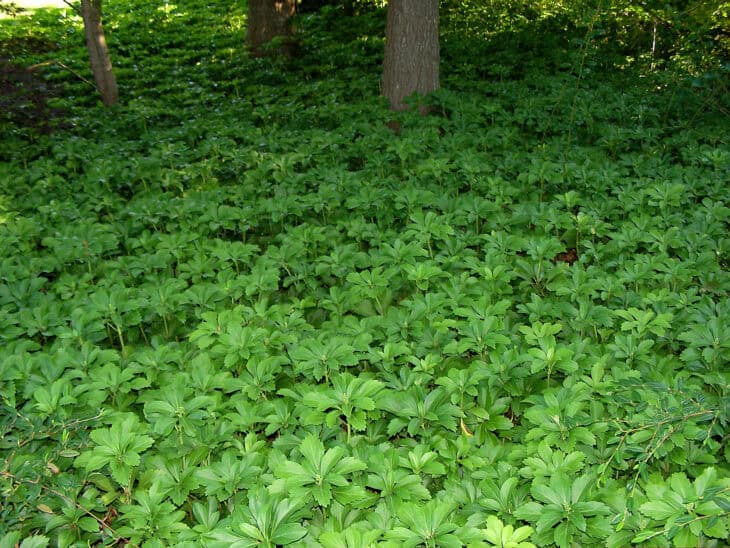
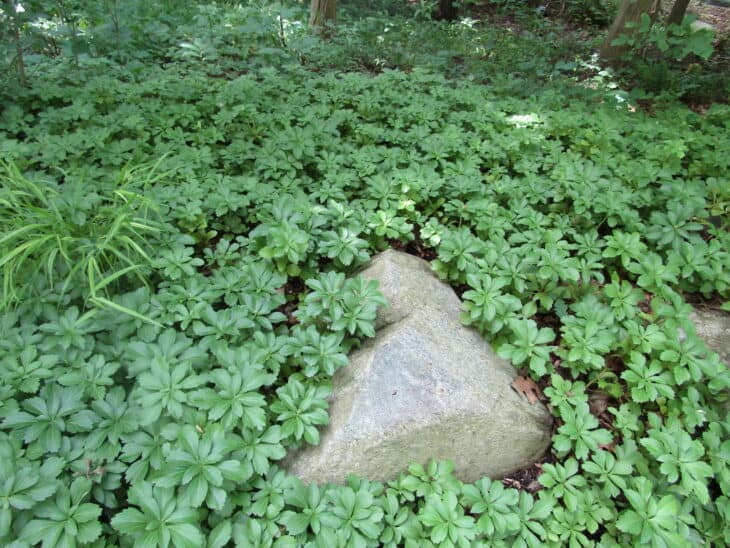
- Forms dense colonies by stolons and shallow roots.
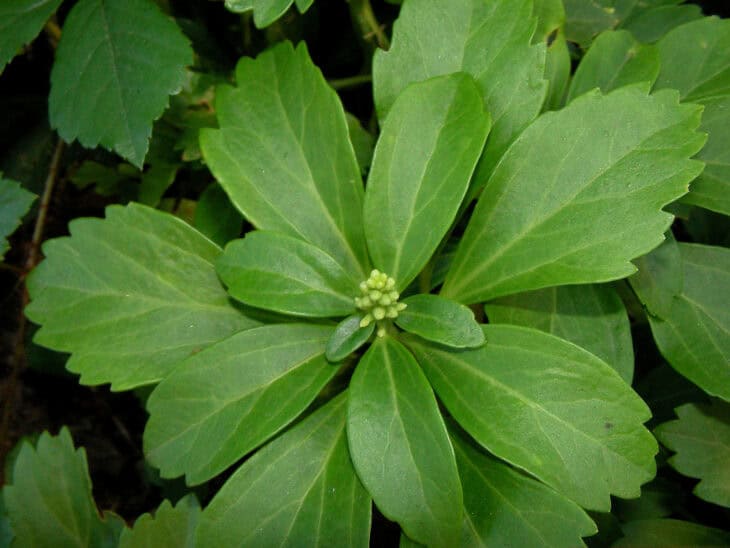
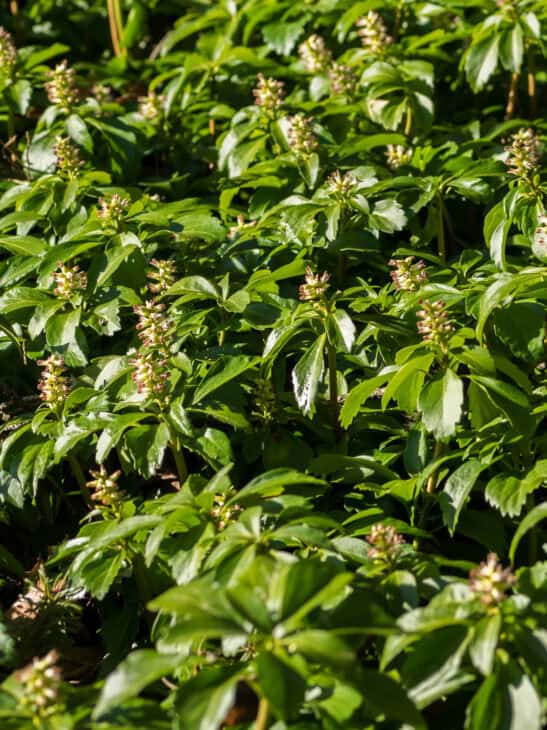
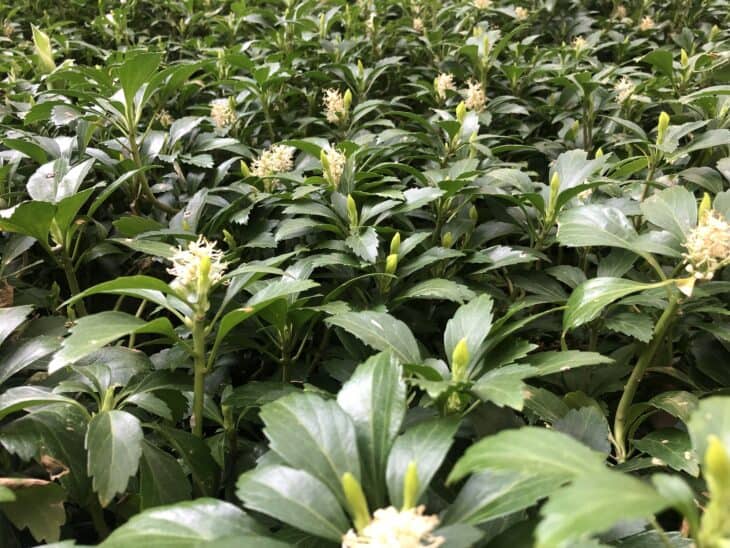
- Small white flower spikes appear in spring.
- Prefers shady to partly shady sites.
- Does best in moist humus rich soil with good drainage.
- Typically 6–12 in (15–30 cm) tall.
- Spreads 1–3 ft (30–90 cm) over time to form mats.
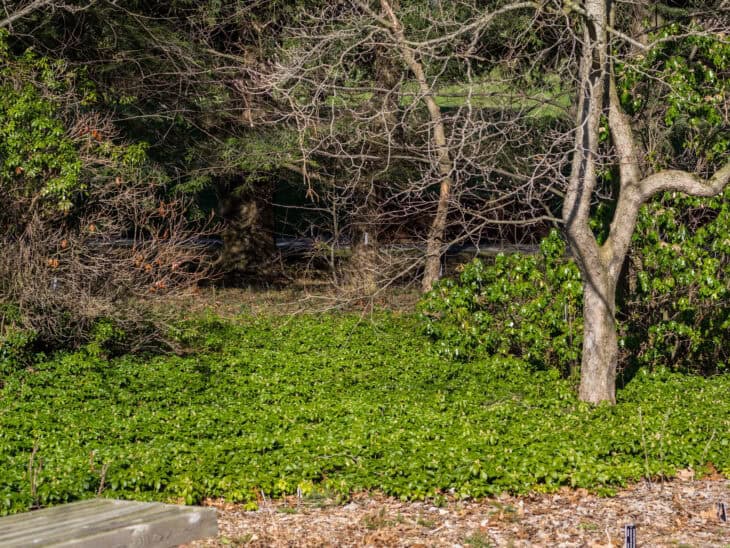
- Used for shade groundcover, erosion control and underplanting.
Japanese Spurge is an evergreen perennial groundcover used to form dense mats in shade. It produces small white flower spikes in spring and spreads by stolons, making it useful for underplanting and erosion control while needing moisture and space to perform well.
Identification
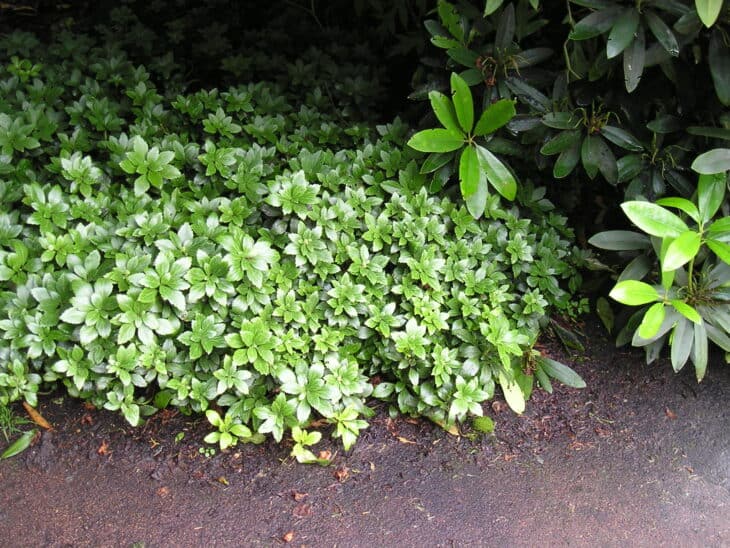
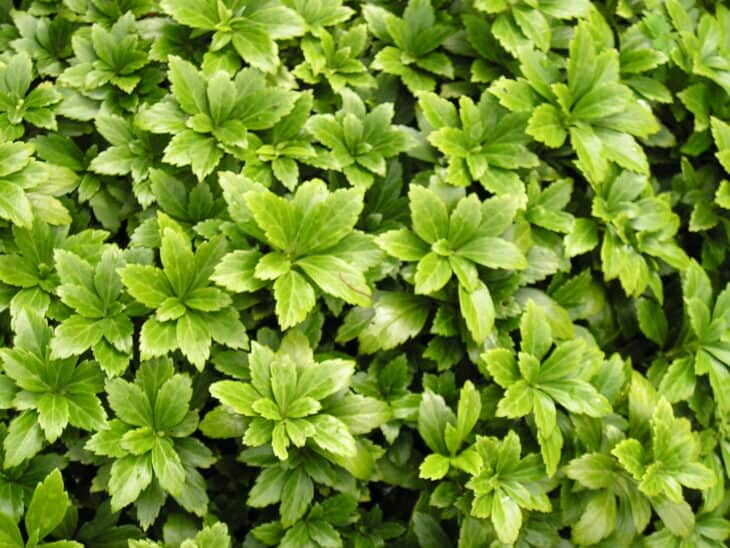
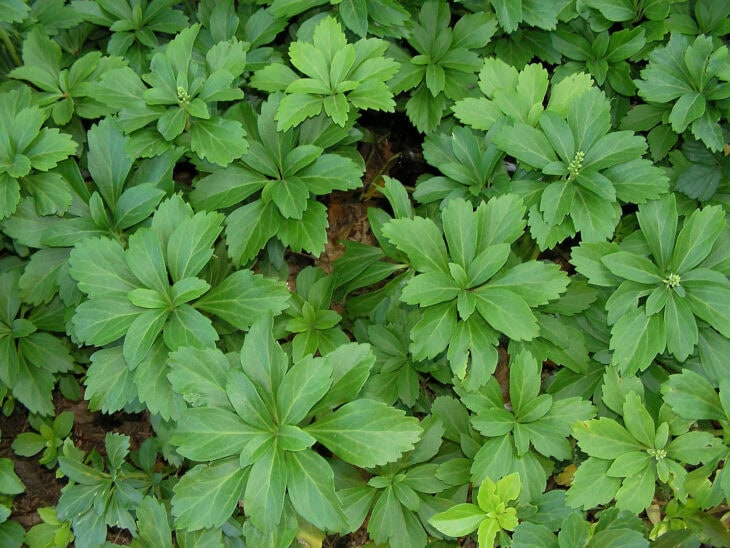
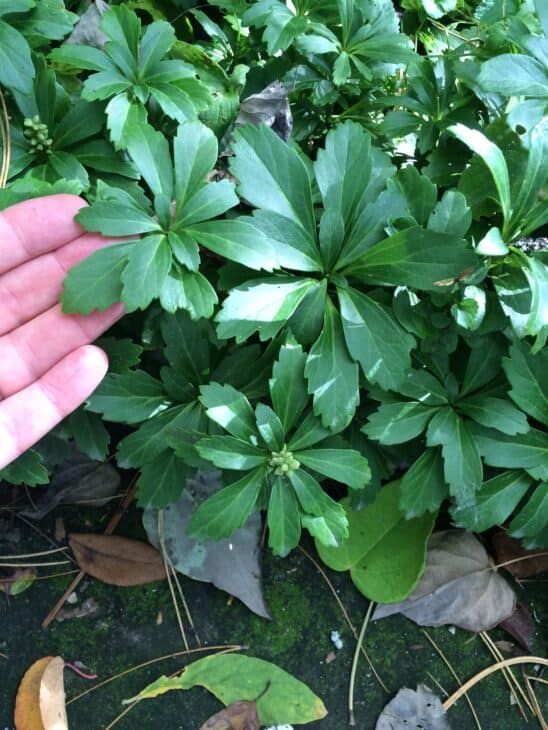
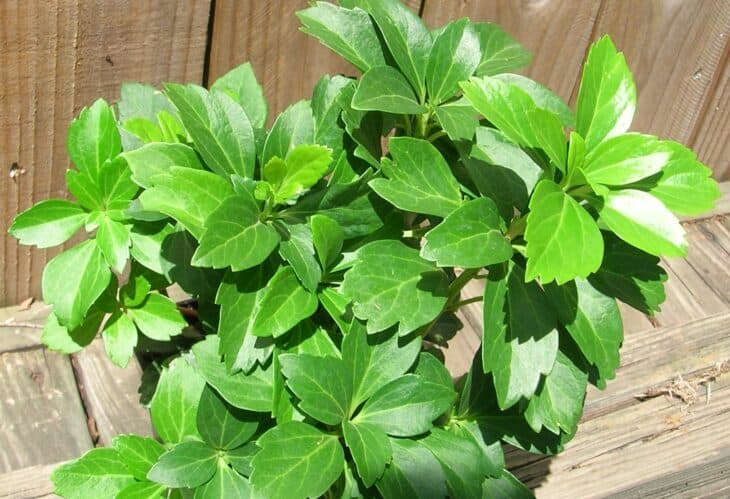
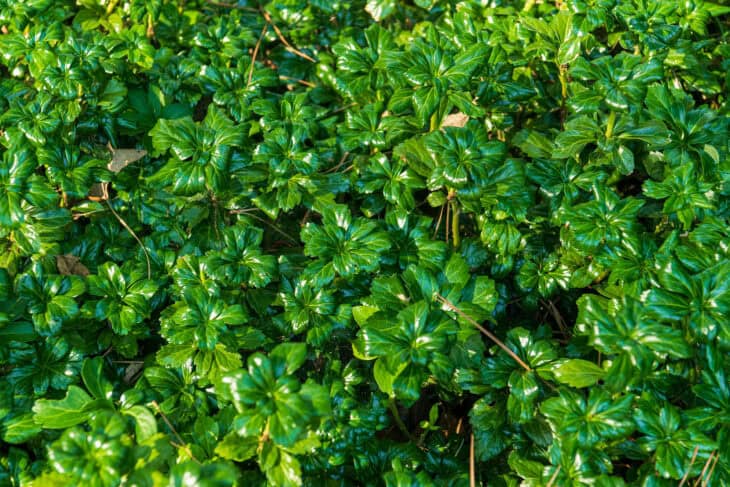
Low, glossy leaves form a carpet 6 to 12 inches tall that hides shallow stolons and roots. In spring the plant makes small white racemes that rise just above the foliage. Over time individual plants join to create mats roughly 1 to 3 feet across depending on site conditions.
Best uses and where to grow
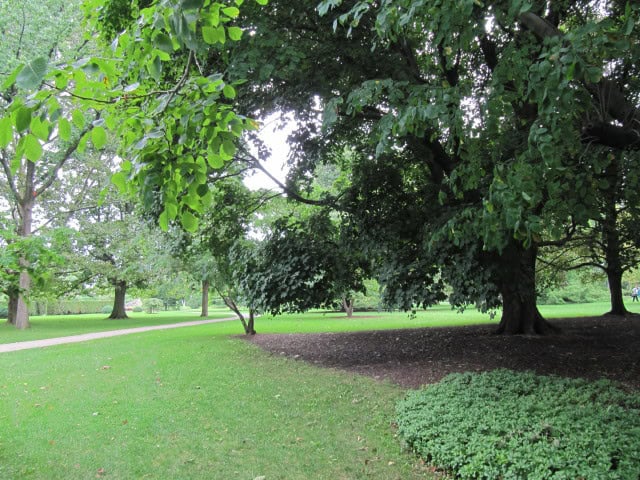
Use Japanese Spurge for shady beds, under trees and on slopes where erosion is a concern. It thrives in USDA zones 4 to 9 and tolerates deep shade. Avoid hot, exposed sites unless the soil stays cool and consistently moist, because dry poor soils reduce vigor.
Planting and spacing
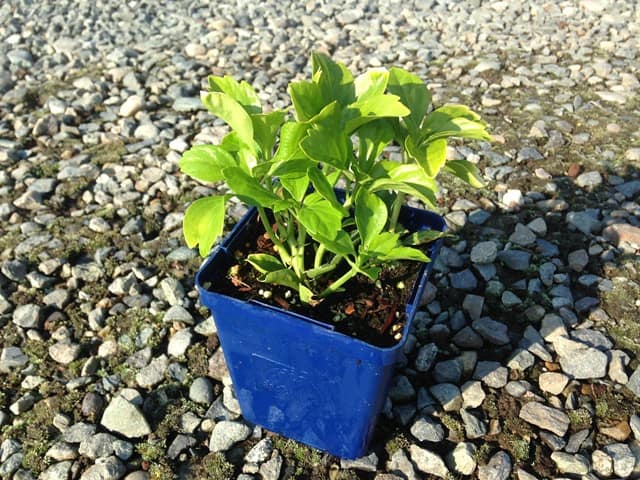
Plant in spring or early fall to give roots time to establish before extremes of heat or cold. Space plants according to the desired speed of coverage, allowing roughly 12 to 36 inches between plants as a guide depending on how quickly you want the area to fill in. Set transplants at the same level they grew in the pot.
Soil light and watering
Japanese Spurge prefers moist, humus rich well drained soil and does best in shade to part shade. It tolerates light clay if not waterlogged and will decline in dry poor soils. Keep soil evenly moist while establishing and water during extended dry spells to maintain dense growth.
After flowering and maintenance
Spring bloom is followed by steady leafy growth, with little pruning required. Remove heavy debris and thin congested patches to improve air flow. Divide crowded clumps every few years to rejuvenate plants and maintain an even mat, which also helps control any decline from overcrowding.
Controlling spread and propagation
The species spreads by stolons and can expand more aggressively in favorable warm, moist sites. Control spread by pulling or cutting back runners and by periodic division. Propagate by division, separating stolons or taking stem tip cuttings in spring or early fall to establish new patches.
Frequently asked questions
- How fast does Japanese Spurge grow?
- It spreads gradually to form mats about 1 to 3 feet across over multiple seasons. Rate depends on light, moisture and soil fertility, with faster spread in moist, fertile sites.
- When does it bloom?
- It blooms in spring, producing small white racemes that stand above the foliage. Exact timing varies with climate and latitude.
- What light does it need?
- Grow it in shade to part shade. It tolerates deep shade and is well suited for planting under trees where direct sun is limited.
- What soil does it prefer?
- It prefers moist, humus rich well drained soil and tolerates neutral to slightly acidic conditions. Avoid prolonged drought and waterlogged spots.
- Is Japanese Spurge toxic to pets?
- Reports vary on toxicity and symptoms. Check local poison control or the ASPCA for authoritative guidance before assuming the plant is safe for pets.
Gallery
Related Plants