
Key Facts
- Low growing evergreen groundcover that forms mats.
- Needlelike or scale like foliage that can be blue green or gray green.
- Female plants produce blue berry like cones often called berries.
- Very drought tolerant once established.
- Useful for erosion control on slopes and banks.
- Prefers full sun for best density and color.
- Spreads by layering and can cover large areas over time.
Creeping Juniper is a low evergreen groundcover that forms dense mats and is used for rock gardens, slopes and mass planting. It tolerates poor dry soils and favors full sun and good drainage while spreading slowly by layering to cover open ground.
Identification
Low growing and mat forming, Creeping Juniper typically stays 6 to 18 inches high and can spread several feet across depending on cultivar. Foliage is needlelike or scale like and ranges from blue green to gray green. Female plants produce blue, berry like cones that often persist into winter.
Best uses and where to plant
Use Creeping Juniper for slope stabilization, erosion control, rock gardens and wide informal groundcover areas where low maintenance is desired. It performs best in full sun where foliage is dense and colorful. Avoid poorly drained sites as wet soils increase risk of decline.
Planting and spacing
Space plants to allow for a mature spread of about 3 to 6 feet depending on the cultivar. Plant so the root ball sits level with the surrounding soil and firm the soil to remove air pockets. Mulch lightly to conserve moisture but keep mulch away from direct contact with the crown.
Soil sun and watering
Choose well drained sandy or rocky soils where possible. Creeping Juniper tolerates poor and compacted soils and prefers neutral to slightly acidic pH. Water regularly until established then reduce frequency. Once established plants are very drought tolerant and will decline in persistently wet conditions.
Maintenance and after flowering care
Flowers are inconspicuous in spring and female cones develop later and may persist through winter. Routine maintenance is low. Light pruning maintains shape but heavy pruning into old wood can be slow to recover. Remove dead stems and manage runners at the edges to keep a tidy planting.
Propagation and controlling spread
Layering and semi ripe softwood cuttings are the most reliable propagation methods and preserve cultivar traits. The species spreads naturally by layering and can cover large areas over time. To limit spread trim runners, pull rooted tips or use edging to contain mats in planted beds.
Frequently asked questions
- How fast does Creeping Juniper grow?
- Growth rate varies by cultivar and site conditions. It spreads gradually by layering and some plants can cover several feet over multiple seasons as they establish.
- What USDA zones does it suit?
- Creeping Juniper is commonly grown in USDA zones 3 to 7 though hardiness can vary by cultivar. Check cultivar specific zone information before planting.
- Will it handle poor soil?
- Yes it tolerates poor dry and compacted soils and is well suited to rocky or sandy sites provided drainage is good.
- Is Creeping Juniper good for erosion control?
- Yes its mat forming habit and spreading by layering make it useful for stabilizing slopes and banks.
- Is it invasive?
- It is not typically listed as invasive but it can naturalize and cover large areas if left unchecked. Use edging or regular trimming to control spread.
Related Plants

Mentioned In (2)
Trees
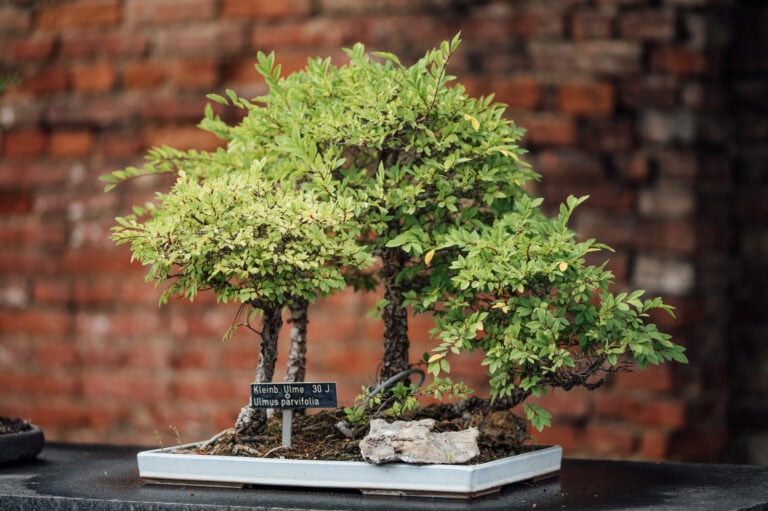
The Best Types of Bonsai Trees for Beginners
Bonsai doesn't demand a master's touch to thrive. Some species forgive missed waterings, tolerate low light, and actually improve when…

Plants
9 Plants That Look Like Moss
Moss (Bryophyta) is a beautiful plant that grows naturally in forests and shaded areas of gardens. And while mosses are…