
Key Facts
- Deciduous small to medium sized tree native to eastern and central North America.
- Distinctive hop like papery fruit clusters that persist after flowering.
- Leaves alternate and doubly serrate with a rough texture.
- Tolerant of shade and often found as an understory tree.
- Prefers well drained soils but adapts to a range of soil types.
- Valued for erosion control, wildlife shelter, and specimen planting.
- Slow growing and long lived compared with many street trees.
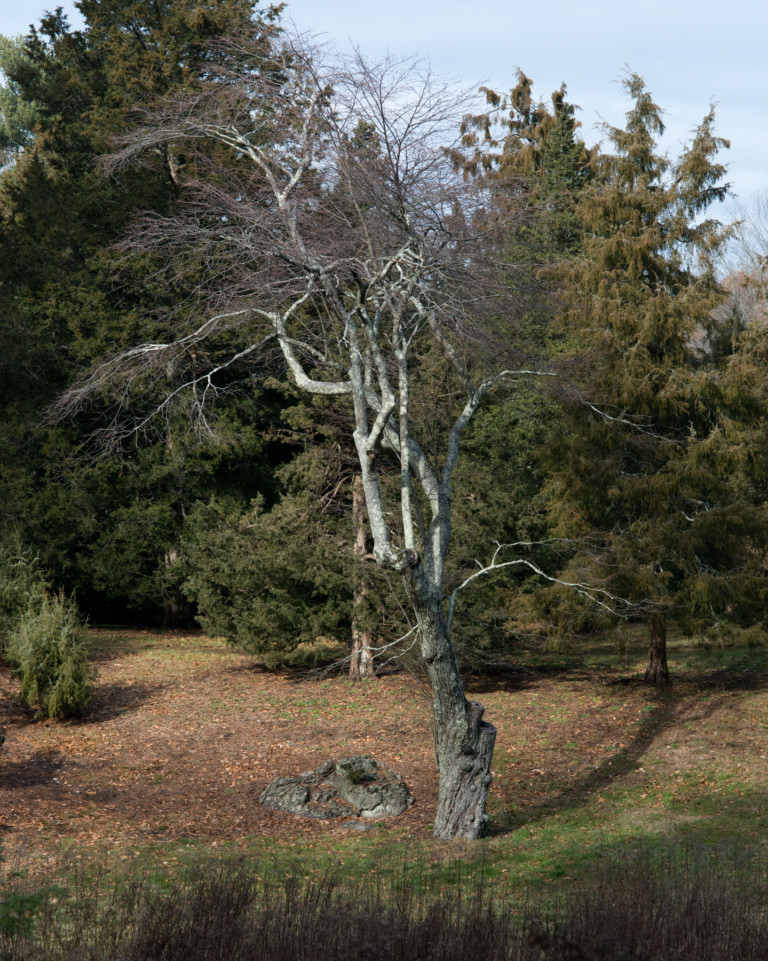
- Bark becomes flaky or shaggy with age and is hard and durable.
American Hop Hornbeam is a small deciduous tree native to eastern and central North America. It is noted for papery hop like fruit clusters and strong shade tolerance, making it useful as an understory or specimen tree in many landscapes.
Identification
Leaves are alternate and doubly serrate with a rough texture, and spring brings inconspicuous male and female catkins. Seeds form distinctive papery, hop like clusters that often persist into winter. Mature bark becomes flaky or shaggy and is hard and durable, helping identify older specimens.
Best uses and where to grow
Use as an understory tree, specimen planting, or for erosion control where a slow growing, long lived native is desired. It provides wildlife shelter and fits woodland edges and naturalized plantings. It is hardy in USDA zones 3 to 9 and performs best where extreme summer heat is limited.
Planting and space considerations
Give hop hornbeam room to reach its mature size of about 20 to 40 feet tall and roughly 20 to 30 feet wide. Plant with enough distance from structures and other trees to accommodate a broad crown. In heavier shade expect a narrower, multi stemmed form and slower growth.
Soil and watering
Prefers moist, well drained loam but adapts to dry, sandy and clay soils provided drainage is good. Avoid persistently wet sites because poor drainage raises the risk of root rot and decline. Water new plantings regularly until established and reduce supplemental watering once roots are developed.
Light and placement
Tolerates deep shade as an understory tree but develops better form and more reliable flowering with some sun. Plant in partial shade to full sun depending on site goals. In heavy shade expect slower growth, a more open crown and a tendency toward multiple stems.
After flowering and routine care
Seeds develop into papery clusters that provide winter interest and shelter for wildlife, so many gardeners leave them intact. Hop hornbeam is slow growing and long lived so pruning is infrequent; prune to remove dead wood or to shape structure during the dormant season.
Propagation
Propagate chiefly by seed, which benefits from cold stratification and fresh sowing. Transplant nursery seedlings and try layering or cuttings with variable success. Expect better germination after stratifying seed and plan for slower early growth compared with faster landscape trees.
Frequently asked questions
- How fast does American Hop Hornbeam grow?
- It is generally slow growing and long lived, slower than many common street trees and ornamental plantings.
- How big does American Hop Hornbeam get?
- In landscape settings expect about 20 to 40 feet tall with a typical spread near 20 to 30 feet, though size varies with site conditions.
- When does it bloom?
- It flowers in spring with small male and female catkins and develops papery seed clusters; exact timing shifts earlier in warm climates and later in cold ones.
- Is it suitable for heavy shade?
- Yes. It tolerates deep shade and is often used as an understory tree, though growth and form improve with some sun.
- Are hop hornbeam trees toxic to pets or people?
- Toxicity records are limited in common horticultural references. Confirm safety for children and pets with local poison control or a veterinary source before assuming low risk.
Related Plants


Mentioned In (8)

Plants
9 Plants That Look Like Hops
Hops (Cannabaceae Humulus) is well-known for its use in beer brewing. The plant that produces hop buds is known as…
Trees
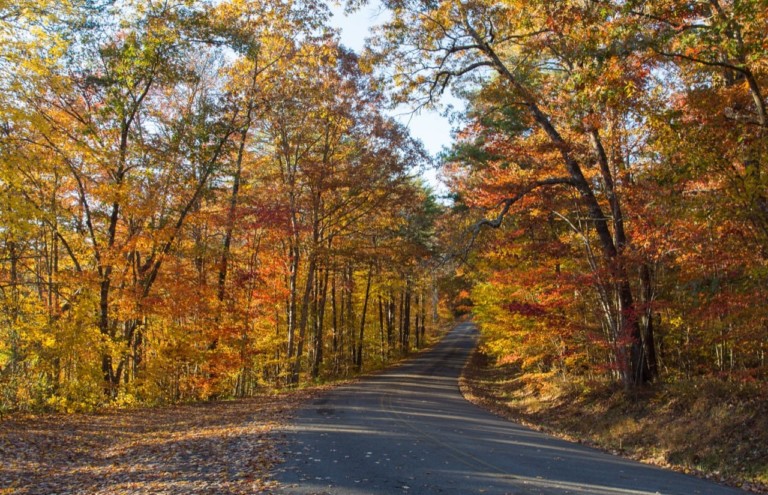
34 Most Common Trees in Alabama
The 30th largest state in the United States of America, Alabama, is home to a mesmerizingly diverse landscape. From hardwood…

Trees
23 Most Common Trees in South Dakota
If you are looking to plant a tree in your garden, it is best to know what the most common…
Trees
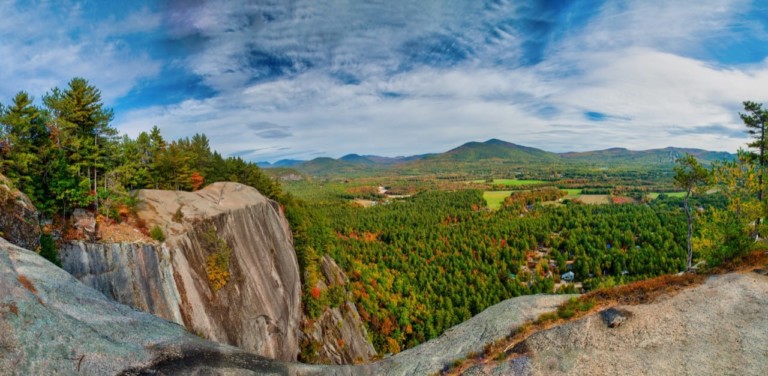
22 Most Common Trees in Maine
The state of Maine is home to many different species of trees, but according to the forestry department, only about…

Trees
30 Most common trees in New England
The trees of New England are some of the most beautiful in the world. From maples to sycamores, here are…
Trees
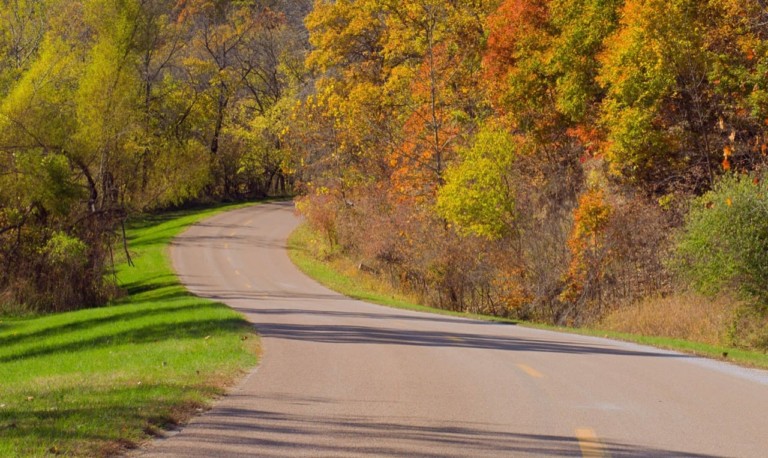
23 Most Common Trees in Nebraska
Nebraska is known for its vast, rich landscapes that are absolutely teeming with wildlife and vegetation. There are approximately 10,000…
Trees
30 Most Common Trees in Kansas
Kansas is home to a wide range of trees, from the tall and hardy oak tree that can grow up…
Trees
26 Great Flowering Trees For Michigan Gardens
If you’re looking to add eternal, year-round beauty to your lawn and boost the curbside appeal of your Michigan home,…