
Key Facts
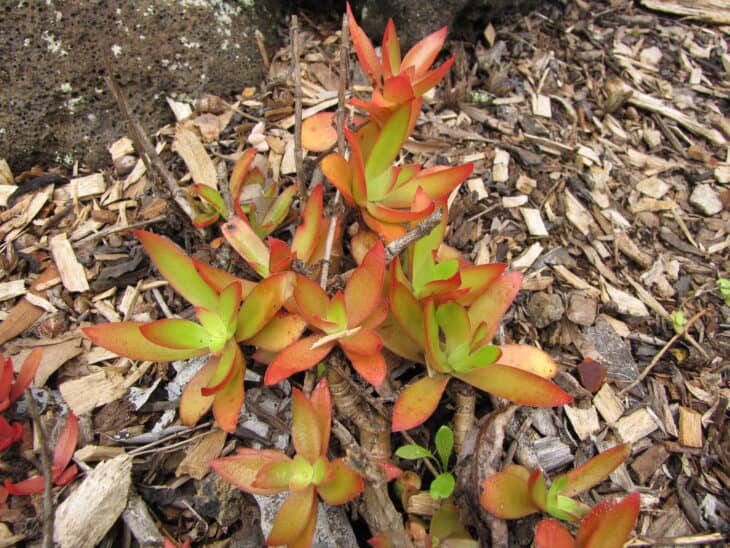
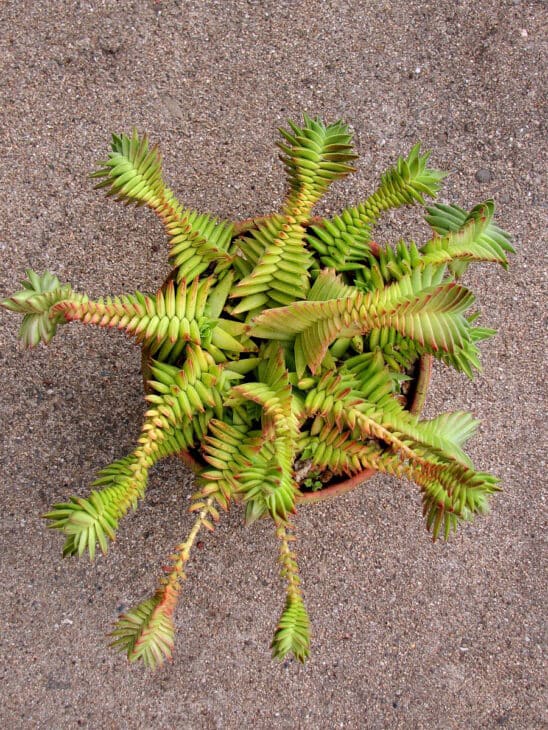
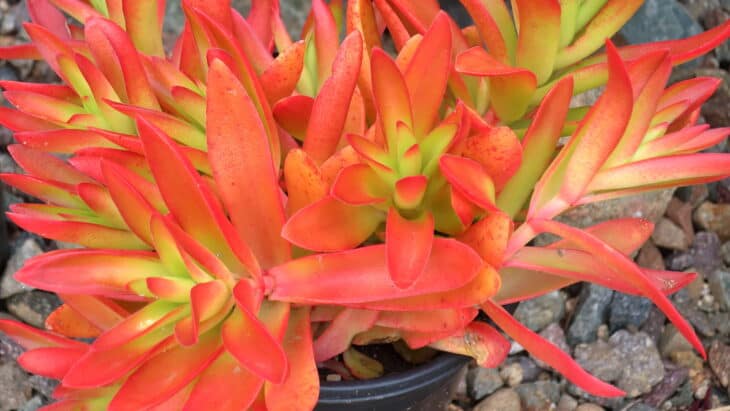
- Succulent with stacked, paddle shaped leaves that often blush red in strong light.
- Forms low creeping mats or small upright clusters.
- Prefers very well draining soil and dry conditions between waterings.
- Tolerates bright sun and part sun and may need afternoon shade in very hot climates.
- Produces small tubular white or pale flowers typically in cooler seasons.
- Easy to propagate from stem cuttings, leaf cuttings, or offsets.
- Not frost tolerant and should be protected from freezing temperatures.
Red Pagoda is a low succulent prized for stacked paddle shaped leaves that often flush red in bright light. It makes low creeping mats or small upright clusters and fits well in containers and rock gardens, with the tradeoff that it does not tolerate frost.
Identification
Small succulent with stacked paddle leaves that deepen to red under strong light and form low mats or short clusters. Typical height ranges from 2 to 6 in and spread commonly falls between 8 and 18 in depending on cultivar and growing habit. Produces small tubular pale flowers in cooler seasons.
Where to grow and best uses
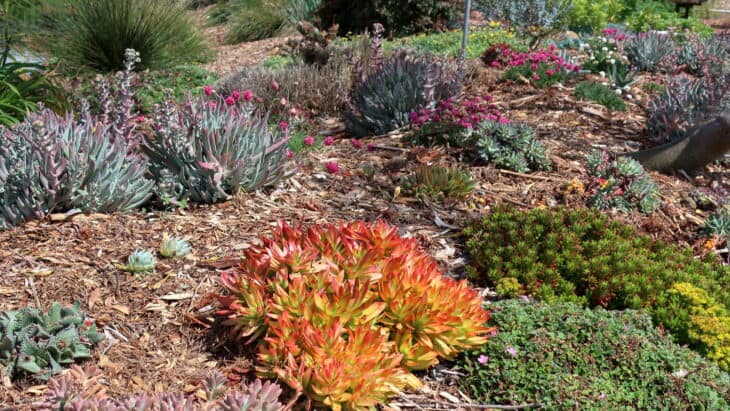
Use Red Pagoda as a trailing groundcover in warm climates or as an accent in containers and mixed succulent pots. It thrives outdoors in USDA 9b–11 and in colder areas it belongs under glass or as an indoor plant. In very hot regions provide afternoon shade to prevent leaf scorch.
Soil and planting
Plant in very well draining soil such as a cactus or succulent mix with sandy or gritty additions to improve drainage. Heavy or waterlogged soils cause root rot and plant decline. Set plants at the same depth as their nursery pot and give enough room for each to spread to its natural width.
Light and watering
Accepts full sun to part sun and the leaves gain stronger red color in bright light. Water sparingly and allow the soil to dry between waterings. Overwatering leads to soft leaves and root rot while too little light results in pale, stretched growth that reduces the plant’s red coloration.
After flowering care
Blooms from winter to spring in many climates. Remove spent flower stalks to keep the plant tidy and to redirect energy to foliage and root growth. Maintain normal succulent care after flowering and move plants indoors or under protection if freezing temperatures threaten.
Propagation
Propagate easily by leaf cuttings, stem cuttings, or division of offsets. Let cut surfaces callus for a day or two before placing in a very well draining mix. Young plants root quickly when kept warm and slightly shaded until established.
Pests and common problems
Main problems are root rot from excess moisture and sunscorch in extreme heat. Not frost tolerant so protective measures are required in cooler regions. The species may be toxic to pets if eaten, so keep plants out of reach and confirm species specific risks with a veterinary poison control resource.
Containers and landscape use
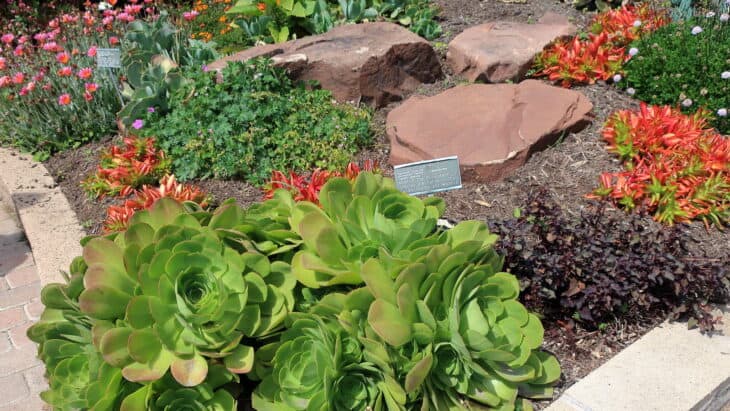
Performs well in shallow containers, mixed succulent arrangements, and rock gardens where drainage is excellent. Spread varies by cultivar and by whether the plant is grown as a trailing groundcover or a clustered container specimen. Divide crowded patches to control spread and refresh soil every few years.
Frequently asked questions
- How fast does Red Pagoda grow?
- Growth is moderate and depends on light and water. Plants form low mats or small clusters and will expand to the typical spread over time as conditions allow.
- Is Red Pagoda poisonous to pets?
- It may be toxic to cats and dogs if eaten and can cause vomiting. Keep plants out of reach and verify risks for your cultivar with a veterinary poison control source.
- How often should I water Red Pagoda?
- Allow the soil to dry between waterings. Reduce frequency in cooler months. Persistent wet soil leads to root rot and soft, unhealthy leaves.
- Can Red Pagoda tolerate full sun?
- Yes it tolerates bright sun and part sun, and bright light enhances red leaf color. Provide afternoon shade in very hot climates to avoid scorch.
- How do I propagate Red Pagoda?
- Use leaf or stem cuttings and offsets. Allow cut surfaces to callus before planting in a very well draining mix and keep newly rooted pieces lightly shaded until established.
Gallery
Related Plants


