
Key Facts
- A warm season summer squash grown as an annual.
- Includes bush and vining growth habits.
- Produces elongated green fruits commonly harvested young.
- Fast to mature and often very productive.
- Prefers full sun and fertile, well drained soil.
- Sensitive to frost and cold soil at planting.
- Typically propagated by seed.
Zucchini (Cucurbita pepo) is a warm season summer squash grown as an annual. It produces elongated green fruits commonly harvested young and is fast to mature and often very productive. Plants prefer full sun and fertile, well drained soil and are usually started from seed.
Identification
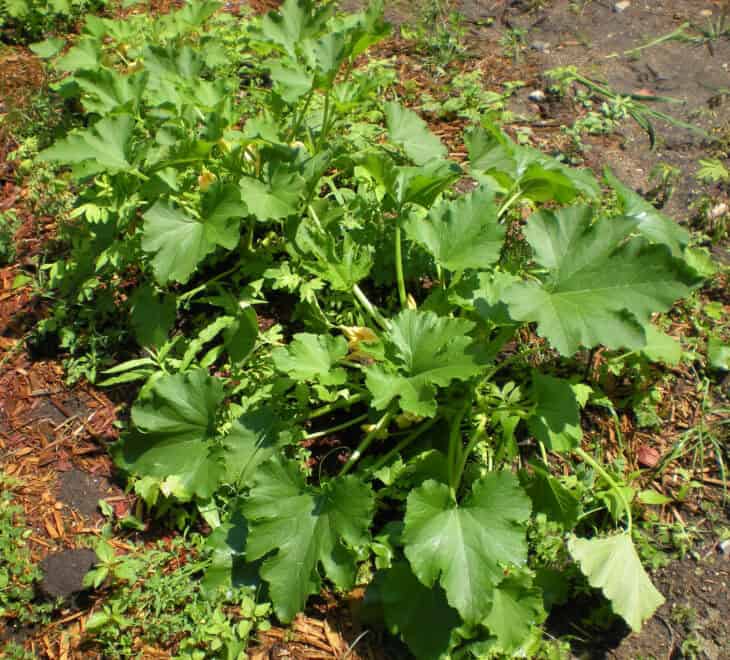
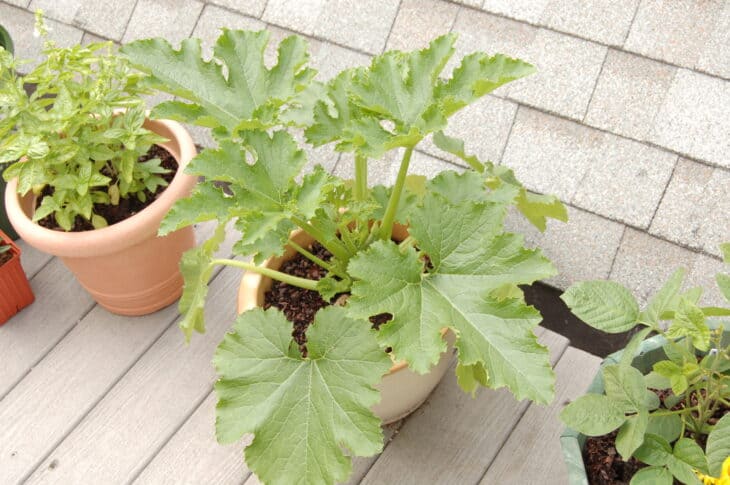
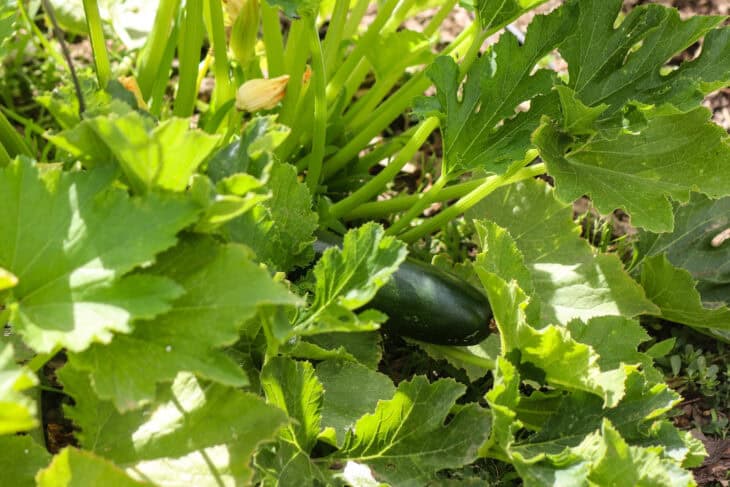
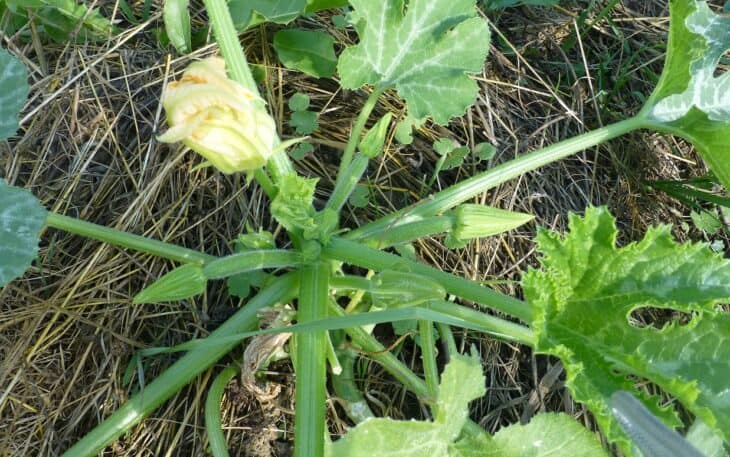
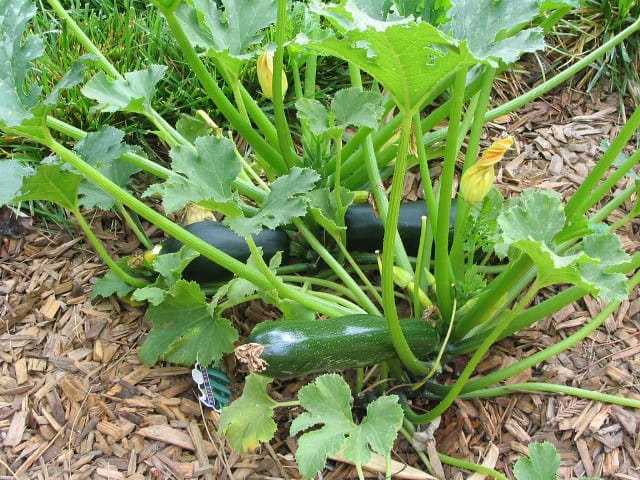
Zucchini includes both bush and vining growth habits with a low leafy crown and long stems on vining types. Plants produce yellow flowers in warm months and elongated green fruits that are typically picked while still small and tender. Height for bush types is commonly about 1 to 2 feet.
Best uses and where to grow
Use zucchini in vegetable beds, raised rows and informal allotments where space permits vigorous growth. They perform best in full sun with at least 6 hours of direct light but will tolerate light afternoon shade in very hot regions. Treat them as a frost tender annual and plan planting around local frost dates.
Planting time and propagation
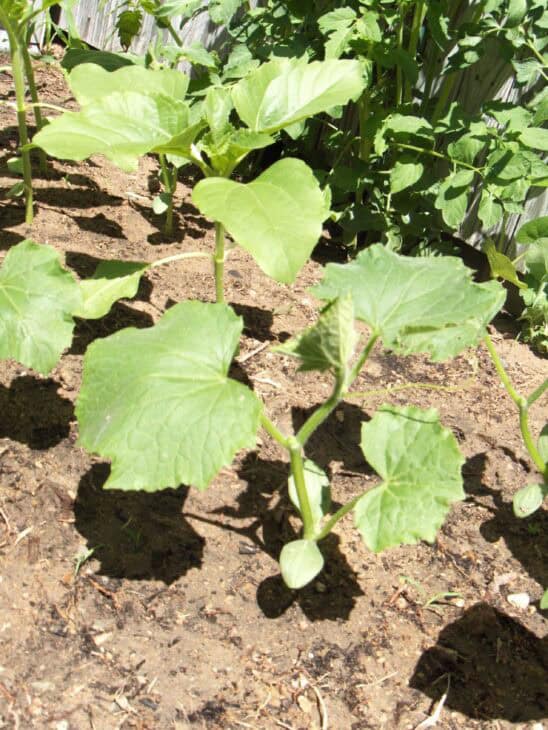
Sow seeds outdoors after the danger of frost has passed or start indoors 2 to 4 weeks before transplanting to the garden. Zucchini is sensitive to cold soil and frost so wait until soil and air temperatures are reliably warm before planting outside. Commercial systems sometimes use grafting for disease resistance.
Spacing and planting layout
Space plants to match their habit. Bush types commonly occupy about 2 to 3 feet across while vining plants often spread 4 to 6 feet or more if untrained. Many extensions recommend 3 to 6 feet between vining plants and closer spacing for bush cultivars. Adjust spacing if you plan to trellis vining types.
Watering and soil
Zucchini prefer rich, well drained loamy soil with consistent moisture and a pH near 6.0 to 7.5. Provide steady water during fruit set and avoid waterlogged conditions which cause root problems and reduce yields. Amending soil with compost improves fertility and moisture retention while maintaining drainage.
After flowering and harvest
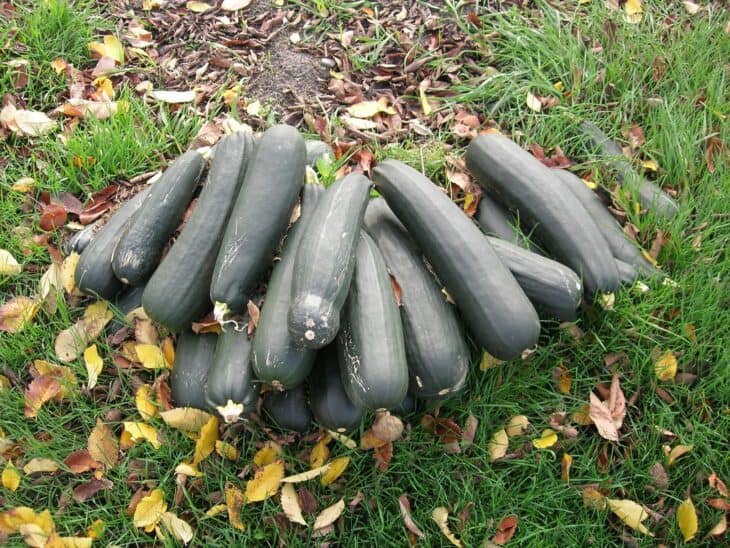
Flowers open in warm weather and fruit follows quickly after pollination. Harvest fruits while young for best texture and flavor since zucchini are commonly picked early. Plants are fast to mature and often very productive, so check vines frequently during the harvest window to collect ripe fruits.
Controlling spread and training
Provide ample room for untrained vining types which can sprawl several feet. Train vining cultivars on a strong trellis to reduce ground footprint and improve air circulation. For bush types give 2 to 3 feet of space to avoid crowding and to limit spread into neighboring crops.
Frequently asked questions
- How fast does Zucchini grow?
- Zucchini are fast to mature and often very productive. Fruits typically develop soon after flowers open in warm weather.
- When should I plant zucchini?
- Plant after the danger of frost has passed and soil is warm. Start seeds indoors 2 to 4 weeks before transplanting if you want an earlier start.
- How much sun do zucchini need?
- Full sun with at least 6 hours of direct light is ideal. In very hot climates light afternoon shade can reduce heat stress.
- Are zucchini toxic to pets or people?
- Zucchini are generally non toxic as food. Some cucurbits can produce bitter cucurbitacins that cause nausea, so discard any fruit that tastes unusually bitter.
- How far apart should I plant zucchini?
- Bush types commonly need about 2 to 3 feet of space. Vining types typically require 4 to 6 feet or more unless trained vertically.
Gallery
Related Plants


Mentioned In (1)
Plants
7 Plants That Look Like Pumpkin
Pumpkins have long been a staple food for many delicious culinary creations across many cultures. Pumpkins is another vernacular term…