
Key Facts
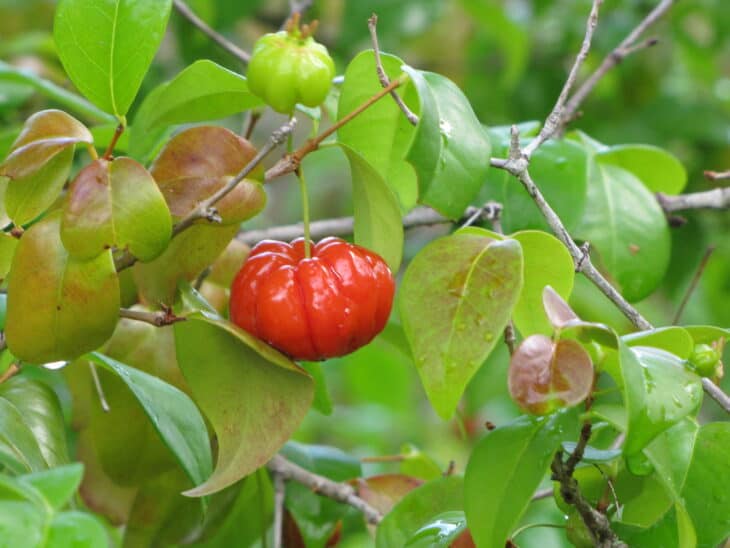
- Evergreen shrub or small tree grown for ribbed cherry-like fruit.
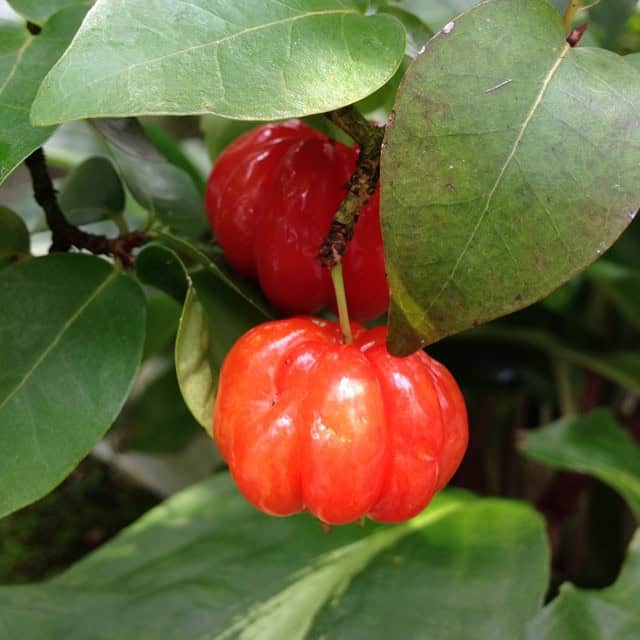
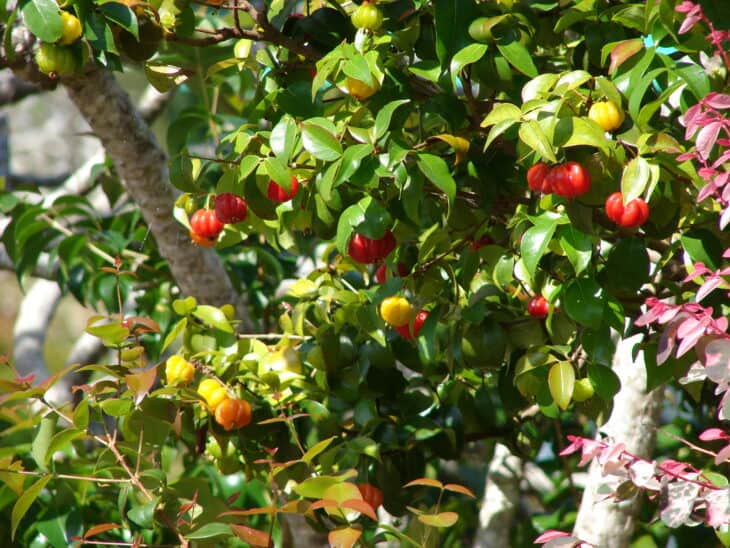
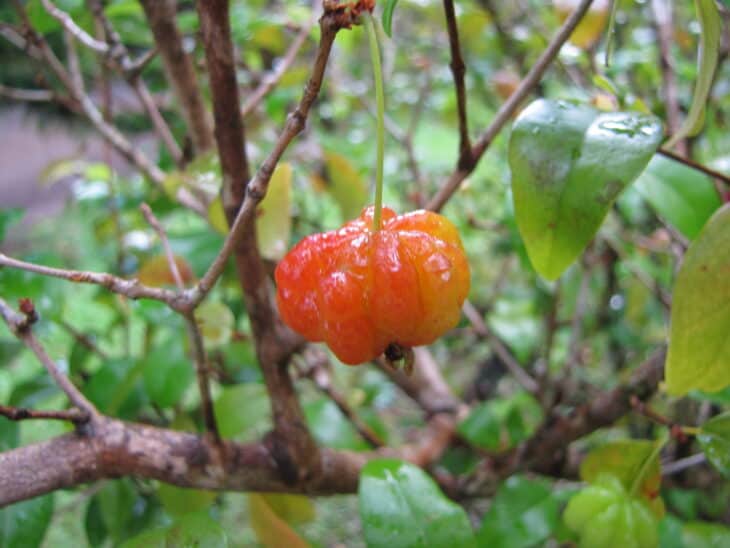
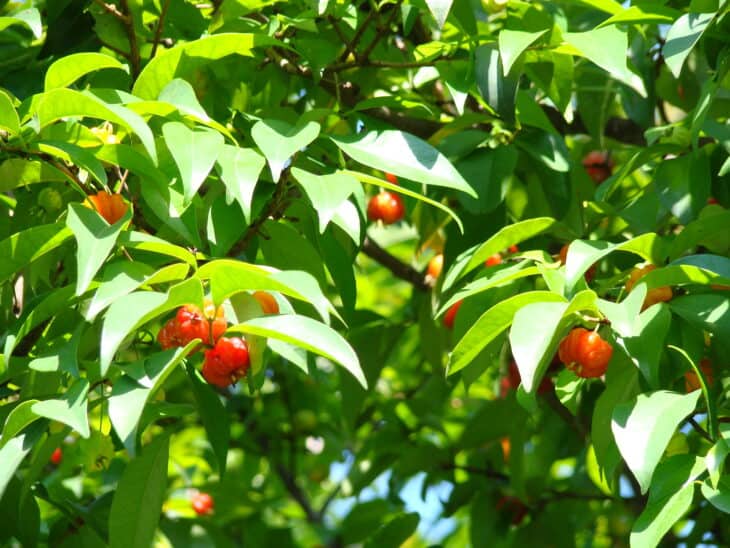
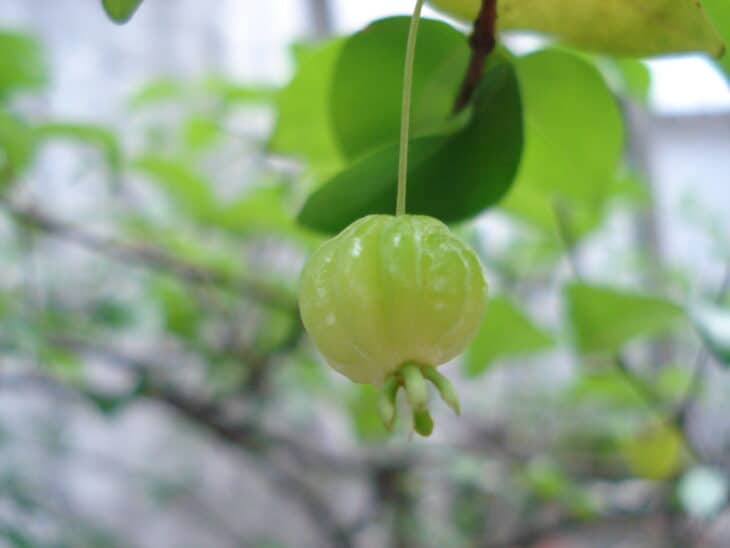
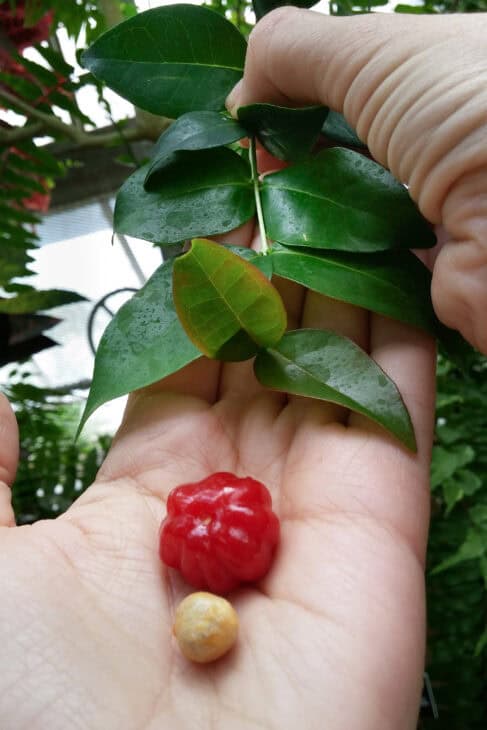
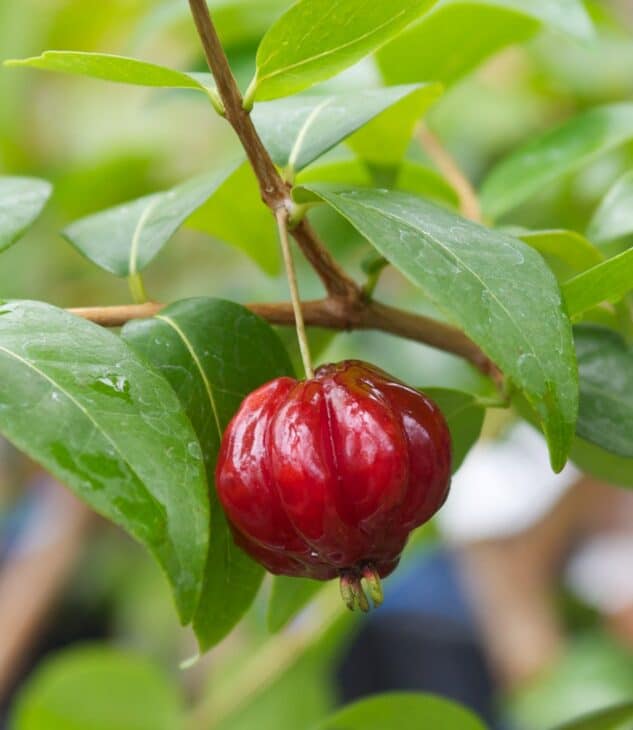
- Fruits ripen from bright red to dark purple and are edible.
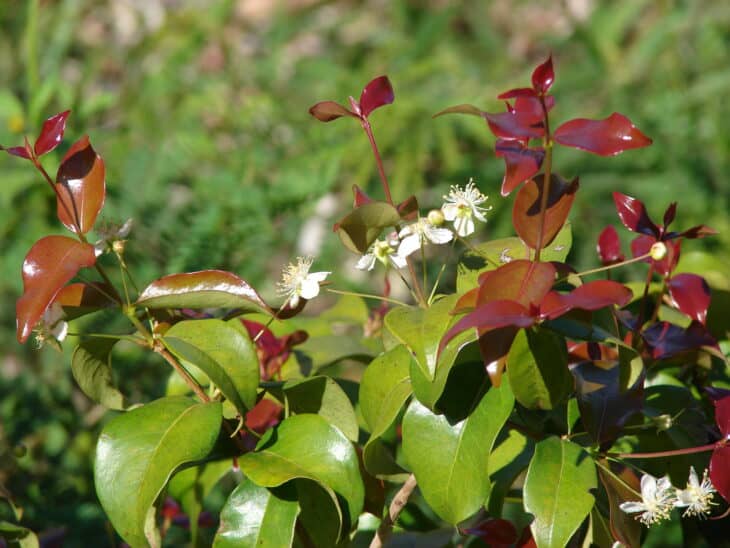
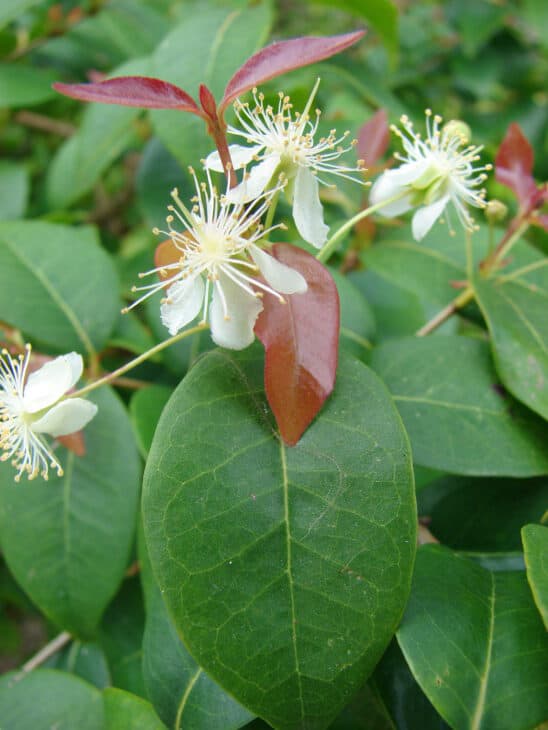
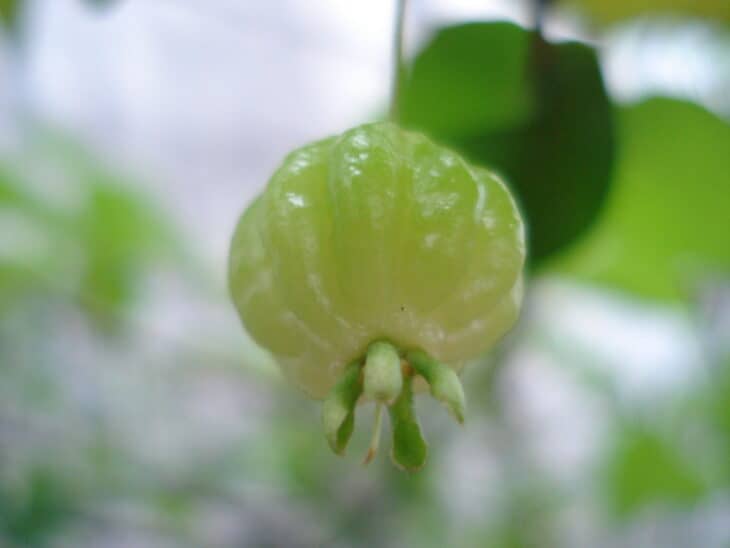
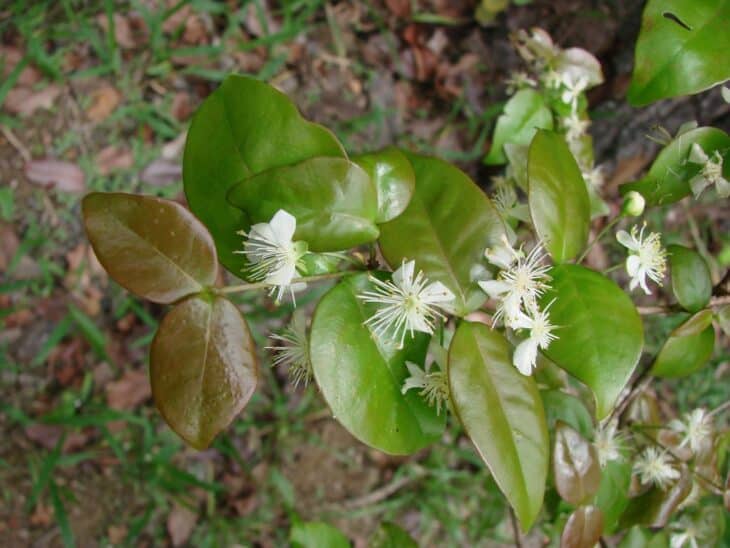
- Small white flowers appear before fruit set.
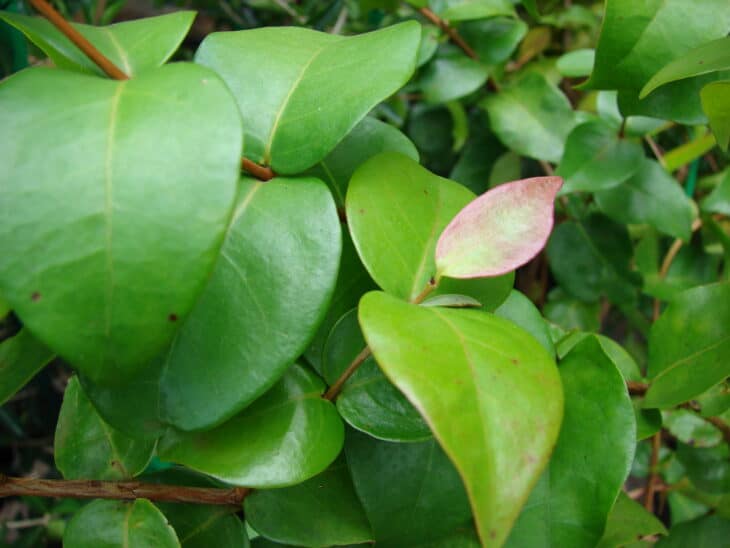
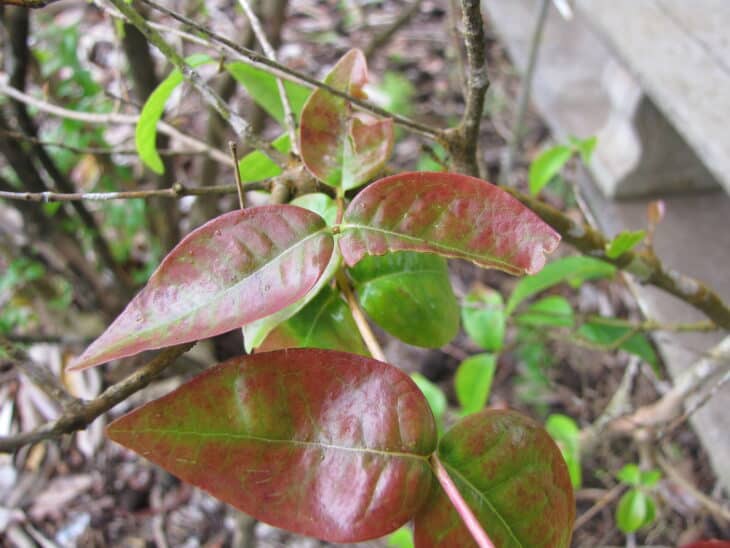
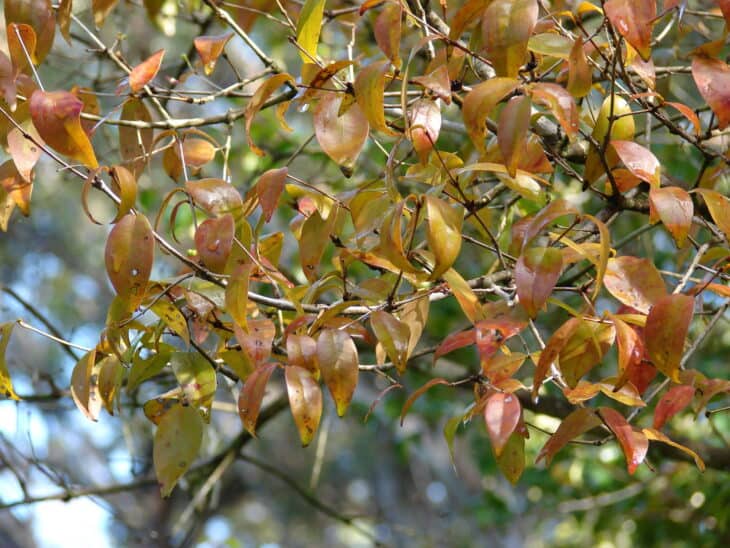
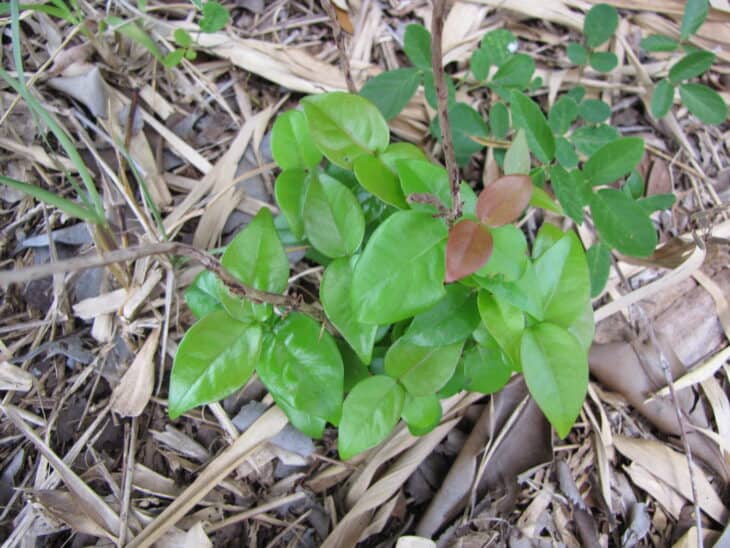
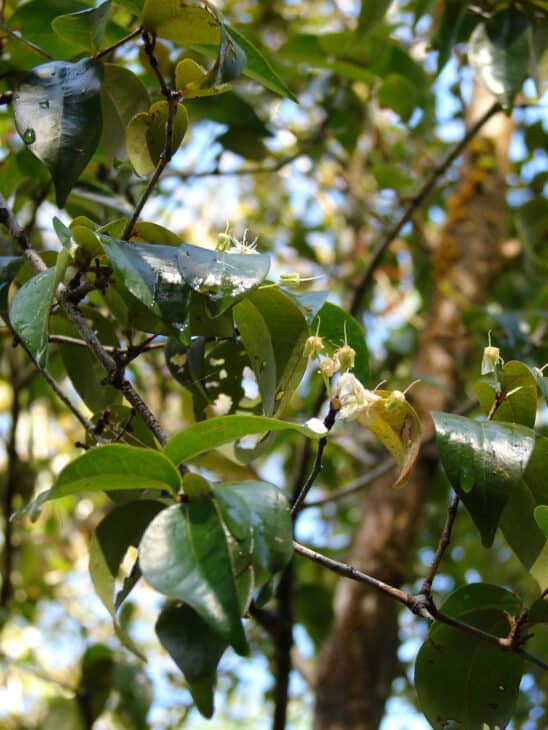
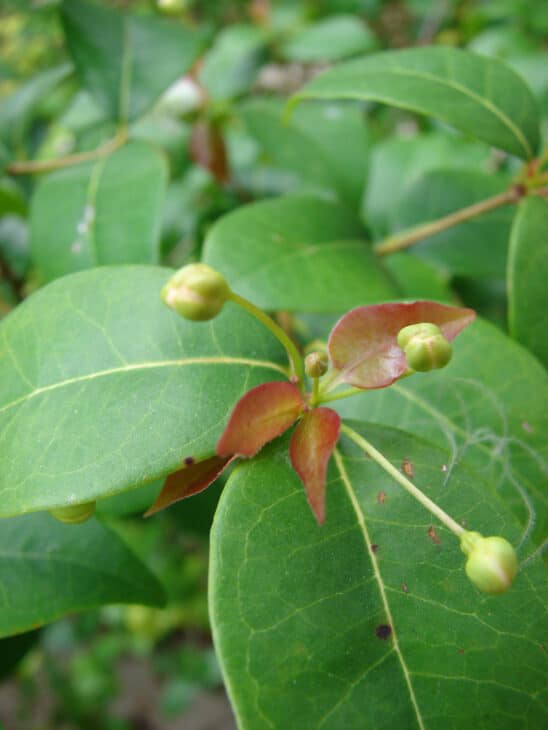
- Glossy opposite leaves with aromatic oils when crushed.
- Performs best in warm climates with minimal frost.
- Propagated by seed, semi-ripe cuttings, or air layering.
- Prefers well drained soils and fruits best in full sun.
- Attracts birds and beneficial insects when fruiting.
Surinam Cherry is an evergreen shrub or small tree grown for its ribbed, cherry-like fruit and glossy aromatic leaves. It offers edible fruit in warm sites but performs poorly where frost is frequent.
Identification
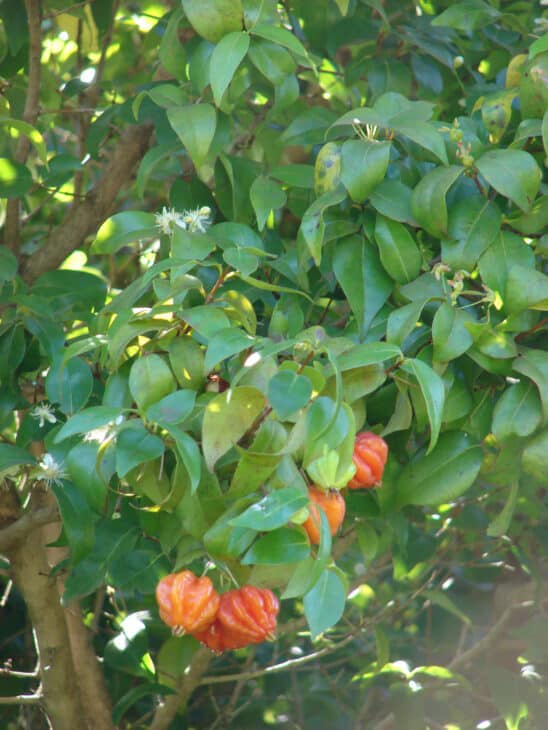
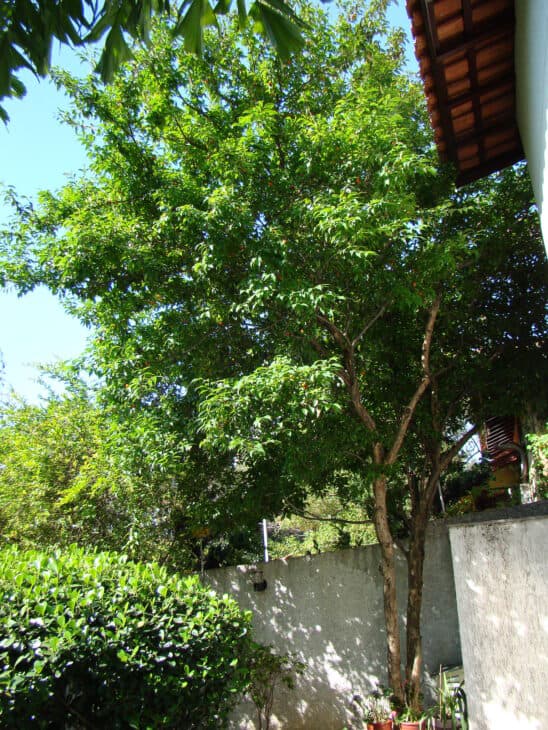
Surinam Cherry bears ribbed cherries that ripen from bright red to dark purple and follow small white flowers. Leaves are opposite, glossy and release a pleasant aroma when crushed. Plants typically reach about 6 to 12 feet tall and wide in cultivation, with form varying by cultivar and growing conditions.
Where to grow and best uses
Performs best in warm climates across USDA zones roughly 9 to 11 and suits subtropical landscapes. Use it as a specimen tree, informal hedge or fruiting shrub near patios where bird activity and fruit drop are acceptable. In the warmest sites plants can fruit prolifically and sometimes year round.
Planting time and spacing
In frost-prone areas plant in spring after the last frost; in frost-free locations planting can be done any time. Space plants about 6 to 12 feet apart to allow the canopy to develop, with closer spacing appropriate when training as a dense hedge.
Soil and watering
Prefers fertile, well drained soils from sandy to loamy and fruits best in full sun. Avoid waterlogged sites because poor drainage leads to root decline and reduced fruiting. Provide regular moisture during establishment and moderate watering afterward; stressed plants produce fewer fruits.
After-flowering care and pruning
Fruit follows spring to summer flowering in many climates. Thin crowded branches and remove dead or frost-damaged wood to improve airflow and vigor. Regular light pruning controls spread, encourages bushier growth and makes harvesting easier when grown for fruit.
Propagation
Propagate Surinam Cherry by seed for diversity or by semi-ripe cuttings and air layering to produce clones true to cultivar. Grafting is used commercially for selected varieties. Clonal methods preserve named traits such as fruit color and size.
Containers and landscape control
Plants can be grown in large containers where size and spread are easier to manage and root winter protection is possible. Container culture reduces overall spread and simplifies moving plants away from frost. Expect bird activity around fruiting containers.
Frequently asked questions
- How fast does Surinam Cherry grow?
- Growth rate varies by climate and cultivar; many cultivated plants reach the typical 6 to 12 foot size within several years under favorable warm, sunny conditions.
- Are the fruits edible?
- Yes. The ribbed fruits are edible and range from bright red to dark purple when fully ripe.
- How cold-hardy is Surinam Cherry?
- Suited to roughly USDA zones 9 to 11. Colder temperatures can cause frost damage and dieback in marginal zones.
- Can it be pruned into a hedge?
- Yes. Regular clipping controls spread and creates a dense hedge; allow enough spacing so individual plants develop into a continuous screen.
- How do I propagate Surinam Cherry?
- Common methods include seed, semi-ripe cuttings and air layering; cuttings and air layering produce true-to-type plants for named cultivars.
Gallery
Related Plants
