
Key Facts
- Ornamental form of the African eggplant species.
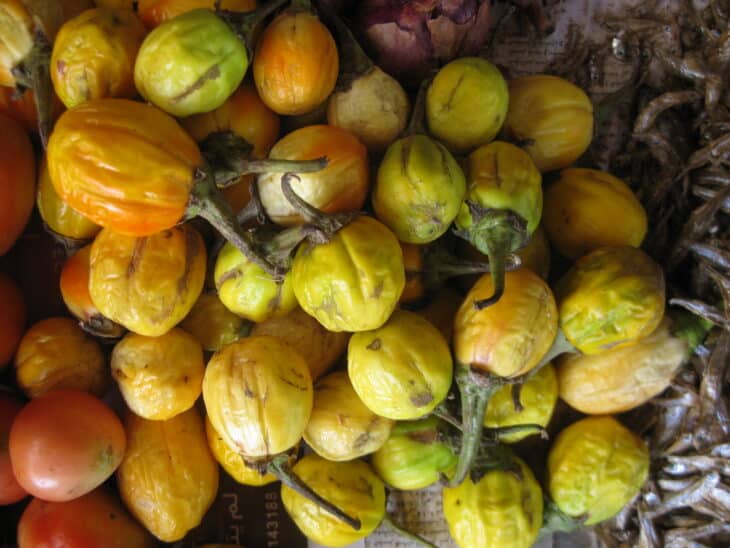
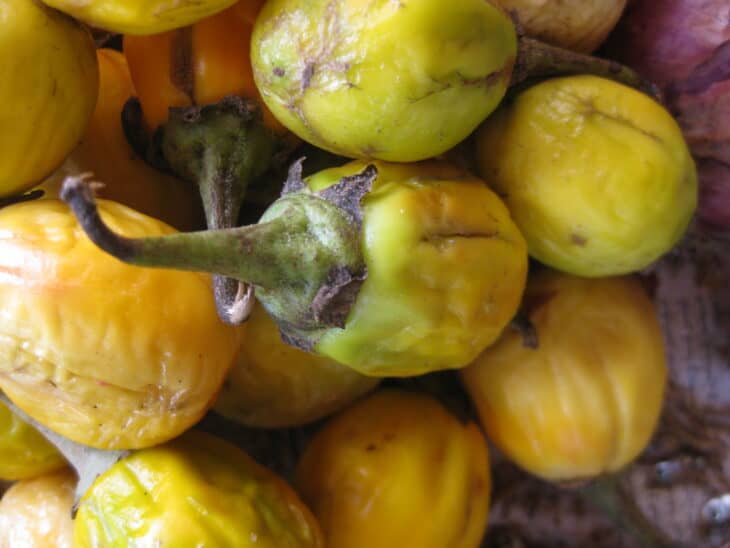
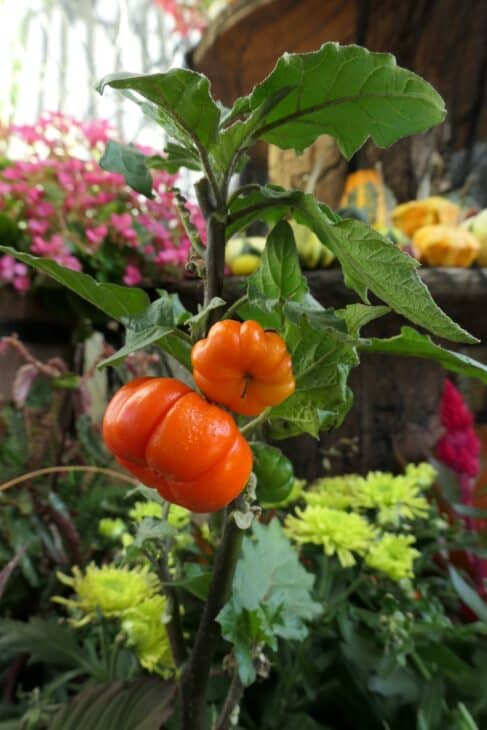
- Produces small round orange fruits that resemble tiny pumpkins on stems.
- Tender perennial in warm climates but usually grown as an annual where frosts occur.
- Flowers are small star shaped and attract pollinators.
- Propagated easily by seed.
- Prefers well drained fertile soil and full sun for best fruit set.
- Contains solanaceous alkaloids so non edible plant parts can cause digestive upset.
Pumpkin On A Stick is an ornamental form of Solanum aethiopicum that produces clusters of small round orange fruits resembling tiny pumpkins. It brings bright late summer color to beds and containers but is frost tender, so gardeners in cool climates grow it as an annual.
Identification
Plants have compact, branching stems that typically reach about 2 to 4 ft tall with a 1 to 3 ft spread depending on cultivar and pruning. Small star shaped flowers open before clusters of round orange fruits form on the stem. It belongs to the Solanaceae family and non edible parts contain solanaceous alkaloids.
Best uses and where to grow
Use Pumpkin On A Stick in summer borders, cottage beds and containers for cut or dried arrangements. It performs best in full sun and attracts pollinators with its flowers. In frost free areas it can act as a tender perennial, but in colder USDA zones growers treat it as an annual.
Planting and timing
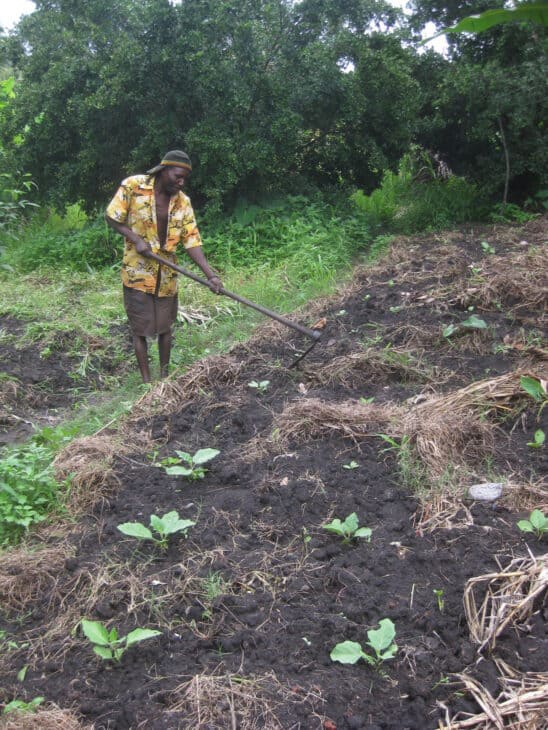
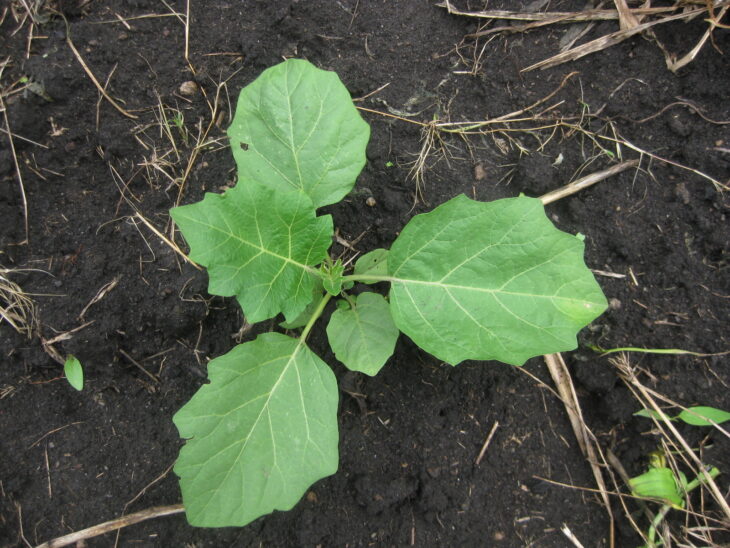
Start seed indoors in cool regions and transplant after the last frost, or direct sow once soil is warm. Space plants roughly to match their mature spread about 1 to 3 ft apart or 30 to 90 cm. Early starts give a longer season of flowering and fruit set.
Soil, watering and feeding
Choose fertile, well drained soil and avoid waterlogged sites. Regular moisture and moderate feeding support steady flowering and better fruit set, while drought or poor drainage reduces vigor and increases root problems. Mulch to conserve moisture and keep roots cool in hot weather.
After flowering and maintenance
Remove damaged or diseased growth and thin crowded stems to maintain airflow. Harvest ripe orange fruits for indoor display as they appear. Prune lightly to shape compact selections and remove frost damaged stems in spring in mild climates to encourage fresh growth.
Containers and propagation
Compact ornamental selections adapt well to containers and patio boxes. Propagate primarily by seed, starting indoors in cool climates and transplanting after frost. Softwood cuttings are sometimes used to clone a favored plant when true-to-type seed is needed.
Controlling spread and safety
Ornamental selections are typically compact and not aggressive in the garden, with a limited spread. All parts contain solanaceous alkaloids so avoid ingesting leaves or unripe fruit and keep plants away from pets and small children unless you have confirmed safety from local poison control.
Frequently asked questions
- How fast does Pumpkin On A Stick grow?
- Plants commonly reach their mature 2 to 4 ft height in a single growing season when started early indoors or sown into warm soils.
- Is Pumpkin On A Stick edible?
- Ornamental types are grown for decoration and may be bitter. Non edible parts contain solanaceous alkaloids so consumption is not recommended without cultivar specific guidance.
- Can it survive winter?
- It is frost tender and typically grown as an annual outside USDA zones 9 to 11 where it can persist as a tender perennial.
- How do I propagate it?
- Seed is the primary method. Start indoors and transplant after frost. Softwood cuttings are sometimes used for cloning specific plants.
- What problems should I watch for?
- Poor drainage leads to root problems and reduced fruiting. Also monitor for common garden pests and diseases that affect solanaceous plants and adjust care accordingly.
Gallery
Related Plants


Mentioned In (1)
Plants
7 Plants That Look Like Pumpkin
Pumpkins have long been a staple food for many delicious culinary creations across many cultures. Pumpkins is another vernacular term…