
Key Facts
- Ancient gymnosperm sometimes called a living fossil.
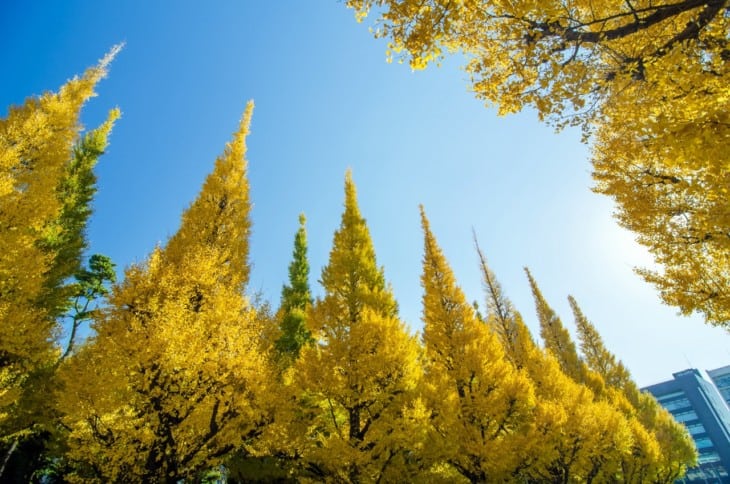
- Deciduous tree with fan shaped leaves that turn bright yellow in fall.
- Dioecious species with separate male and female trees.
- Very tolerant of urban conditions including pollution and compacted soils.
- Long lived often persisting for many centuries.
- Female trees produce fleshy seed coats that can be malodorous and messy.
- Commonly propagated by seed for seedlings and by grafting or cuttings for named cultivars.
Ginkgo biloba, the Maidenhair Tree, is an ancient deciduous street and specimen tree valued for fan shaped leaves and striking yellow fall color, while female trees can produce foul smelling seeds. It tolerates urban stress and long lifespans make it a planting for decades rather than seasons.
Identification
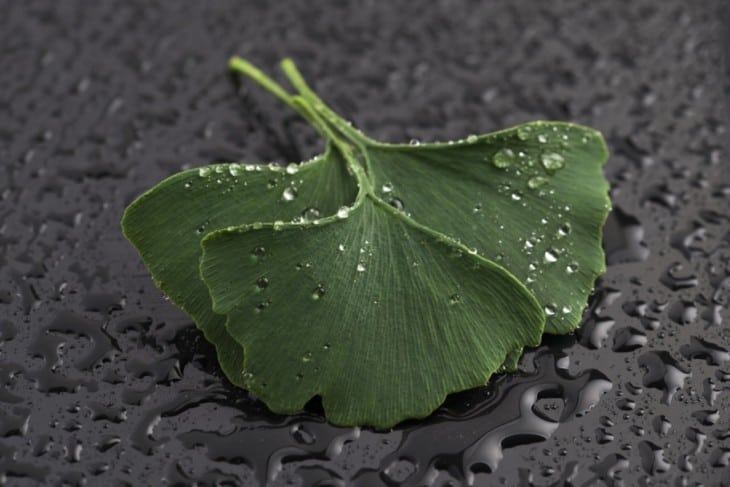
Recognize ginkgo by its unique fan shaped leaves with parallel venation and a broadly pyramidal to rounded crown on mature trees. Flowers are small and inconspicuous in spring and only appear on sexually mature trees. Female trees produce fleshy seeds with an odorous coating that distinguishes them from male trees.
Best uses and where to grow
Use as a focal street tree, park specimen or long lived ornamental where a large shade tree is desired. It performs especially well in urban locations because it tolerates pollution and compacted soils. Avoid planting where messy, malodorous seeds would be a nuisance near entrances or patios.
Hardiness and mature size
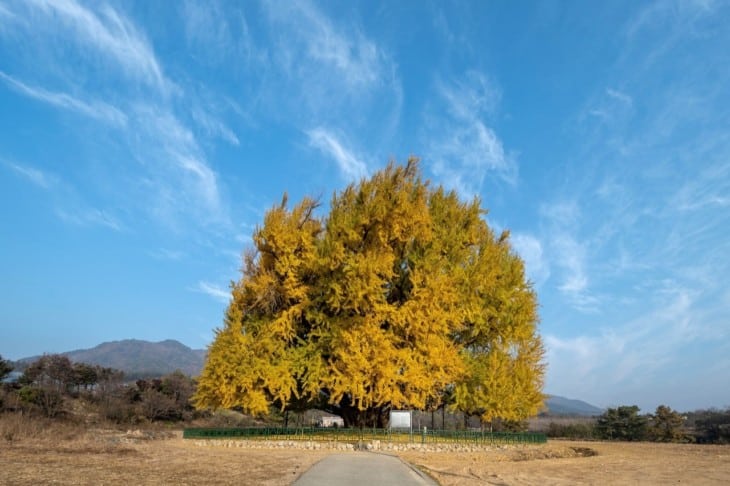
Hardy roughly in USDA zones 3 through 9 depending on cultivar. Open grown species trees typically reach 50 to 80 feet tall with a 30 to 40 foot crown spread, though urban specimens and named cultivars may be smaller. Lifespan often extends to many centuries under good conditions.
Planting and spacing
Space trees according to their mature crown spread, generally 30 to 40 feet apart for full development and to avoid crowding. Plant so the root flare sits at grade and avoid sites that remain waterlogged because poor drainage can cause root decline. Choose a location that allows the tree to mature without frequent severe pruning.
Soil and light
Prefers deep well drained soil but tolerates clay, compacted urban soils and a wide pH range. Full sun produces the best autumn color; light shade is tolerated but heavy shade leads to lanky growth and weaker fall color. Avoid prolonged wet soils to protect roots.
Watering and routine care
Young trees need consistent moisture while establishing to encourage deep root development; once established ginkgo tolerates dry urban conditions. Overly wet or poorly drained sites lead to root decline and poor vigor. Prune sparingly to remove dead wood and maintain structure during the tree’s juvenile years.
Managing fruit and toxicity
Female trees produce fleshy seed coats that can be malodorous and messy when they fall. The seed coating can irritate skin and ingestion of large quantities may cause gastrointestinal upset in people or pets; confirm acute risks with poison control resources. Consider male cultivars for plantings near walkways and patios.
Propagation
Seed is commonly used for seedlings but offspring will not reliably match named cultivars and sex cannot be determined until maturity. Commercial and landscape selections are preserved by grafting, cuttings, air layering or stooling to maintain desired traits and to ensure male trees for low-odor plantings.
Frequently asked questions
- How fast does Maidenhair Tree grow?
- Growth rate varies by site and cultivar. Ginkgo is typically moderate to slow growing overall and reaches about 50 to 80 feet at maturity for open grown species trees.
- When does the Maidenhair Tree bloom?
- Small, inconspicuous flowers usually appear in spring with northern hemisphere bloom often in April to May, though timing varies with local climate.
- Are ginkgo seeds toxic?
- The fleshy seed coats from female trees are malodorous and can irritate skin; eating many seeds can cause gastrointestinal upset. Verify specific pet and human toxicity with poison control authorities.
- What soil conditions cause problems?
- Poor drainage and prolonged waterlogged soils cause root decline. Otherwise ginkgo tolerates a broad range of soils including clay and compacted urban sites when drainage is adequate.
- Should I plant male or female trees?
- Plant male cultivars near walkways, entrances and seating areas to avoid the foul smelling seeds produced by females. Female trees are fine in locations where fallen seeds are not a nuisance.
Gallery





Related Plants


Mentioned In (9)

Trees
8 Salt Resistant Trees
High salt levels in the soil can prevent your tree from absorbing enough water, burn its leaves, and in worst…

Trees
8 Highly Disease Resistant Trees
Disease-resistant trees make gardening and garden care way simpler by eliminating the added stress of disease control. You can put…
Trees
37 Most Common Trees in Texas
Texas is located in the Southernmost region of the United States and is bordered by New Mexico and other Mexican…
Trees
36 Most Common Trees in Missouri
Missouri is located in the Midwestern region of the United States. The gorgeous State is bordered by eight states, including…

Trees
31 Most Common Trees in Japan
In the land of the rising sun, trees are a major part of Japan's culture and history. Trees in Japan…

Trees
33 Most Common Trees in Los Angeles
Los Angeles may be a sprawling metropolis, but it's not without its natural beauty. In fact, the city is home…
Trees
30 Most common Trees in Georgia
The North American state of Georgia lies in the southeastern region of the United States of America. As a whole,…
Trees
30 Most Common Trees in Kansas
Kansas is home to a wide range of trees, from the tall and hardy oak tree that can grow up…
Trees
16 Most Common Trees in New York State
Lying in the Mid-Atlantic and Northeastern region of the United States, the state of New York has a very diverse…