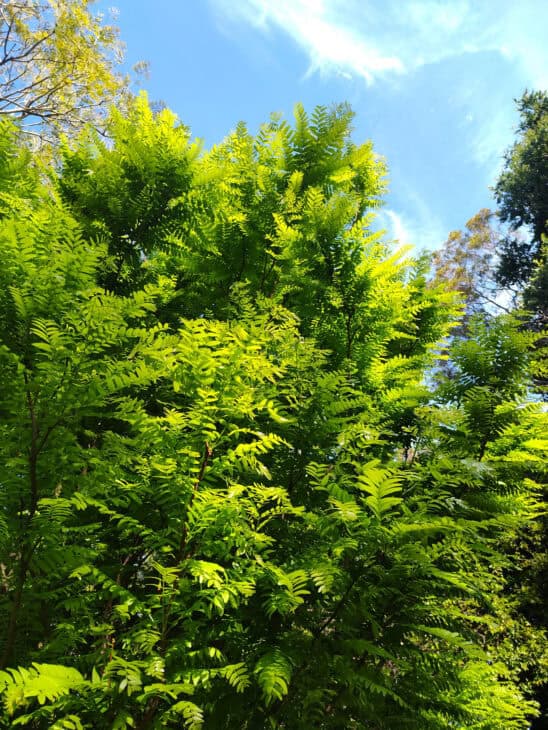
Key Facts
- A thornless form of the native North American honey locust.
- Often used as a street and shade tree because of its open, airy canopy.
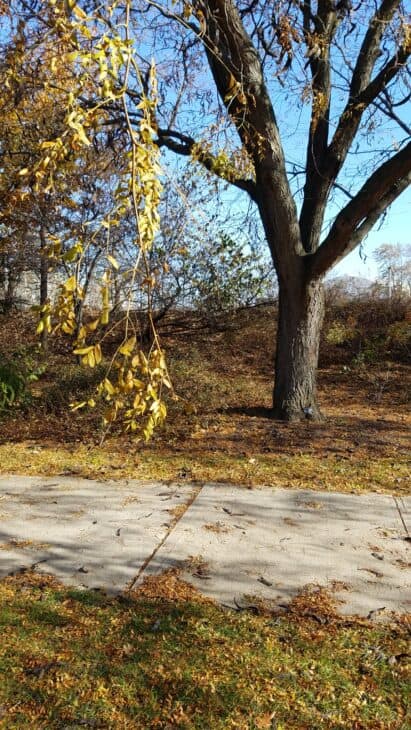
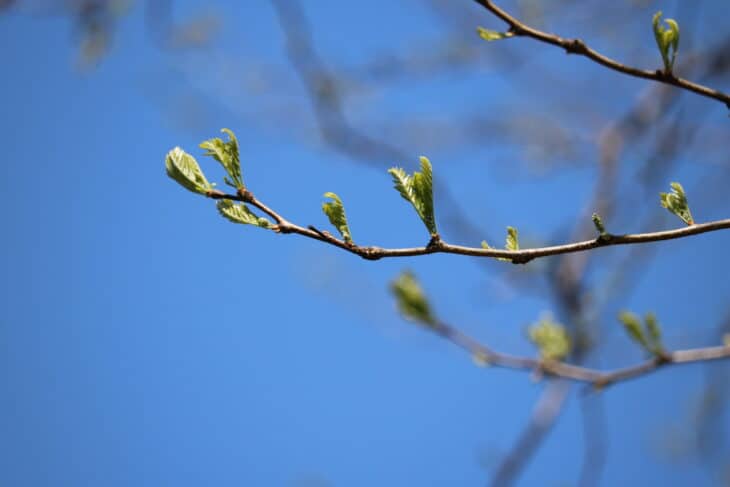
- Leaves are pinnate or bipinnate and turn yellow in fall.
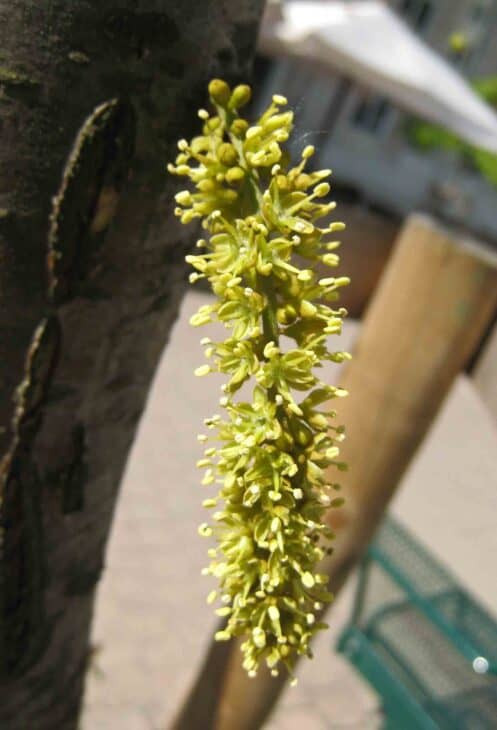
- Produces pea-like creamy to pale yellow flowers in late spring.
- Develops persistent flat pods that ripen by late summer or fall.
- Tolerant of drought and a wide range of urban soil conditions.
- Can reproduce by seed and some cultivars produce root suckers.
The Thornless Honey Locust is a thornless form of the native honey locust often planted as a street or shade tree. It combines an open, airy canopy and yellow fall color with tolerance for drought and a wide range of urban soils, though it dislikes poorly drained sites.
Identification
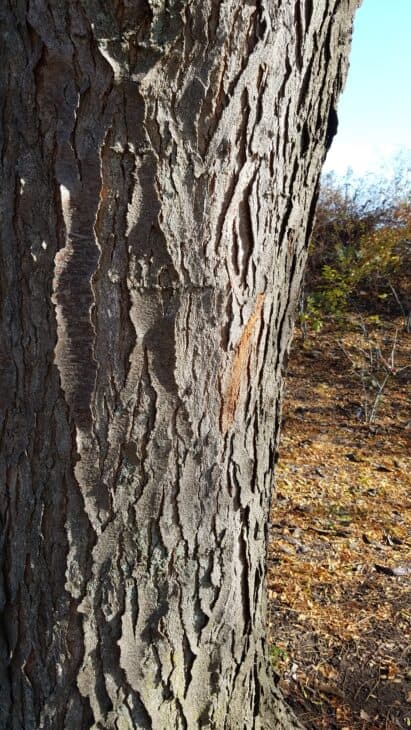
Leaves are pinnate or bipinnate and turn yellow in autumn, giving the canopy a light, filtered shade. Late spring flowers are creamy to pale yellow and somewhat inconspicuous, followed by flat pods that ripen by late summer and often persist into fall. Mature trees commonly reach about 30 to 70 feet tall with a similar 30 to 50 foot spread.
Where to grow and best uses
Use Thornless Honey Locust as a street tree, park specimen or large-yard shade tree where an open canopy and filtered light are wanted. It performs best in full sun and tolerates partial shade, and it accepts clay and compacted urban soils provided drainage is adequate. It is winter hardy in USDA zones 4 to 8.
Planting and spacing
Space trees based on their mature spread, generally 30 to 50 feet apart for single-trunk specimens. Planting season varies by region; cooler seasons reduce transplant stress. Choose a site with good drainage because standing water can lead to root decline even though the species tolerates a wide range of soil types.
Watering and soil
Thornless Honey Locust prefers well drained soils but tolerates clay, loam and compacted urban conditions and a range of pH levels. Established trees are drought tolerant, but younger trees benefit from regular watering until established to avoid prolonged stress. Avoid waterlogged or poorly drained sites to prevent root problems.
Maintenance and after-flowering care
Persistent seed pods can be left for wildlife habitat or removed for tidiness; pruning in the dormant season maintains structure and reduces limb failures. Named thornless cultivars are commonly grafted to ensure thornless traits, while seedlings from seed may not be thornless. Remove root suckers at their source if suckering becomes a nuisance.
Limitations and considerations
Some cultivars produce root suckers and the species reproduces by seed so it can naturalize in some settings. Confirm cultivar behavior for suckering and mature size before planting. Differentiate honey locust from black locust because black locust is a distinct species that is toxic; honey locust is not generally listed as toxic to people or pets.
Frequently asked questions
- How fast does Thornless Honey Locust grow?
- It is typically a fast-growing shade tree that commonly reaches 30 to 70 feet at maturity, though actual rate varies by cultivar, site fertility and climate.
- Are the seed pods messy?
- Seed pods often persist into fall and can litter lawns and sidewalks; they provide wildlife value but may require cleanup in formal landscapes.
- Is Thornless Honey Locust safe for pets and children?
- Honey locust is generally not listed as toxic to people or pets, but verify specific cultivar information and consult local poison control if ingestion occurs. Do not confuse it with toxic black locust.
- Does this species sucker or spread aggressively?
- Some cultivars produce root suckers and the species can reproduce by seed. Control suckers by removing shoots at the root and remove volunteer seedlings to prevent unwanted spread.
- Is it suitable for containers?
- No. Mature Thornless Honey Locust trees reach large sizes and are not suitable for long-term container culture.
Gallery