
Key Facts
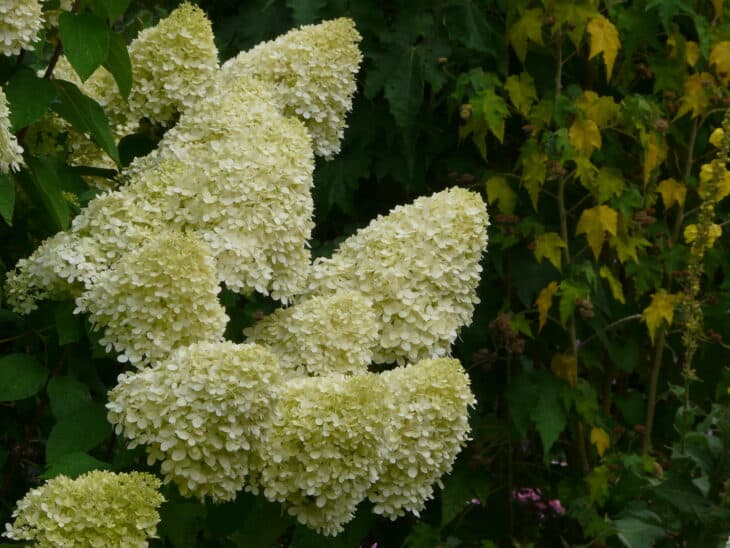
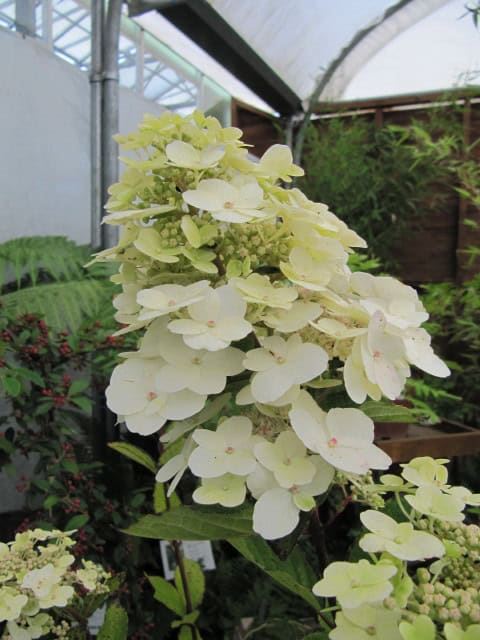
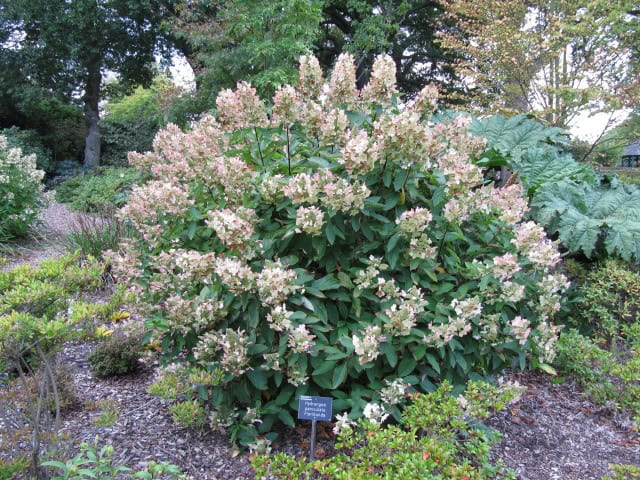
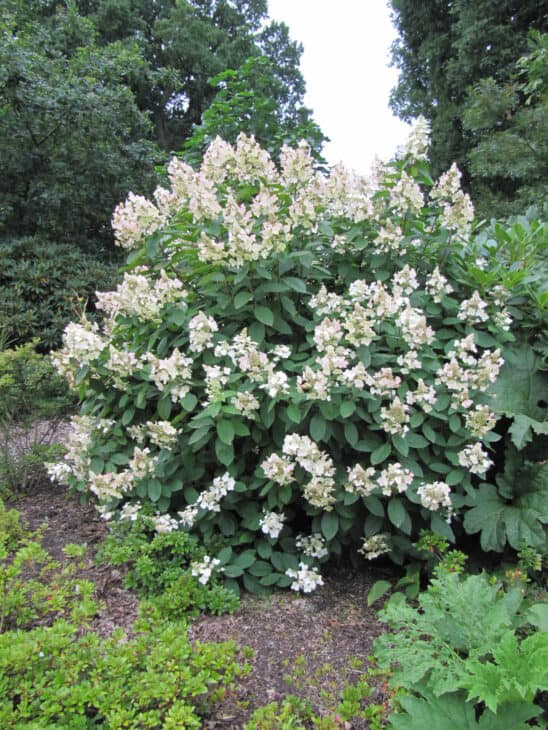
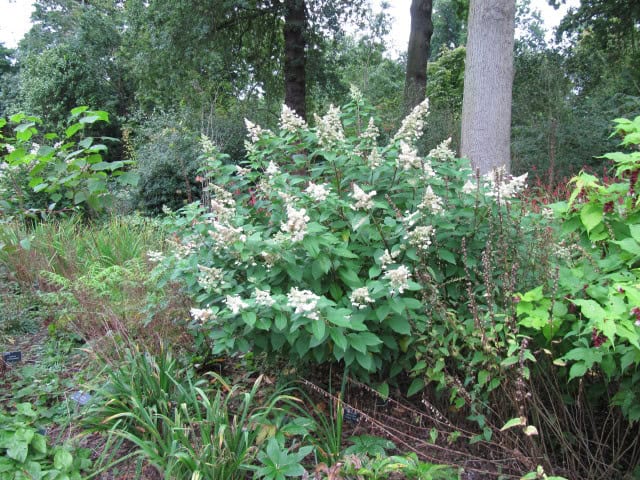
- Deciduous shrub with showy cone shaped flower panicles.
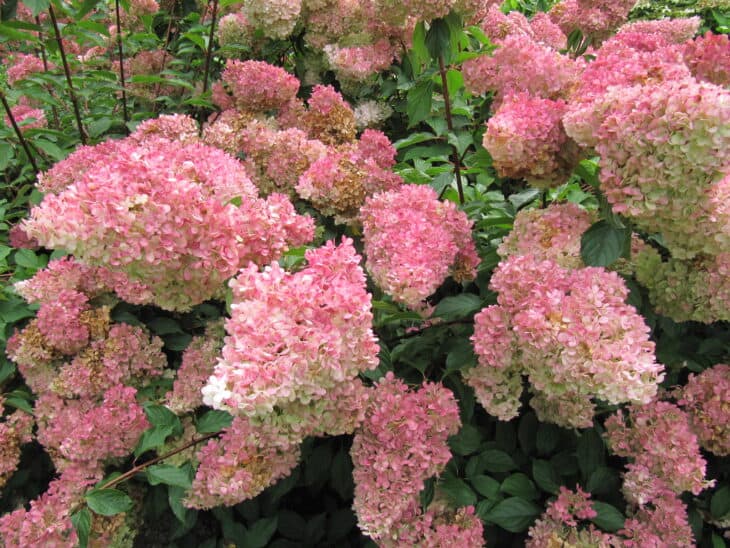
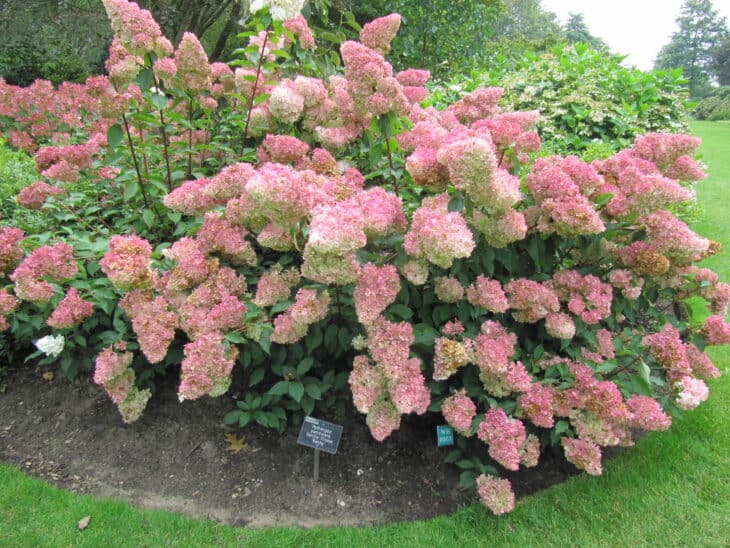
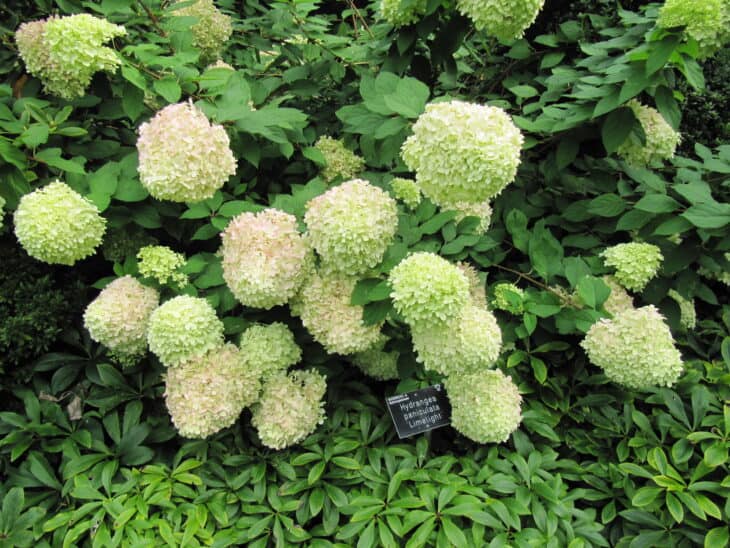
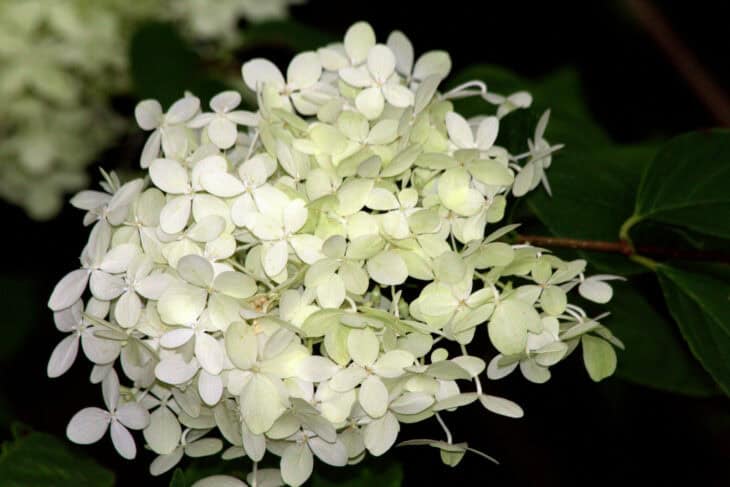
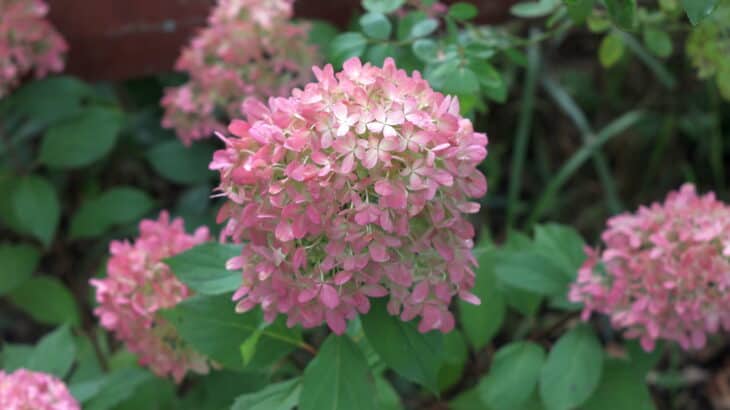
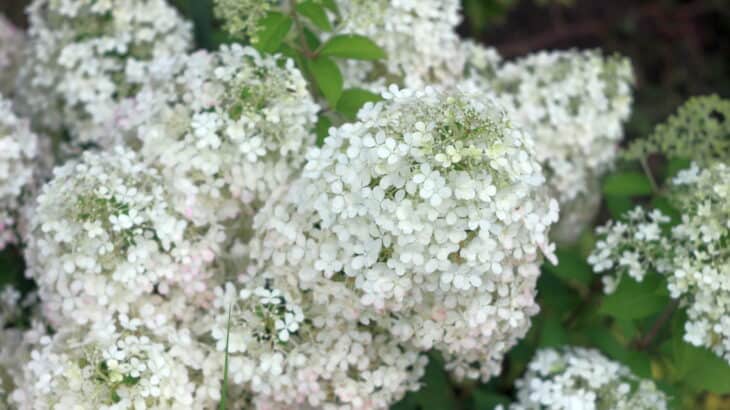
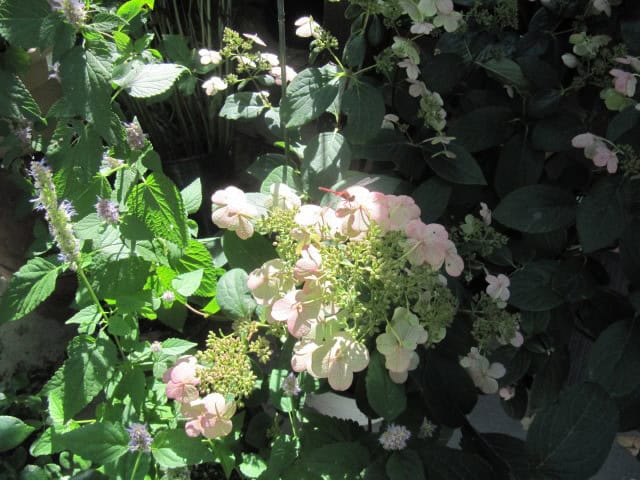
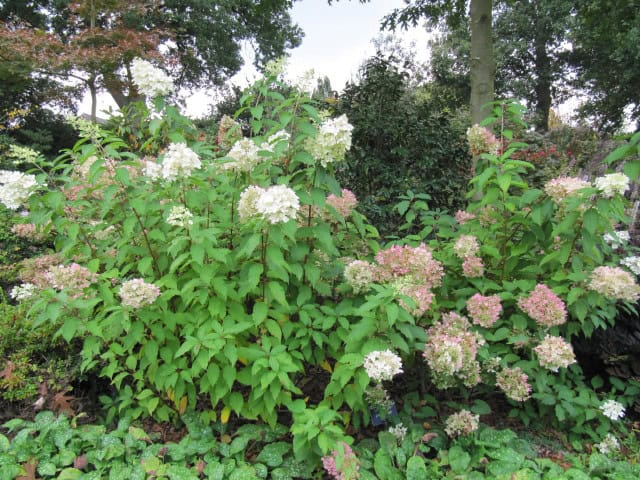
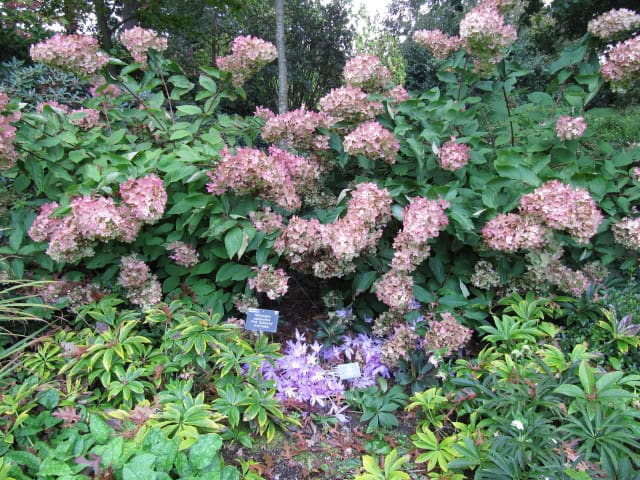
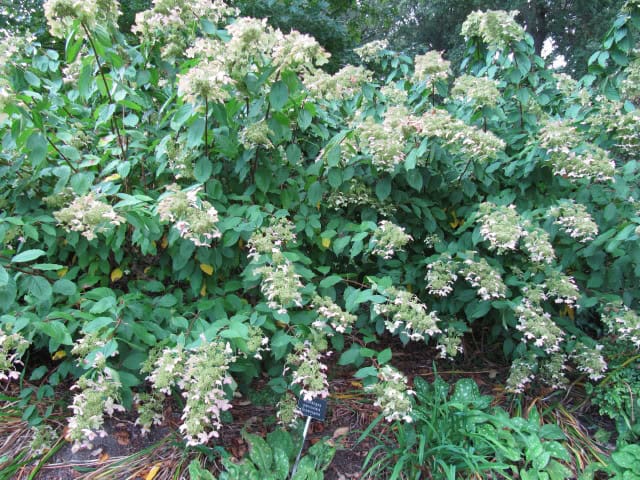
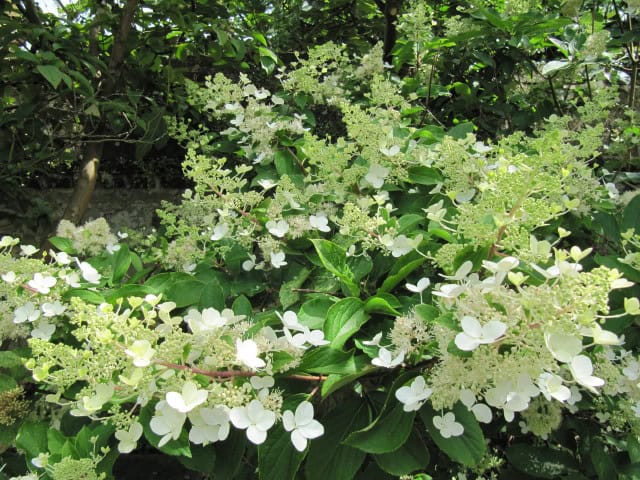
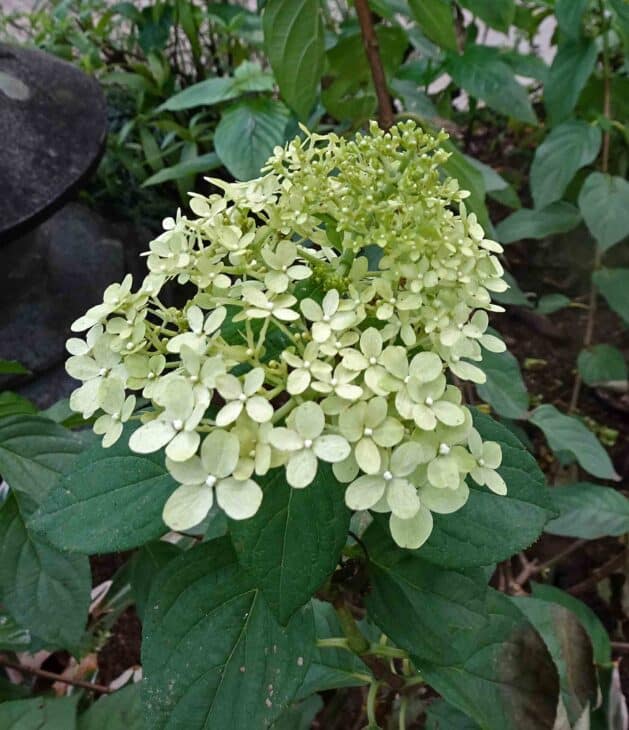
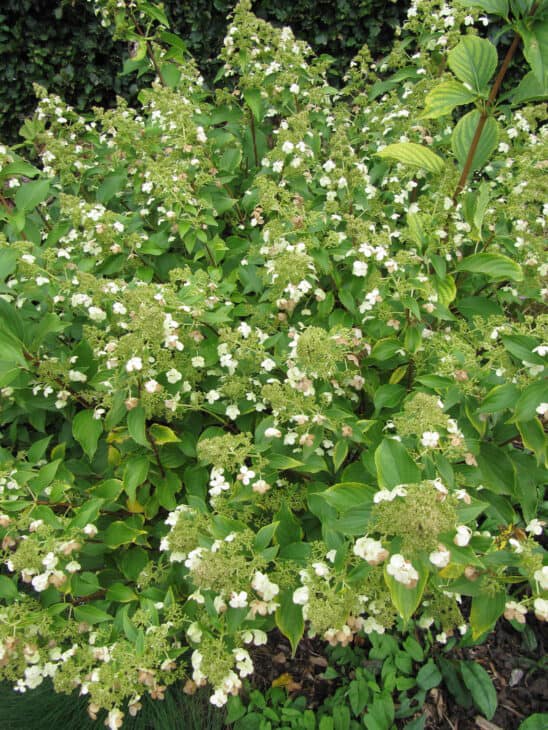
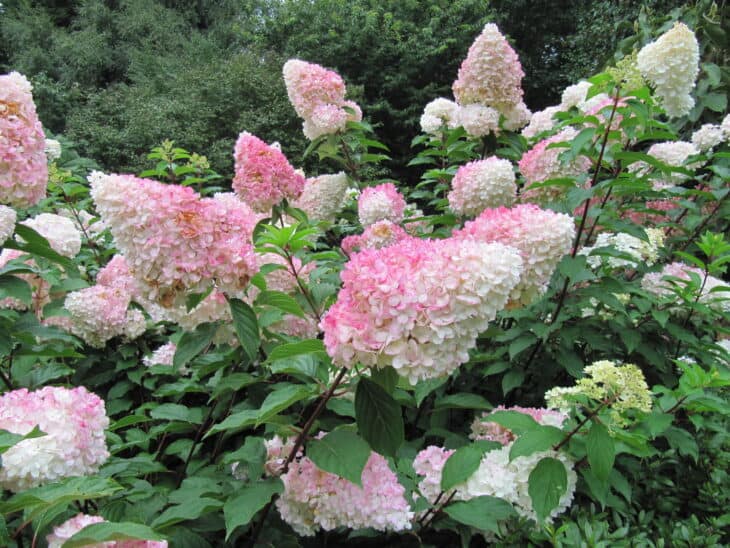
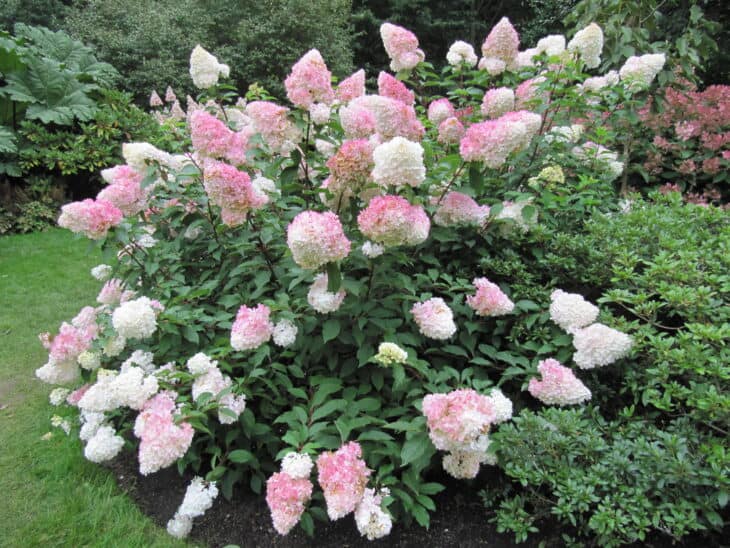
- Flowers usually white and age to pink or red with time.
- Blooms on new wood so plants tolerate hard pruning.
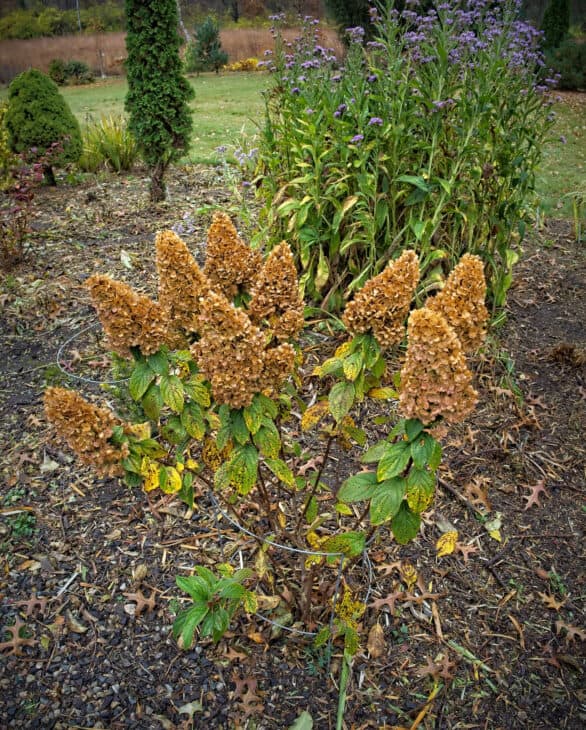
- Valued for mid summer into fall color in the landscape.
- Tolerates a range of soils including heavier clay if drained.
- Performs best with regular moisture and adequate sun.
- Cold hardy compared with many other hydrangea species.
- Propagated by cuttings and layering. Cultivars may not come true from seed.
Panicle Hydrangea is a cold hardy deciduous shrub prized for large cone shaped flower panicles that appear from mid summer into fall. It blooms on new wood which makes it forgiving of hard pruning and it adapts to a range of soils when kept consistently moist and given adequate sun.
Identification
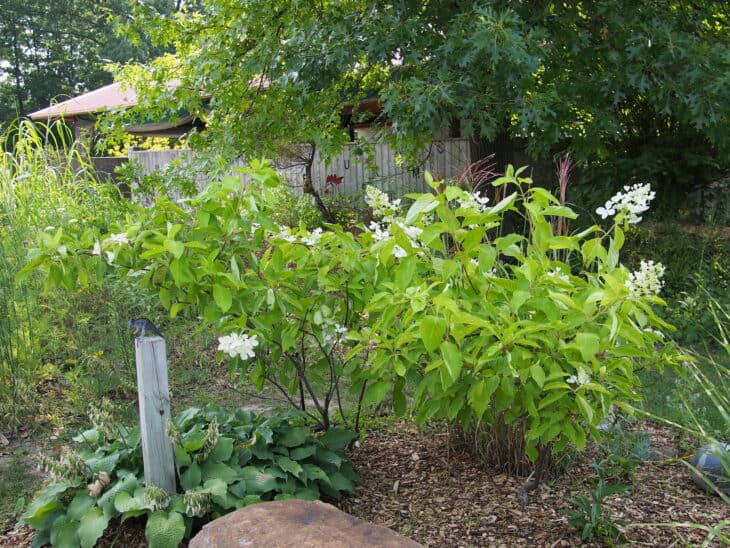
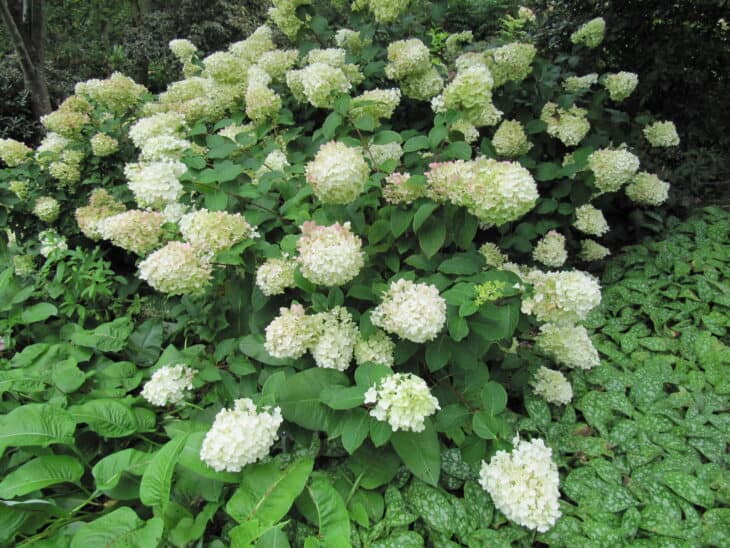
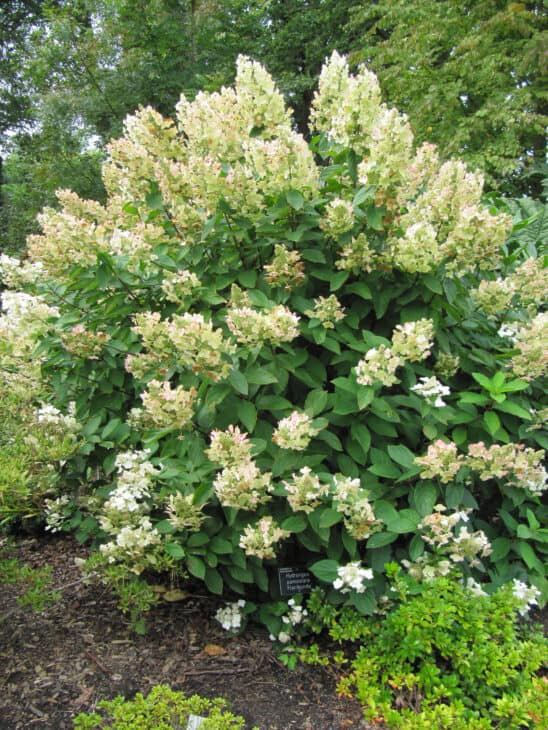
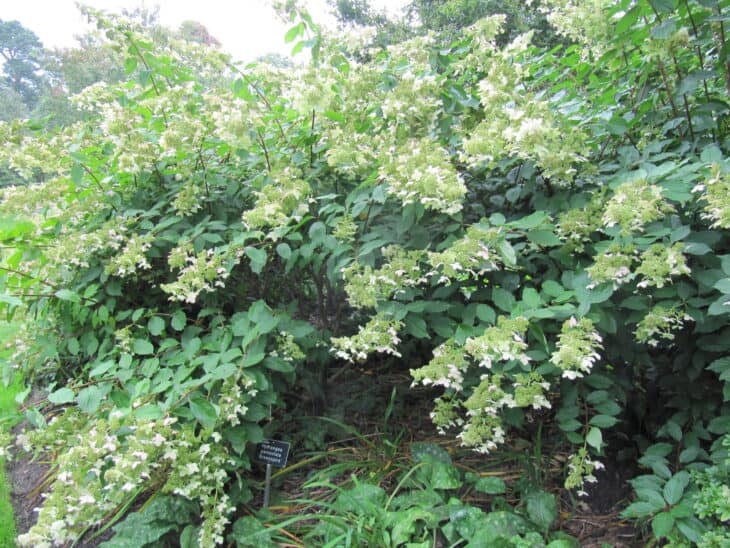
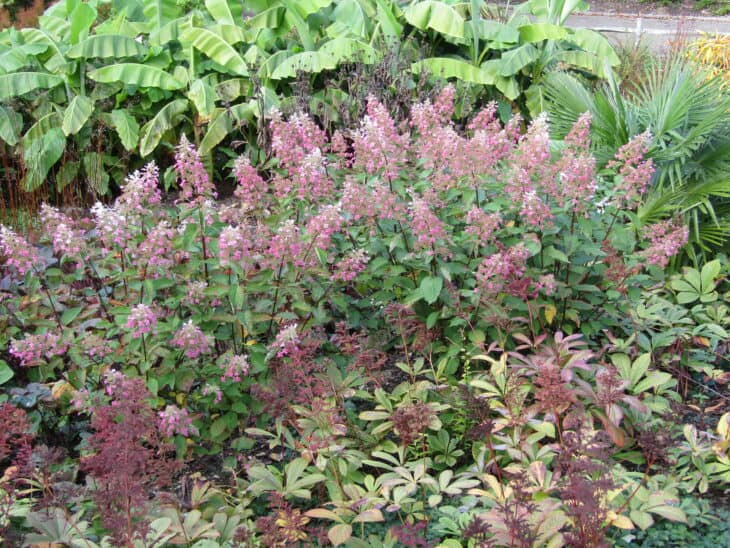
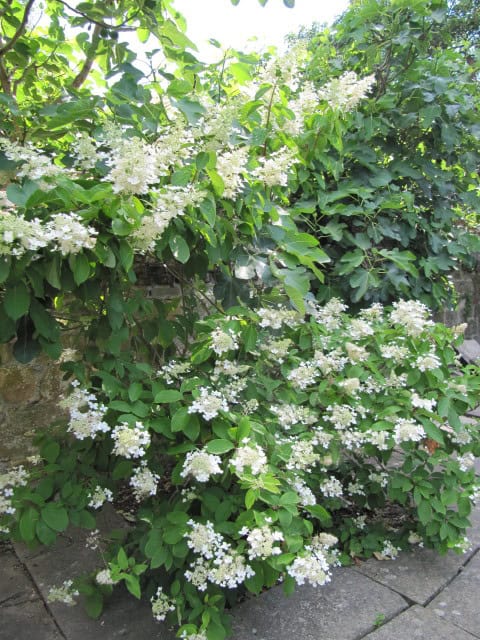
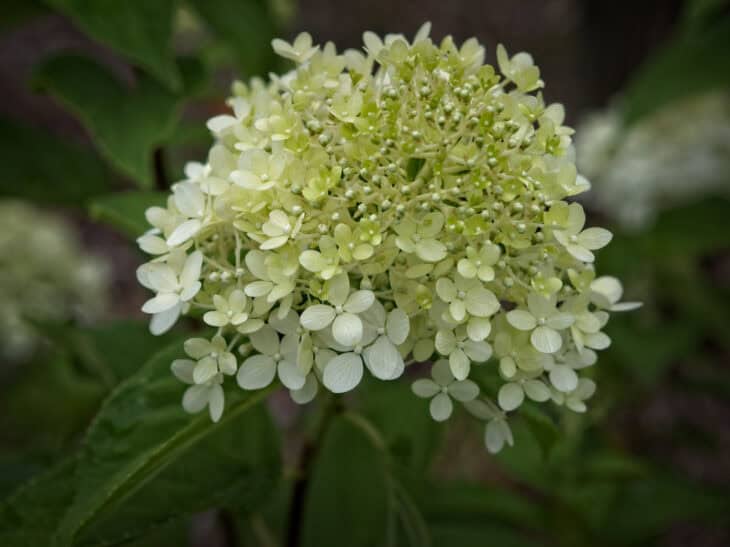
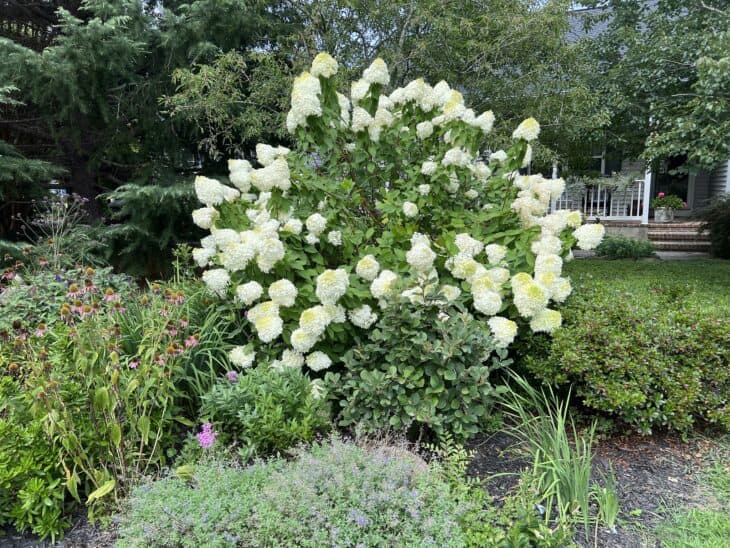
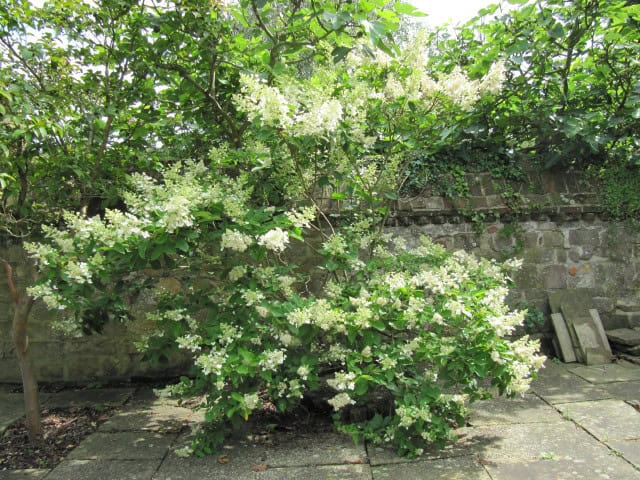
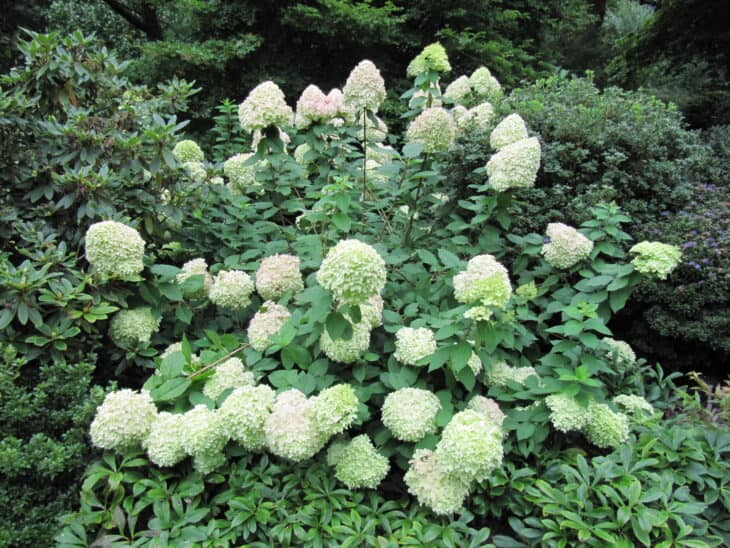
Panicle Hydrangea has showy cone shaped flower panicles that are usually white and often age to pink or red as they mature. Plants are deciduous and vary widely in size with many cultivars about 6 to 8 feet tall and some reaching as much as 15 feet. Typical bloom time in the northern hemisphere runs from July through October.
Where to grow and best uses
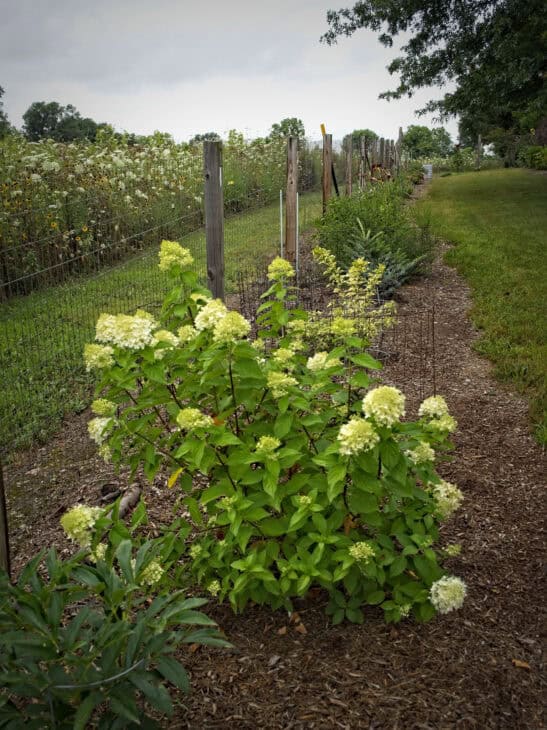
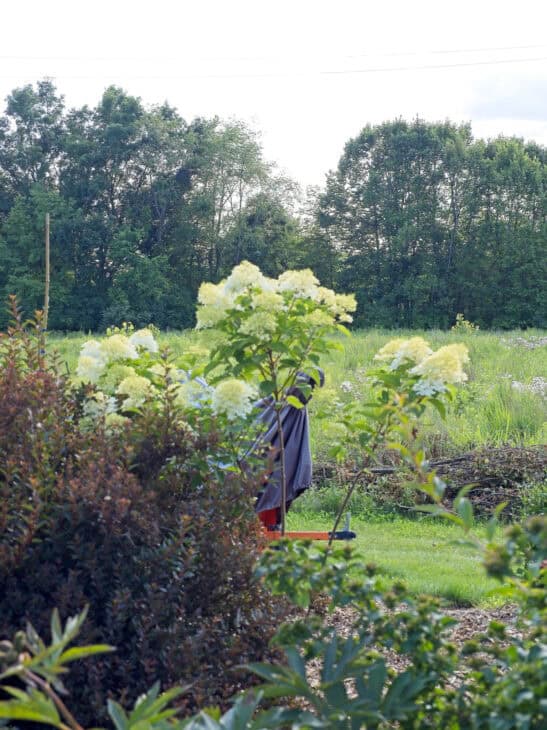
Use panicle hydrangeas as a specimen shrub for midsummer and fall color or planted in groups for a flowering hedge or background. They perform best with regular moisture and adequate sun and tolerate heavier clay when soils drain. Flowering is best with at least four to six hours of sun and some afternoon shade in hot climates improves performance.
Planting and spacing
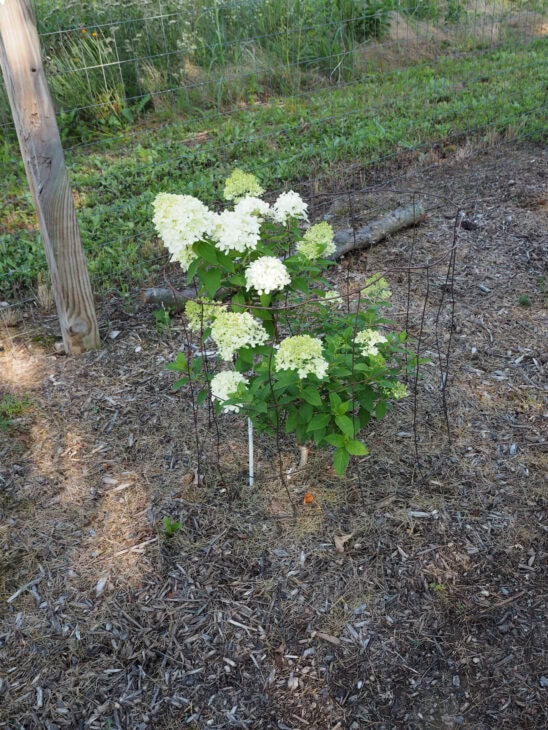
Set plants at the same depth they grew in the nursery container to avoid burying the crown. Space plants to match the expected mature spread for the chosen cultivar since sizes vary with selection and pruning. Allow roughly six to twelve feet between mature plants for larger types and consult the cultivar tag for exact spacing recommendations.
Water and soil
Panicle hydrangeas prefer moist fertile well drained soil and will tolerate a range of pH values and heavier clay when drainage is adequate. Maintain regular moisture to support continuous flowering and avoid waterlogged conditions which can lead to root decline. Adjust irrigation during dry spells to prevent stress and browning of flower panicles.
Pruning and after flowering care
Because these hydrangeas bloom on new wood they tolerate hard pruning and respond well to rejuvenation cuts. Prune to control height and shape and remove crowded stems to improve air movement. Cutting back will stimulate new shoots that carry the season’s flowers so hard pruning is a useful tool for size control and renewed bloom density.
Propagation
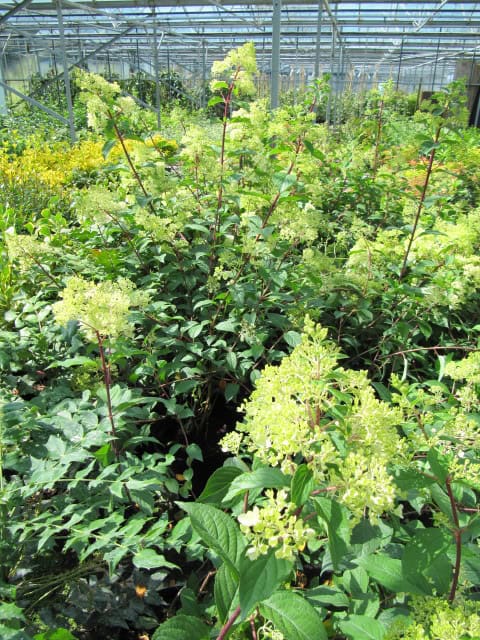
Propagate panicle hydrangeas by softwood cuttings in summer, hardwood cuttings in late winter, or by stem layering. Seed propagation produces variable offspring so named cultivars are best reproduced vegetatively. Nursery propagated plants provide the most predictable sizes and flower types for the landscape.
Toxicity and pets
Hydrangea species contain cyanogenic glycosides that can cause vomiting and lethargy if ingested and they are listed as toxic to dogs and cats. Keep curious pets and children away from leaves and flowers and contact local poison control or a veterinarian for guidance if ingestion occurs.
Frequently asked questions
- How fast does Panicle Hydrangeas grow?
- Growth rate varies by cultivar and site conditions but many varieties are moderate to fast growers and commonly reach six to eight feet. Rate depends on sun water and soil fertility.
- Are panicle hydrangeas cold hardy?
- They are commonly cited as hardy in USDA zones 3 to 8 with some commercial sources extending to zone 9. Cold hardiness can vary by cultivar so choose types rated for your zone.
- Do the flowers change color?
- Flowers are usually white at opening and often age to pink or red later in the season which adds extended interest through fall.
- Can these shrubs be pruned hard?
- Yes. They bloom on new wood and tolerate hard pruning which is an effective way to control size and renew flowering.
- How should I propagate panicle hydrangeas?
- Use softwood cuttings in summer or hardwood cuttings in late winter and try layering for reliable results. Seed raised plants may not match named cultivars.
Gallery
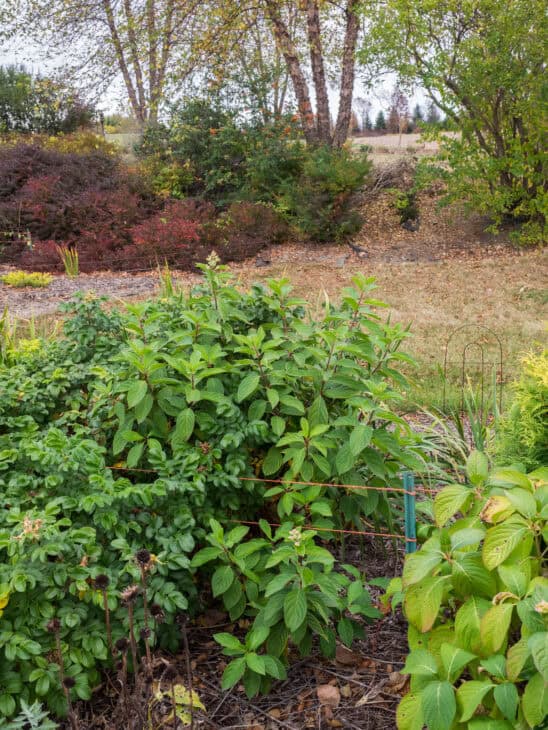
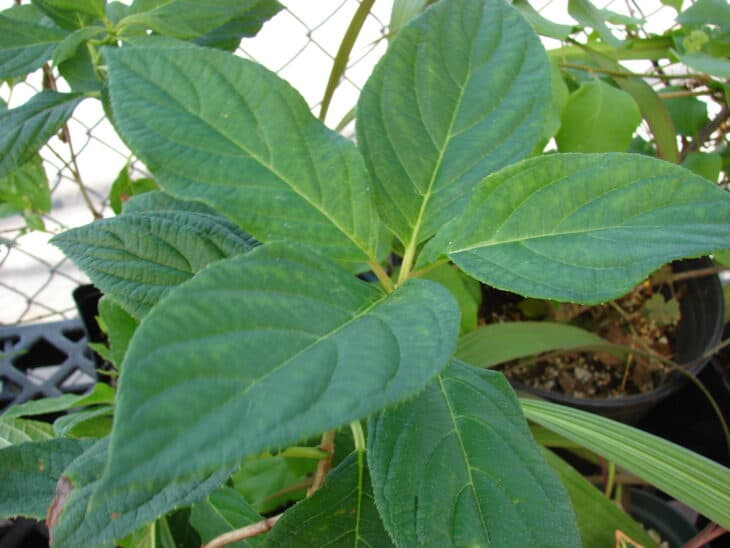
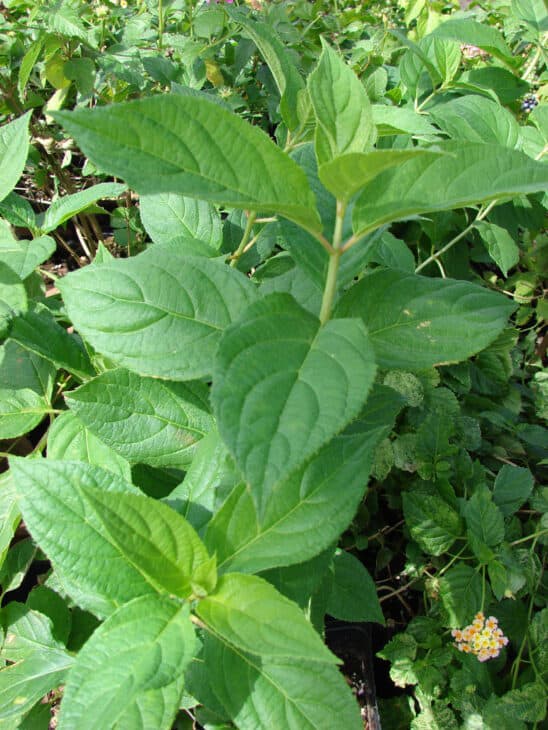
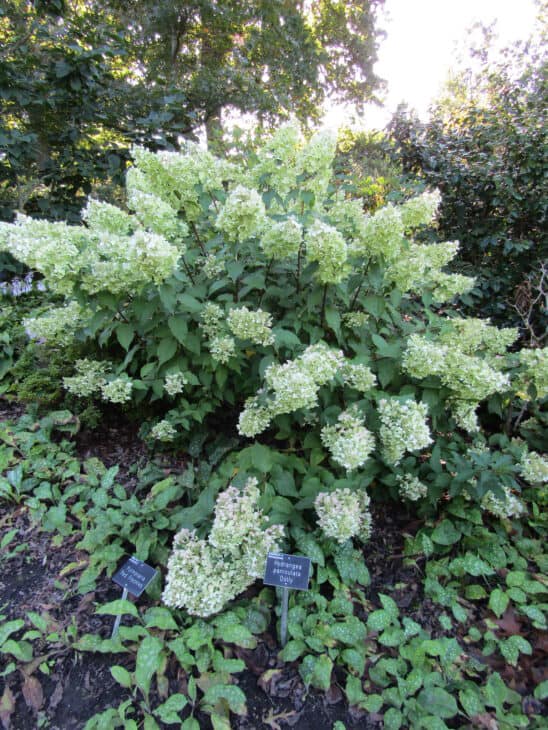
Related Plants


Mentioned In (3)

Plants
9 Plants That Look Like Butterfly Bush
The butterfly bush (Buddleja davidii) may be a beautiful plant, but it is also an invasive species in North America.…

Trees
27 Best Flowering trees For California by Color
Are you looking forward to planting breathtaking flowering trees in your Cali garden? You will be ecstatic to know that…

Trees
34 White Flowering Trees in Spring
Are you searching for white flowering trees to plant in your garden? Well, you’re in luck! There is a wide…