
Key Facts
- A low growing perennial groundcover in temperate gardens.
- Most garden strawberries are Fragaria × ananassa.
- Reproduces readily by runners called stolons.
- Flowering and fruiting pattern depends on cultivar type.
- Prefers full sun for best fruit production.
- Likes well drained fertile soil and slightly acidic pH.
- Susceptible to fungal diseases such as gray mold and leaf spot.
Strawberry (Fragaria × ananassa) is a low growing perennial grown for sweet red fruit and as a living groundcover. It spreads by runners and produces the best yields in sunny, well drained soil while wet conditions increase fungal disease risk.
Identification and description
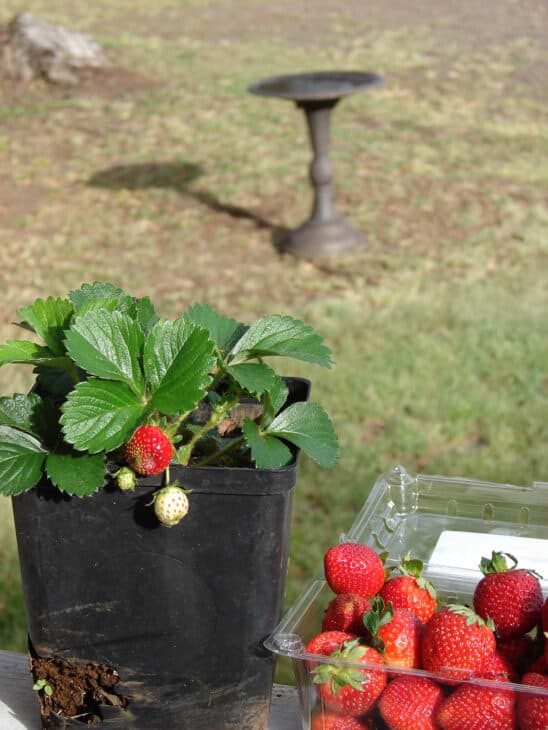
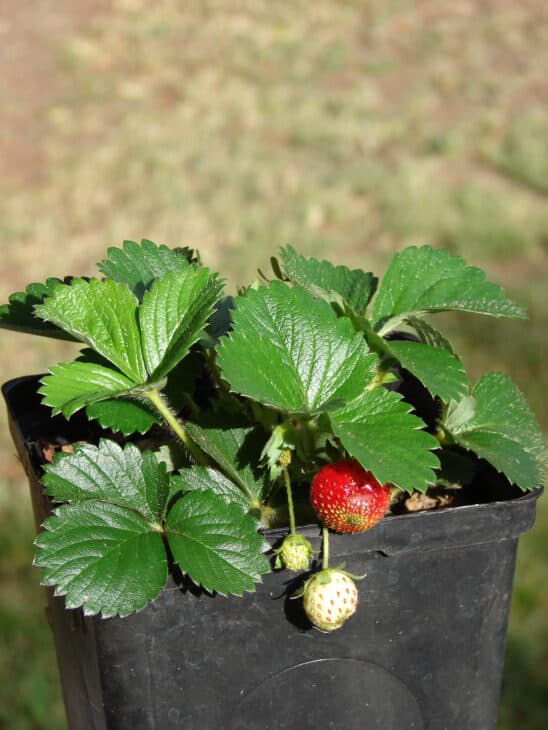
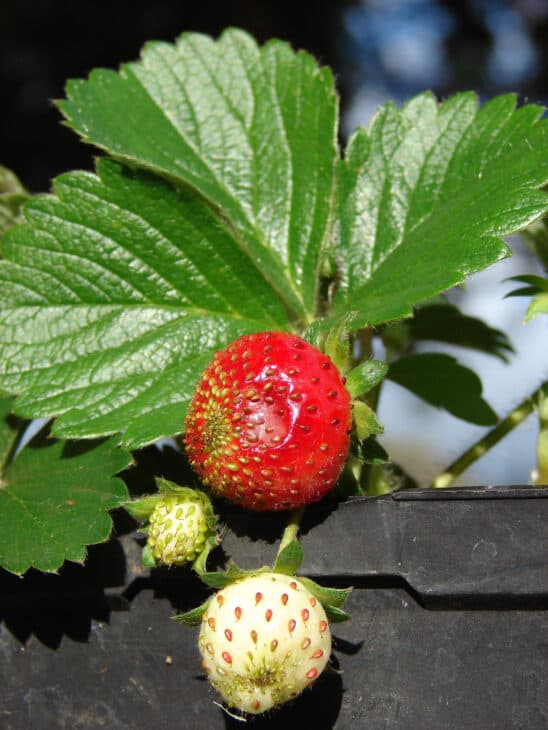
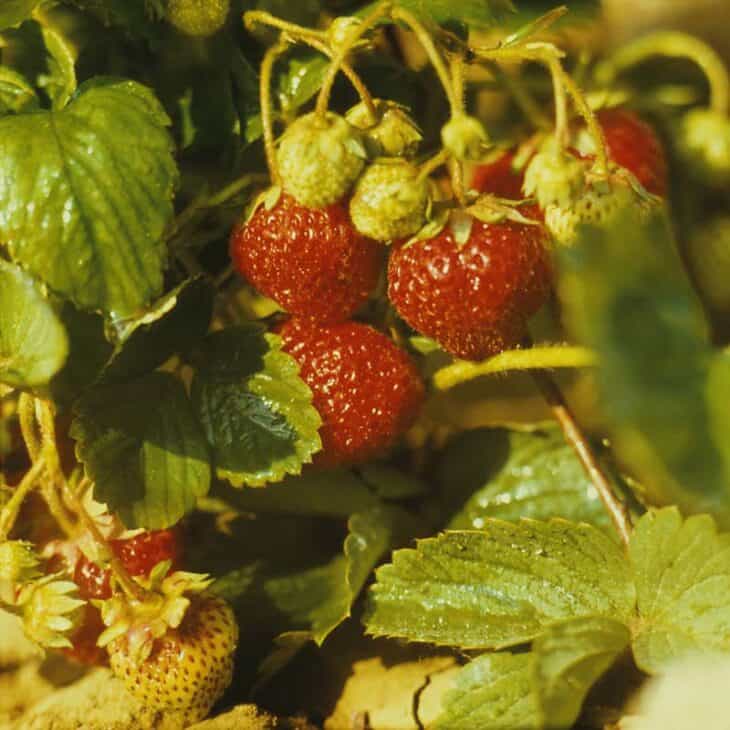
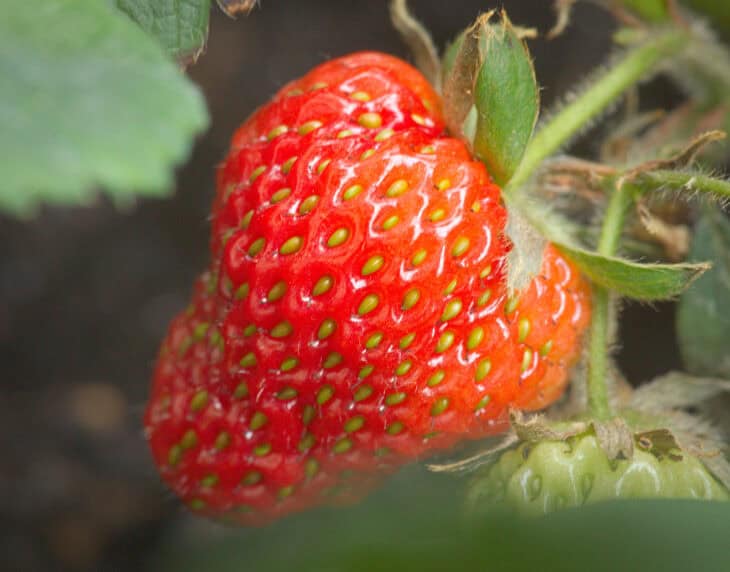
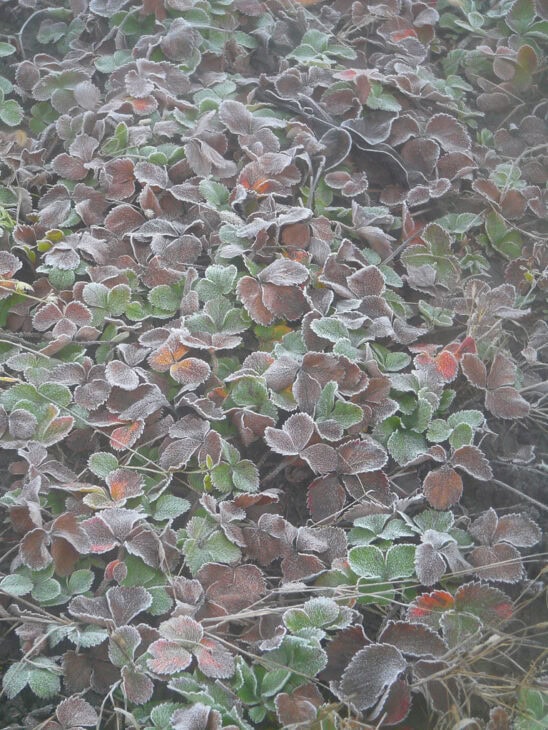
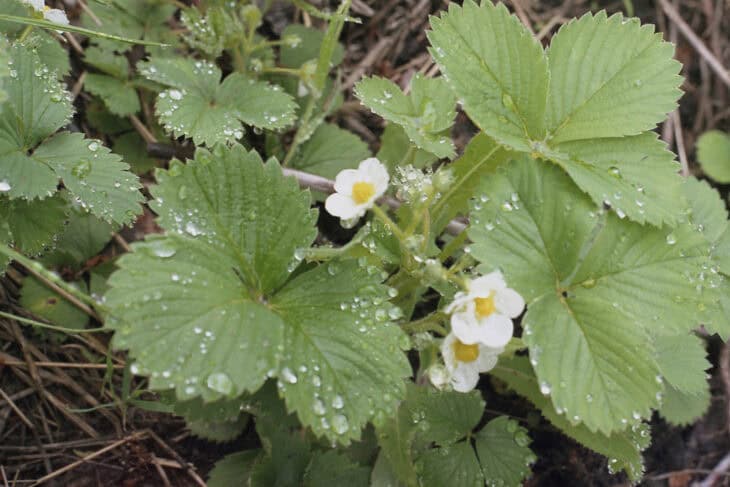
Plants form a low mat of glossy trifoliate leaves and send up short flowering stalks with white flowers followed by red edible fruit. Typical foliage height is about 4 to 8 inches and a planting will commonly cover 12 to 24 inches when runners are allowed to root. Flowering and harvest timing depends on cultivar class.
Best uses and where to grow
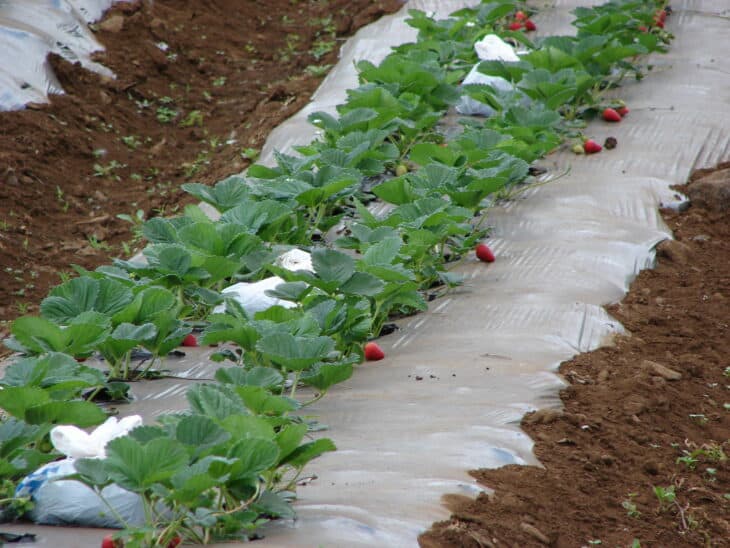
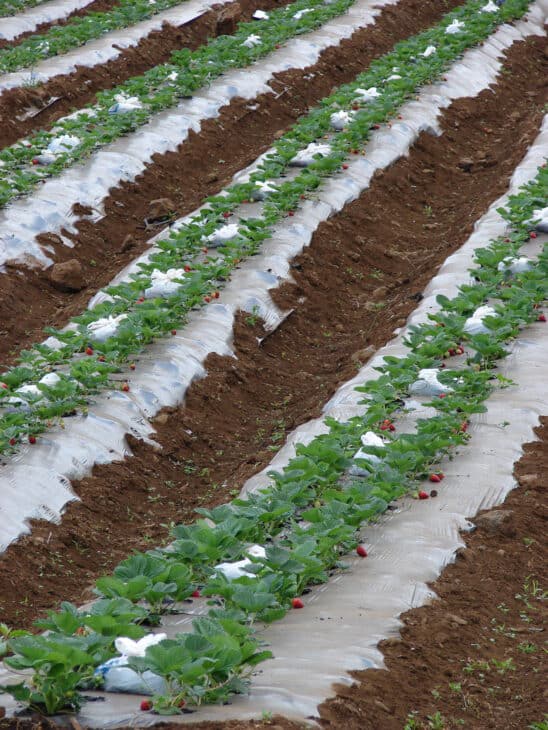
Grow strawberries as an edible groundcover in small fruit beds and front borders where full sun is available. They prefer full sun for best fruit set and a slightly acidic fertile soil to maximize flavor. In warmer, wetter sites expect higher disease pressure from fungal pathogens such as gray mold and leaf spot.
Planting time and spacing
Planting season varies by climate and cultivar so schedule planting in a cooler planting window in your region. Space plants so each crown has room to form crowns and runners to extend roughly 12 to 24 inches apart depending on how aggressively you want them to spread. Manage daughter plants to fill beds or limit spread.
Soil light and watering
Strawberries prefer well drained fertile loam with a slightly acidic pH around 5.5 to 6.5 and full sun for at least six hours daily for best yields. Avoid waterlogged sites because poor drainage leads to root and crown rot. Maintain even moisture during fruit development while avoiding standing water.
After flowering care and propagation
After fruiting, remove dead leaves and thin crowded crowns to improve air movement and reduce disease. Propagate by transplanting daughter plants formed on runners to preserve cultivar traits or use crown division. Seed gives genetic variation and is less commonly used for maintaining named cultivars.
Controlling spread and common problems
Plants reproduce readily by runners so control spread by cutting or removing excess daughters and by planting in designated beds or containers. Mulch and good spacing improve airflow and reduce fungal disease. Raised beds and amending heavy soils with organic matter help prevent root and crown rot in poorly drained sites.
Frequently asked questions
- How fast does Strawberry grow?
- Strawberries form a low foliage mat within the first growing season and send runners that can root to fill a 12 to 24 inch area. Growth rate varies with cultivar, soil fertility and moisture.
- Are strawberries safe for pets?
- Ripe fruit are non toxic to dogs and cats but large amounts can cause mild stomach upset. Plant material eaten in quantity may cause mild gastrointestinal irritation and pesticide residues are a concern.
- How much sun do strawberries need?
- They perform best in full sun receiving six or more hours of direct sunlight daily. Light afternoon shade in very hot climates may reduce heat stress but can lower yields.
- What soil pH do strawberries prefer?
- Strawberries prefer slightly acidic soil near pH 5.5 to 6.5 and benefit from fertile, well drained loam with added organic matter.
- Can I grow strawberries from runners?
- Yes. Home gardeners commonly propagate by transplanting daughter plants formed on runners to establish new crowns that keep the parent cultivar traits.
Gallery
Related Plants


Mentioned In (2)
Plants
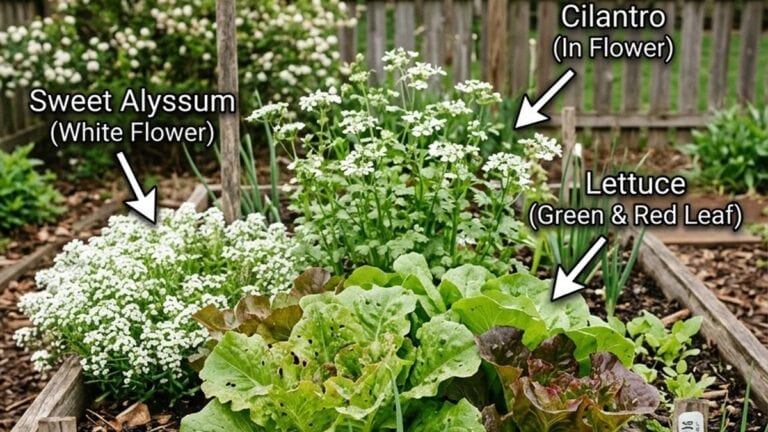
Companion Plants for Lettuce: What Works and Why
Slugs, aphids and summer heat do most of the damage in a lettuce bed, and companion plants can help with…
Plants
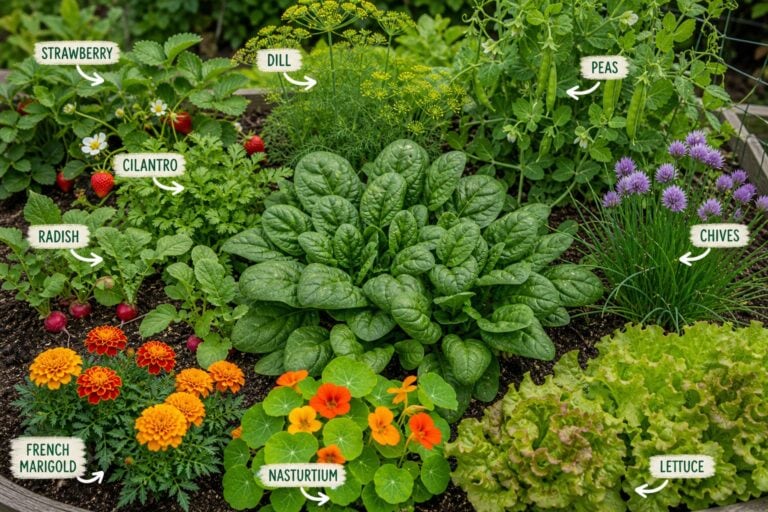
Companion Plants for Spinach: What Works and Why
Spinach growers fight a near-constant battle with leaf miners — tiny larvae that tunnel between the leaf surfaces and ruin…