
Key Facts
- Not a true grass but a small sedge-like plant.
- Forms low, fine-textured mounds useful in containers and at pond edges.
- Prefers consistently moist to wet soil and tolerates poorly drained sites.
- Grows well in full sun to part shade.
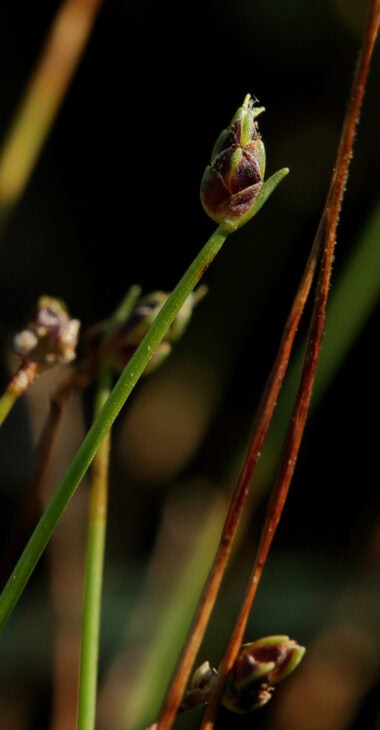
- Produces many fine wiry stems with tiny, inconspicuous flowers.
- Commonly propagated by seed or division.
- Often used as an accent in mixed pots, hanging baskets, and water gardens.
Fiber Optic Grass is a small sedge like plant valued for airy, fine textured mounds that add movement to containers and pond edges. It performs best where soil stays consistently moist and is often used as an accent in mixed pots and hanging baskets.
Identification and size
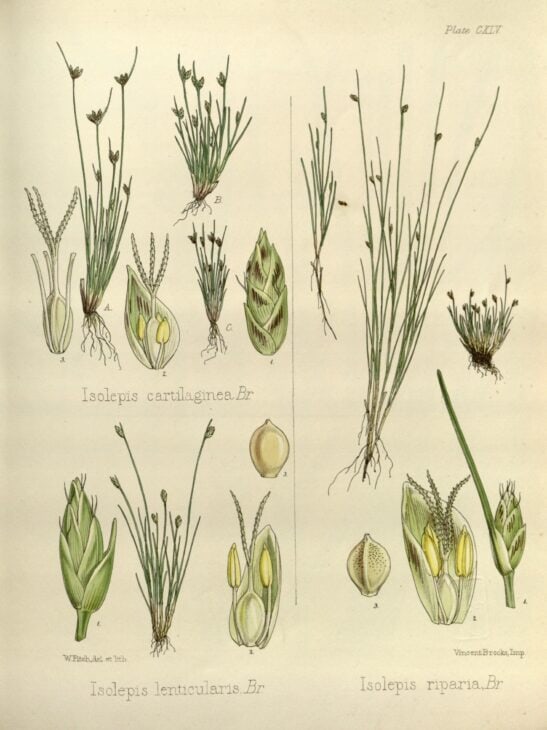
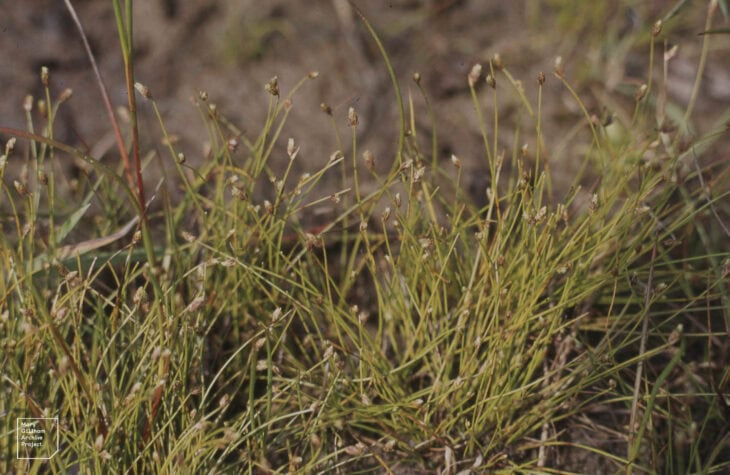
Not a true grass but a small sedge like species with many fine wiry stems and tiny inconspicuous flowers. Plants form low mounds roughly 2 to 8 inches tall and spread into compact clumps about 6 to 12 inches across depending on cultivar and growing conditions.
Best places to grow Fiber Optic Grass
Use it at water margins and pond edges where damp soil suits it or as a textural accent in containers and hanging baskets. It works in moist border fronts and small rock garden pockets that stay damp. In warmer climates it can remain evergreen and provide year round texture.
Soil and light needs
Prefers consistently moist to wet soil and tolerates poorly drained or boggy ground. Avoid prolonged dry conditions which cause decline. Plant in full sun to part shade and give some afternoon shade in hot inland sites to reduce browning and stress.
Planting and spacing
Place transplants or plugs so crowns sit level with the soil surface and allow 6 to 12 inches between plants for mature clumps. Containers can be planted any time if you can keep the root zone damp. Spring planting helps plants establish before hot or dry periods.
Watering and maintenance
Keep soil consistently moist to maintain fine texture and vigor. Periods of dryness cause leaf browning and thinning. Light trimming of wiry stems refreshes the mound. Divide crowded clumps to renew growth and maintain shape every few seasons or when centers thin out.
Containers and water gardens
Grows well in damp containers and at pond margins where constant moisture is available. Use as an accent in mixed pots or in groups for a soft edged look. In pots expect to water more frequently and ensure good organic substrate to retain moisture.
Controlling spread and propagation
Forms compact clumps rather than aggressive runners and is commonly propagated by seed or by dividing established clumps. Division creates new plants and controls mound size. Start divisions by separating sections of the clump and replanting into damp soil or pots for faster establishment.
Frequently asked questions
- How fast does Fiber Optic Grass grow?
- It forms low mounds and spreads gradually into clumps about 6 to 12 inches across over time. Growth rate varies with moisture light and soil fertility.
- Is Fiber Optic Grass invasive?
- There are no widely reported invasiveness concerns in basic horticultural sources. Monitor moist sites for unwanted spread and control by dividing or removing clumps if needed.
- Is Fiber Optic Grass hardy where I live?
- It is generally offered for USDA zones about 7 to 11 where it can survive winters. Cold tolerance varies by source and microclimate so check local references for your area.
- How do I propagate it?
- Propagate by seed or by dividing established clumps. Transplants and plugs establish quickly when kept in damp soil.
- When does it flower?
- Plants produce tiny inconspicuous flowers on wiry stems during the warm season. Exact timing varies with region and climate.
Gallery
Related Plants

