
Key Facts
- Large deciduous oak native to the southeastern United States.
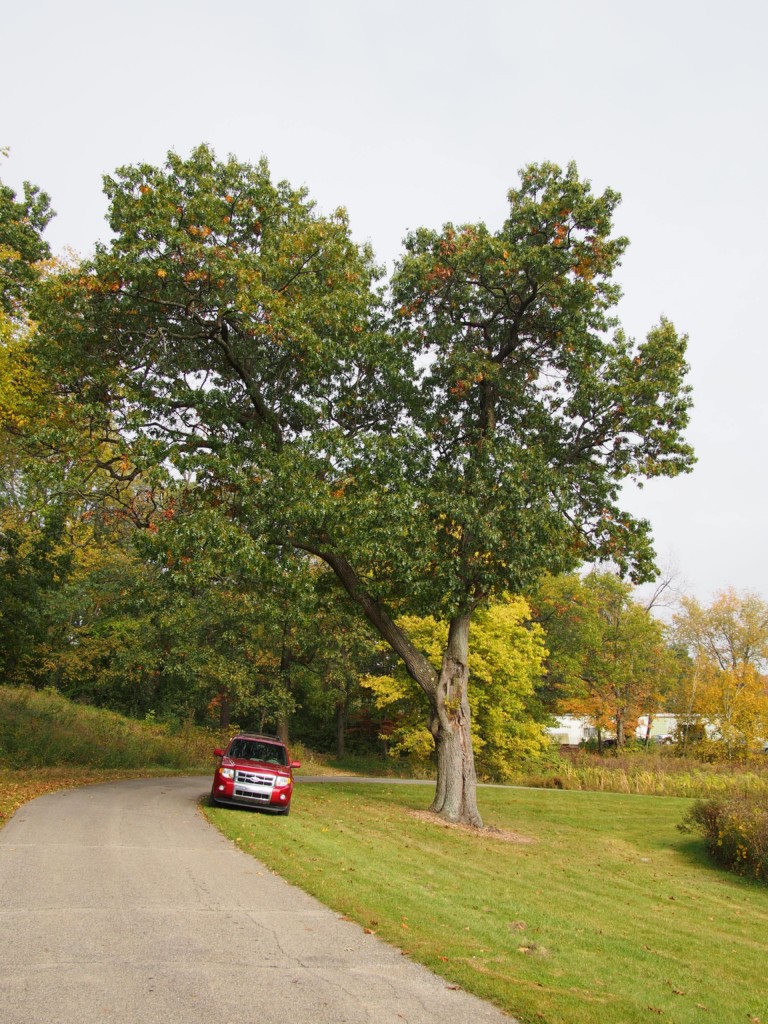
- Grows as a single trunk specimen with a broadly rounded crown.
- Leaves are lobed and turn subdued colors in autumn.
- Produces acorns that mature in the fall.
- Prefers full sun and moist, fertile soils.
- Tolerates heavy clay and periodic flooding once established.
- Used commonly as a park and street tree in appropriate climates.
Cherrybark Oak is a large deciduous oak native to the southeastern United States that makes a reliable shade tree on moist fertile sites and tolerates heavy clay once established. It grows as a single trunk specimen with a broadly rounded crown and produces acorns that mature in fall.
Identification
Cherrybark Oak (Quercus pagoda) is a substantial oak reaching about 60 to 80 feet tall with a 40 to 60 foot crown spread at maturity. Leaves are lobed and turn subdued autumn colors. Trees flower in spring as catkins and set acorns that ripen later in the season. The species is typically a single trunk specimen with a broad rounded crown.
Best uses and where to grow
Use Cherrybark Oak as a park, street, or large-yard shade tree where space allows. It prefers full sun for best form and vigor and performs across USDA zones 6 to 9. Plant it in open sites where its broad crown will not conflict with structures or utility lines over time.
Planting season and spacing
For seed propagation sow fresh acorns in fall or store cold then stratify before germination. When planting nursery trees allow spacing that matches the mature crown spread of 40 to 60 feet to avoid future crowding. Place the root flare at or just above the finished soil grade to promote healthy root development.
Soil and watering
Cherrybark Oak prefers deep, fertile, moist, well drained soils but tolerates heavy clay and occasional flooding once established. Provide consistent moisture during establishment to encourage a deep root system. Avoid persistently compacted or very dry soils which reduce growth and can lead to stress during hot weather.
After-flowering care and maintenance
After spring flowering the tree sets acorns that mature in fall. Minimal routine maintenance is required beyond structural pruning to maintain a single strong leader and removal of dead or crossing limbs. Monitor for typical oak pests and avoid excessive root disturbance near the trunk to preserve long term health.
Propagation and young tree care
Propagate by seed using fresh acorns sown in fall or by nursery-grown seedlings transplanted as container or balled and burlapped stock. Acorns are best sown soon after collection or stored cold to maintain viability. Protect seedlings from seed predators and provide steady moisture until established.
Toxicity and wildlife
Acorns and foliage contain tannins and can cause toxicity in livestock and pets if consumed in large amounts. Wilted oak leaves are particularly risky for horses. Wildlife such as deer and squirrels commonly consume acorns, so expect some loss to animals in naturalized settings.
Frequently asked questions
- How fast does Cherrybark Oak grow?
- Growth rate varies with site quality. Trees on moist fertile sites grow faster and are more likely to reach the 60 to 80 foot range, while those in poorer or drier soils develop more slowly and may have reduced height.
- What USDA zones does Cherrybark Oak grow in?
- It is generally suited to USDA zones 6 through 9 where winters are mild to moderate and summers provide adequate moisture.
- Does Cherrybark Oak tolerate clay soils?
- Yes. The species tolerates heavy clay and occasional flooding once established but performs best in deep fertile soils with adequate drainage.
- Are acorns safe for pets?
- Acorns contain tannins and can cause digestive upset or toxicity in livestock and pets if eaten in large amounts. Check with local extension or poison control for species-specific guidance.
- Can I plant a Cherrybark Oak in a small yard?
- Not recommended. Mature height and broad crown require space, so reserve this tree for large yards, parks, or wide street plantings to avoid conflicts with structures and utilities.
Related Plants


Mentioned In (7)

Oak
21 Grand Types of Oak Trees in Mississippi
Do you wish to grow Oak Trees in your home garden? Well, you will be pleased to know that Mississippi…
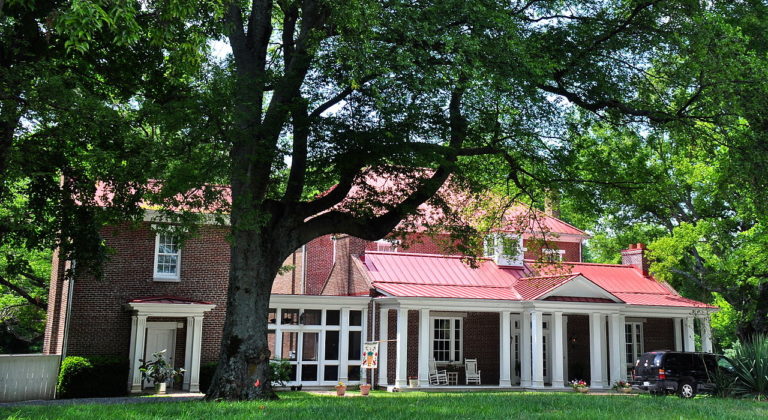
Oak
19 Types of Oak Trees in Tennessee
Not only does the state of Tennessee have a lot of different trees, but the state is also home to…
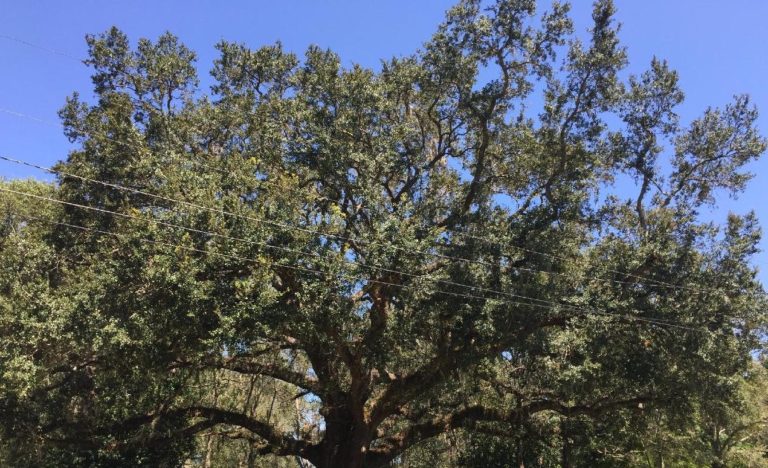
Oak
19 Beautiful Types of Oak Trees in Illinois
The state of Illinois is home to more than four million acres of forested land, making it home to a…
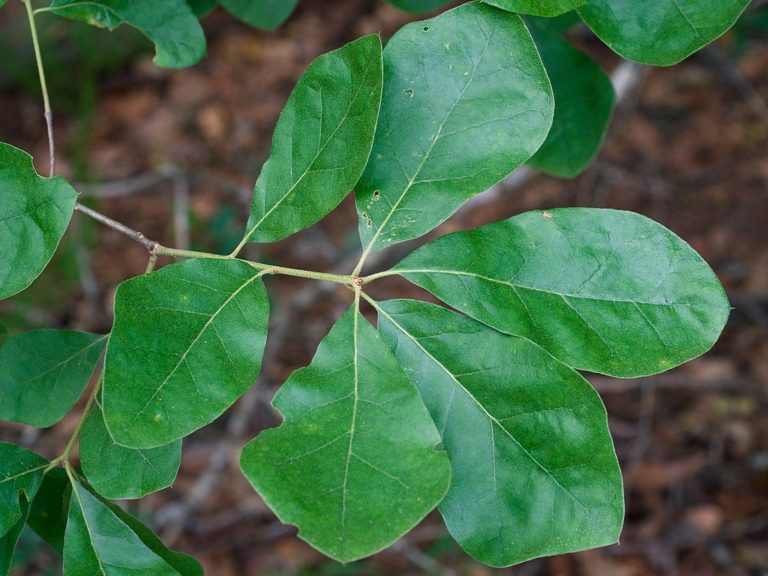
Oak
15 Amazing Types of Oak Trees in Arkansas
Arkansas has more than 18 million acres of forests that account for nearly 60% of the state, so if you’re…
Oak
22 Types of Oak Trees in Alabama
The fact that Alabama has a lot of trees shouldn’t be a surprise to anyone. After all, nearly 70% of…
Oak
17 Great Types of Oak Trees in Georgia
That states like Georgia have a lot of trees should be no surprise to anyone. Because of its mild climate,…

Oak
76 Types of Oak Trees in North America (foliage photos)
Because of all the forests in North America, you can find just about every tree you can think of if…