
Key Facts
- Deciduous oak native to the southeastern and mid Atlantic United States.
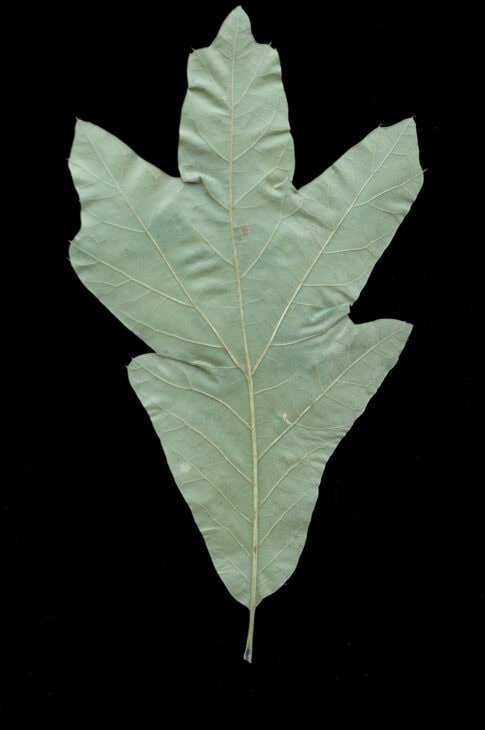
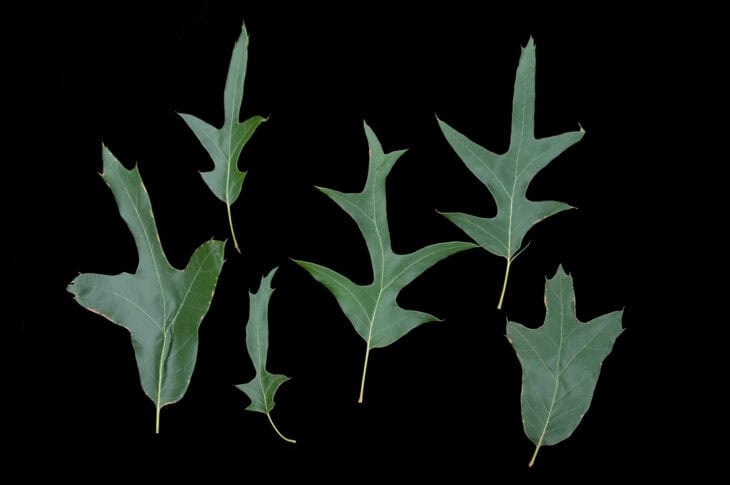
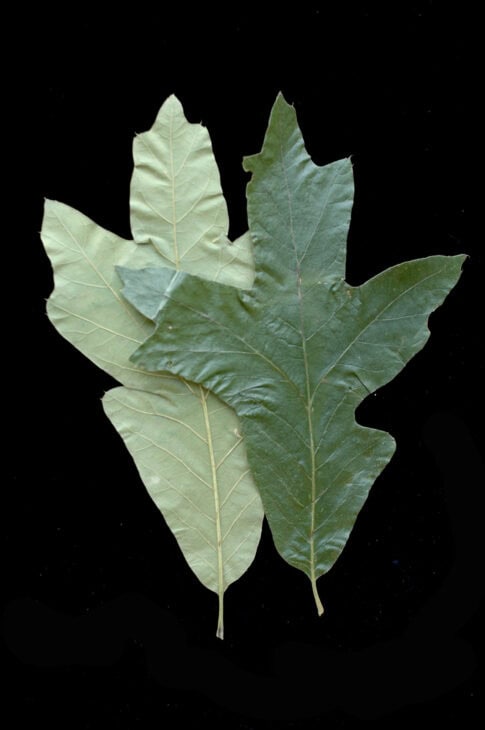
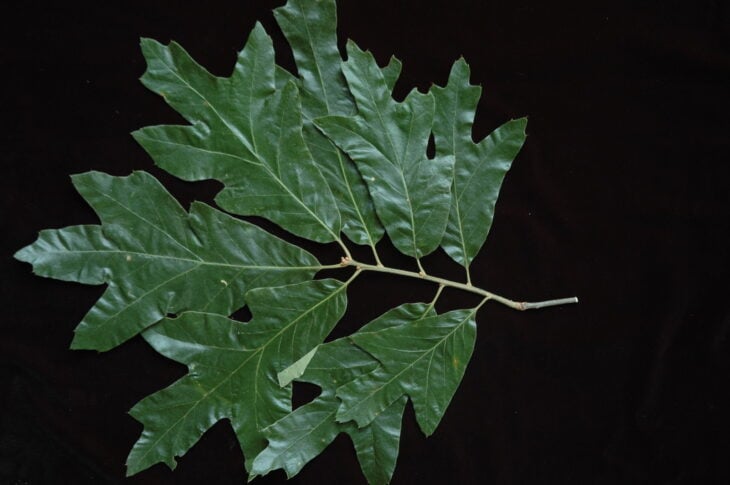
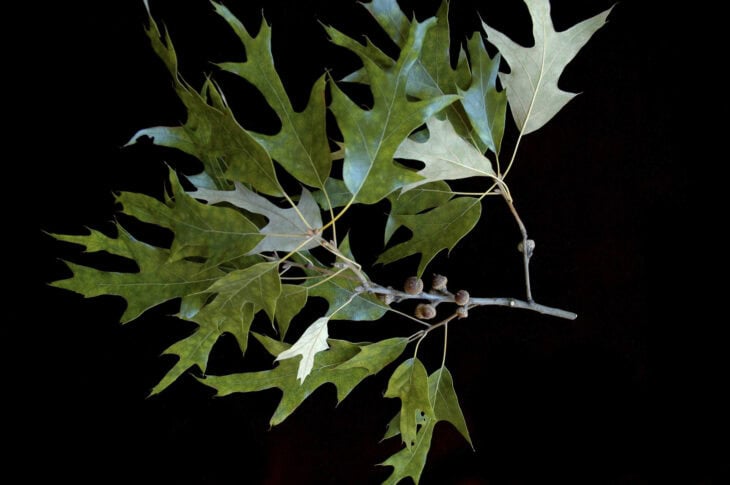
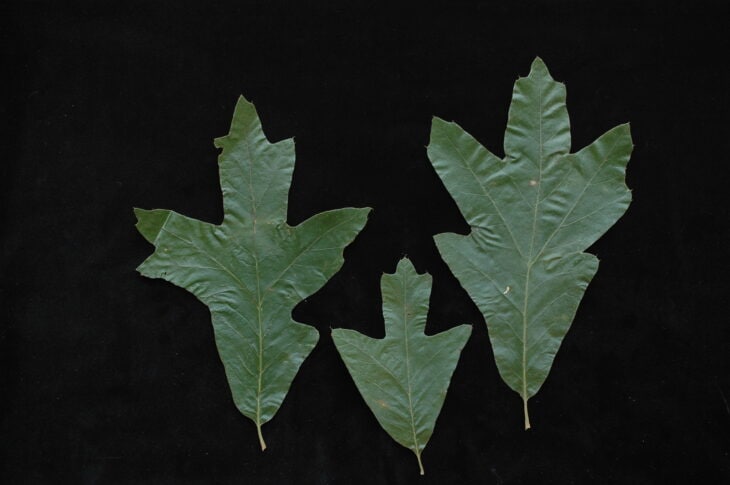
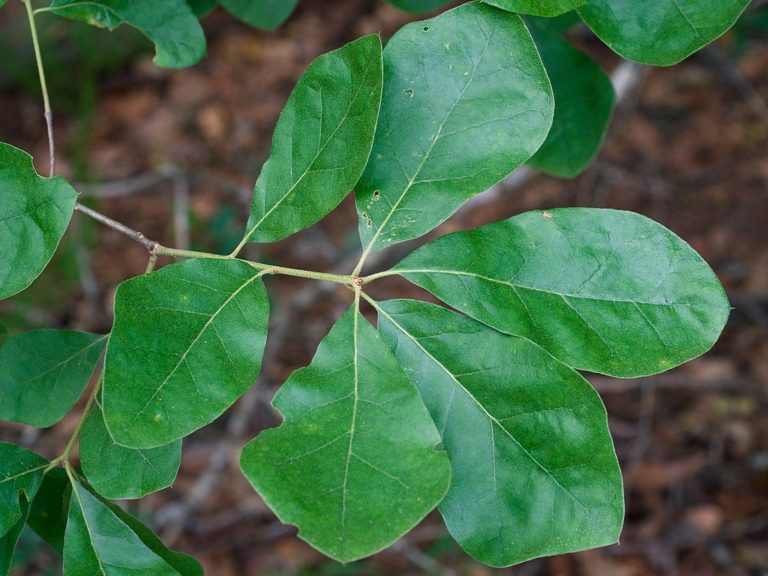
- Leaves are lobed with variable sinuses and often a falcate or curved shape.
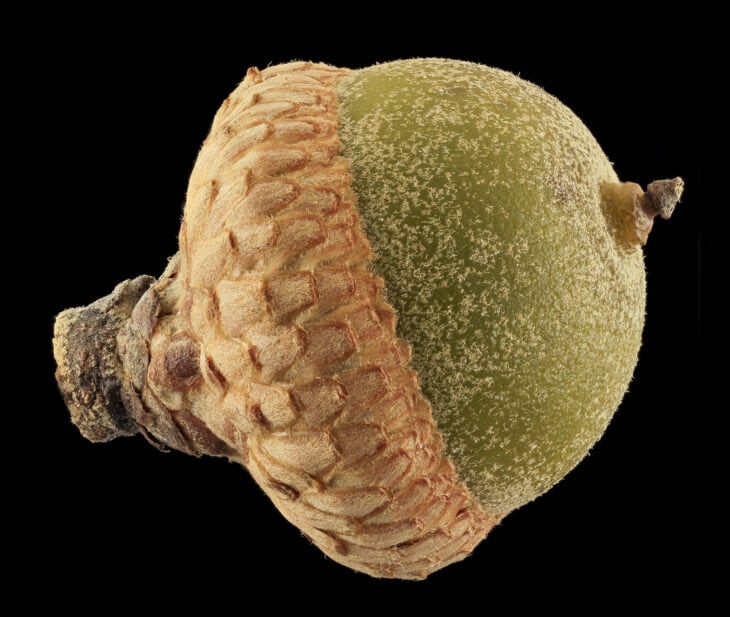
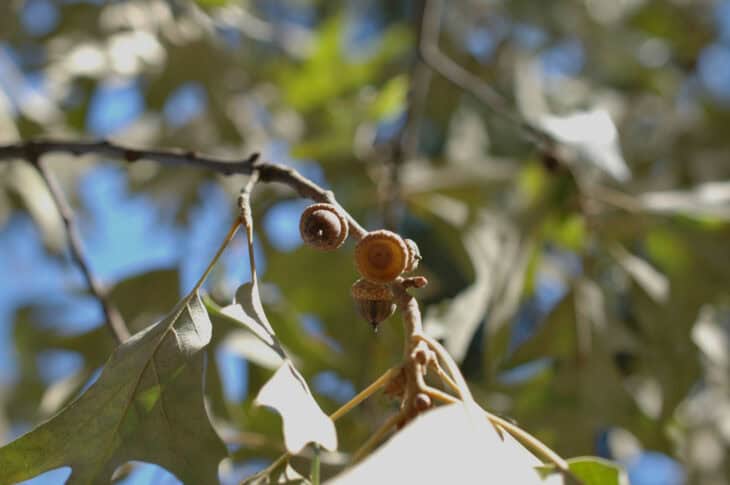
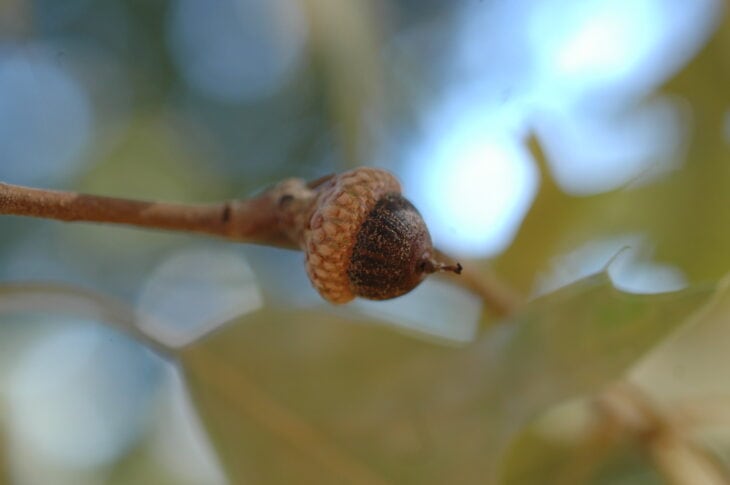
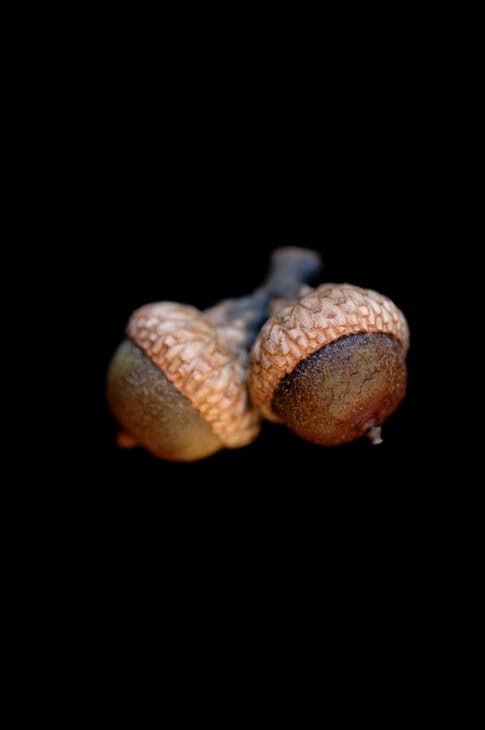
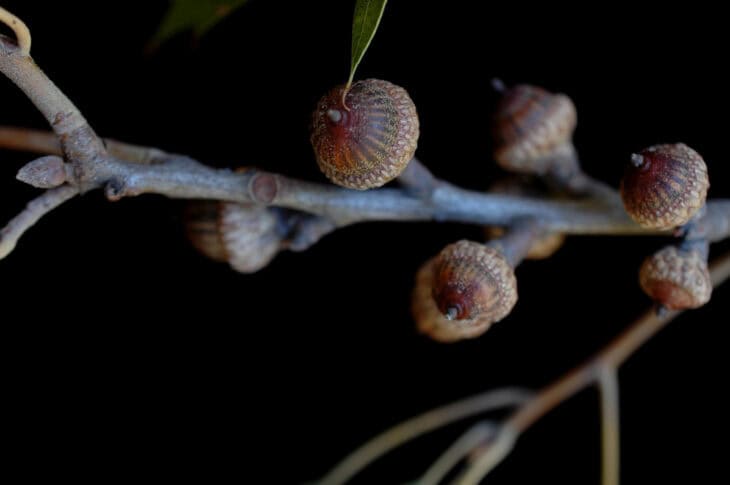
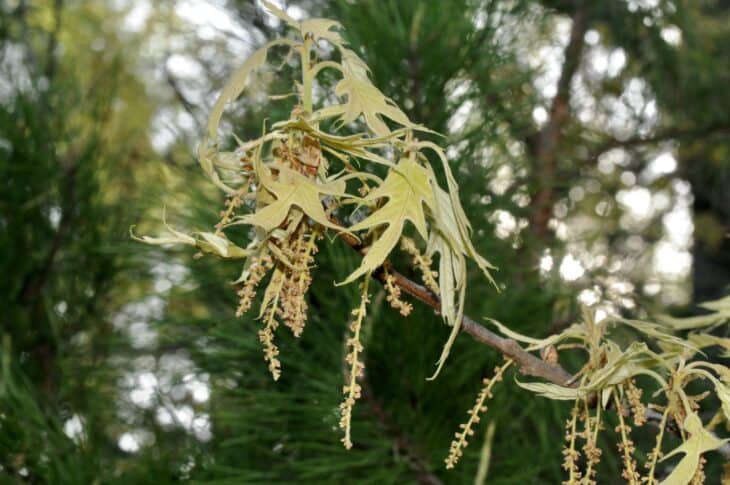
- Produces male catkins in spring and acorns that provide wildlife food.
- Valued as a large shade and specimen tree in landscapes and native plantings.
- Tolerant of dry and poor soils once established but dislikes prolonged wet soils.
- Can be susceptible to oak wilt and leaf scorch in hot or stressed sites.
- Supports wildlife including birds and small mammals that eat the acorns.
Southern Red Oak (Quercus falcata) is a large deciduous oak native to the southeastern and mid Atlantic United States. It is planted for broad shade, wildlife food and tolerance of dry, poor soils once established, though it does not tolerate prolonged wet sites.
Identification
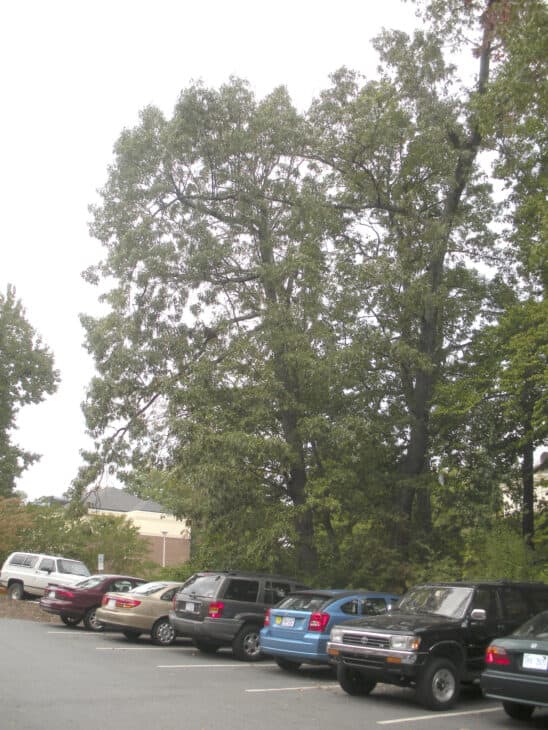
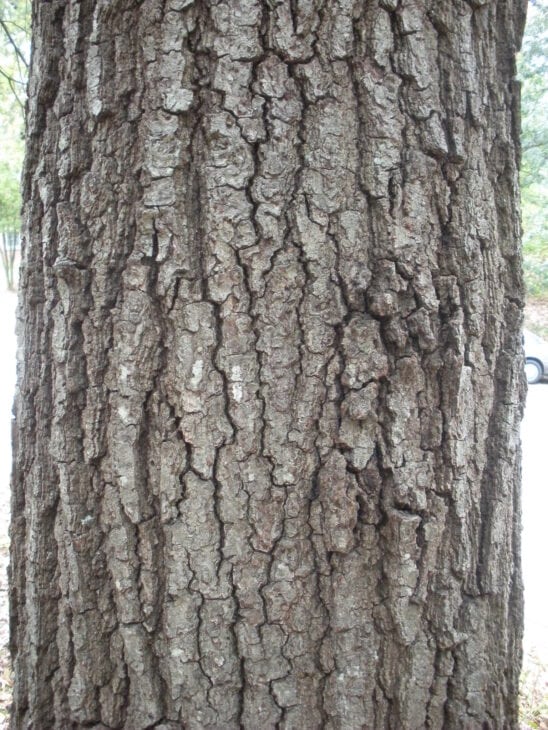
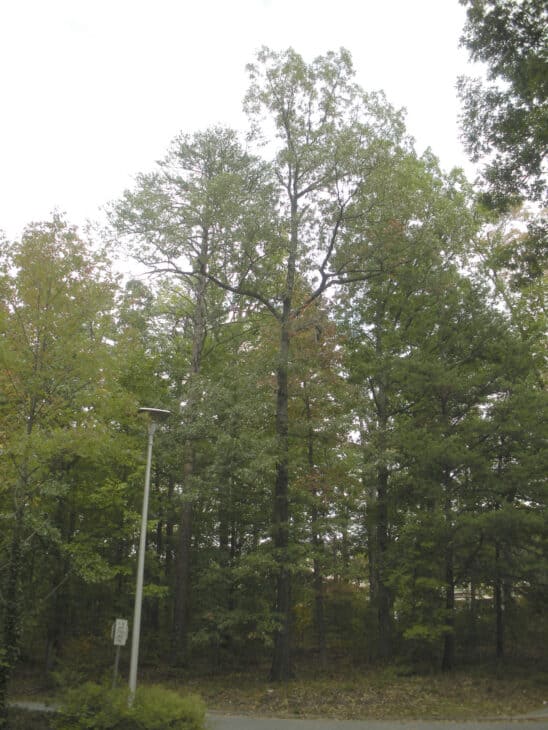
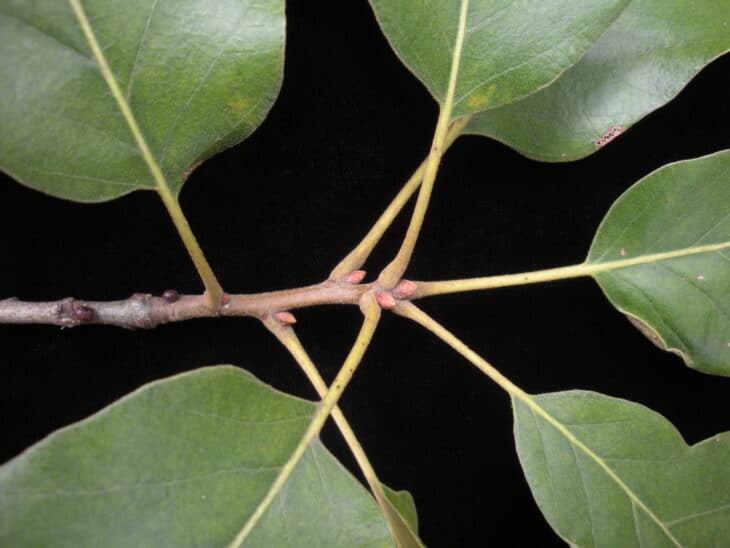
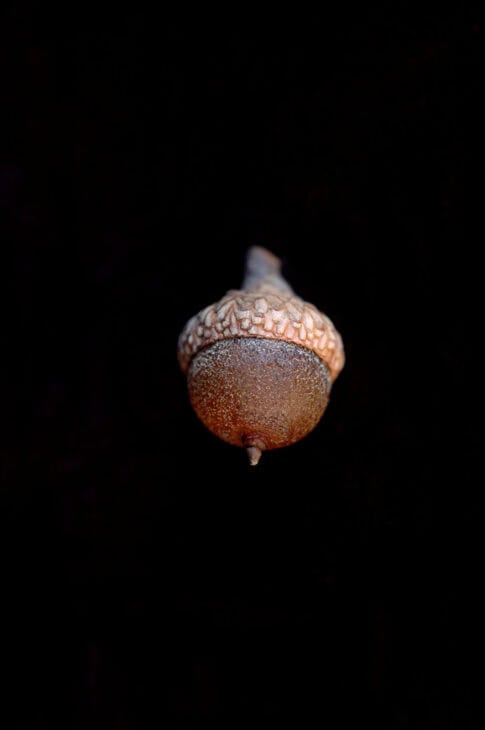
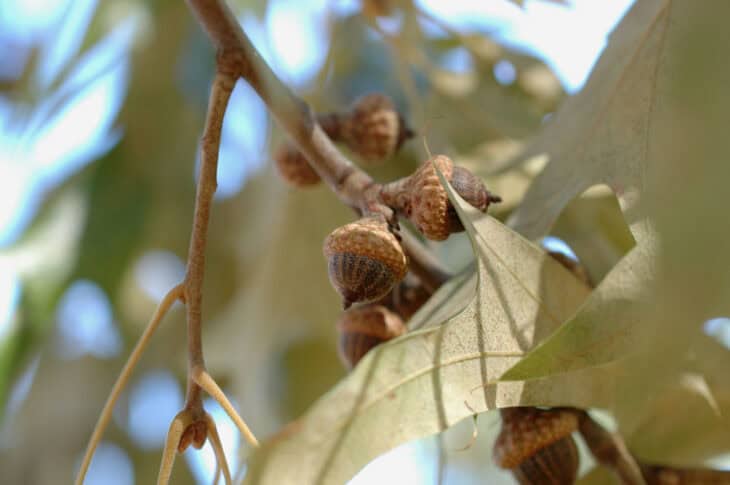
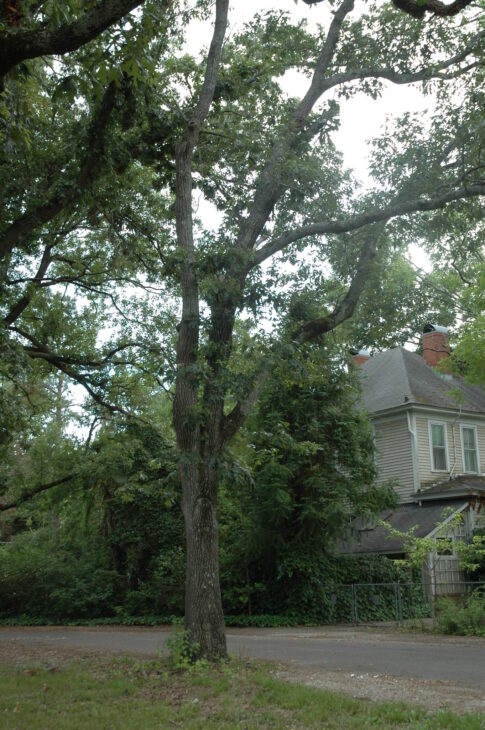
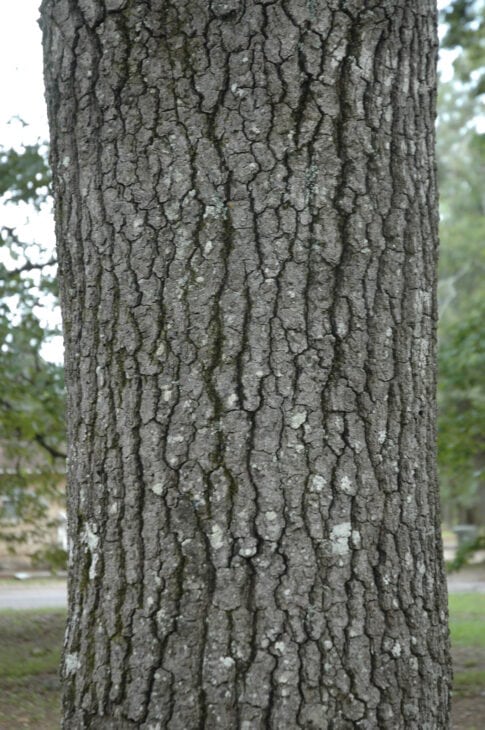
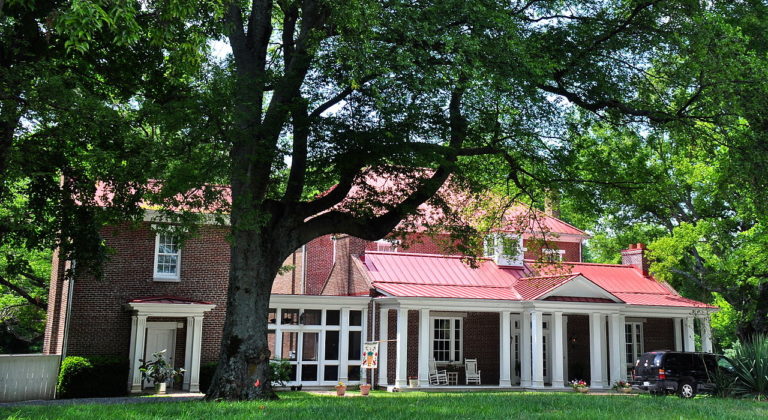
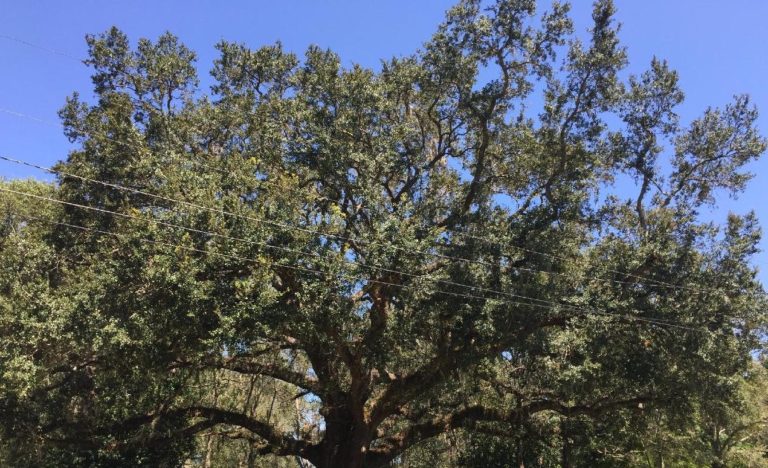
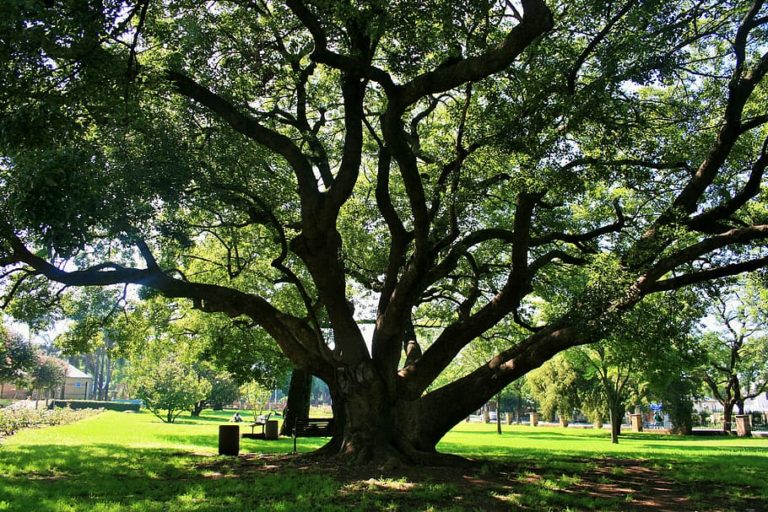
Leaves are lobed with variable sinuses and often show a falcate or curved shape. Male catkins appear in spring and acorns follow, providing wildlife food. Mature trees commonly reach about 40 to 70 feet tall with a similar wide crown of roughly 40 to 60 feet, making this a true large shade tree.
Best uses and where to grow
Use Southern Red Oak as a large shade or specimen tree in parks, large yards and native plantings. It suits USDA zones 5 to 9 and performs best in full sun. Avoid planting in sites with poor drainage or chronic wet soils because standing water can cause decline.
Planting, spacing and timing
Sow fresh acorns in fall or cold stratify and sow in spring for seed propagation. Nursery production often uses grafting for named selections. Allow plenty of room for the canopy to develop and space trees about 40 to 60 feet apart where a full mature crown is desired.
Soil, light and watering
Prefers well drained loam to sandy soils and leans toward acidic conditions. It tolerates dry, poor and compacted soils once established. Give the tree full sun for best form. Avoid sites that stay wet for long periods. Young trees need regular watering until established, after which drought tolerance improves.
Maintenance and pests
Minimal pruning is required for a strong form, but avoid heavy root disturbance. The species can be susceptible to oak wilt and to leaf scorch when hot or stressed. Monitor for decline in hot seasons and consult state forest health resources if oak wilt is suspected.
Propagation and nursery notes
Propagate primarily by seed using fresh acorns that should be planted promptly or cold stratified before spring sowing. Nursery growers commonly graft selected clones. Acorn viability declines quickly so collect only sound nuts and follow local stratification recommendations for best results.
Wildlife value and toxicity
Acorns are an important food source for birds and small mammals. Acorns and foliage contain tannins and can be toxic to livestock if consumed in large quantities. Small pets may get gastrointestinal upset from eating acorns. Manage fallen acorns around livestock and consult poison resources for exposures.
Frequently asked questions
- How fast does Southern Red Oak grow?
- Growth rate varies by site and climate and is often moderate. Trees grow faster in warmer zones and more slowly in colder zones, with a large canopy developing over many years.
- How large does Southern Red Oak get?
- Expect roughly 40 to 70 feet in height and a similar wide crown often about 40 to 60 feet across depending on site conditions.
- What hardiness zones suit Southern Red Oak?
- It is generally suited to USDA zones 5 through 9. Check state extension guidance for local microclimates.
- Are the acorns toxic?
- Acorns contain tannins and can cause digestive upset or toxicity in livestock when eaten in large amounts. Small pets may also become ill after ingesting acorns.
- How is Southern Red Oak propagated?
- By seed using fresh acorns sown in fall or after cold stratification for spring sowing. Nurseries often graft named cultivars for consistent traits.
Gallery

Related Plants


Mentioned In (12)
Trees
33 Most Common Trees in Virginia
Let's have a look at the 33 most common trees in Virginia. Which of the names of these tree species…

Oak
21 Grand Types of Oak Trees in Mississippi
Do you wish to grow Oak Trees in your home garden? Well, you will be pleased to know that Mississippi…
Oak
19 Types of Oak Trees in Tennessee
Not only does the state of Tennessee have a lot of different trees, but the state is also home to…
Oak
19 Beautiful Types of Oak Trees in Illinois
The state of Illinois is home to more than four million acres of forested land, making it home to a…
Oak
15 Amazing Types of Oak Trees in Arkansas
Arkansas has more than 18 million acres of forests that account for nearly 60% of the state, so if you’re…
Oak
10 Prevalent Types of Oak Trees in Oklahoma
Trees in Oklahoma include everything from elms to black walnuts and pines to dogwoods, and that doesn’t even include the…
Oak
22 Types of Oak Trees in Alabama
The fact that Alabama has a lot of trees shouldn’t be a surprise to anyone. After all, nearly 70% of…

Oak
15 Types of Oak Trees in North Carolina
There are hundreds of species of trees in North Carolina, in part because there are mountains on one side of…
Oak
13 Types of Oak Trees in South Carolina
Not only is South Carolina home to tons of species of trees, but it also contains some of the largest…
Oak
17 Great Types of Oak Trees in Georgia
That states like Georgia have a lot of trees should be no surprise to anyone. Because of its mild climate,…

Oak
16 Types of Oak Trees in Florida
With more than 16 million acres of forests and 180 state parks and forests, Florida is definitely a nature-lover’s paradise.…

Oak
76 Types of Oak Trees in North America (foliage photos)
Because of all the forests in North America, you can find just about every tree you can think of if…