
Key Facts
- Native to eastern North America.
- Small deciduous tree or large multi stemmed shrub.
- Showy fragrant white fringe like flowers in late spring.
- Blue black drupe fruit ripens in late summer to autumn and attracts birds.
- Grows well in full sun to part shade.
- Prefers moist well drained soils but tolerates heavier clay.
- Used as a specimen tree and in woodland edge plantings.
- Relatively low maintenance with few serious pests or diseases reported.
Fringe Tree (Chionanthus virginicus) is a small deciduous tree native to eastern North America, prized for fragrant white, fringe like flowers in late spring and blue black fruit that attract birds. It works well as a specimen or in a woodland edge where it adapts to full sun or part shade and a range of garden soils.
Identification and size
Fringe Tree typically reaches about 12 to 20 feet tall with a similar 10 to 20 foot spread, often forming a multi stemmed shrub or small tree. Leaves are deciduous and the tree is best noticed in late spring when masses of fragrant white fringe like flowers appear, followed by blue black drupes in late summer to autumn.
Where to plant and common uses
Use Fringe Tree as a focal specimen, a small lawn tree, or in a woodland edge planting where its spring flowers and fruit are visible to birds. It performs well in mixed borders and naturalized plantings; multi stemmed forms add informal structure and wildlife value while taking up modest space compared with larger canopy trees.
Planting and spacing
Space plants to allow a mature canopy roughly 10 to 20 feet across depending on the site and cultivar. Place specimens where root room and light match their preferences and avoid crowding from larger trees. Planting location should permit the tree to establish without severe competition for moisture and nutrients.
Soil and watering
Fringe Tree prefers moist, well drained soils but tolerates heavier clay and periodic wetness. Avoid poorly drained sites because persistent waterlogging can cause root stress and decline. In general, keep young trees evenly moist until established and reduce supplemental water as roots mature unless the site becomes very dry.
Light and flowering
Grow Fringe Tree in full sun to part shade with the most prolific flowering in sunnier sites. Bloom typically occurs in late spring, around May to June in many regions, though timing varies with latitude and seasonal weather. Fruit follows the flowers and provides food for birds into autumn.
After flowering and maintenance
After flowering, allow fruit to develop if you want to attract birds; remove dead or crossing branches to keep a neat form. Fringe Tree is relatively low maintenance with few serious pests or diseases reported. Monitor for poor vigor in very alkaline soils which can cause leaf chlorosis and reduced growth.
Propagation
Propagate Fringe Tree by seed, semi ripe or softwood cuttings, and by grafting for named cultivars. Seed often benefits from cold stratification and cuttings are used for clonal propagation. Nursery production and grafting compatibility vary by cultivar so confirm methods for specific selections.
Frequently asked questions
- How fast does Fringe Tree grow?
- Growth rate varies with site and climate; many specimens reach the common 12 to 20 foot height over several years under favorable conditions. Establishment is slower in colder zones and growth may be reduced in very warm climates.
- Is Fringe Tree hardy in my zone?
- Fringe Tree is commonly listed for USDA zones 3 to 9 in reference gardens and nurseries. Local performance depends on microclimate and site conditions so confirm with regional extension sources before planting.
- Does Fringe Tree attract wildlife?
- Yes. The blue black drupes that follow flowering are eaten by birds. Flowers also provide seasonal interest and fragrance that can attract pollinators.
- How do I propagate Fringe Tree?
- Use seed with cold stratification, take semi ripe or softwood cuttings for clonal plants, or graft named cultivars. Propagation success and timing vary by cultivar and method.
- Is Fringe Tree toxic to pets or people?
- Authoritative toxicology entries were not found in draft sources. Fruits are eaten by birds but reactions in people or pets can vary. Confirm safety with local poison control or animal welfare authorities before assuming non toxicity.
Related Plants


Mentioned In (5)
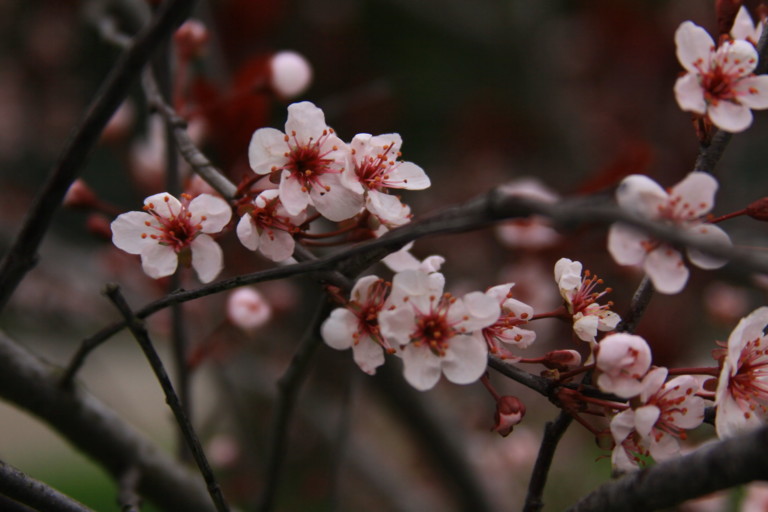
Trees
Spring Flowering Trees by Color: Pink, White, Purple & Yellow
Spring-flowering trees give a yard its biggest show of the year. This guide sorts the best of them by flower…
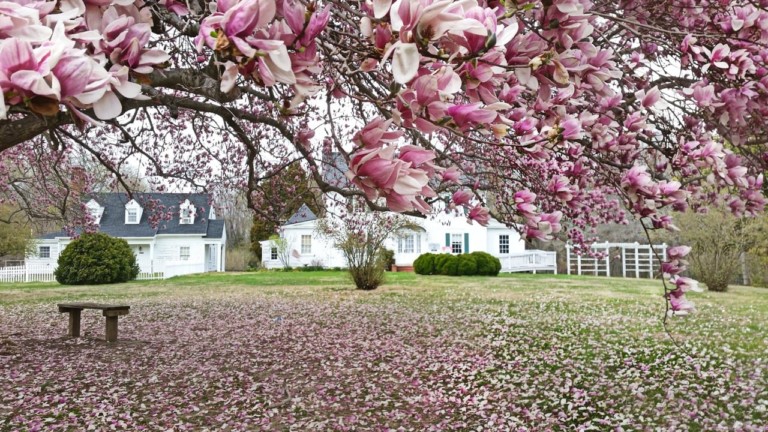
Trees
33 Flowering Trees for Virginia Gardens
Virginia's best flowering trees are mostly its own natives: flowering dogwood, which is both the state tree and the state…
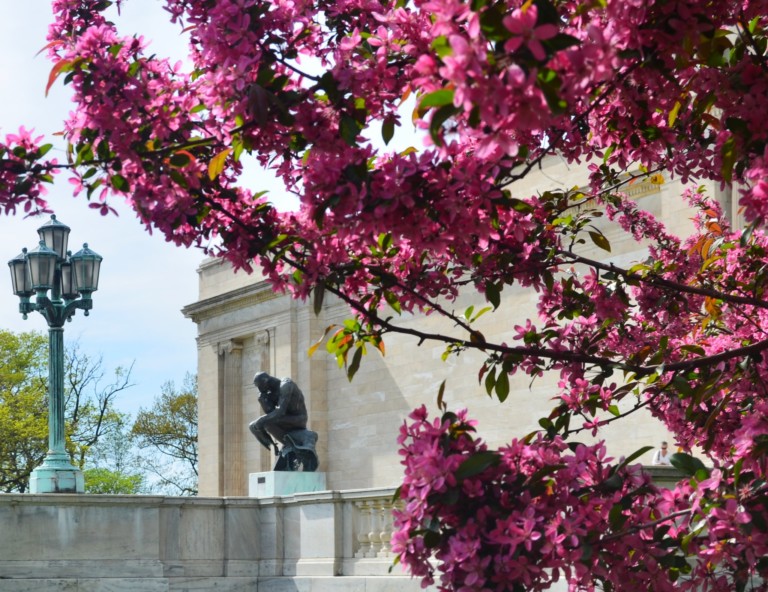
Trees
20 Flowering Trees for Ohio, by Color
Some of the best flowering trees for Ohio are native: eastern redbud, flowering dogwood, serviceberry, pagoda dogwood and fringe tree.…

Trees
Trees of Georgia: Common Trees & Native Pines
Georgia runs from the Blue Ridge and the Ridge and Valley in the north, across the Piedmont, down to the…

Trees
Trees of Florida: Native Trees & Flowering Trees
Florida spans a surprising range of climates. The Panhandle and North Florida (USDA zones 8 and 9) have frost most…