
Key Facts
- A genus of thorny shrubs and small trees grown for spring flowers and fall fruit.
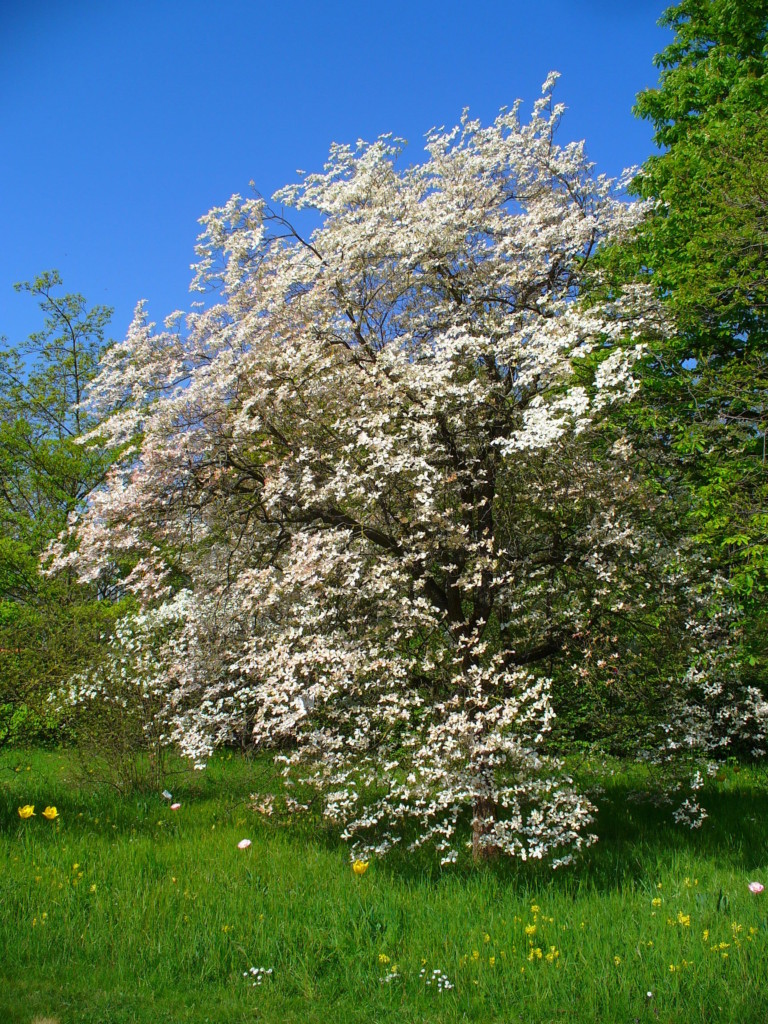
- Produces clusters of white or pink flowers in spring.
- Follows with small apple-like fruits called haws that persist into fall.
- Valued for hedging, wildlife food and nesting cover.
- Tolerates a wide range of soils but dislikes waterlogged roots.
- Performs best in full sun to part shade with best flowering in sun.
- Many species and cultivars exist so size and habit vary greatly.
Hawthorn (Crataegus spp.) is a group of thorny shrubs and small trees grown for showy spring blossom and small apple like fruits called haws. Garden forms are used for hedges, specimen planting and wildlife habitat, though size and habit vary widely between species and cultivars.
Identification
Hawthorn species are thorny shrubs and small trees that produce clusters of white or pink flowers in spring, followed by small apple like fruits called haws that persist into fall. Many garden hawthorns reach 10 to 30 feet tall but some cultivars stay smaller, so check the specific species or cultivar for mature size and habit.
Best uses and where to grow
Use hawthorn as a thorny hedge, a single stemmed specimen, or a wildlife tree that provides food and nesting cover. Plants perform best in full sun for maximum blossom and fruit but tolerate part shade. They grow in a wide range of soils including clay and alkaline types, however they do not tolerate waterlogged roots.
Planting and spacing
Planting season varies by climate, with many gardeners in northern temperate areas planting in spring or fall when soil is workable. Space plants to match mature spread, commonly 10 to 25 feet apart depending on species and pruning plans. Confirm the cultivar for mature size before setting spacing because some varieties are much narrower and suit small sites.
Watering and soil
Hawthorn prefers well drained fertile soil and tolerates a wide range of textures and pH. Avoid waterlogged conditions which cause root decline and long term health problems. Keep soil evenly moist while young to encourage root establishment and reduce drought stress, then reduce supplemental watering once the plant is established and growing well.
After flowering care and pruning
After bloom remove any dead or crossing branches to keep the crown open and reduce disease risk. Pruning will influence flowering and the plant’s spread, so prune with the intended use in mind whether hedging or single stem training. Remove root suckers promptly to prevent unwanted thicketing and to direct vigor into the main trunk.
Propagation and controlling spread
Propagate hawthorn from seed after cold stratification, from hardwood cuttings, by grafting for named cultivars, or by dividing root suckers. Seed grown plants are variable, so use grafting or cuttings to preserve cultivar traits. Many species also spread naturally by root suckers which can be removed to control expansion.
Containers and small gardens
Most garden hawthorns reach 10 to 30 feet and are not well suited to long term container culture, though some compact cultivars are available for small gardens. In containers watch for shallow rooting and more frequent watering needs. Be aware of sharp thorns when placing hawthorn near paths and entryways where people and pets pass.
Frequently asked questions
- How fast does Hawthorn grow?
- Growth rate varies by species, site and soil. Many garden hawthorns are moderate growing and commonly reach 10 to 30 feet over several years. Check the specific cultivar for a more precise growth rate.
- Are hawthorns toxic to dogs and cats?
- Hawthorn is not listed as toxic to dogs and cats by major pet poison authorities, but thorns can cause injury. Large ingestions may cause minor stomach upset. Verify species specific information for medical guidance if exposure occurs.
- When does Hawthorn bloom?
- Hawthorn blooms in spring, typically April to May in northern temperate climates. Local climate and species will shift the exact timing.
- How do I propagate Hawthorn?
- Propagate by seed with cold stratification, by hardwood cuttings, by grafting for named cultivars, or by dividing root suckers. Seed raised plants are variable, so use grafting or cuttings to retain cultivar characteristics.
- How do I control hawthorn spread?
- Remove root suckers promptly and maintain regular pruning to prevent thicketing. Choose less suckering cultivars for small sites and remove unwanted shoots at their origin to keep plants as single stems.
Related Plants


Mentioned In (10)

Trees
23 Most Common Trees in South Dakota
If you are looking to plant a tree in your garden, it is best to know what the most common…

Trees
17 Most Common Trees in England
The country of England is home to a large variety of trees. Due to the temperate climate, there are many…

Trees
23 Most Common Trees in Nebraska
Nebraska is known for its vast, rich landscapes that are absolutely teeming with wildlife and vegetation. There are approximately 10,000…

Trees
21 most common trees in Connecticut
Connecticut is home to over 600 species of trees. That's a lot of shade! Some are more common than others,…

Trees
21 Great Flowering Trees For Kansas
Are you searching for the perfect trees to plant in your Kansas home garden? Well, you have come to the…

Trees
20 Great Flowering Trees For Ohio (by color)
Are you trying to find the perfect flowering trees to grow in Ohio? Well, you’re in luck! The Buckeye State…

Trees
23 Flowering Trees For Pennsylvania Gardens
Do you want to enhance the curbside appeal of your Pennsylvania home by planting flowering trees in your garden? Well,…

Trees
21 Great Flowering Trees For Utah Gardens
Do you wish to plant flowering trees in your home garden in Utah? Well, you’re in luck! The Beehive State…
Trees
27 Flowering Trees For Virginia Gardens
Are you thinking of planting flowering trees in your Virginia home? Well, you’re in luck! There is no shortage of…

Trees
17 Best Flowering Trees For Oklahoma Yards
Are you planning to beautify your garden with some spectacular flowering trees in Oklahoma? Well, you’re in luck! The Sooner…