Key Facts
- Tropical evergreen shrub grown as a colorful houseplant and outdoor ornamental in warm climates.
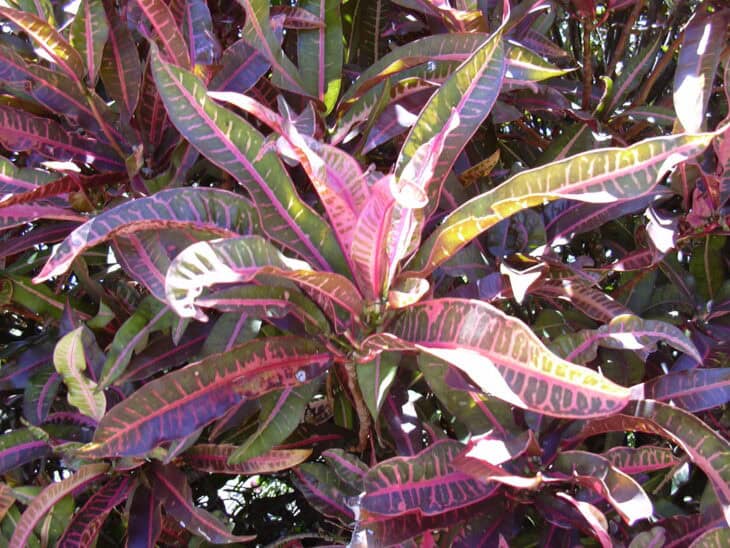
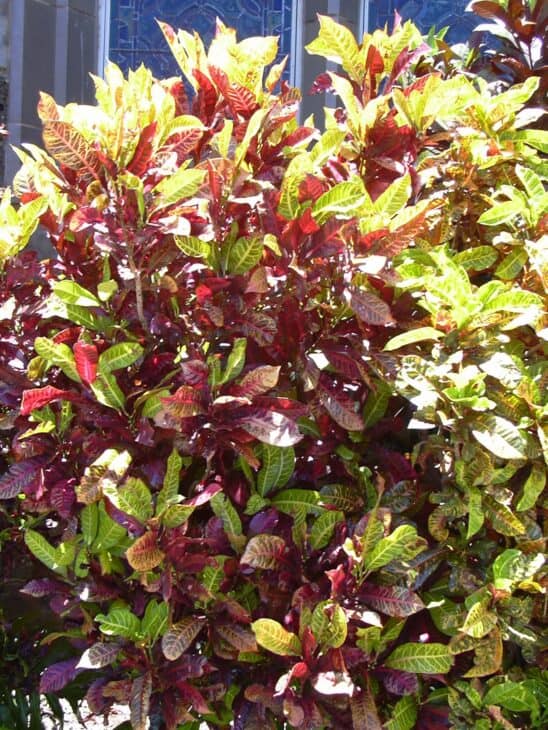
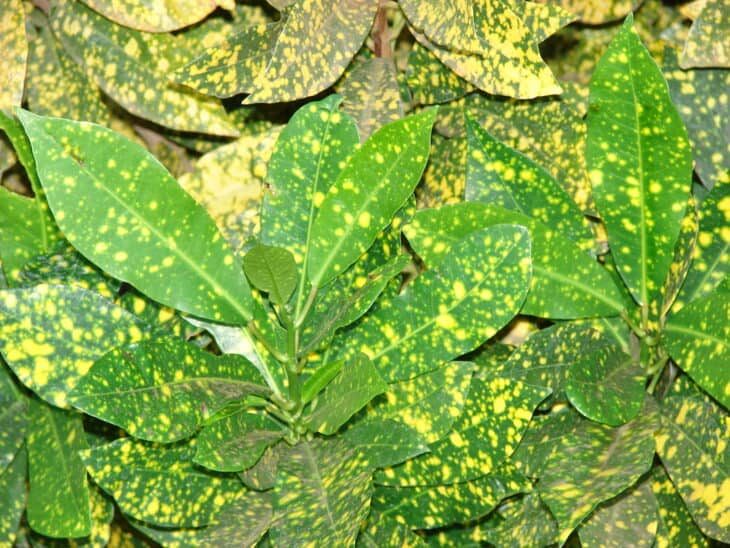
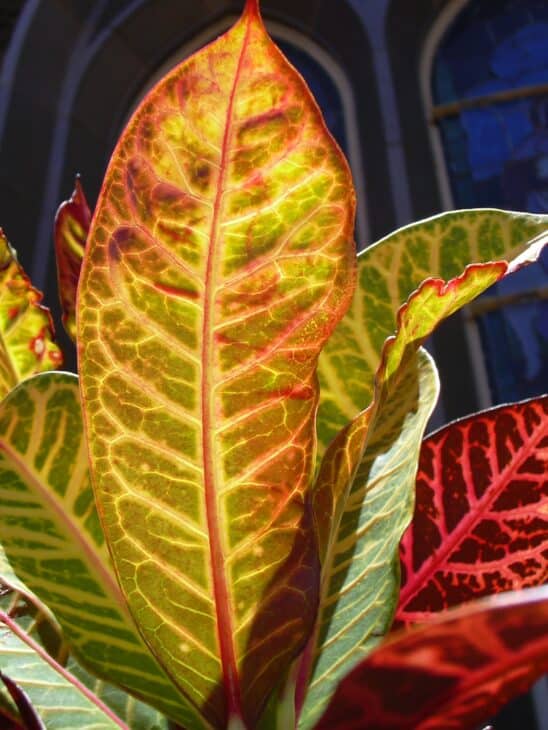
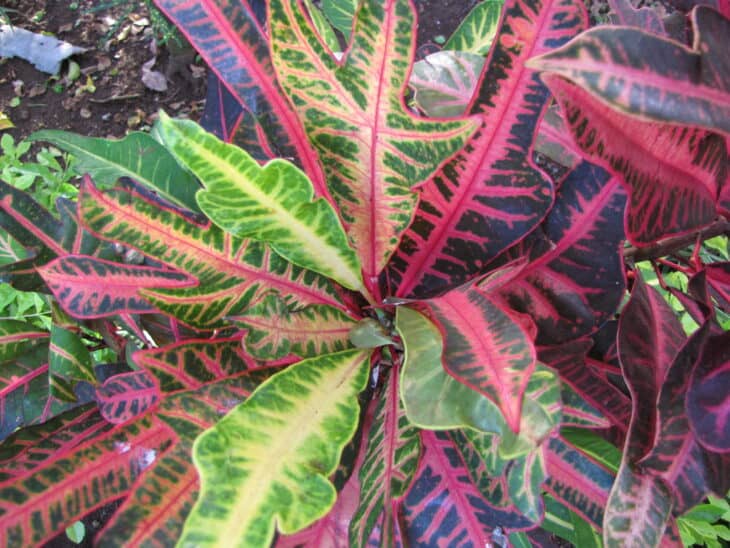
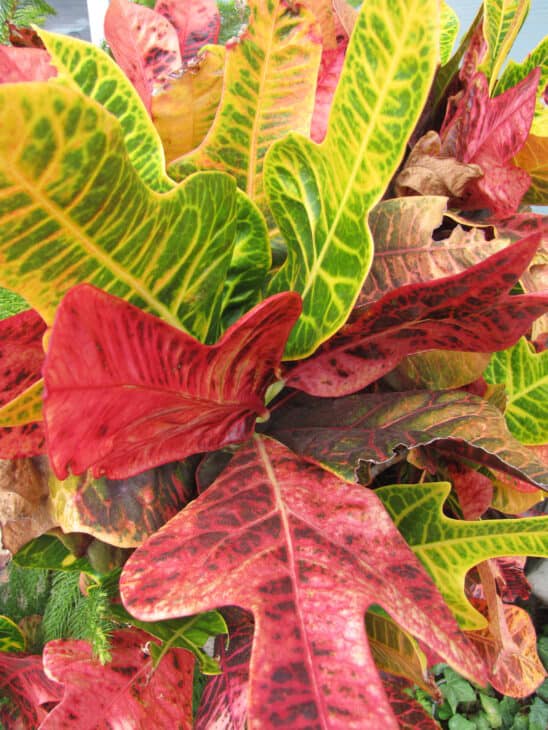
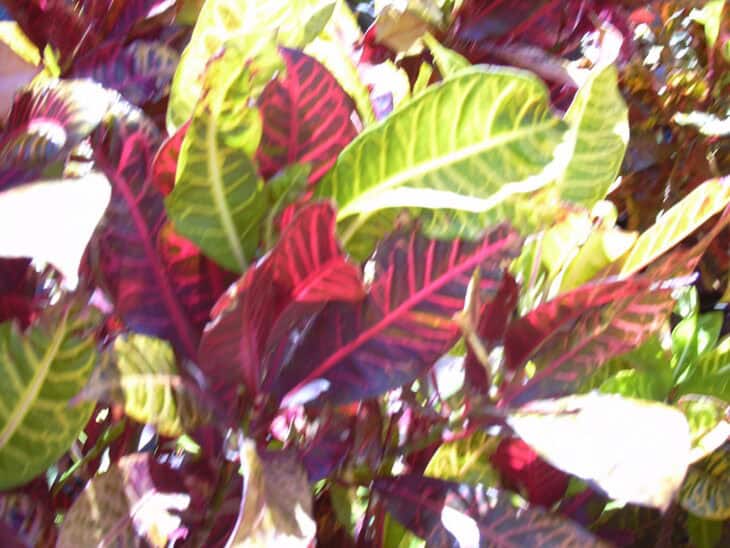
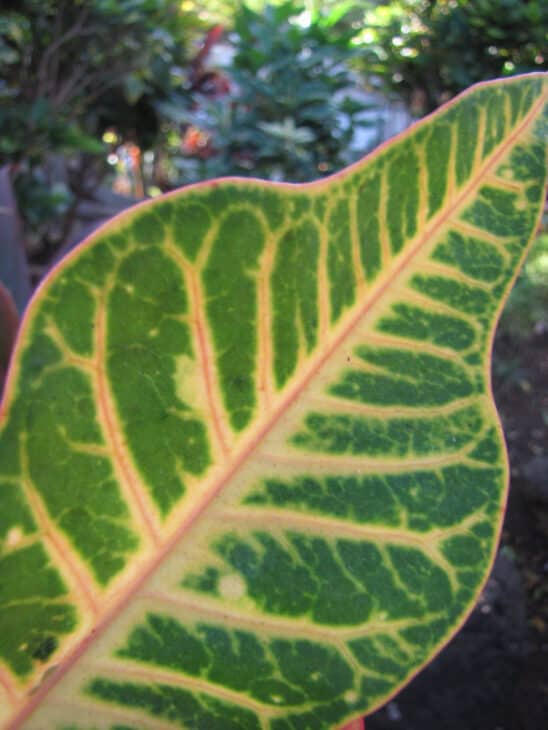
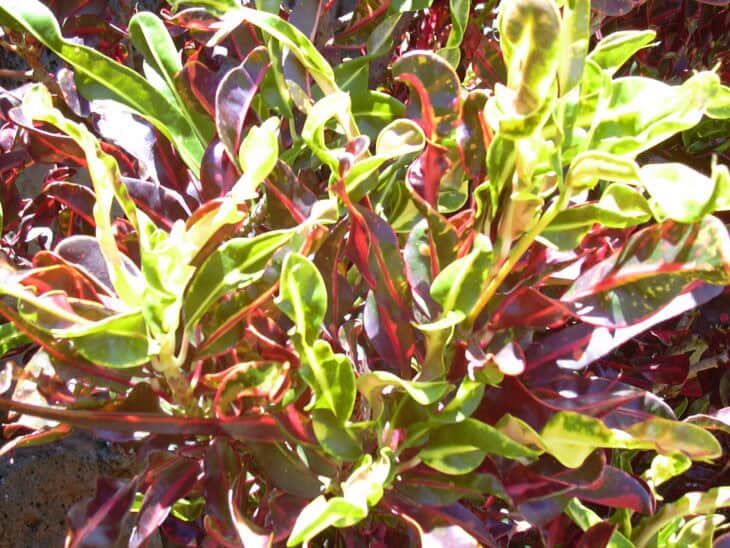
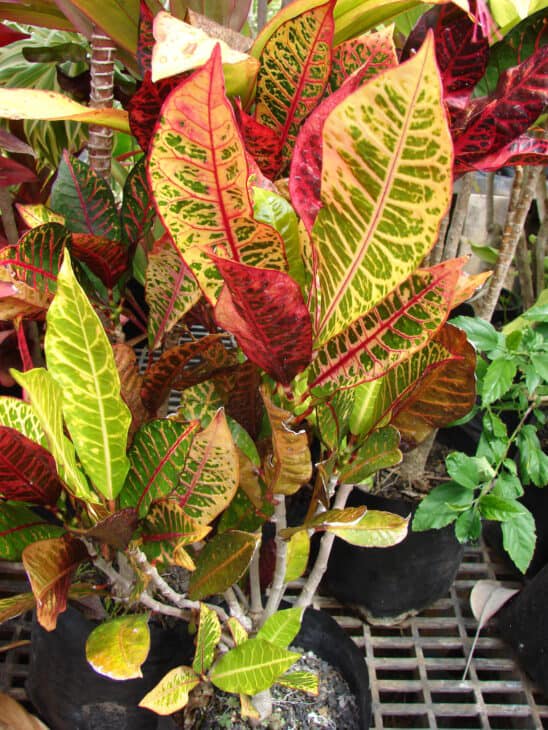
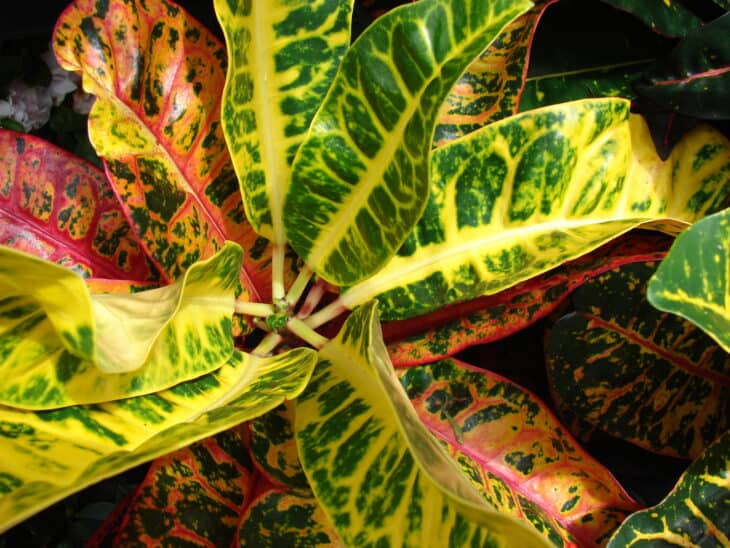
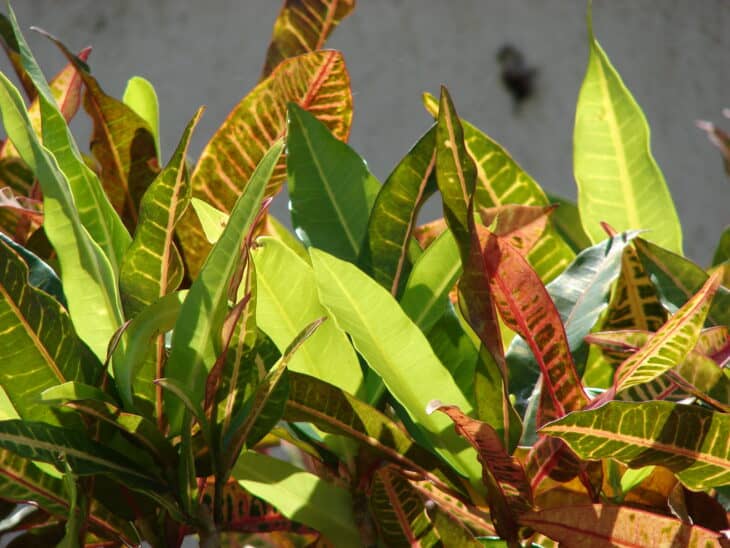
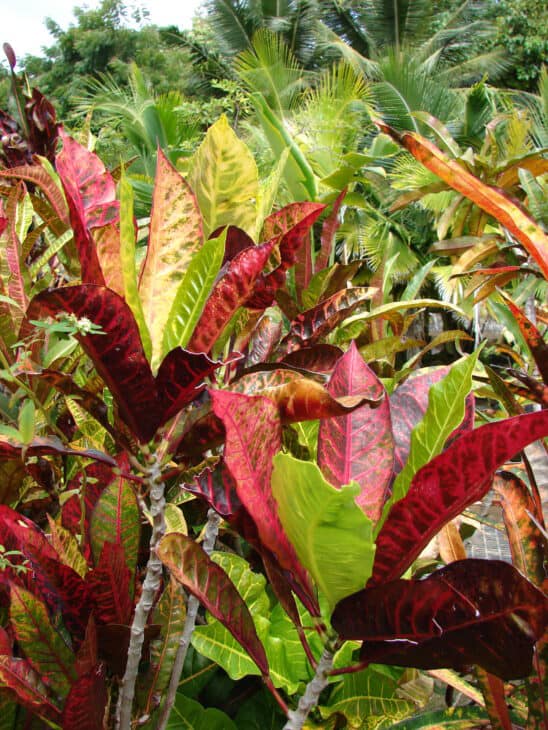
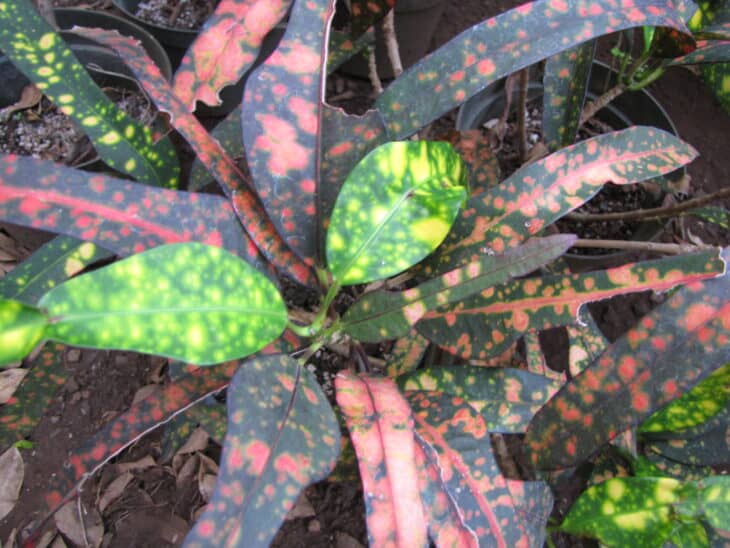
- Leaves are thick and highly variegated in reds, yellows, oranges, and greens.
- Performs best with bright light or full sun for strongest leaf color.
- Prefers a rich, well drained growing medium and regular moisture without waterlogging.
- Commonly propagated by stem cuttings or air layering.
- Flowers are small and not a primary feature of the plant in cultivation.
- Toxic if ingested and sap may irritate skin and eyes.
Croton (Codiaeum variegatum) is a tropical evergreen grown for bold, highly variegated foliage in reds, yellows, oranges and greens. Gardeners use it as a dramatic container houseplant in cool climates and as an outdoor ornamental shrub where frost does not occur.
Identification
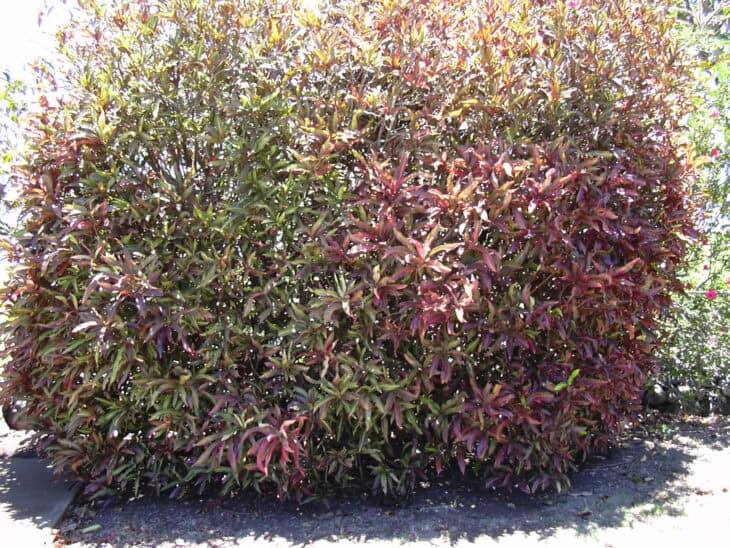
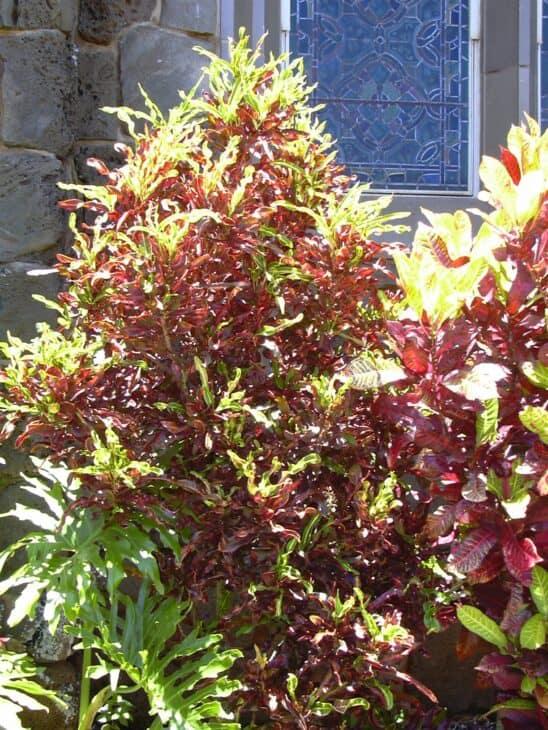
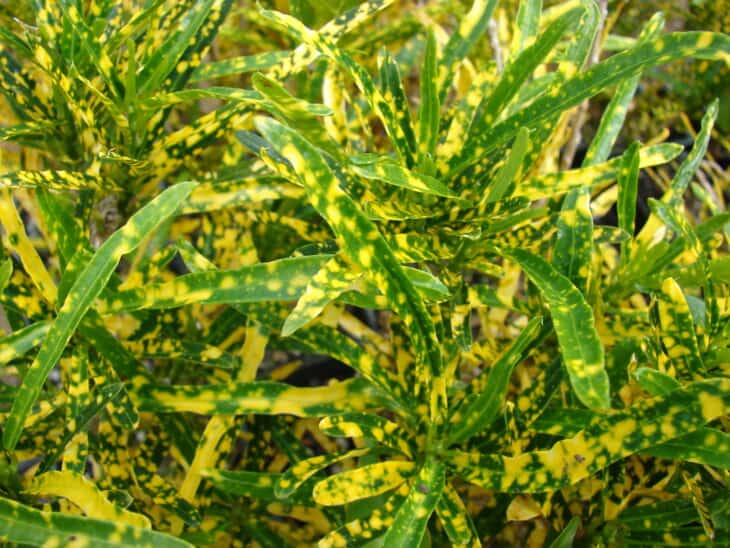
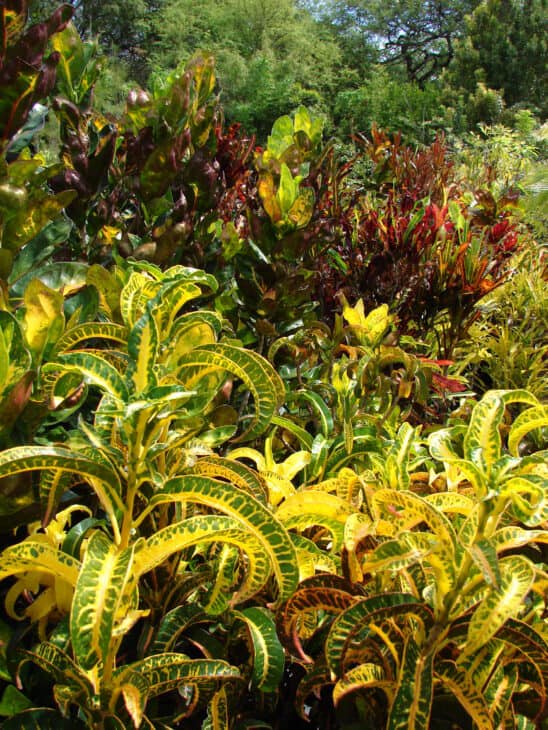
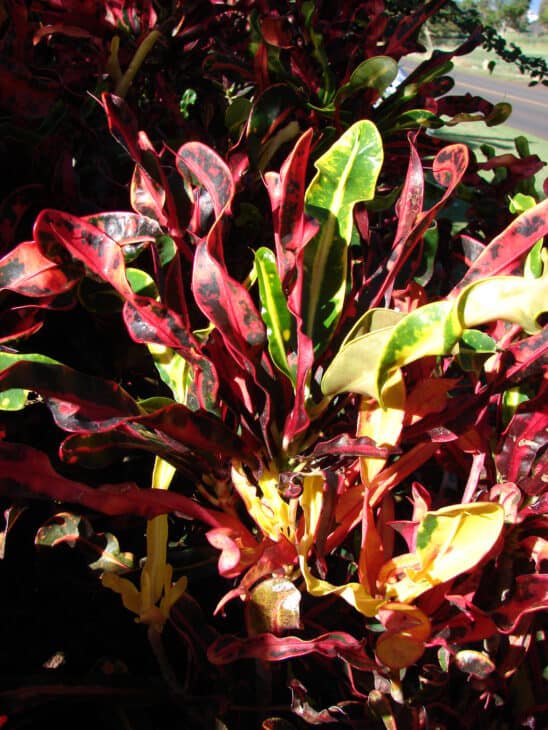
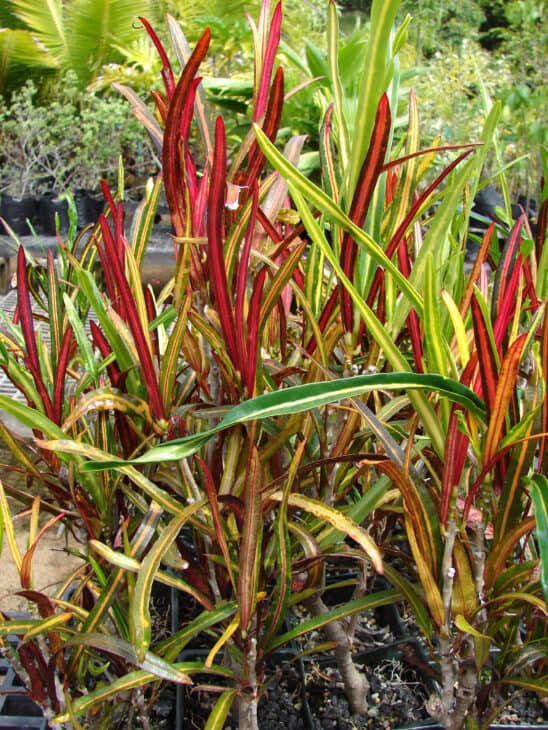
Croton is recognized by thick, leathery leaves with strong variegation and color contrast. Mature plants range widely by cultivar from about 2 to 10 ft tall with a spread commonly between 2 and 8 ft. Flowers are small and insignificant and are not relied on for garden interest.
Where to grow and best uses
Use croton as a potted specimen indoors or as a colorful shrub in frost free landscapes. It is generally suitable outdoors in USDA zones 10 to 11 and will remain evergreen and larger where winters are warm. In cooler areas keep crotons indoors or provide winter protection to avoid dieback.
Planting and spacing
Plant croton in a rich, well drained location and space specimens according to mature spread, typically 2 to 8 ft apart depending on cultivar and desired canopy. For container culture choose a pot large enough to allow roots to fill the mix without becoming waterlogged. Avoid planting where soil stays saturated.
Light and watering
Bright light to full sun produces the strongest leaf colors outdoors; indoors provide bright, indirect light. Keep the growing medium evenly moist but never waterlogged. Poor drainage or prolonged wet soil leads to root rot and leaf drop while low light causes dulling and loss of variegation.
Soil and feeding
Croton prefers a fertile, well drained potting mix or garden loam that holds some moisture yet sheds excess water. Regular moisture supports foliage, but soils that remain soggy encourage root diseases and leaf loss. Adjust feeding by cultivar and container size, monitoring growth rather than following a strict schedule.
Containers and indoor care
Indoors crotons perform best in bright, indirect light and with consistent moisture. Size is commonly controlled by pot size and pruning, so keep roots slightly constrained to limit top growth if space is needed. Move container plants outdoors in warm months for stronger color if local conditions allow.
Propagation and maintenance
Propagate commonly by stem cuttings or air layering; seed propagation is uncommon for most cultivars. Pruning maintains shape, removes leggy stems and controls spread. Success of cuttings and layering varies by cultivar and season, so use humidity and rooting aids where recommended.
After flowering and pruning
Flowers are insignificant and rarely affect care. Focus maintenance on foliage health by removing damaged leaves and selectively pruning to shape or reduce size. Controlling vigor with pruning and container limits prevents croton from overrunning nearby plants in garden beds.
Toxicity and safety
Croton is toxic if ingested and the milky sap can irritate skin and eyes. Keep plants out of reach of children and pets and wear eye and skin protection when pruning. For any suspected ingestion or significant exposure contact a poison control center or veterinarian promptly.
Frequently asked questions
- How fast does Croton grow?
- Growth rate varies by cultivar, light and water. In warm frost free climates croton can reach its mature height range of about 2 to 10 ft. Indoor specimens are often slower and are commonly kept smaller by pruning and pot size.
- Is Croton suitable as a houseplant?
- Yes. Croton is commonly grown indoors where it receives bright indirect light and even moisture. Indoor plants often display less vigor but remain valued for colorful foliage.
- How do I propagate Croton?
- Propagate by stem cuttings or air layering. Seed propagation is uncommon for most cultivars and less often used by home gardeners.
- Why are Croton leaves losing color?
- Loss of variegation or dull leaves usually indicates insufficient light. Low light or deep shade reduces the bright reds and yellows; increase light gradually while avoiding harsh midday sun in very hot climates.
- Are Crotons poisonous to pets?
- Yes. Croton is toxic to dogs and cats if ingested and sap may cause skin or eye irritation. Keep plants away from pets and seek veterinary advice if exposure occurs.
Gallery
Related Plants