
Key Facts
- Native to the southeastern United States.
- Semi evergreen in mild climates and deciduous in colder areas.
- Commonly 40–60 ft (12–18 m) tall with a similar spread.
- Produces acorns that mature on a 1 to 2 year cycle and ripen in fall.
- Prefers moist, acidic soils and tolerates poorly drained sites.
- Performs best in full sun but tolerates light shade.
- Can be propagated from seed and is commonly grown from nursery stock.
- Acorns and foliage contain tannins and can be toxic to livestock in quantity.
Laurel Oak (Quercus laurifolia) is a fast-growing southeastern US oak used as a landscape shade tree, valued for a broad crown and tolerance of moist soils. It can be semi evergreen in warm coastal areas and deciduous in colder inland sites, so habit varies with climate.
Identification
Laurel Oak typically reaches 40 to 60 feet tall with a similar canopy spread, forming a broad crown in open sites. It blooms in spring with inconspicuous male catkins and produces acorns that ripen in fall on a one to two year cycle.
Where to grow and best uses
Native to the southeastern United States and commonly grown in USDA zones 7 through 9, this oak makes a reliable shade tree for parks, streetscapes and large yards. It performs best in full sun but will tolerate light shade and stands up to wet, acidic or poorly drained soils.
Planting and spacing
Give mature trees room to spread by spacing plantings roughly the tree’s mature canopy apart, typically 40 to 60 feet in landscape layouts. Sow acorns in autumn for seedlings or buy nursery stock for predictable form; acorns are best sown fresh or after appropriate cold stratification.
Soil water and light
Laurel Oak prefers moist, acidic soils and tolerates clay or poorly drained sites while adapting to sandy soils if moisture is consistent. Full sun produces the best form and growth; light shade is tolerated but may reduce canopy development.
Care and maintenance
Minimal routine care is required once established but avoid compacted, poorly drained urban soils that can limit root development and cause decline. Prune young trees for a strong central leader and remove crowded limbs to maintain structure; expect slower growth and possible winter dieback near the cold range limit.
Propagation
Propagate by seed from acorns collected in fall, sowing fresh or after cold stratification. Nursery-grown trees are commonly used for landscapes and grafting is occasionally employed for named cultivars. Seedlings establish fastest in moist, well drained planting holes with room for roots to expand.
Toxicity and wildlife
Leaves and acorns contain tannins that can cause gastrointestinal and kidney problems in livestock after heavy ingestion; pets may be at risk if they eat large numbers of acorns. Wildlife eat acorns and seedlings may appear under mature trees requiring occasional cleanup.
Frequently asked questions
- How fast does Laurel Oak grow?
- Growth rate varies by site but it often grows moderately to quickly in warm, moist conditions and more slowly near the cold edge of its range.
- Is Laurel Oak evergreen?
- Habit varies with climate. It is semi evergreen in mild coastal areas and deciduous in colder inland sites.
- When do acorns ripen?
- Acorns typically ripen in fall and may mature on a one to two year cycle depending on climate.
- Can I plant Laurel Oak in wet soil?
- Yes. It tolerates poorly drained and clay sites and is commonly found on bottomlands, though long term compaction can reduce root health.
- Is it safe around livestock and pets?
- Acorns and fresh foliage contain tannins that can be toxic in quantity. Consult local extension or a veterinarian for species specific risk and clinical signs.
Related Plants


Mentioned In (9)
Trees
16 Evergreen Trees in Georgia
Georgia is home to over 100 species of evergreen trees, some more common than others. The most popular tree in…
Trees
33 Most Common Trees in Virginia
Let's have a look at the 33 most common trees in Virginia. Which of the names of these tree species…

Oak
21 Grand Types of Oak Trees in Mississippi
Do you wish to grow Oak Trees in your home garden? Well, you will be pleased to know that Mississippi…
Oak
22 Types of Oak Trees in Alabama
The fact that Alabama has a lot of trees shouldn’t be a surprise to anyone. After all, nearly 70% of…
Oak
8 Common Types of Oak Trees in Louisiana
Louisiana’s warm weather means that there are lots of plants and trees in the state and you can even see…

Oak
15 Types of Oak Trees in North Carolina
There are hundreds of species of trees in North Carolina, in part because there are mountains on one side of…
Oak
13 Types of Oak Trees in South Carolina
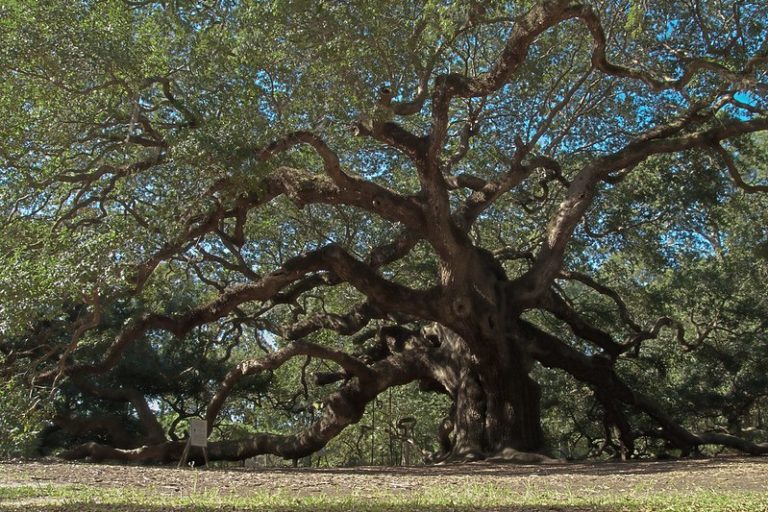
Not only is South Carolina home to tons of species of trees, but it also contains some of the largest…
Oak
17 Great Types of Oak Trees in Georgia
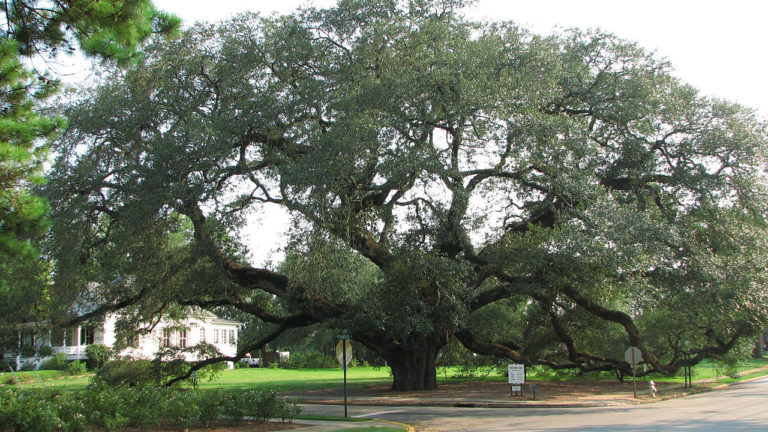
That states like Georgia have a lot of trees should be no surprise to anyone. Because of its mild climate,…

Oak
76 Types of Oak Trees in North America (foliage photos)
Because of all the forests in North America, you can find just about every tree you can think of if…