
Key Facts
- Deciduous small to medium ornamental maple.
- Native to parts of China and used widely as a landscape tree.
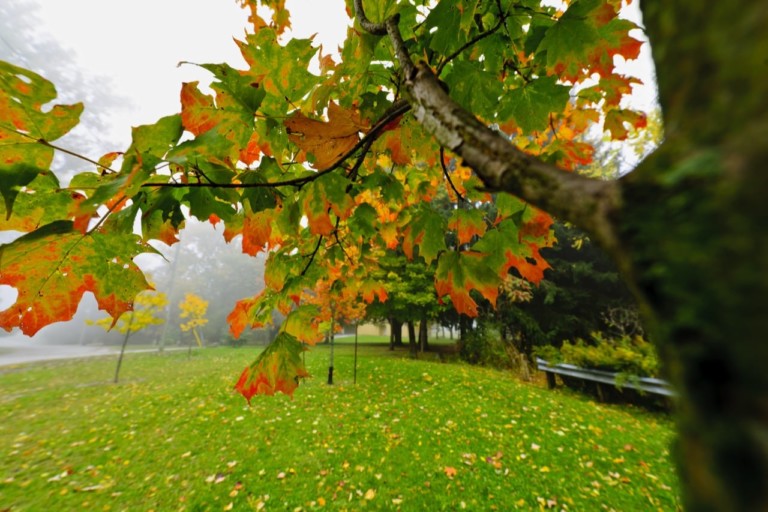
- Valued for showy fall color.
- Produces paired winged samaras in late spring or early summer.
- Tolerates urban conditions including city streets and moderate drought once established.
- Prefers well drained soils and does not tolerate prolonged waterlogging.
- Commonly propagated by seed or grafting for named cultivars.
- Used as a street tree and in mixed medium sized shade plantings.
Shantung Maple (Acer truncatum) is a small to medium deciduous ornamental prized for showy fall color and good performance in urban settings. It produces paired winged samaras in late spring to early summer and is commonly used as a street tree, specimen, or in mixed medium sized shade plantings.
Identification
Shantung Maple grows to roughly 20 to 30 feet with a rounded crown and deciduous habit. Leaves turn notable colors in autumn and small spring flowers are followed by paired winged samaras. The species is native to parts of China and is grown widely in temperate landscapes for seasonal interest.
Where to grow and best uses
Use Shantung Maple as a street tree, small shade tree, or specimen in medium sized yards where a 20 to 30 foot tree fits. It tolerates city streets and moderate drought once established and performs in USDA zones 4 through 8. In warmer climates fall color and heat tolerance can be reduced.
Soil and light
Plant in well drained loam or average garden soil for best vigor; the species tolerates some clay but does not do well in waterlogged sites where root decline occurs. Provide full sun for the brightest autumn color or light shade in hot regions to protect foliage from afternoon heat.
Planting and watering
Keep young trees watered regularly during the establishment year to encourage a strong root system; once established the tree tolerates moderate drought. Avoid sites with prolonged poor drainage because standing water leads to root decline and reduced growth. Paired samaras drop after flowering in late spring and early summer.
Maintenance and propagation
Shantung Maple requires only moderate maintenance. Remove competing suckers or unwanted seedlings to control spread if volunteers appear from samaras. Named cultivars are commonly propagated by grafting or budding while seed propagation is used for species-level plants; cuttings have variable success.
After flowering and controlling spread
Flowers are followed by winged samaras which can lead to volunteer seedlings in landscaped beds. Rake or mulch beneath trees to reduce seedling establishment and remove young volunteers before they establish. Light pruning to maintain form and clear branches from buildings or sidewalks keeps urban specimens safe and tidy.
Frequently asked questions
- How fast does Shantung Maple grow?
- Growth is generally moderate and the tree commonly reaches a mature height near 20 to 30 feet over years rather than decades; actual pace varies with site, soil and cultivar.
- Is Shantung Maple a good street tree?
- Yes. It tolerates urban conditions including city streets and moderate drought once established and fits well where a medium sized shade tree is desired.
- Does it tolerate drought?
- Once established it tolerates moderate drought but young trees need regular watering. Avoid planting where soils remain waterlogged to prevent root decline.
- Will samaras cause unwanted seedlings?
- Paired winged samaras drop in late spring and early summer and can produce volunteers. Remove seedlings or use mulch to reduce naturalizing in beds.
- Is Shantung Maple safe for pets and livestock?
- Toxicity reports vary by species and region. Confirm species specific risks with local poison control or veterinary sources before assuming safety for pets or livestock.
Related Plants


Mentioned In (2)
Maple
2 Common Types of Maple Trees in Oklahoma
Looking for a way to create an atmosphere of relaxation and serenity in your home garden in Oklahoma? There's no…

Maple
42 Common Types of maple trees Growing in the USA (photos)
Maple trees are quite common in the United States, so regardless of which state you visit, it’s very likely you’ll…