
Key Facts
- Deciduous small tree or large shrub native to central and southern North America.
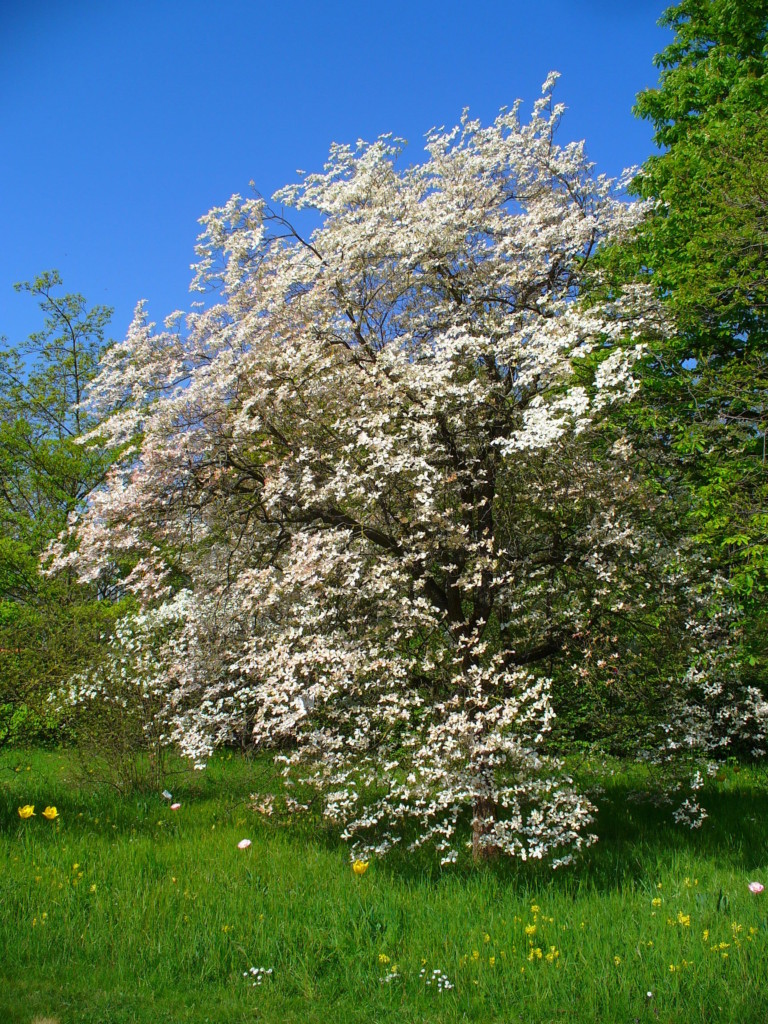
- Showy clusters of small white flowers in spring.
- Rounded yellow to brown fruits contain saponins and were used as soap.
- Tolerant of drought and poor soils once established.
- Plants regenerate by seed and can send up root suckers.
- Valuable for wildlife including birds that eat the fruit.
- Performs best in well drained soils and full sun to part shade.
Soapberry (Sapindus drummondii) is a native deciduous shrub or small tree with spring clusters of white flowers and rounded yellow to brown fruits that contain soaplike saponins. It tolerates dry, rocky soils and is suited to low maintenance native plantings and wildlife gardens while requiring space because it can spread by suckers.
Identification
Soapberry typically grows 15 to 30 feet tall and about the same wide with a rounded form. Leaves are compound and trees produce showy clusters of small white flowers in spring. Fruits ripen to yellow or brown and are rounded and distinctive because of the saponin content that gives them a soaplike quality.
Where to grow and best uses
Grows best in full sun to part shade on well drained soils and tolerates dry, rocky and alkaline sites. Use as a specimen tree in native landscapes, a small street tree where roots have room, or in wildlife plantings since birds feed on the fruit. Best performance occurs in USDA zones 69.
Planting timing and spacing
Choose a planting site with good drainage and room to reach 15 to 30 feet across. Space plants roughly the mature spread apart to avoid crowding and to reduce suckering into lawns or beds. Install so the root crown sits at soil level and mulch the planting area to conserve moisture while roots establish.
Watering and establishment
Soapberry is drought tolerant once established but needs regular watering during the first year so roots develop. Poor drainage can stress roots and reduce vigor which may show as thin foliage and dieback. After establishment reduce supplemental irrigation and allow the soil to dry between waterings for best long term health.
After flowering care and pruning
After flowering remove crossing or dead wood and thin crowded branches to maintain shape and air flow. Prune suckers and unwanted basal shoots as they appear to limit spread. Light corrective pruning can be done in late winter while heavier shaping should avoid cutting into mature wood that flowers in spring.
Controlling spread and naturalizing
Soapberry reproduces by seed and can send up root suckers so monitor surrounding beds and turf. Remove new shoots at the base to prevent thickets. Where necessary install physical root barriers or regularly mow seedlings before they set seed to limit naturalizing in small landscapes.
Propagation
Propagate by seed or by removing and replanting root suckers. Fresh seed or scarified seed germinates more readily according to propagation references. Specific treatments such as cold stratification vary by region so consult local extension or propagation guides for best results in your climate.
Wildlife value and toxicity
Fruits attract birds and contribute wildlife value in native plantings. The fruits contain saponins which act as a soap and can cause gastrointestinal upset if ingested and may irritate skin in sensitive people. Confirm pet and livestock safety with an authoritative poison control or extension source before advising on use around animals.
Frequently asked questions
- How fast does Soapberry grow?
- Growth rate varies with site and climate. In favorable, well drained sites plants commonly reach their typical mature size of 15 to 30 feet over time at a moderate pace.
- When does Soapberry bloom?
- Soapberry blooms in spring with flowers typically appearing from April to June depending on local climate and latitude.
- Are the fruits safe for pets and people?
- Fruits contain saponins that were used historically as soap and can cause gastrointestinal upset or skin irritation. Check an authoritative poison control or extension source for specific pet and livestock guidance.
- Will Soapberry sucker and become invasive?
- Plants can send up root suckers and reproduce by seed so they can naturalize in favorable sites. Regular removal of suckers and monitoring stops unwanted spread in small landscapes.
- Is Soapberry drought tolerant?
- Yes it is tolerant of drought and poor soils once established. Provide regular water while the plant is establishing to ensure good root development.
Related Plants


Mentioned In (2)
Trees
26 Most Common Trees in Oklahoma
The state of Oklahoma has many different ecoregions, including spruce-fir forests in the mountains, mesophytic forests in the eastern highlands,…

Trees
17 Best Flowering Trees For Oklahoma Yards
Are you planning to beautify your garden with some spectacular flowering trees in Oklahoma? Well, you’re in luck! The Sooner…