
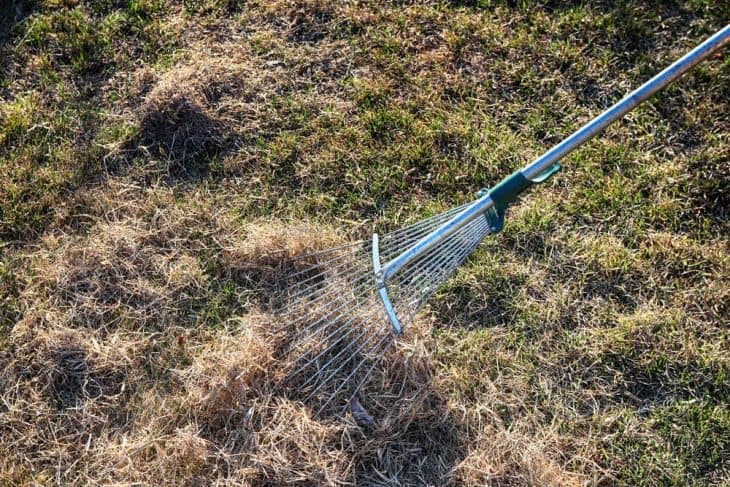
Dethatching is one of the most important, yet often overlooked, lawn care practices that can transform the health and appearance of your grass. When done at the right time and for the right reasons, removing excess thatch allows water, air, and nutrients to reach the soil, resulting in a thicker, greener, and more resilient lawn.
Contents
What Is Thatch and Why Does It Matter?
Thatch is the layer of living and dead organic matter that accumulates between the green grass blades and the soil surface. It consists of grass stems, roots, stolons, rhizomes, and crowns—not grass clippings, which decompose quickly.
A thin layer of thatch (about ¼ to ½ inch) is actually beneficial. It insulates the soil, reduces water evaporation, cushions the turf, and protects grass crowns from temperature extremes. However, when thatch exceeds ½ to ¾ inch in thickness, it becomes a barrier that prevents essential resources from reaching the roots and creates an environment where pests, disease, and shallow root systems thrive.
What Is Dethatching?
Dethatching is the process of mechanically removing the excess thatch layer using a specialized rake, dethatching machine, or power rake. The equipment uses vertical blades or tines to slice through the thatch and pull it to the surface, where it can be raked up and removed.
Dethatching is typically performed in late spring or early fall when grass is actively growing and can recover quickly. It’s most necessary for lawns with thick thatch buildup, often caused by overfertilization, overwatering, infrequent mowing, soil compaction, or certain grass types that naturally produce more thatch, such as Kentucky bluegrass and Bermuda grass.

Key Benefits of Dethatching Your Lawn
Improves Water Penetration
Thick thatch acts like a sponge, absorbing water before it can reach the soil and grass roots. This leads to shallow watering, weak root development, and increased drought stress. Dethatching opens up the soil surface, allowing water to penetrate deeply and encouraging roots to grow downward where they can access moisture and nutrients more effectively.
Enhances Air Circulation and Oxygen Availability
Grass roots, soil microbes, and beneficial organisms all need oxygen to function properly. A dense thatch layer restricts airflow to the soil, creating anaerobic conditions that promote disease and root rot. Removing excess thatch improves gas exchange and supports a healthier soil ecosystem.
Increases Nutrient Uptake
When thatch builds up, fertilizers and soil amendments sit on top of the organic layer rather than reaching the soil and root zone. This wastes fertilizer and leaves grass nutrient-deficient despite regular feeding. Dethatching ensures that nutrients are delivered where they’re needed most, improving grass color, density, and vigor.
Reduces Disease and Pest Problems
Thick thatch retains moisture and creates a humid microclimate that encourages fungal diseases such as brown patch, dollar spot, and snow mold. It also provides habitat for lawn pests like chinch bugs and grubs. By reducing thatch, you create a less favorable environment for these problems and improve overall turf resilience.
Promotes Deeper, Stronger Root Growth
Grass growing in thick thatch often develops shallow roots within the thatch layer instead of extending into the soil. These shallow roots make the lawn more vulnerable to heat, drought, and wear. Dethatching encourages roots to grow deeper into the soil, resulting in a more drought-tolerant and durable lawn.

Improves Lawn Appearance and Uniformity
Excessive thatch creates an uneven, spongy surface that results in scalping during mowing and an inconsistent lawn height. Dethatching levels the turf, making it easier to mow evenly and giving your lawn a smoother, more manicured appearance.
Boosts the Effectiveness of Overseeding and Aeration
If you’re planning to overseed or aerate your lawn, dethatching beforehand significantly improves results. Removing thatch allows grass seed to make direct contact with the soil, improving germination rates. It also ensures that aeration holes penetrate the soil rather than just punching through the thatch layer.
When Should You Dethatch Your Lawn?
Not every lawn needs dethatching every year. Check your thatch layer by removing a small wedge of turf and measuring the brown, spongy layer between the grass and soil. If it’s more than ½ inch thick, dethatching is warranted.
Timing depends on your grass type:
- Cool-season grasses (Kentucky bluegrass, perennial ryegrass, tall fescue): Dethatch in early fall or late spring when the grass is actively growing.
- Warm-season grasses (Bermuda grass, zoysia, St. Augustine): Dethatch in late spring to early summer after the grass has greened up and is growing vigorously.
Avoid dethatching during dormancy, extreme heat, or drought, as the lawn will struggle to recover.
How to Dethatch Your Lawn
For small lawns or light thatch, a manual dethatching rake can work. For larger lawns or thicker buildup, rent or purchase a power dethatcher (also called a vertical mower or power rake). Set the blades to cut into the thatch layer without damaging the soil, and make two passes in perpendicular directions.
After dethatching, rake up and remove the pulled thatch. Follow up with watering, fertilizing, and optionally overseeding to help the lawn recover quickly and fill in any bare spots.

How to Prevent Thatch Buildup
While some thatch is inevitable, you can minimize excessive buildup with good lawn care practices:
- Avoid overfertilizing, especially with high-nitrogen fertilizers
- Water deeply and infrequently rather than shallow and often
- Mow regularly and at the correct height for your grass type
- Aerate compacted soils annually to improve microbial activity and thatch decomposition
- Topdress with compost to introduce beneficial microbes that break down thatch naturally
- Maintain proper soil pH to support microbial health
Final Thoughts
Dethatching is a powerful tool for restoring lawn health when thatch has built up beyond beneficial levels. By improving water infiltration, nutrient availability, root development, and disease resistance, dethatching sets the stage for a lusher, more resilient lawn. While it’s not necessary every year, checking your thatch layer periodically and dethatching when needed will keep your turf in peak condition for years to come.


