
Key Facts
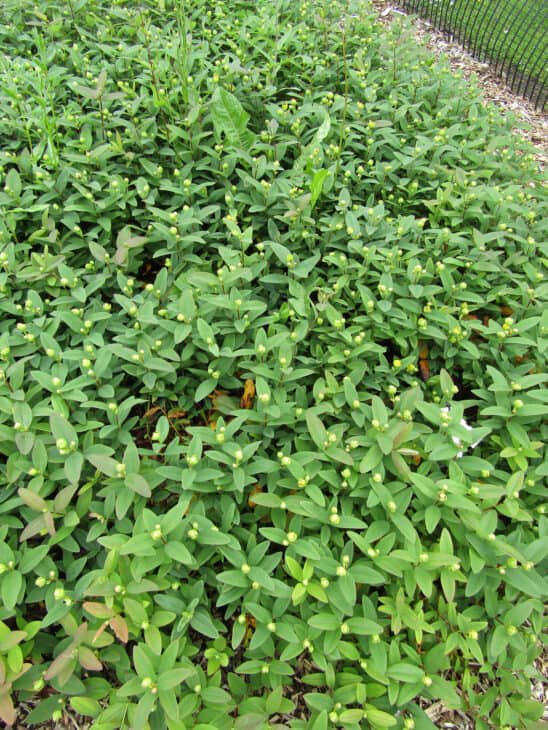
- Low growing evergreen to semi evergreen groundcover.
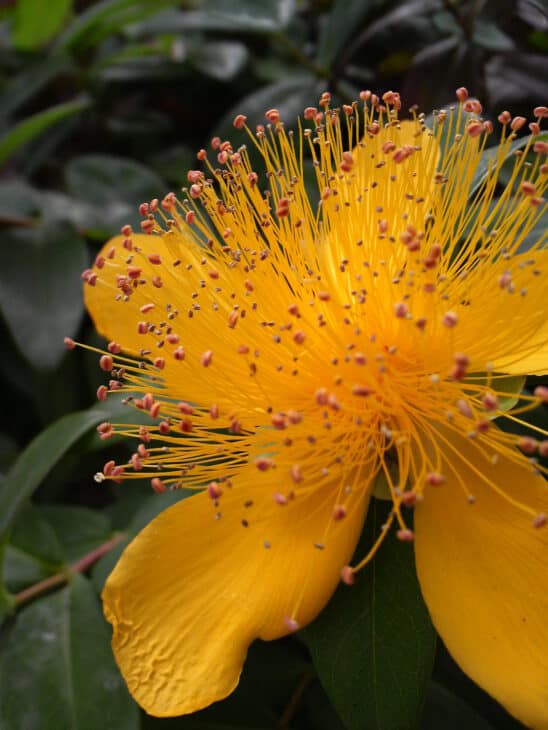
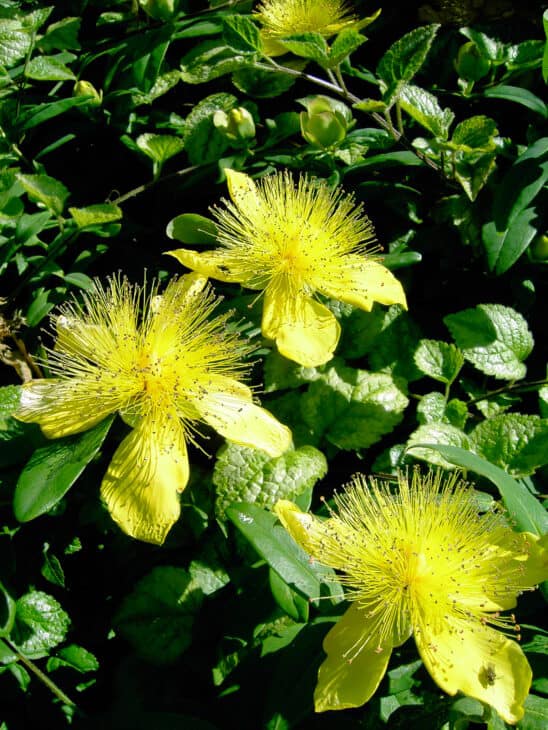
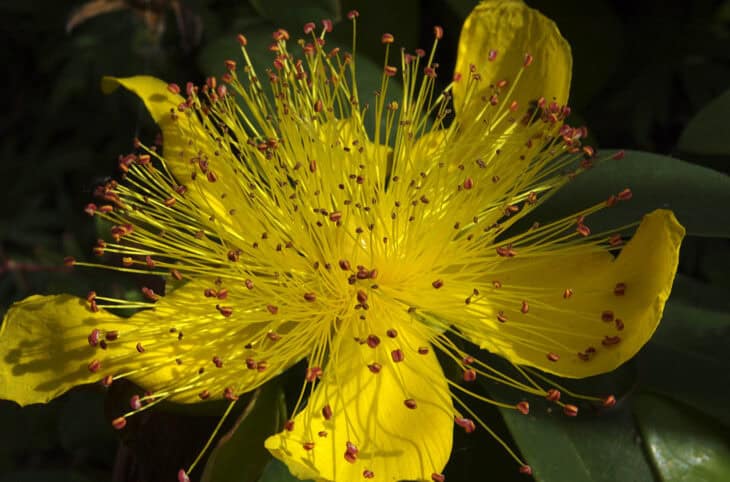
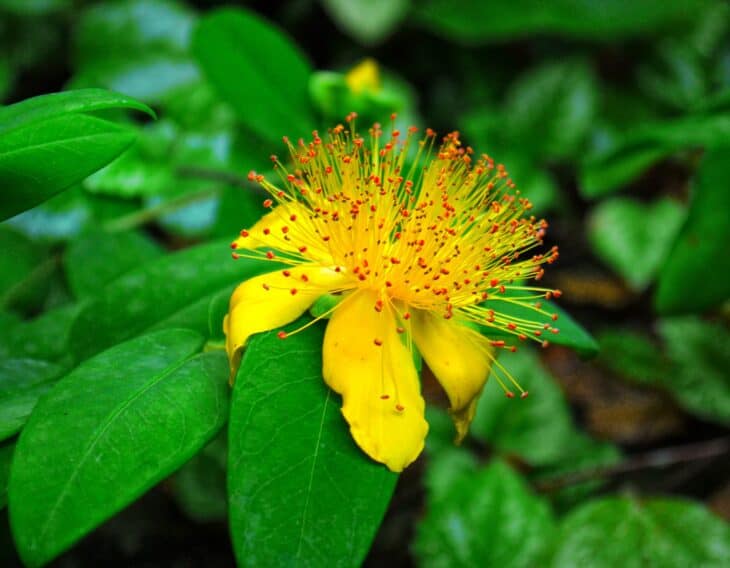
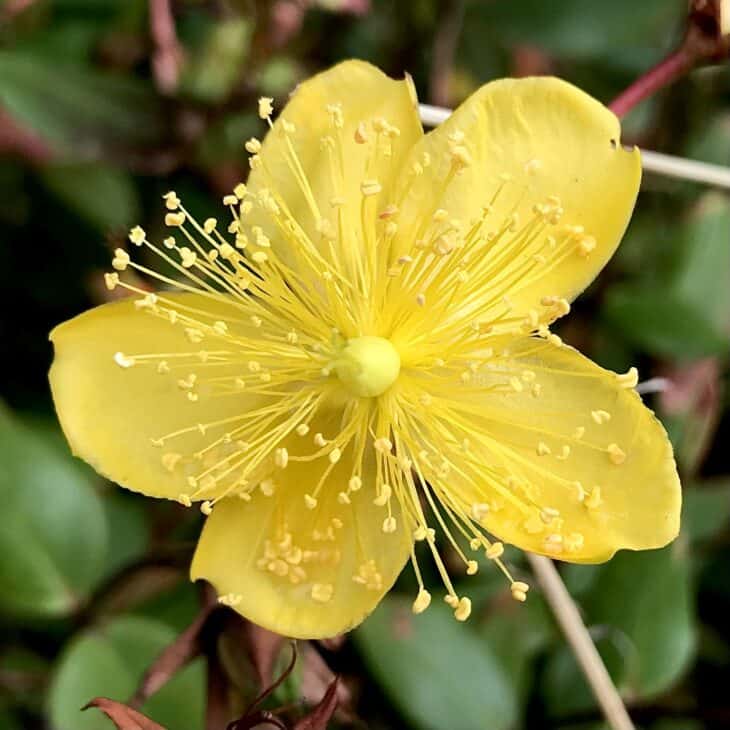
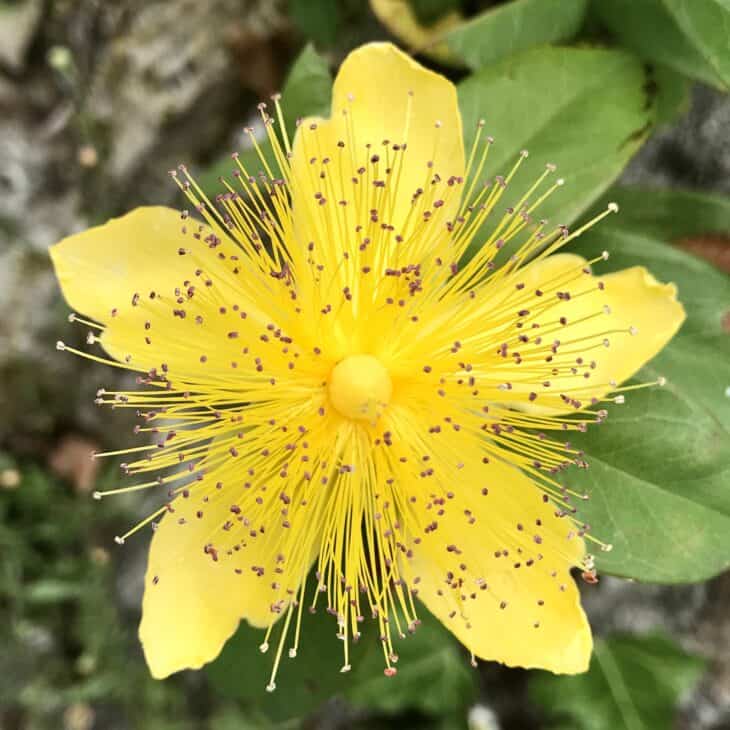
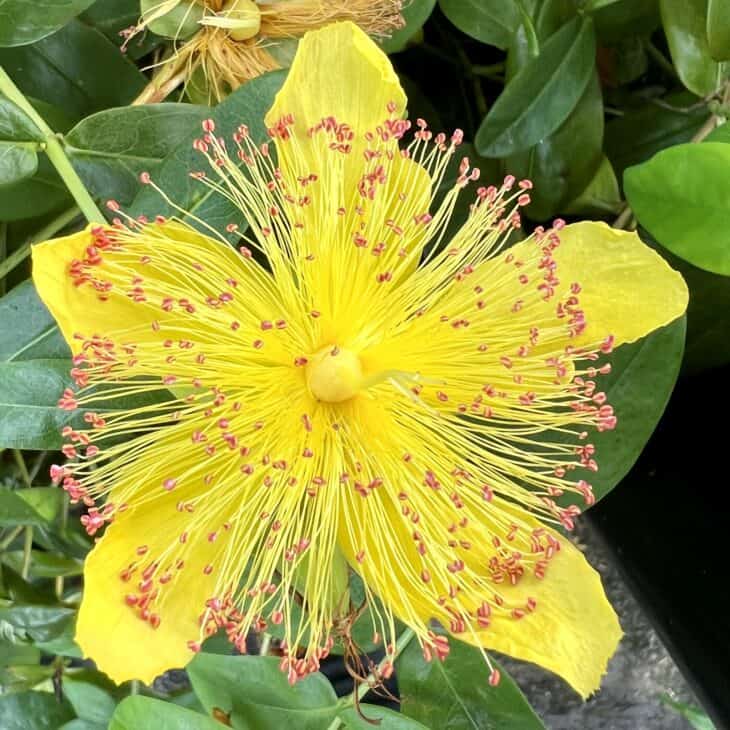
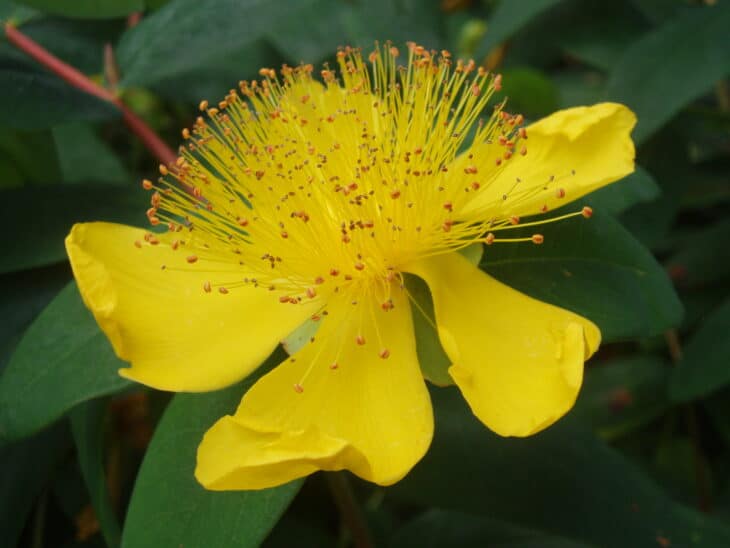
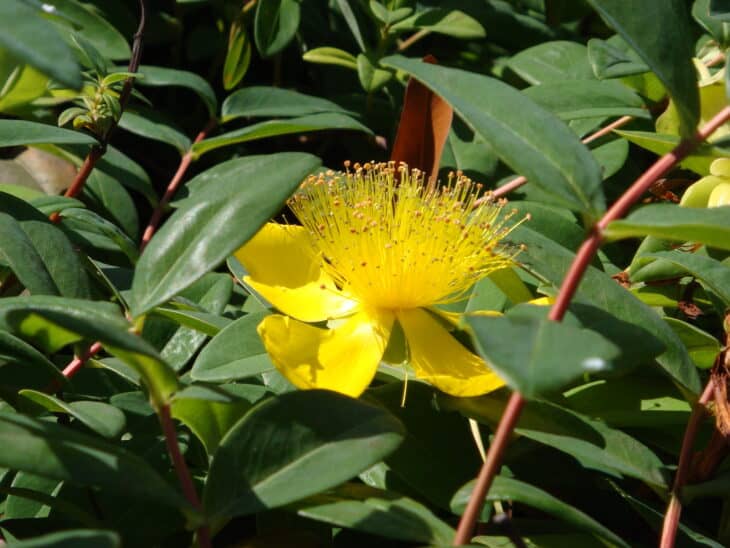
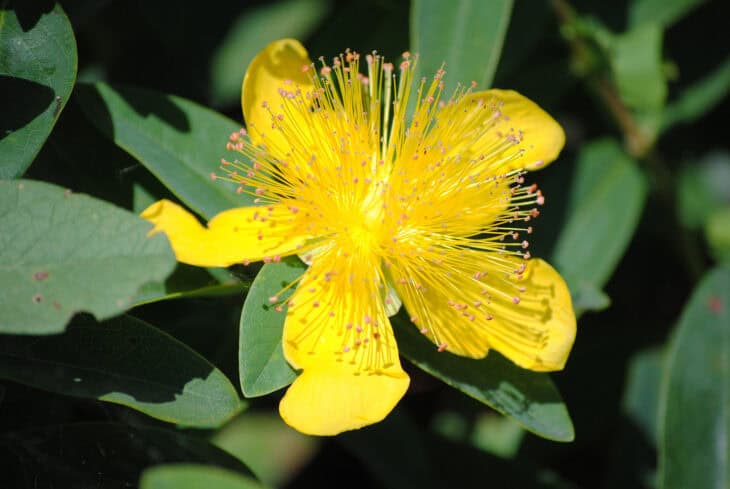
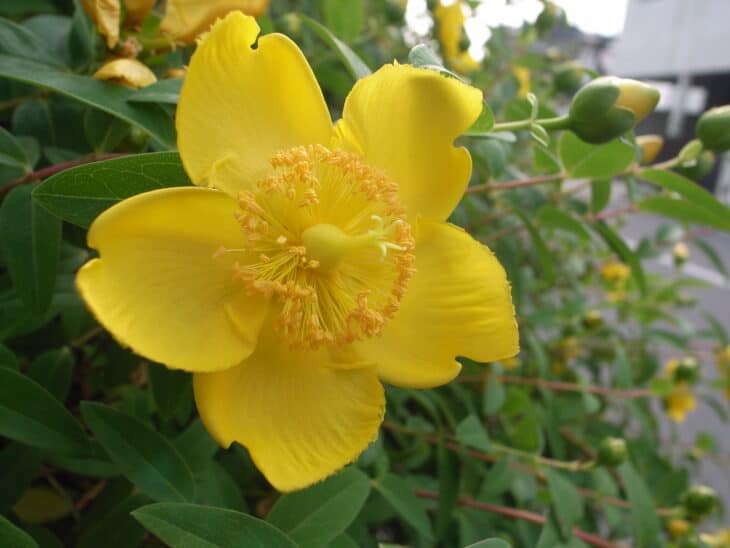
- Showy bright yellow flowers appear in summer.
- Spreads vigorously by rootstock and stolons to form mats.
- Tolerates a range of soils and is drought tolerant once established.
- Prefers well drained sites and can suffer in waterlogged soil.
- Works well for erosion control and slopes.
- Attracts pollinators such as bees.
- Can be aggressive in mild climates and may crowd out slower plants.
Aaron’s Beard is a low evergreen groundcover with bright yellow summer flowers that forms dense mats by creeping rootstock. It is prized for erosion control and easy care but can be vigorous and may crowd out slower plants in mild climates.
Identification
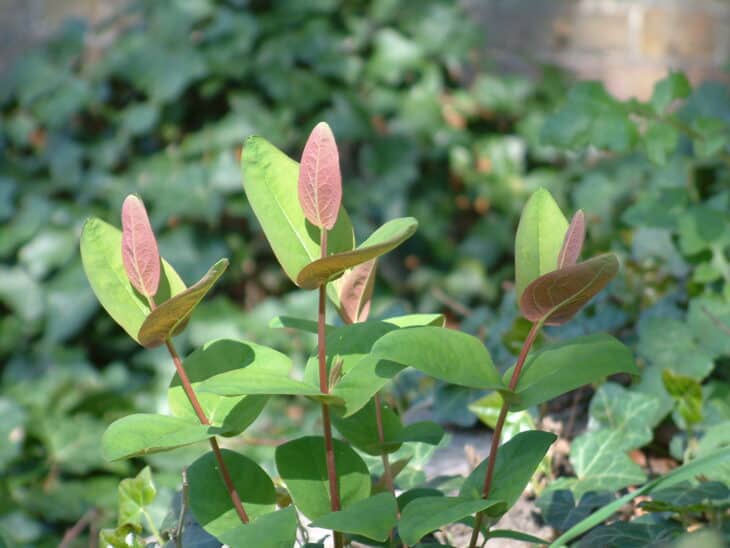
Aaron’s Beard grows about 12 to 18 inches tall with a spreading habit that forms mats three to six feet or more across. Leaves are evergreen to semi evergreen depending on winter severity. Showy bright yellow flowers appear in summer, typically from June through August in temperate northern climates.
Where to grow and best uses
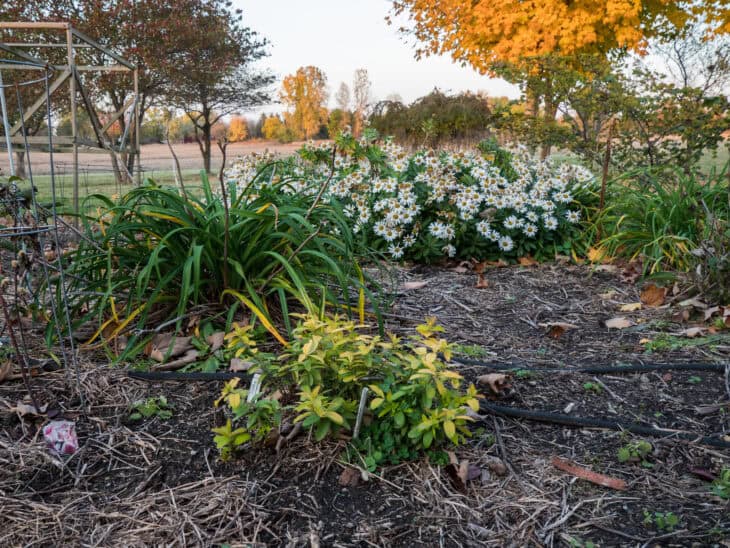
Use Aaron’s Beard as a groundcover for slopes, banks and underplanting where a low, floral carpet is desired. It attracts pollinators such as bees and tolerates a range of soil types. Avoid planting without control measures in mild regions where its vigorous spread can crowd out slower species.
Planting time and spacing
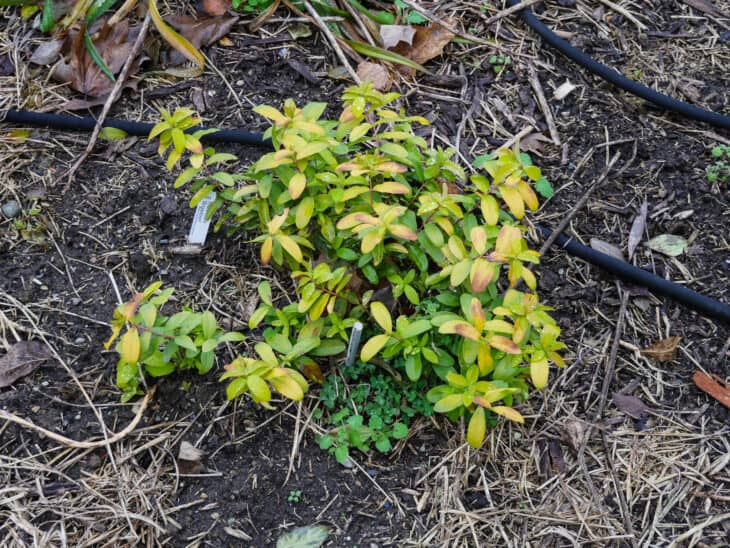
Plant or divide Aaron’s Beard in spring or autumn when soil is workable and roots establish before extremes of heat or cold. Space plants to allow eventual mats roughly three to six feet across so no replanting is needed to fill gaps. Provide finished soil gently firmed around roots and water in well.
Soil light and watering
Choose a well drained site in full sun to part shade for best flowering. The plant tolerates average to poor soils and becomes drought tolerant once established. Do not leave plants in waterlogged soil as poor drainage leads to decline. In hot, dry climates partial shade reduces heat stress and improves longevity.
After-flowering care and spread control
Manage vigor by trimming or shearing back after bloom to tidy the bed and check lateral stolons. Spread occurs by creeping rootstock and stolons so edging or periodic thinning may be needed in fertile sites. Colder zones reduce spread while warmer zones increase vigor and the potential to naturalize.
Propagation and maintenance
Propagate by division, layering or stem cuttings. Division is easiest in spring or autumn and semi ripe cuttings taken in summer root reliably. Routine maintenance is minimal once established aside from occasional trimming to keep mats within intended boundaries and to remove woody or congested growth.
Frequently asked questions
- How fast does Aaron’s Beard grow?
- It spreads vigorously by rootstock and stolons, forming mats three to six feet or more across over several seasons. Actual rate varies with climate, soil fertility and moisture.
- Is Aaron’s Beard invasive?
- It can be aggressive in mild climates and may crowd out slower plants. Check local invasive species lists and use edging or regular thinning where naturalizing is a concern.
- What are the hardiness zones for Aaron’s Beard?
- Common references place it in USDA zones 5 to 9. Colder zones may see some dieback and warmer zones may encourage more vigorous spread.
- When does it bloom?
- In many temperate northern areas it blooms in summer, typically June through August. Timing shifts with latitude and local climate.
- Is Aaron’s Beard toxic to pets or livestock?
- Related Hypericum species contain photosensitizing compounds that affect grazing livestock. Species specific risks for Hypericum calycinum are not well documented. Do not feed to animals and consult poison control or local extension for exposure guidance.
- How do I propagate it?
- Divide established mats in spring or autumn, take semi ripe cuttings in summer, or use layering to establish new plants.
Gallery
Related Plants


