
Key Facts
- Native to tropical regions of Africa.
- Evergreen small tree or large shrub in suitable climates.
- Produces true fig fruits on the branches.
- Contains a milky sap that can irritate skin.
- Propagated readily by cuttings and by air layering.
- Prefers fertile moist well drained soil.
- Fruit and flowering can occur year round in warm climates.
African Fig is an evergreen fig that grows as a small tree or large shrub and produces true fig fruits on its branches. The plant exudes a milky sap that can irritate skin and may be toxic to pets.
Identification
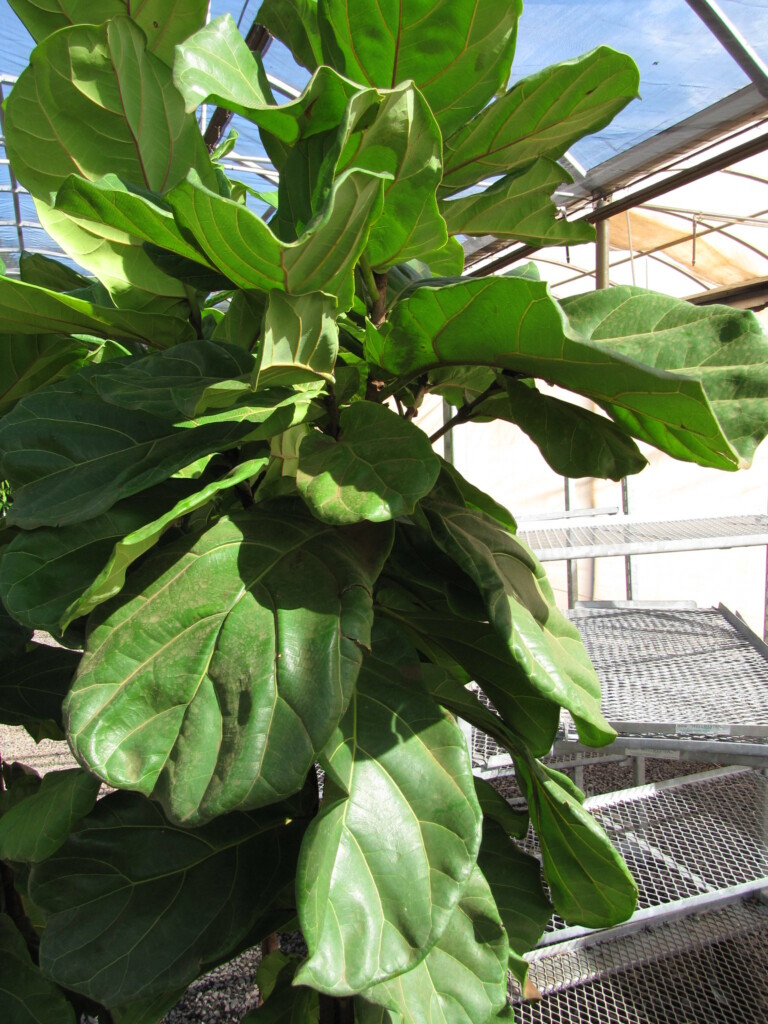
Evergreen small tree or large shrub reaching about 10 to 30 ft tall in landscape settings with a 6 to 20 ft spread depending on form and pruning. Produces true fig fruits on the branches and contains a milky latex that can cause contact irritation.
Where to grow and best uses
Grow in warm frost free sites in USDA zones 10 to 11 in the ground. In colder climates keep in containers and protect from frost or overwinter indoors. Use as a small specimen tree, informal screen or large container specimen; prune regularly if you need to limit size or spread.
Soil and light
Prefers fertile, moist, well drained soil such as loam to sandy loam and tolerates slightly acidic to neutral pH. Avoid waterlogged heavy clay. Plants fruit best with more sun but young specimens benefit from some protection; afternoon shade helps in very hot sites.
Planting and spacing
Plant after the risk of frost has passed in your area. Set the root ball level with the surrounding soil and backfill with native soil amended for drainage if needed. Space plants according to the mature spread you want to achieve, roughly 6 to 20 ft apart depending on form and pruning goals.
Watering and establishment
Keep soil evenly moist while plants establish. Poor drainage or waterlogged soil leads to root decline and dieback while dry stress shows as leaf drop and reduced growth. Mulch to conserve moisture but keep mulch away from the trunk flare.
Maintenance, pruning and after fruiting care
Prune to maintain size and shape and remove suckers or crossing branches. Remove fallen fruit to reduce pest attraction and clean up debris. Light structural pruning is best done during the dormant or less active growth period in your climate.
Propagation
Propagate reliably by softwood or semi woody cuttings and by air layering. Seed propagation from fresh figs is possible but less common for true to type plants.
Toxicity and handling
The milky sap can irritate skin so wear gloves when pruning or taking cuttings. Ficus species are reported as potentially toxic to cats and dogs if ingested and can cause oral irritation and gastrointestinal upset; consult poison control or veterinary advice for exposures.
Frequently asked questions
- How fast does African Fig grow?
- Growth rate varies by site and care. In warm frost free climates it commonly reaches the reported mature size of about 10 to 30 ft. Growth is often reduced in containers and with regular pruning.
- Is African Fig frost hardy?
- Not reliably. Suitable in ground in USDA zones 10 to 11. In colder zones grow in containers and protect from frost or move plants indoors for winter.
- Can I grow African Fig in a container?
- Yes. Use a free draining potting mix, a suitably sized container and provide winter protection in cold climates. Expect reduced ultimate size compared with plants in the ground.
- How do I propagate African Fig?
- Vegetative methods are best. Take softwood or semi woody cuttings or use air layering. Seed from fresh figs is possible but less commonly used in cultivation.
- Are the fruits edible?
- The species produces true fig fruits on the branches. Whether the fruits are palatable or used locally varies by region and should be confirmed with local sources before eating.
- Will the sap cause skin irritation?
- Yes. The milky latex can irritate sensitive skin. Wear gloves and wash exposed skin after handling.
Related Plants


Mentioned In (1)

Plants
9 Plants That Look Like Fiddle Leaf Fig
The fiddle leaf fig (Ficus lyrata) is one of the most popular houseplants for many homeowners since it has such…