
Key Facts
- Native to tropical and subtropical regions of Africa.
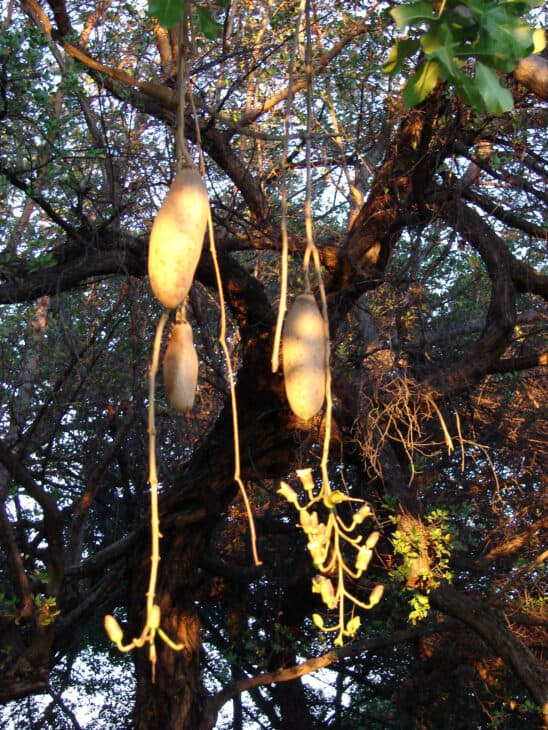
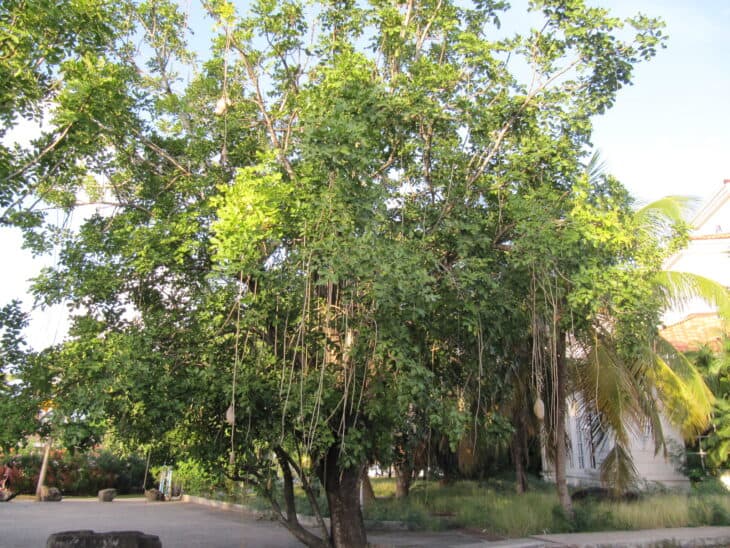
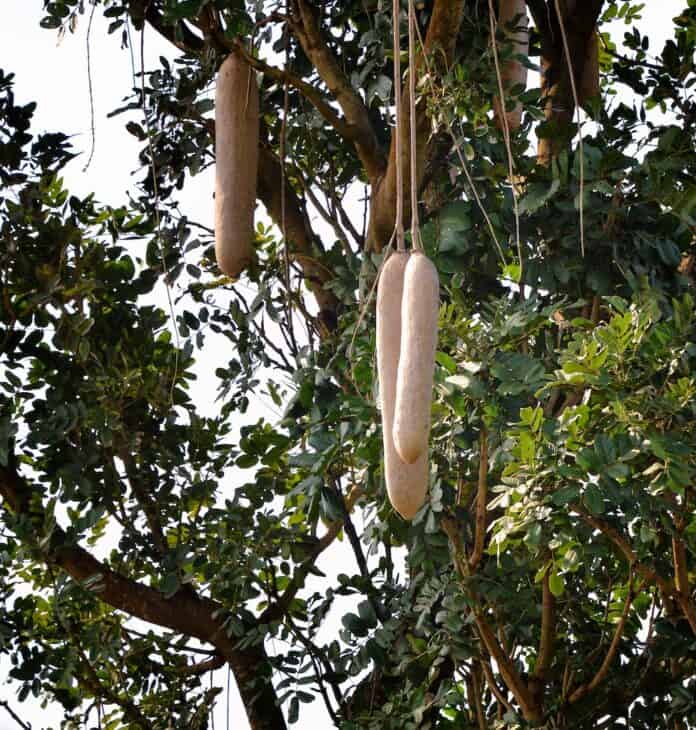
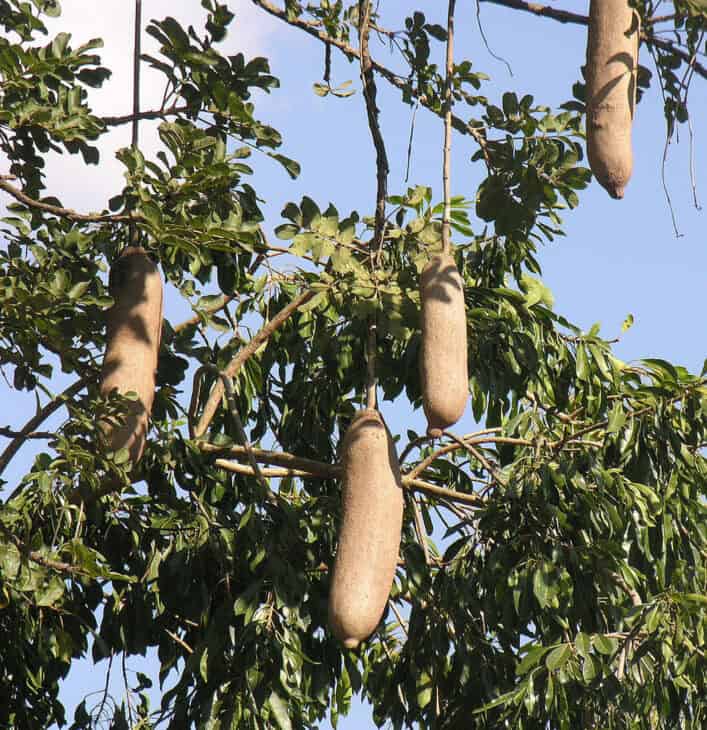
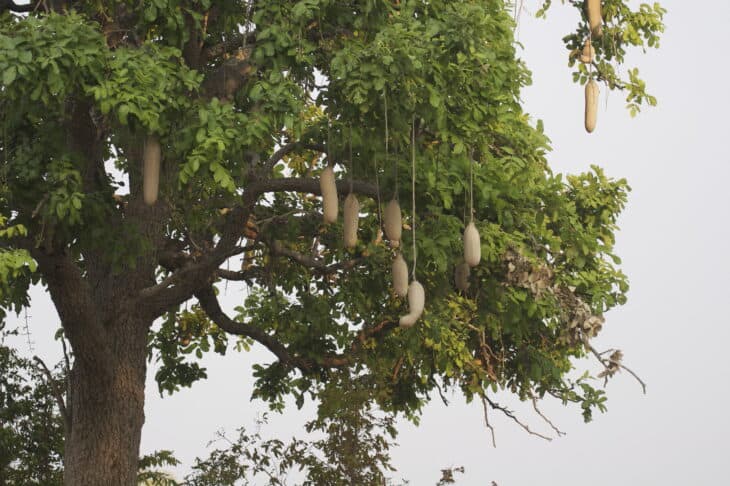
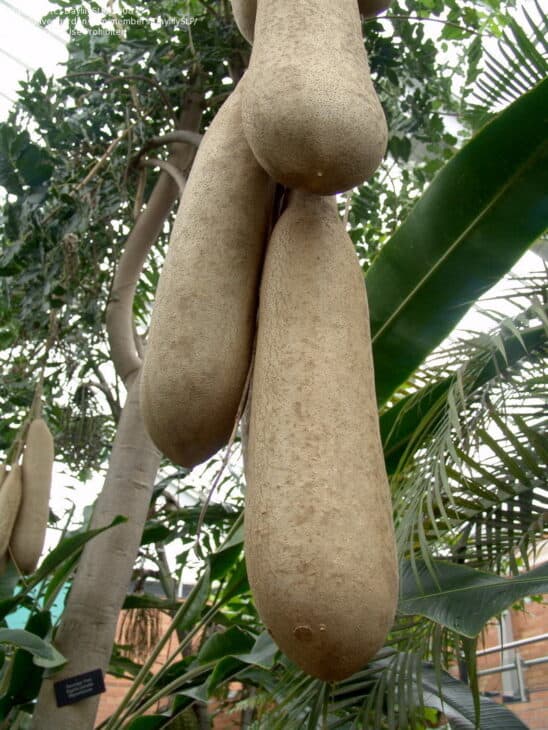
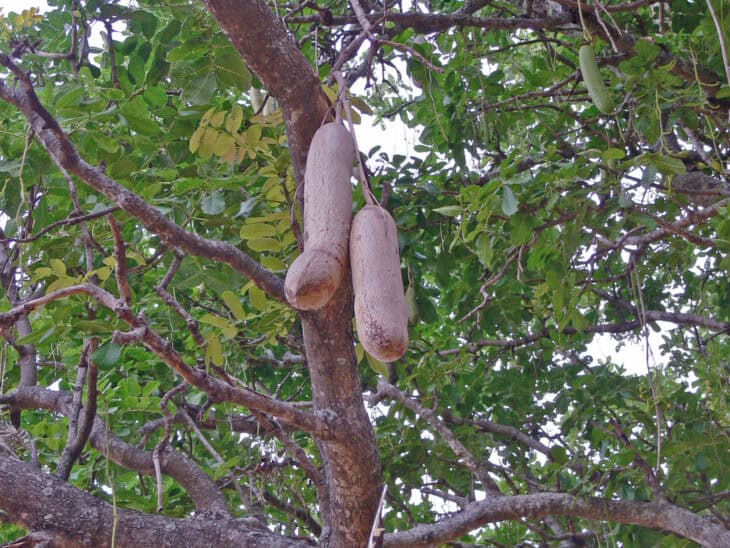
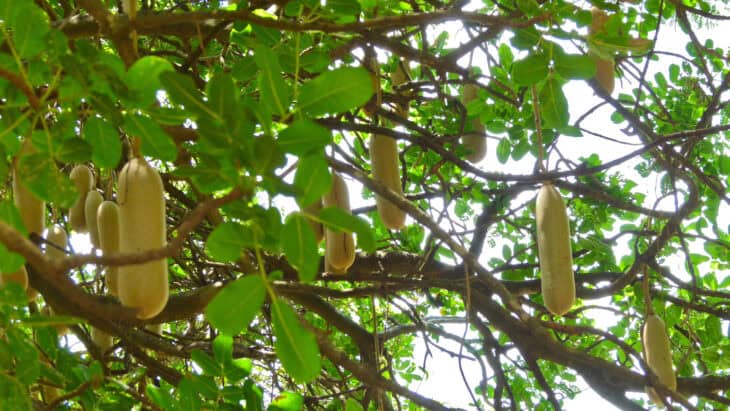
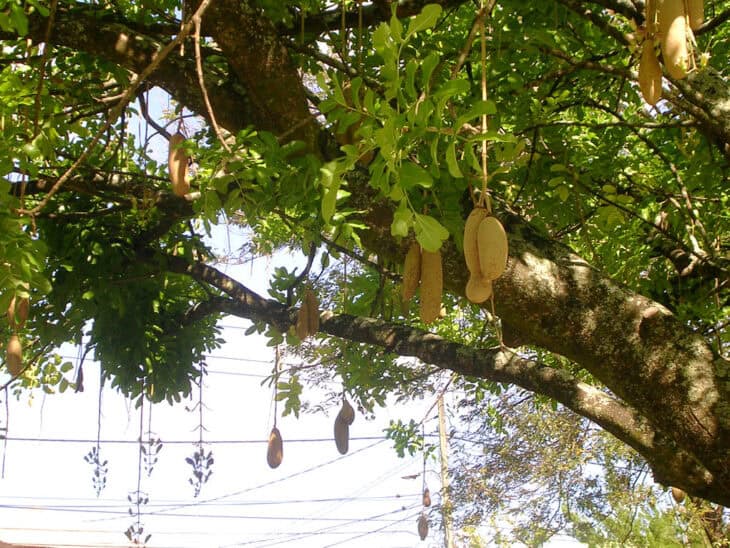
- Notable for long woody sausage shaped fruit pods.
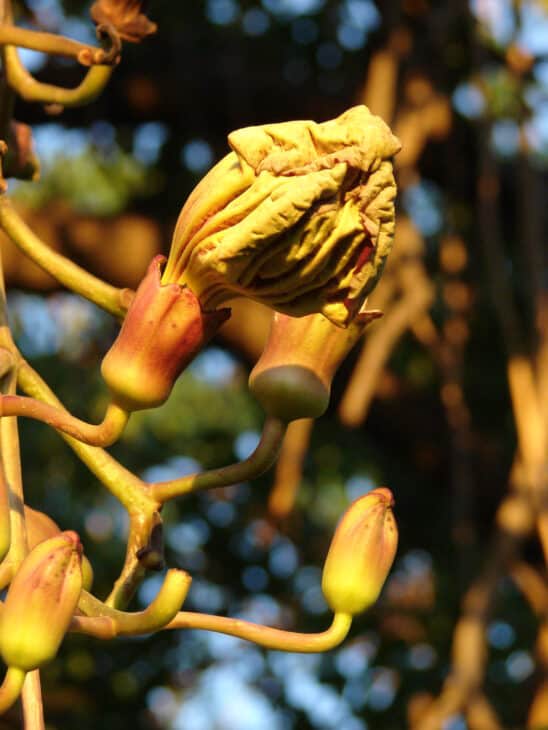
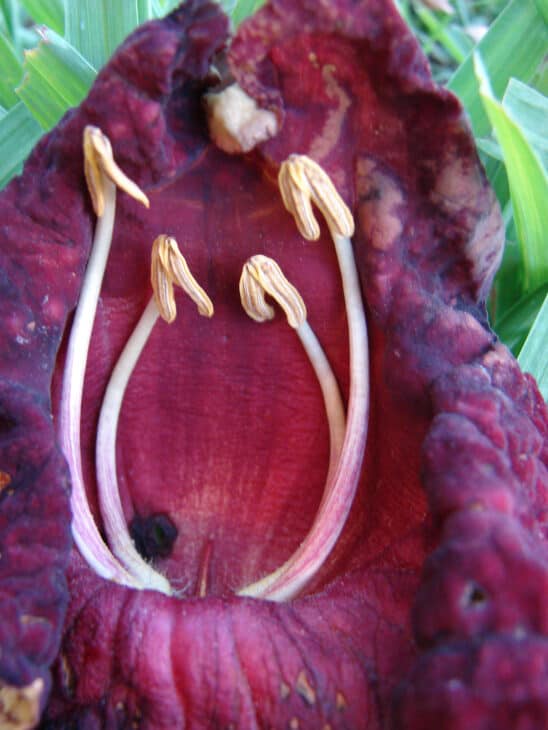
- Produces clusters of large reddish to maroon bell shaped flowers.
- Flowers are produced on older wood and attract bats and birds.
- Used as an ornamental specimen tree in warm climates.
- Tolerates a range of soils but needs good drainage.
- Propagated easily by seed and also by cuttings with care.
- Fruit and seeds are reported to be of toxic or irritant concern if ingested or handled.
The African Sausage Tree is a tropical specimen prized for clusters of large reddish to maroon bell shaped flowers and long woody sausage like fruit pods. It makes a striking shade tree in warm climates but requires space and good drainage to avoid root problems.
Identification
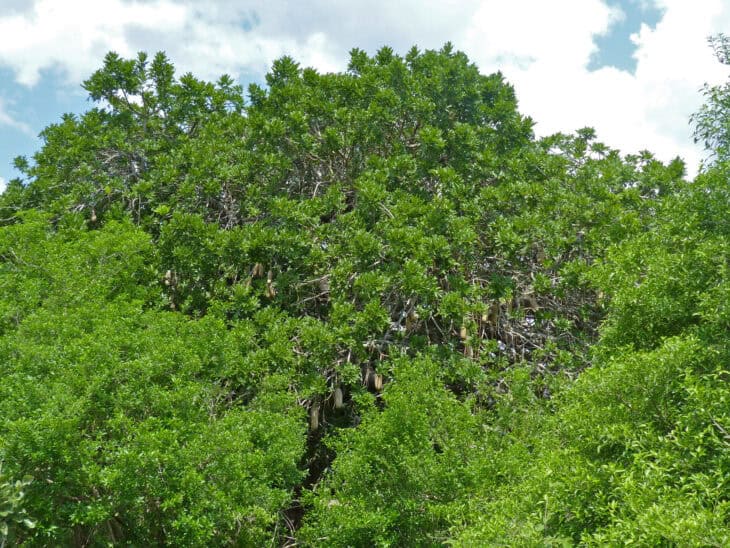
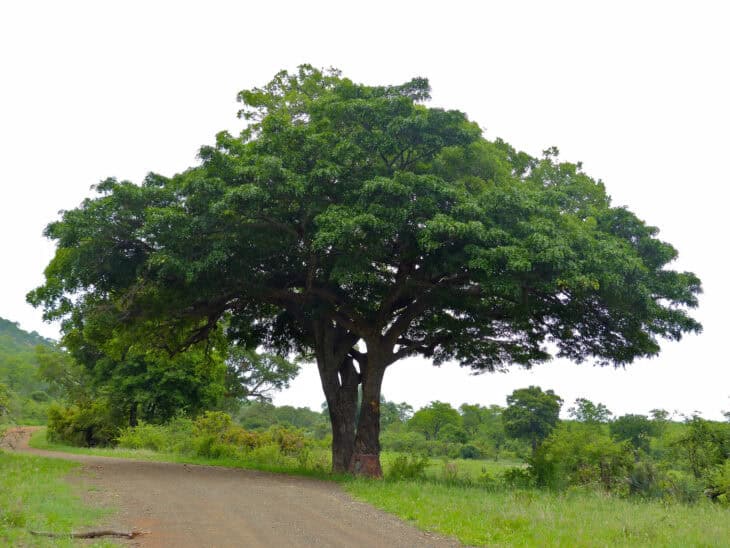
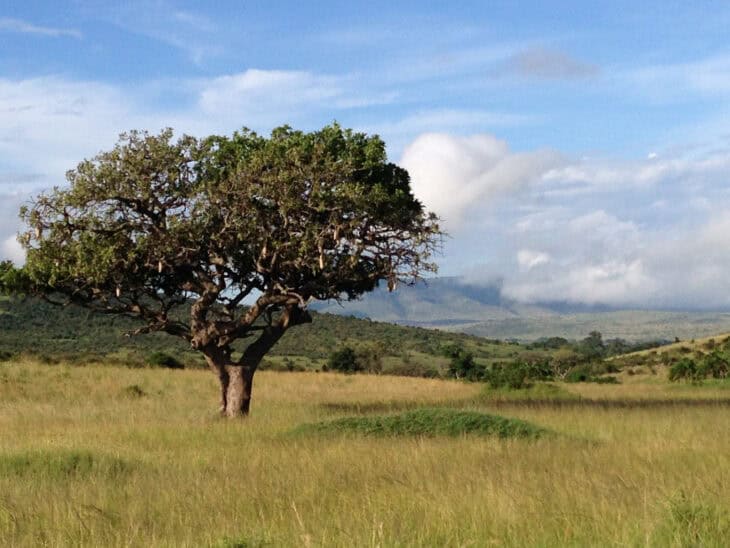
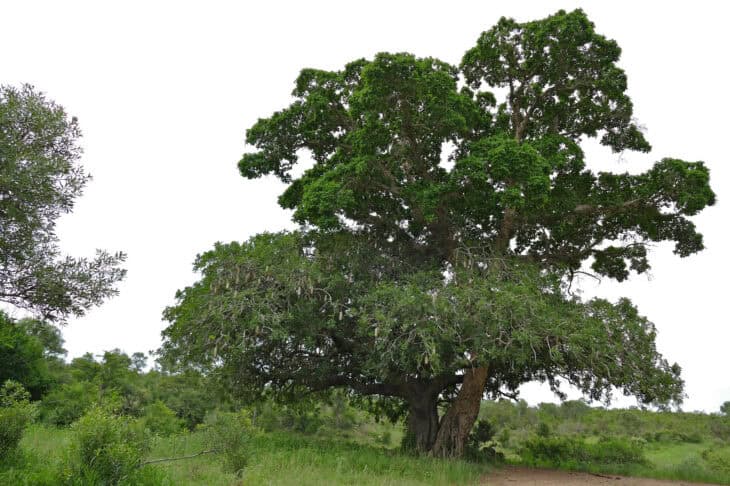
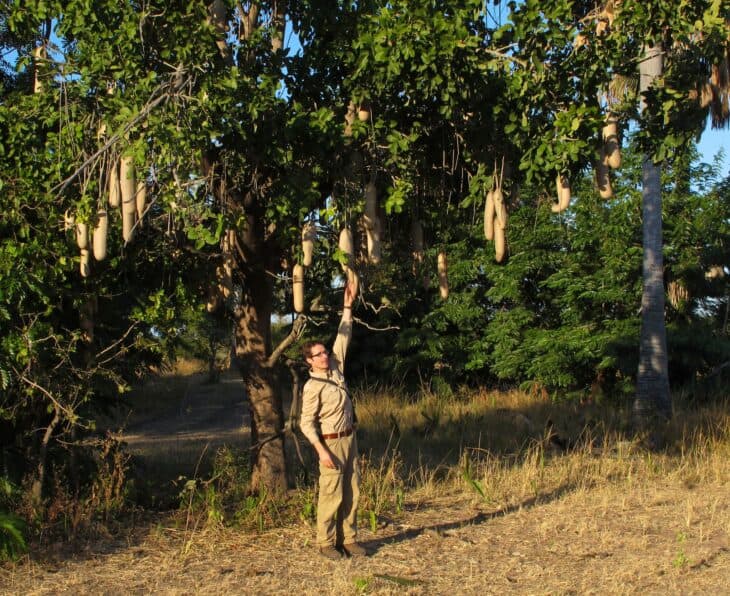
Look for dense branching with a broad canopy and showy clusters of bell shaped reddish to maroon flowers produced on older wood that attract bats and birds. Mature cultivated trees typically reach about 20 to 40 feet tall with a canopy commonly 15 to 30 feet across. The long, heavy woody pods are the most distinctive feature.
Best uses and where to grow
Use as a single specimen or shade tree in warm temperate to tropical gardens where its size and dramatic flowers can be enjoyed. Best suited to USDA roughly zones 9 to 11. Avoid small or confined sites because the tree forms a broad canopy and the heavy fruit can be hazardous beneath the crown.
Planting and spacing
Plant in a location that allows the mature canopy room to spread 15 to 30 feet. Position the rootball so its top is level with the surrounding soil and backfill with well drained soil. In cooler or marginal sites plant when the risk of hard frost has passed so the tree can establish in warm conditions.
Soil and watering
Prefers fertile, well drained soils and tolerates sandy to some heavier soils but will decline in poorly drained, waterlogged conditions. Provide consistent moisture during establishment and avoid standing water which leads to root decline. Improved drainage improves establishment and long term health.
Light, flowering and pruning
Grows best in full sun for the most prolific flowering but tolerates light shade. Because flowers form on older wood, heavy or untimely pruning reduces blooms. Prune only to remove dead or crossing branches and do major shaping after flowering to preserve next season’s flower display.
Propagation
Raised reliably from fresh seed; seeds germinate best with consistent warmth. Semi ripe cuttings, air layering and tip cuttings are also used but often need rooting hormone and humid conditions to succeed. Choose propagation method based on how quickly you need a specimen and available space.
Toxicity and safety
Fruit and seeds are reported to have toxic or irritant properties if ingested or handled, so keep pods away from children and pets and wear gloves when handling fruit. Some ethnobotanical sources describe medicinal uses but improper use can be harmful. Verify specifics with local poison control or medical authorities.
Frequently asked questions
- How fast does African Sausage Tree grow?
- Growth rate varies with climate, soil and care. Cultivated trees commonly reach about 20 to 40 feet over several years; exact rate depends on site fertility and moisture.
- When does it flower?
- Flowering occurs in warm conditions and timing varies by local climate. Flowers form on older wood, so peak bloom timing differs across regions.
- Is it invasive?
- It is not widely listed as invasive but behavior varies regionally. Check local invasive species lists before planting in sensitive habitats.
- Can it be grown in a container?
- Not ideal for long term container culture because of its eventual size. Young trees can be grown temporarily in very large containers while they are small.
- Are the fruits edible?
- Fruits and seeds are reported to be potentially toxic or irritant. Do not eat the fruit and consult poison control or medical sources for safety details.
Gallery
Related Plants


Mentioned In (1)
Trees
32 Most Common Trees in Hawaii
Hawaii is the only state in the United States to be made up of all islands. This makes it a…