
Key Facts
- Herbaceous annual or short lived perennial often found in disturbed soils.
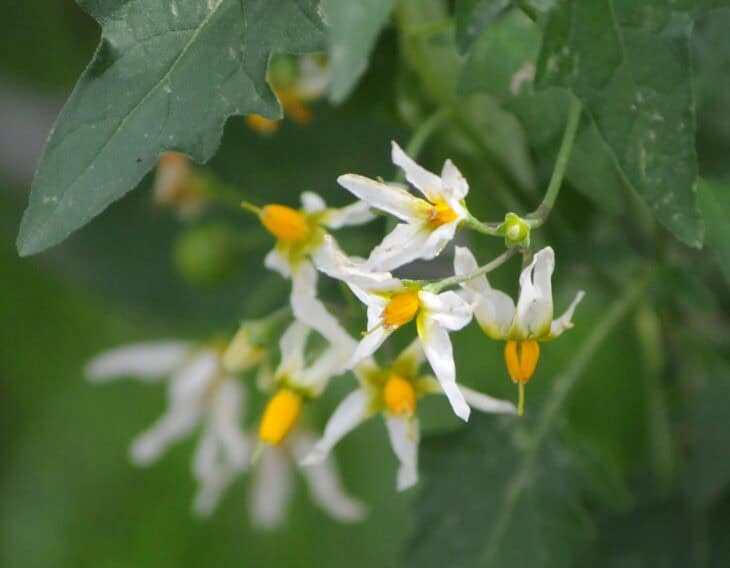
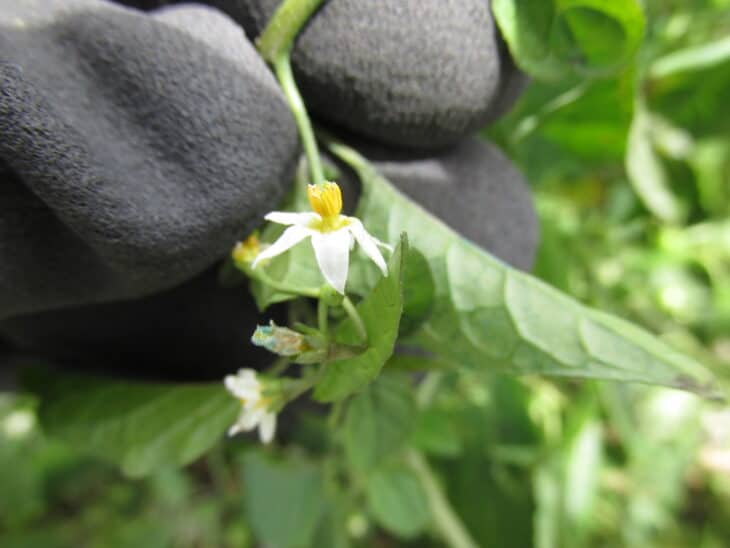
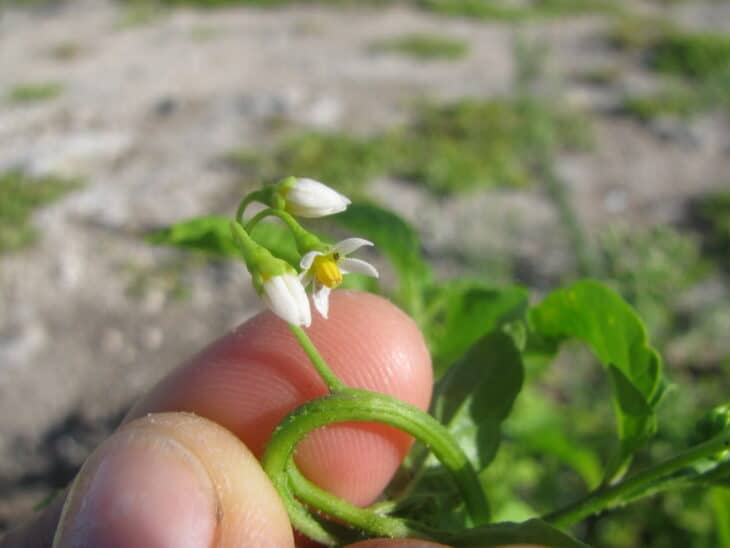
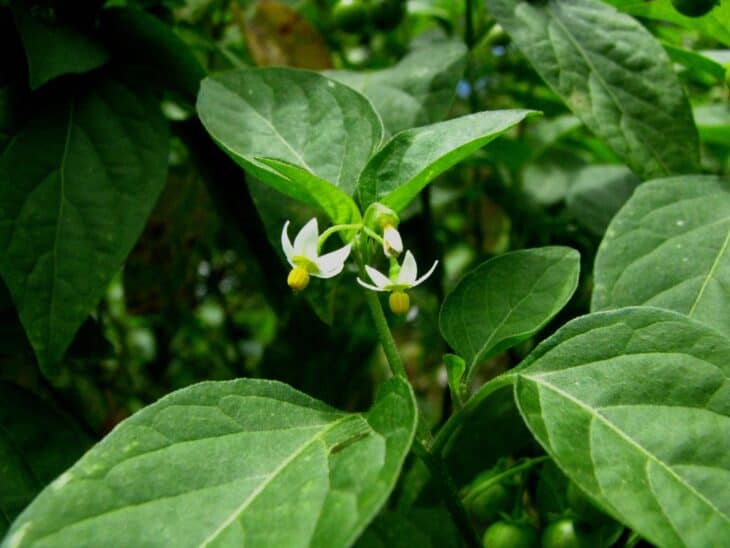
- Small white star shaped flowers are produced in clusters.
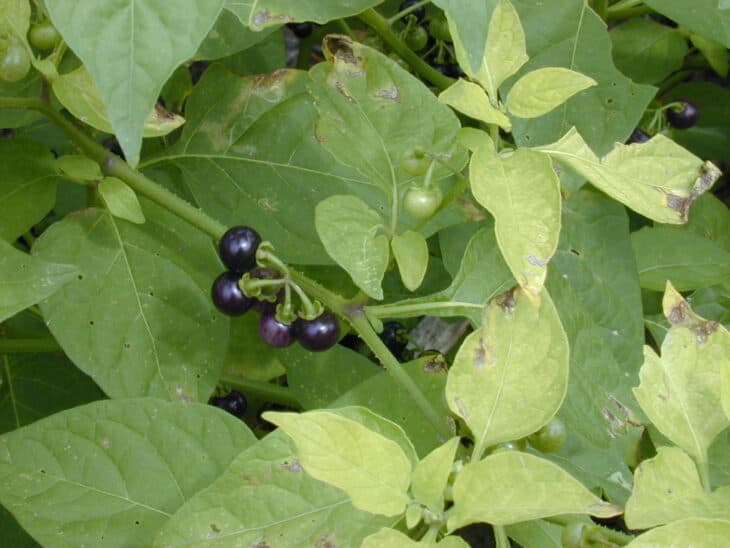
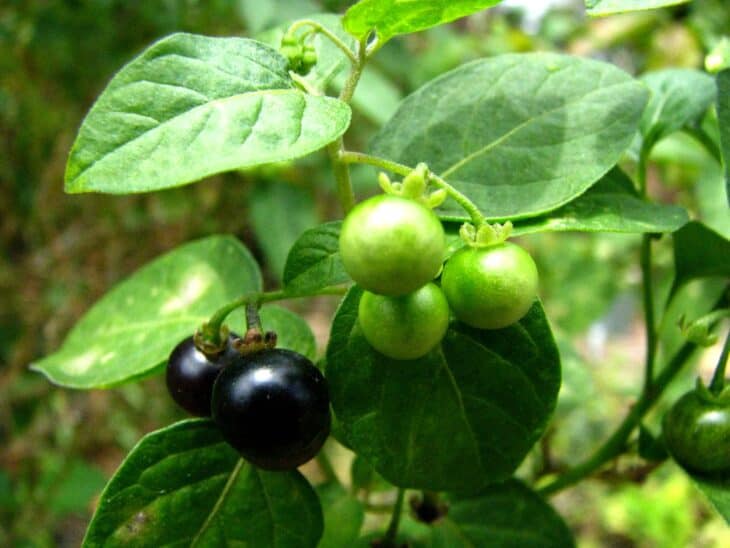
- Round berries ripen to black or dark purple.
- Reproduces mainly by seed and spreads via birds and other animals.
- Tolerates a wide range of soils and light from full sun to part shade.
- Contains glycoalkaloids that can cause gastrointestinal symptoms if ingested.
- Common weed in crops, gardens, and waste areas.
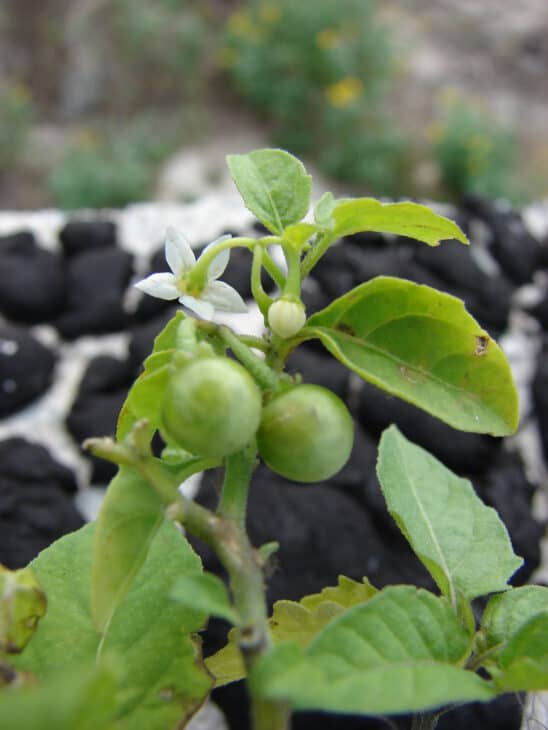
American Black Nightshade is a low herb with clusters of small white star shaped flowers and round berries that ripen to black or dark purple. It appears frequently in disturbed soils and spreads by seed, so it is most often encountered as a weed rather than a cultivated plant.
Identification
Look for a herbaceous plant 6 to 31 inches tall with alternate leaves and clusters of small white, star shaped flowers. Fruit are small, round berries that turn black or dark purple at maturity. Plants often form loose patches where birds and other animals disperse the numerous tiny seeds.
Best uses and where it grows
This species is typically a weed in gardens, crop fields and waste areas and is not recommended as a planted groundcover. It tolerates a wide range of soils and light from full sun to part shade and commonly establishes in disturbed or compacted ground where seed rain and soil disturbance are frequent.
Planting and seasonal timing
American Black Nightshade reproduces by seed and is most often established from seed in spring and early summer, with flowers and fruit appearing in summer into early fall. In colder climates it behaves as an annual while in milder areas it can persist year to year in estimated USDA zones 7 through 11.
Water and care
The plant prefers moist, fertile, well drained soils but tolerates poorer and compacted soils. Keep soil from becoming waterlogged as poor drainage reduces vigor. Plants in part shade tend to be lankier and produce fewer flowers compared with those in full sun where they are more compact and floriferous.
After flowering and cleanup
Remove plants and seed heads before berries mature to reduce local seed return. Because seed persist in soil and spread by animals, timely removal of fruiting plants and disposal away from the planting area limits the seedbank. Repeat cleanup over seasons to deplete existing seeds in the soil.
Control and preventing spread
Hand pulling small plants and removing seed heads are effective nonchemical options to prevent spread. Check areas around bird feeders, hedgerows and disturbed patches for seedlings and remove before they fruit. Long term control requires persistence because abundant small seeds are easily moved by wildlife and people.
Containers and propagation
Propagation is by seed only and seeds can persist in soil. If you need to grow for study, start seed in spring in pots and keep plants isolated to prevent berry formation and seed escape. For most gardeners the recommended action is prevention and removal rather than cultivation.
Toxicity and safety
American Black Nightshade contains glycoalkaloids such as solanine. Leaves and unripe berries are more likely to cause gastrointestinal symptoms and pets or children can become ill after ingestion. Treat any suspected poisoning by contacting local poison control or extension services for specific guidance.
Frequently asked questions
- How fast does American Black Nightshade grow?
- It often establishes and reaches its typical height in a single growing season when conditions are favorable, commonly producing flowers and fruit by summer into early fall.
- Is American Black Nightshade edible?
- Some reports note ripe berries of related taxa are eaten in certain regions but toxicity varies by species and ripeness. Leaves and unripe berries are more likely to cause illness so avoid eating any part unless you have authoritative local identification and guidance.
- How do I get rid of it in my garden?
- Remove plants and seed heads before fruiting, pull seedlings promptly and dispose of material away from the site. Repeat removals for several seasons because seeds persist and are dispersed by birds and other animals.
- Can it survive winter where I live?
- In cooler areas it behaves as an annual and dies back in winter. In estimated USDA zones 7 to 11 it can persist year to year and spread, so local winter survival depends on your climate.
- How can I tell it apart from other black nightshades?
- Identification relies on a combination of plant habit, small white star shaped flowers in clusters and the black round berries. Taxonomy can be unsettled in this complex, so confirm the accepted name for your region if precise identification is needed.
Gallery
Related Plants


Mentioned In (1)
Plants
25 Poisonous Plants in Hawaii
Plants that may appear to look lush and green in the Hawaiian flora could actually be toxic and poisonous. Even…