
Key Facts
- Clumping evergreen palm with multiple slender canes.
- Slow to moderate grower often used as a houseplant.
- Tolerates lower indoor light better than many palms.
- Prefers consistently moist but well drained, organic soil.
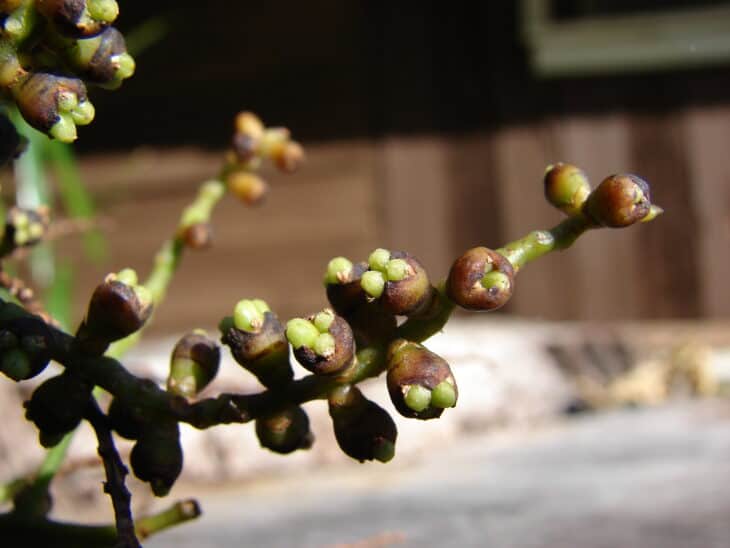
- Produces small inconspicuous flowers on mature plants.
- Suitable for sheltered outdoor planting in warm climates.
- Propagated most easily by dividing clumps.
Bamboo Palm (Rhapis excelsa) is a clumping evergreen palm with multiple slender canes, prized as a houseplant and for shaded landscape spots. It tolerates lower indoor light better than many palms and prefers evenly moist, well drained, organic soil.
Identification
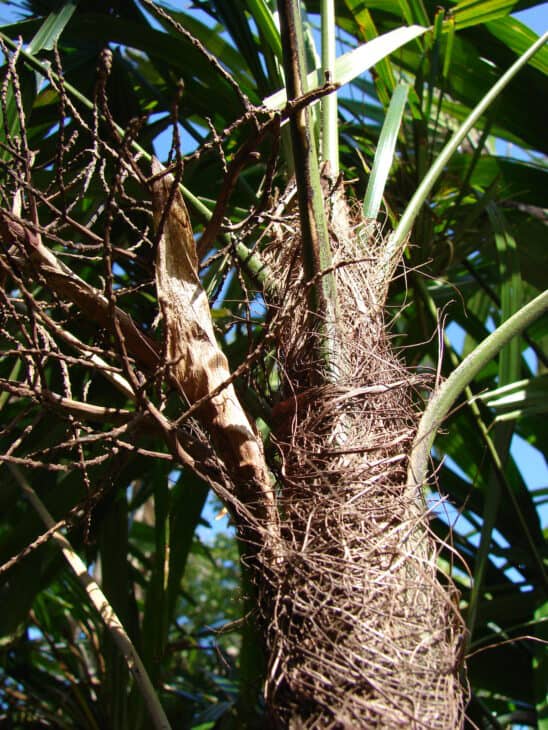
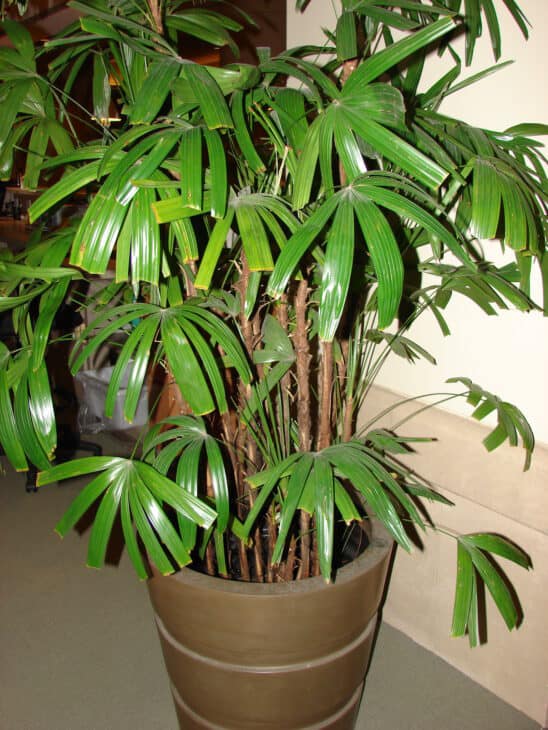
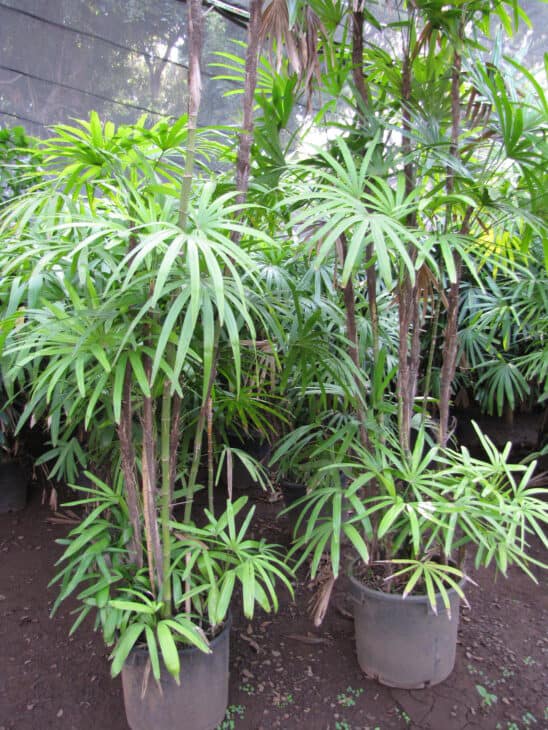
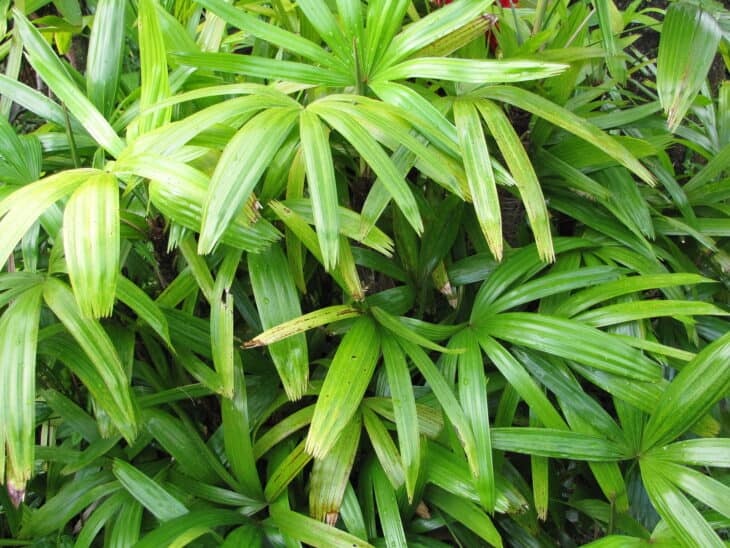
Clumping habit with several slender, bamboo like canes and fanlike leaves. Mature plants produce small, inconspicuous flowers in spring to summer. Outdoors in favorable sites plants often reach about 6 to 12 ft tall while indoor specimens are commonly smaller.
Where to grow and best uses
Works well as an indoor specimen or under glass and in shaded landscape areas. Best suited to warm, sheltered outdoor locations and is generally recommended for USDA zones 9 to 11 where winter lows stay mild. In colder regions grow in containers and move plants indoors or keep under protection.
Light and soil
Prefers bright indirect light to part shade and tolerates lower indoor light. Avoid hot direct afternoon sun which can scorch leaves. Plant in rich, organic, well drained soil that stays evenly moist; avoid waterlogged conditions which lead to root rot.
Planting and spacing
Outdoors place clumps where they will receive light shade and shelter from cold winds. Space plants about 3 to 6 ft apart to allow the clump to develop. As a container plant use a well draining, organic potting mix and pot to allow room for the clump to expand.
Watering and maintenance
Keep soil consistently moist but not soggy. Poor drainage or prolonged wet soil causes root decline. In low light expect slower growth and thinner foliage; regular division maintains vigor in older clumps.
After flowering and pruning
Flowers are small and insignificant so no special after flowering care is required beyond removing any dead or damaged leaves. Divide or remove older canes at the base to refresh the clump when needed.
Propagation and controlling spread
Division of clumps is the quickest reliable method and preserves cultivar traits. Seed propagation is possible but slow. To control natural spread divide and replant or remove new shoots to keep clumps compact.
Containers and indoor culture
As a houseplant Bamboo Palm tolerates lower light than many palms and remains a compact, attractive option for shaded rooms. Use a fertile, well draining, organic mix and avoid placing the pot in hot direct sun. Indoor plants typically stay much smaller than outdoor specimens.
Plant health and pets
Not listed as toxic to cats and dogs by the ASPCA but ingestion can cause mild stomach upset. Check local pet poison resources if concerns arise. Avoid waterlogged soil to prevent root rot and monitor for pests on weakened plants.
Frequently asked questions
- How fast does Bamboo Palm grow?
- Slow to moderate; growth is steady but Bamboo Palm is not a rapid grower.
- Is Bamboo Palm safe for pets?
- It is not listed as toxic to cats and dogs by the ASPCA, though eating plant material can cause mild stomach upset.
- How tall does Bamboo Palm get?
- Outdoors in favorable sites it commonly reaches about 6 to 12 ft, while indoor specimens are usually smaller.
- Can I grow Bamboo Palm outdoors in cooler climates?
- It is best in warm, sheltered sites and generally recommended for USDA zones 9 to 11. In cooler areas grow under glass or keep plants in containers you can move indoors.
- How do I propagate Bamboo Palm?
- Divide established clumps for the quickest, most reliable results. Seed can be used but is slow to establish.
Gallery

Related Plants


