
Key Facts
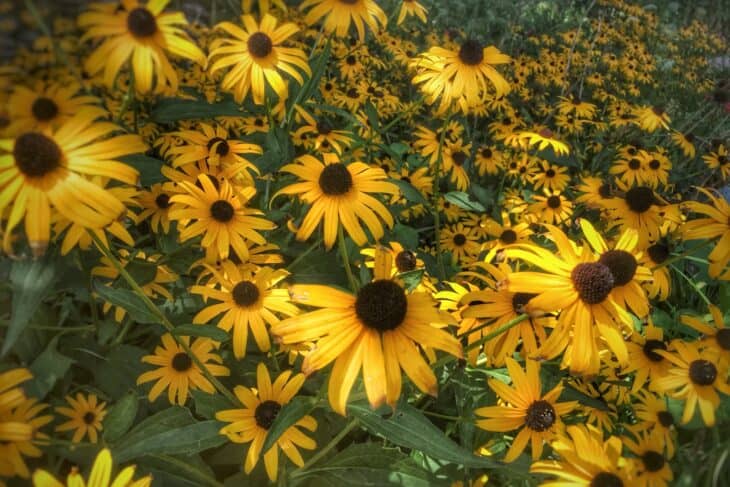
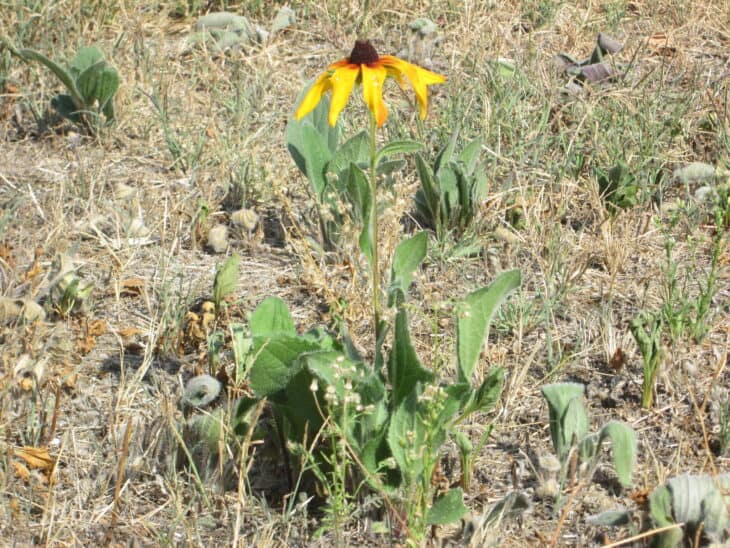
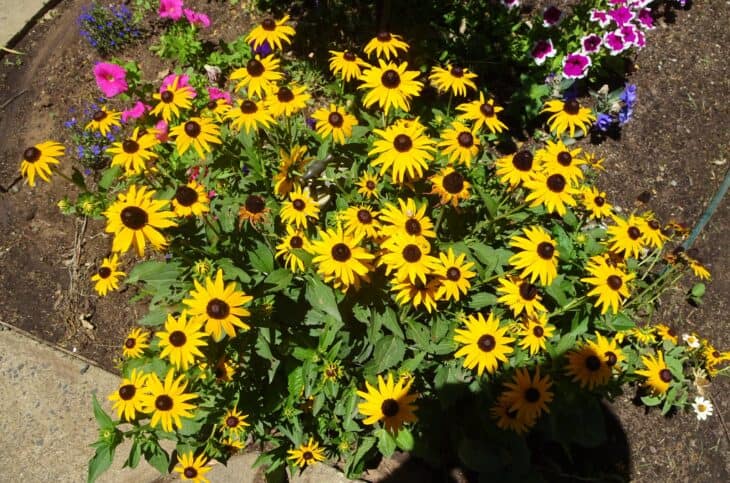
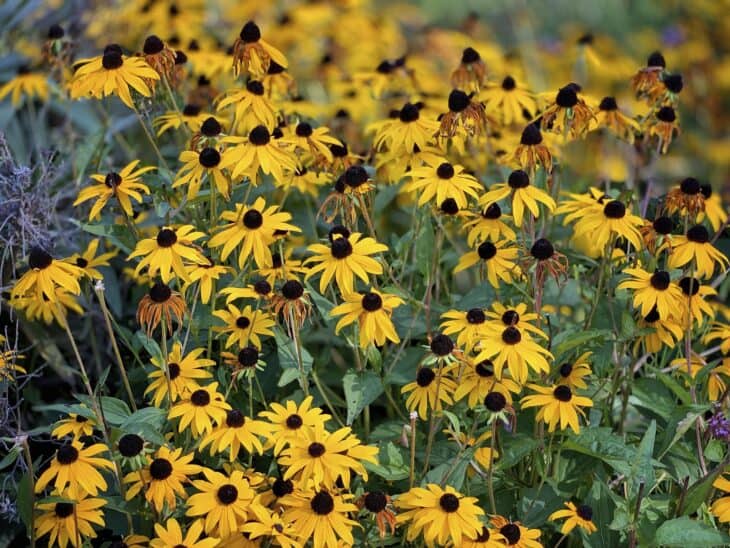
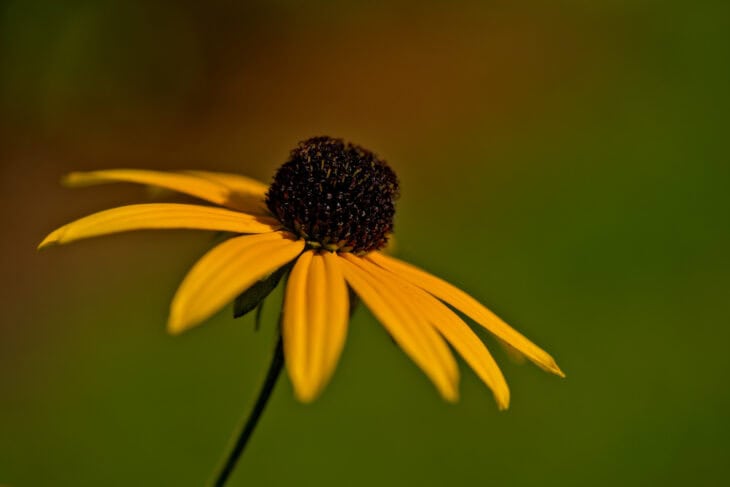
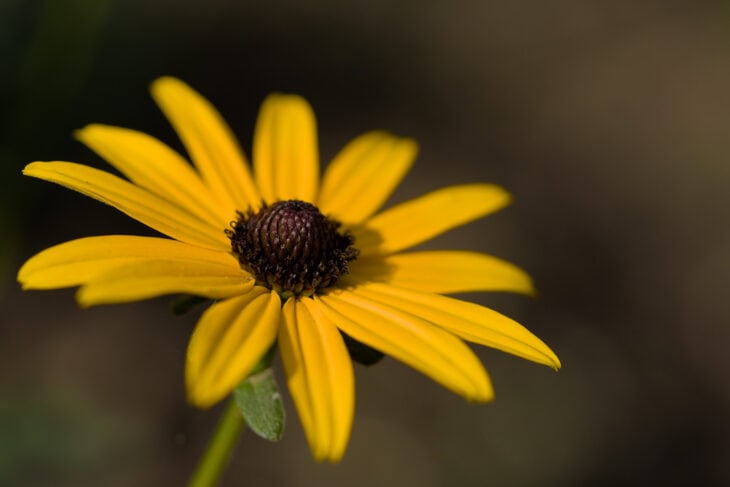
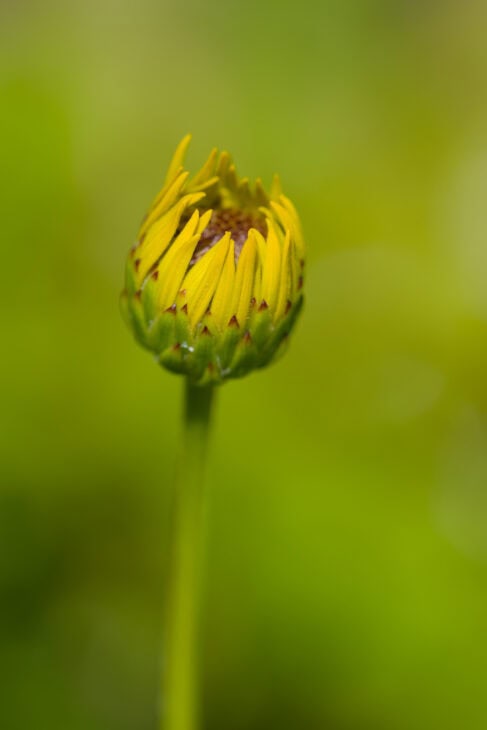
- Yellow daisy-like flowers with a dark brown or black central cone.
- Typically grown as an annual, biennial, or short-lived perennial.
- Attractive to bees and butterflies.
- Native to eastern and central North America.
- Prefers full sun and tolerates some light shade.
- Does best in well-drained soil and tolerates poorer soils.
- Flowering usually occurs in summer into early fall.
- Spreads by seed and can form clumps that are increased by division.
Black-eyed Susan is a bright yellow daisy like flower with a dark central cone that attracts bees and butterflies. It thrives in sunny, well drained spots and commonly blooms from summer into early fall.
Identification
Showy yellow ray petals surround a dark brown or black central cone. Plants range from about 12 to 36 inches tall and form clumps roughly 12 to 24 inches wide depending on the cultivar. Life cycle varies by cultivar and climate and plants are commonly grown as annuals biennials or short lived perennials.
Best uses and where to grow
Use Black eyed Susan in sunny borders pollinator beds and naturalized meadow edges where a bright summer display is useful. It prefers full sun for best flowering and will tolerate light afternoon shade at the cost of fewer blooms. It is hardy across USDA zones 3 to 9.
Planting time and spacing
Sow seed in spring or fall or plant divisions in spring. Space plants about 12 to 18 inches apart to allow clump development and air flow. Spacing at the wider end reduces crowding and makes spring division easier when clumps need thinning.
Soil light and watering
Plants prefer well drained loam to sandy garden soil and tolerate average to poor soils. Avoid consistently wet or waterlogged sites which cause crown rot. Provide moisture for new transplants until established and then avoid standing water around crowns.
After flowering care and propagation
Cut back spent flowering stems and divide overcrowded clumps in spring to refresh plants and encourage stronger growth. Propagate by seed sown in spring or fall by division of clumps in spring and by basal cuttings for some cultivars.
Managing spread and naturalizing
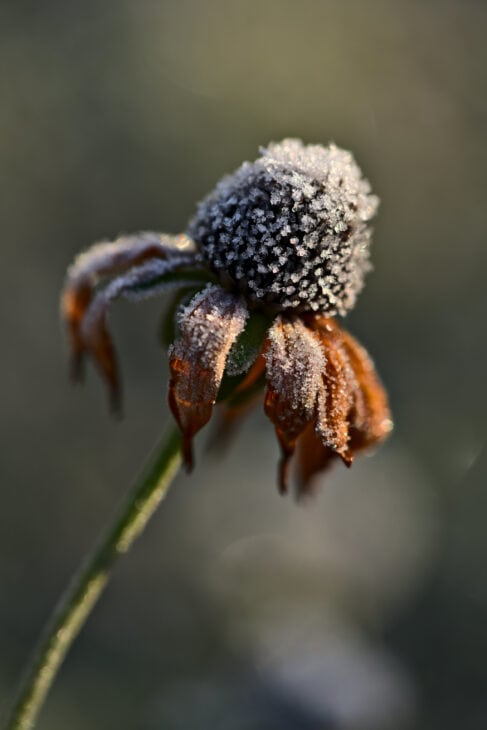
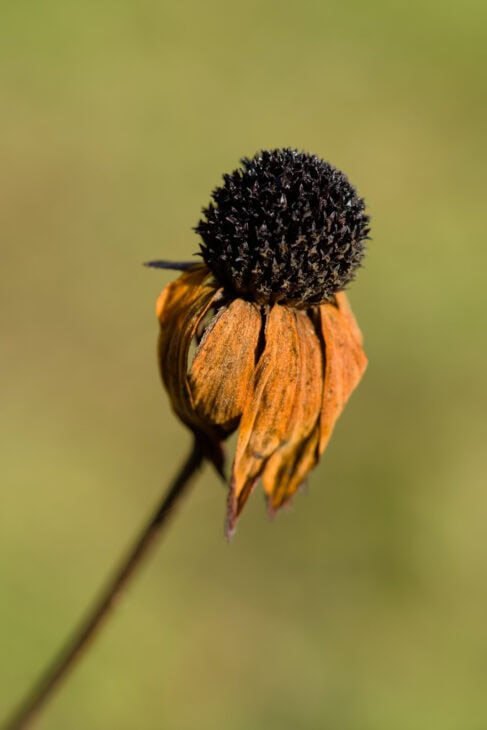
Black eyed Susan spreads readily by seed and will naturalize in suitable sites. To encourage self seeding leave some seed heads to feed birds and expand the stand. To limit spread remove seed heads before seeds mature and lift and divide clumps as needed.
Frequently asked questions
- How fast does Black grow?
- Growth varies by cultivar and growing conditions. Mature height typically ranges from 12 to 36 inches and plants form clumps that fill a 12 to 24 inch space over time as they set seed and are divided.
- When does Black eyed Susan bloom?
- Bloom time is summer into early fall commonly from June through September in the Northern Hemisphere. Exact timing depends on local climate and whether plants are grown as annuals or perennials.
- What soil and light does it need?
- Full sun produces the best flower display. Plants prefer well drained soil and tolerate average to poor soils. Avoid sites that stay wet through the season to prevent crown rot.
- How do I propagate Black eyed Susan?
- Propagate by seed sown in spring or fall and by dividing clumps in spring. Some cultivars also root from basal cuttings. Division refreshes crowded clumps and increases plant numbers.
- Will it naturalize and how do I control it?
- Yes it often self seeds and naturalizes. Remove seed heads before ripening to limit spread and divide or remove plants that appear where not wanted.
Gallery
Related Plants


