
Key Facts
- Large evergreen conifer native to the Himalayan region.
- Needles usually in bundles of five and characteristically long and drooping.
- Used as a specimen tree in parks large gardens and arboretums.
- Cones are slender and hang on the branches.
- Prefers well drained soils and full sun.
- Tolerates cold winters better than hot humid summers.
- Commonly propagated by seed with grafting used for named cultivars.
Blue Pine, Pinus wallichiana, is a large evergreen conifer from the Himalayas valued for long drooping needles and a graceful habit. It makes a dramatic specimen tree in parks and large gardens while needing enough room and well drained soil to avoid root problems.
Identification
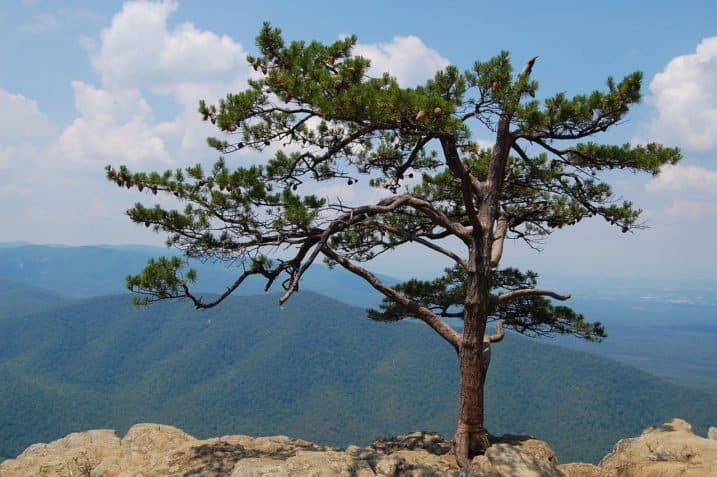
Needles come in bundles of five and are characteristically long and pendulous which gives the tree a soft textured canopy. Cones are slender and hang from branches. Mature trees commonly reach 40 to 80 feet tall with a 20 to 40 foot crown so plan for a substantial specimen.
Best uses and where to grow
Use Blue Pine as a specimen or focal tree in large gardens arboretums and parks where its cascading needles can be appreciated. It prefers full sun and tolerates light shade and does better in cooler temperate climates roughly matching USDA zones 4 through 7 while avoiding hot humid summers.
Planting and spacing
Give each tree room equal to its expected mature spread roughly 20 to 40 feet to avoid future crowding and root competition. Time planting to allow roots a full season to establish before extreme heat or cold which in temperate regions usually means spring or fall. Avoid waterlogged sites which increase winter root risk.
Soil and watering
Blue Pine prefers well drained soils and tolerates poorer rocky ground where drainage is good. Poorly drained heavy soils lead to root decline and winter damage. Keep soil evenly moist while the tree establishes then reduce supplemental water but never allow the root zone to remain saturated.
Light and climate tolerance
Plant in full sun for best form with some tolerance of light shade. The species tolerates cold winters better than hot humid summers so select cooler sites in warmer regions. Expect slower growth and potential stress where heat and humidity are higher than the tree prefers.
After cone season and maintenance
Conifers produce male pollen in spring with female cones developing later. After cones set maintenance is low. Remove dead or crossing branches and make any formative pruning while the tree is young. Avoid heavy pruning back into old wood as recovery is limited.
Propagation
Blue Pine is commonly raised from seed with grafting used for named cultivars because cuttings are difficult. Seed often requires cold stratification in some climates and grafting success varies by cultivar so source seed or scions from reputable suppliers when possible.
Frequently asked questions
- How fast does Blue Pine grow?
- Growth rate varies with site soil and climate. In favorable conditions the tree shows steady height increase but exact rates depend on local fertility and moisture.
- Is Blue Pine suitable for small gardens?
- No it is best for large gardens parks or arboretums because mature height and spread are substantial and require space.
- Is Blue Pine toxic to pets or livestock?
- It is not widely listed as highly toxic but ingestion can cause gastrointestinal upset and some Pinus species affect livestock. Check regional poison control or veterinary sources for definitive guidance.
- Can Blue Pine be grown in containers?
- Not practically. Mature size and root requirements make it unsuitable for long term container culture; plant it in the landscape where roots have room to grow.
- When does Blue Pine produce cones?
- Male cones release pollen in spring with female cones developing and maturing later. Exact timing varies by latitude elevation and local climate.
- How do I propagate Blue Pine?
- Propagation is primarily by seed and grafting is used for named cultivars. Seed sometimes needs cold stratification and grafting success varies with cultivar.
Related Plants


Mentioned In (2)

Pine
51 Common Types of Pine Trees in North America (photos)
Wherever you go in North America, it is difficult not to see pine trees. These are tall, elegant trees that…

Pine
17 Common Types of Pine Trees in Georgia
If you’re unfamiliar with the many species of pine trees in existence, they may all look alike to you but…